EcoFlow Portable Generator Review: Is It Worth It?
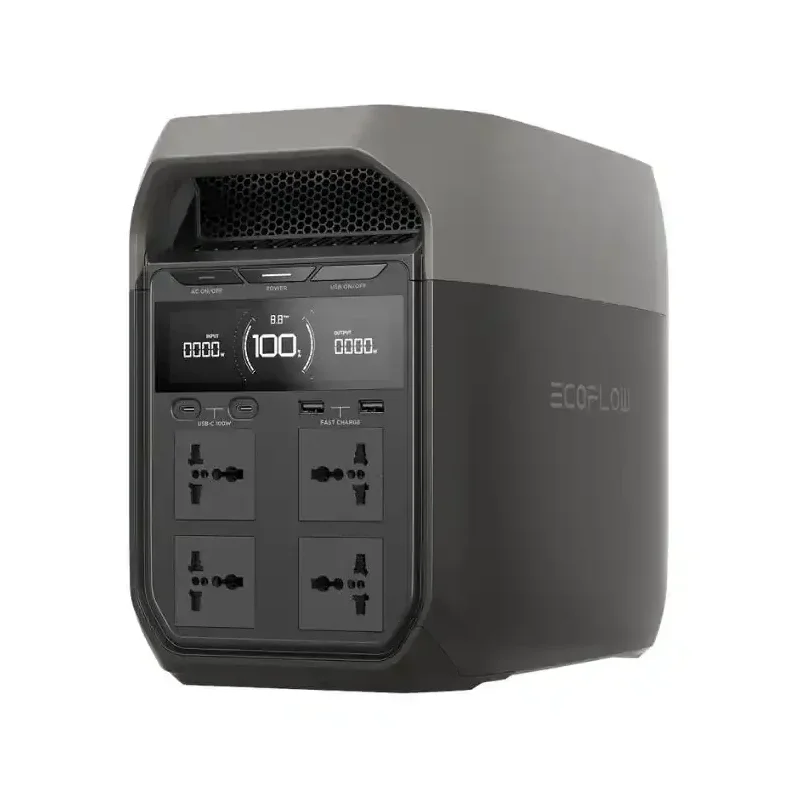
The EcoFlow DELTA 3 is a rechargeable portable power station equipped with a 1,024Wh lithium iron phosphate battery and a 1,800W AC inverter. It provides backup electricity for household essentials, camping equipment, and compatible electronics during power outages.
This EcoFlow portable generator review examines its performance, charging capabilities, battery durability, and practical limitations. It occupies the middle ground between compact camping batteries and larger home backup systems.
Unlike conventional gasoline generators, the DELTA 3 stores electricity without burning fuel during operation. That distinction makes it particularly attractive for apartment residents, remote workers, and recreational travelers.
🏆 My Quick Verdict
Specifications-based assessment, not a hands-on test.
💡 Best For: Homeowners, campers, apartment residents, and remote workers requiring dependable short-term backup electricity.
⚡ Key Specs:
1,024Wh LiFePO4 battery, 1,800W AC output, 3,600W surge capacity, 500W solar input, and under 10ms UPS switching.
✅ Bottom Line: The DELTA 3 offers a convincing combination of fast charging, expandable storage, and practical electrical output. Its primary limitation is the runtime available from its standard battery when powering demanding appliances.
EcoFlow Portable Generator at a Glance
- Suitable for short outages, recreational travel, and everyday portable electricity.
- Supports simultaneous operation of multiple compatible electrical devices.
- Rechargeable through household electricity, compatible solar panels, or vehicle charging equipment.
- Battery chemistry prioritizes long service life and repeated charging cycles.
- Expandable capacity accommodates changing household energy requirements.
- Does not require gasoline storage or conventional engine servicing.
EcoFlow DELTA 3 Specifications
The following specifications apply to the standard US-market DELTA 3 rather than the DELTA 3 Plus or Classic variants.
| Specification | Product Details |
|---|---|
| Brand | EcoFlow |
| Model | DELTA 3 |
| Battery Capacity | 1,024Wh |
| Battery Chemistry | LiFePO4 (LFP) |
| Rated AC Output | 1,800W |
| Surge Output | 3,600W |
| AC Voltage | 120V (US version) |
| Maximum AC Charging Input | 1,500W |
| Maximum Solar Input | 500W |
| Solar Input Range | 11–60V, 15A maximum |
| AC Outlets | 6 |
| USB-C Ports | 2 × 100W maximum |
| USB-A Ports | 2 × 18W maximum |
| Battery Cycle Life | 4,000 cycles to at least 80% capacity |
| UPS Switching Time | Under 10ms |
| Expandable Capacity | Up to approximately 5kWh |
| Weight | Approximately 27.6 lbs |
| Dimensions | 15.7 × 8.0 × 11.2 inches |
| Manufacturer Warranty | 5 years, subject to applicable terms |
Specifications are sourced from the official EcoFlow DELTA 3 product documentation.
Design and Build Quality
The EcoFlow DELTA 3 uses a compact rectangular enclosure designed for accessible portable power distribution. Its physical footprint allows placement beside a workstation, inside a vehicle, or near household appliances.
At approximately 27.6 pounds, it remains manageable for occasional relocation. However, carrying it over considerable distances may become uncomfortable.
The integrated display provides useful information about remaining battery capacity, incoming electricity, and connected electrical loads. Owners can monitor consumption without relying exclusively on a smartphone.
EcoFlow specifies IP65 protection for the internal battery pack, not necessarily the complete power station. Keep the entire unit protected from rain, standing water, and excessive environmental exposure.
Setup, Installation and Ease of Use
- Inspect the power station and included accessories for shipping damage before connecting any electrical equipment.
- Place the generator on a stable, dry surface with adequate ventilation around its cooling openings.
- Connect the supplied AC charging cable to a suitable household outlet.
- Check the display to confirm that charging has started normally.
- Enable the appropriate AC or DC output before connecting compatible devices.
- Pair the EcoFlow mobile application if you require remote monitoring and additional configuration options.
- Secure the power station against movement when transporting it inside a vehicle.
- Disconnect unnecessary electrical loads before storing the unit according to the manufacturer’s instructions.
Core Performance and Feature Breakdown
Electrical Output and Appliance Compatibility
The 1,800W continuous AC output supports numerous common household appliances within the generator’s rated electrical limits. Suitable examples include televisions, fans, laptops, lighting, and compatible refrigerators.
Its surge allowance helps accommodate equipment requiring additional startup power. Always verify the appliance’s starting requirements before connecting motor-driven equipment.
Battery Runtime
Runtime depends primarily on connected wattage, inverter efficiency, operating temperature, and battery condition. A higher output rating does not automatically translate into longer operating time.
The following calculations assume approximately 85% usable energy during AC operation. These are illustrative estimates rather than measured product test results.
| Continuous Load | Estimated Runtime |
|---|---|
| 50W | 17.4 hours |
| 100W | 8.7 hours |
| 200W | 4.4 hours |
| 500W | 1.7 hours |
| 1,000W | 52 minutes |
Charging Performance
EcoFlow advertises a full AC recharge in approximately 56 minutes under suitable conditions. This charging capability can be valuable when utility power returns briefly between outages.
Solar charging provides another option when household electricity becomes unavailable. Actual charging speed varies with sunlight, panel orientation, temperature, and electrical compatibility.
Expert Insight
Prioritize watt-hour capacity when calculating backup duration and inverter wattage when checking appliance compatibility. These measurements answer different questions, and exceeding either practical limit can leave essential equipment without electricity.
Readers comparing battery systems with combustion-powered equipment should also understand the difference between an inverter generator and a portable power station before selecting their backup solution.
Key Features Explained
LiFePO4 Battery Technology
The lithium iron phosphate battery is designed for frequent charging and discharging throughout its service life. Gradual capacity degradation remains normal, even with appropriate battery management.
Expandable Energy Storage
Compatible EcoFlow expansion batteries allow owners to increase stored electricity without purchasing another complete power station. Check the supported battery models and required connection accessories before ordering.
Automatic Backup Switching
The built-in UPS function can transfer compatible connected equipment to battery power when utility electricity fails. Devices requiring uninterrupted, zero-transfer-time electricity may need a dedicated online UPS instead.
Smart Energy Management
The EcoFlow application provides convenient access to charging settings and power monitoring. Adjustable settings can help owners manage charging behavior according to their household electricity requirements.
Real-World Usability and Maintenance
Daily ownership is relatively straightforward because the DELTA 3 contains no combustion engine requiring oil changes or spark plug replacements. Routine care focuses on battery management, cleanliness, and appropriate operating conditions.
Keep ventilation openings free from dust and avoid operating the unit inside tightly enclosed storage compartments. Excessive heat can reduce efficiency and trigger protective shutdowns.
Inspect charging cables periodically and follow EcoFlow’s long-term storage recommendations. Prepare the battery before severe weather rather than waiting until an outage begins.
EcoFlow DELTA 3 Pros and Cons
Pros
- Fast wall charging reduces downtime between backup power sessions.
- Expandable storage offers flexibility as household electricity requirements increase.
- Multiple output connections accommodate a variety of compatible electrical devices.
- Battery-based operation avoids combustion exhaust during normal use.
Cons
- The standard battery provides limited runtime for continuously operating high-wattage appliances.
- Solar panels and expansion batteries require additional expenditure when purchased separately.
- The unit is relatively heavy for backpacking and extended manual transportation.
Common Issues and Fixes
AC Output Stops Unexpectedly
Excessive combined wattage or appliance startup demand can trigger overload protection. Disconnect unnecessary equipment and follow the manual’s instructions before restarting the output.
Solar Charging Is Slower Than Expected
Cloud cover, shading, and unsuitable panel positioning can significantly reduce solar electricity production. Reposition compatible panels in direct sunlight while keeping the power station sheltered.
Battery Discharges During Standby
Enabled output circuits can consume electricity even when connected equipment is inactive. Disable unused outputs and review the standby timeout settings.
What to Know Before You Buy
The DELTA 3 is most suitable when purchased according to a realistic electricity consumption plan. Identify essential appliances and determine their combined daily energy requirements before comparing battery capacities.
- Confirm that the regional AC voltage matches your electrical equipment.
- Check whether your selected package includes solar panels or only the power station.
- Verify solar panel voltage and current against the supported charging input specifications.
- Budget separately for optional expansion batteries and compatible charging equipment.
- Never connect the power station directly to household wiring through an ordinary wall outlet.
- Confirm warranty eligibility with the retailer before completing your purchase.
Buyers requiring several days of emergency electricity should compare this unit with other rechargeable portable generators offering different battery capacities.
Who Should Buy It and Who Should Skip It?
✅ Who Should Buy It
- Apartment residents seeking backup electricity without a combustion engine.
- Remote workers protecting essential networking and computer equipment.
- Car campers requiring convenient access to multiple electrical connections.
- Homeowners experiencing occasional short-duration electricity interruptions.
- Buyers planning to expand their portable energy storage gradually.
✗ Who Should Skip It
- Households requiring continuous whole-home backup electricity.
- Users operating large 240V appliances.
- Backpackers prioritizing extremely lightweight equipment.
- Buyers requiring guaranteed uninterrupted power for critical medical equipment.
- Users without sufficient opportunities to recharge during prolonged emergencies.
Alternatives to Consider
The Jackery Explorer 1000 v2 and Anker SOLIX C1000 are credible alternatives within the same general battery capacity category.
Jackery Explorer 1000 v2
Best For: Recreational travelers and users prioritizing straightforward portable electricity.
Main Advantage: Lower carrying weight makes transportation more convenient.
Trade-off: Lower rated AC output than the EcoFlow DELTA 3.
Key Spec: 1,070Wh battery capacity and 1,500W rated output.
Anker SOLIX C1000
Best For: Campers and homeowners comparing similarly rated battery backup systems.
Main Advantage: Slightly greater standard battery capacity.
Trade-off: A lower maximum expanded battery capacity than the DELTA 3.
Key Spec: 1,056Wh battery capacity and 1,800W rated output.
Is the EcoFlow Portable Generator Worth It?
The EcoFlow DELTA 3 offers worthwhile functionality for buyers who need portable electricity frequently enough to justify the investment. Its overall value depends on whether the available energy storage matches your actual consumption patterns.
Compare the complete cost of your intended configuration rather than the standalone unit alone. Solar accessories, additional batteries, and specialized charging equipment can substantially change the total investment.
For occasional short outages, the standard configuration may be sufficient without additional accessories.
Final Verdict
The EcoFlow DELTA 3 earns a recommendation as a versatile mid-capacity portable power station. Choose it for selective appliance backup and recreational electricity rather than expecting it to replace a comprehensive whole-home generator system.
Frequently Asked Questions
Can the EcoFlow DELTA 3 run a refrigerator?
Yes, it can operate a compatible refrigerator within its continuous and startup power limits. Runtime depends on compressor cycling, ambient temperature, and the refrigerator’s energy consumption.
Can you use the EcoFlow portable generator indoors?
Yes, the DELTA 3 can be used indoors under the manufacturer’s recommended operating conditions. Maintain adequate ventilation and keep the power station away from moisture and excessive heat.
Can the EcoFlow DELTA 3 charge with solar panels?
Yes, the DELTA 3 accepts compatible solar charging inputs up to 500W. The connected solar array must remain within the permitted voltage and current limits.
How long does the EcoFlow DELTA 3 battery last?
EcoFlow rates the battery for 4,000 charging cycles before reaching approximately 80% of its original capacity. Actual battery longevity depends on usage, temperature, and charging habits.
Does the EcoFlow DELTA 3 require regular maintenance?
Yes, but maintenance is generally limited to battery care, cleaning, and inspecting electrical connections. Follow the manufacturer’s storage instructions when the unit remains unused for extended periods.
What warranty does the EcoFlow DELTA 3 include?
EcoFlow advertises a five-year warranty for the standard DELTA 3 in the United States. Coverage remains subject to purchase eligibility and the applicable manufacturer warranty policy.
Affiliate disclosure: HomeGeneratorBlog earns a small commission when you purchase through links on this page — at no extra cost to you. Our editorial process is independent: affiliate relationships never influence which products we recommend or how we rank them.

Hi, I’m Michael Turner. I own a generator workshop in the United States and founded HomeGeneratorBlog to share practical, hands-on guidance about generator installation, maintenance, troubleshooting, safety, and backup power solutions. My goal is to help homeowners make smarter, more confident decisions through clear and reliable information