10 Best Heat Protection Generator Covers 2026: Run Safe
The best heat protection generator cover right now is the GenTent Stormbracer — the only running cover in our test…

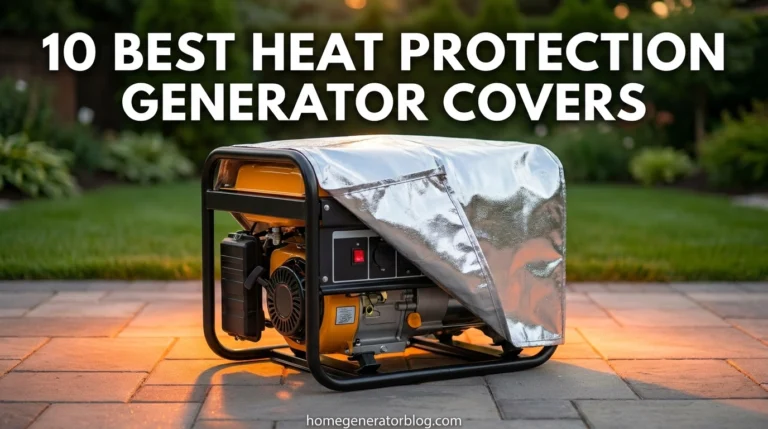
The best heat protection generator cover right now is the GenTent Stormbracer — the only running cover in our test…
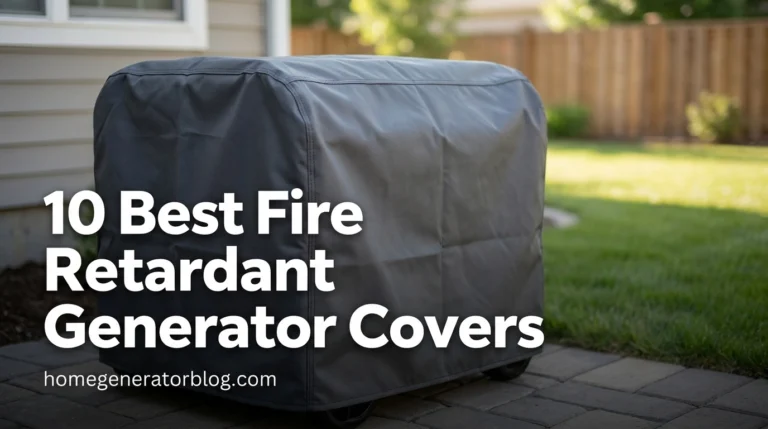
The best fire retardant generator cover right now is the GenTent Universal Kit — the only running cover in our…
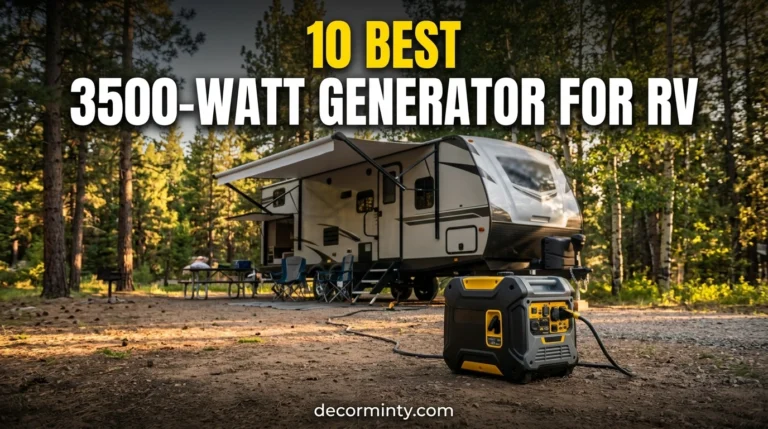
The best 3500-watt generator for RV use right now is the Champion 200988 — the only dual-fuel model in our…
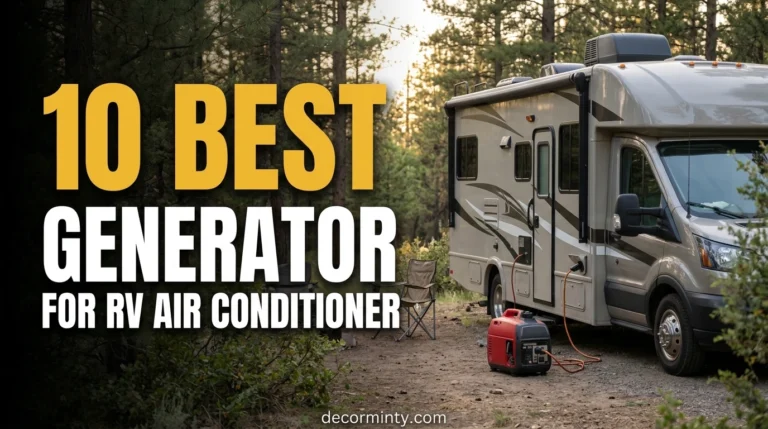
The best generator for RV air conditioner right now is Westinghouse iGen4500 — it delivers 4,500 peak watts for RV…
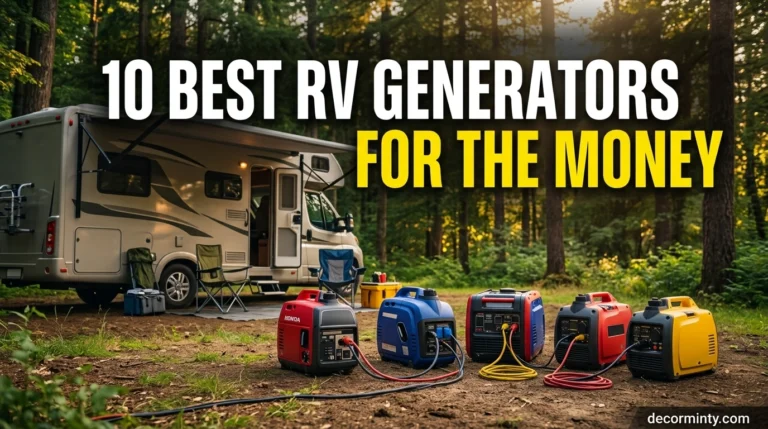
The best RV generator for the money is the Westinghouse iGen4500 — it powers a 30-amp RV without paying for…
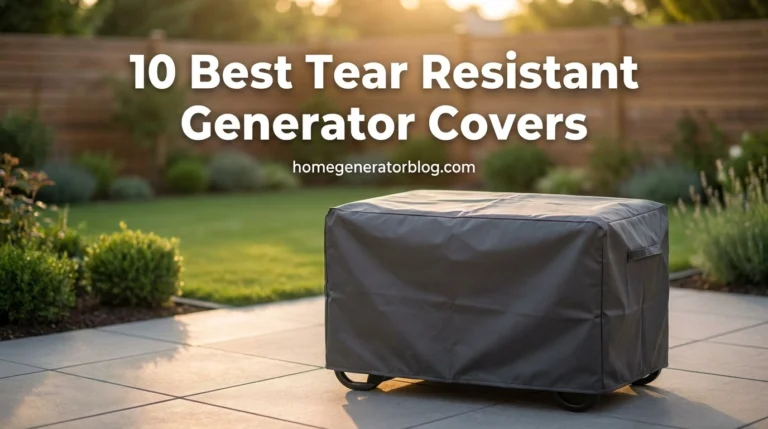
The best tear resistant generator cover right now is the Igan Ultra Heavy-Duty Generator Tent Running Cover — the only…

The best breathable generator cover right now is the GenTent Universal Kit — the only vented running cover in our…
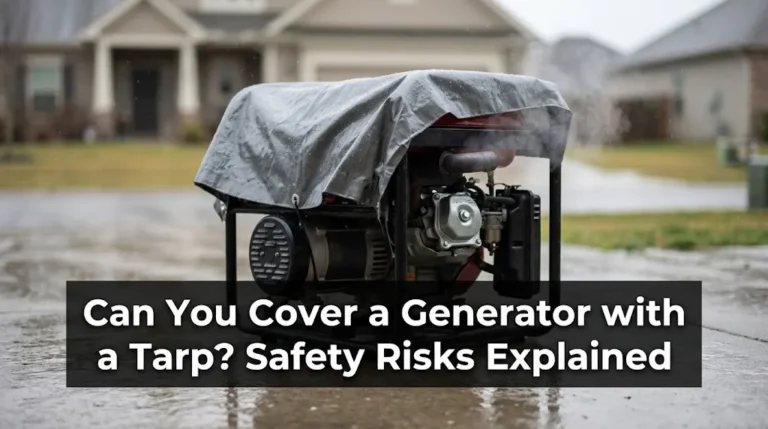
Quick Answer No, you should never cover a running portable generator with a standard plastic tarp. Doing so creates severe…
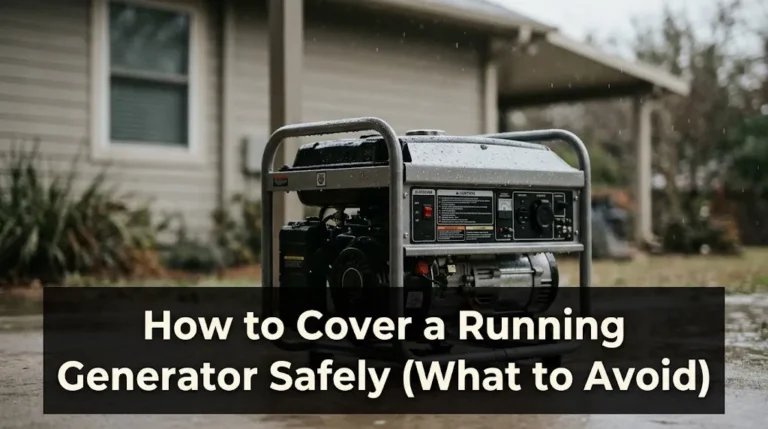
Quick Answer Never cover a running portable generator with standard tarps, plastic sheets, or boxes, as this severely restricts airflow,…
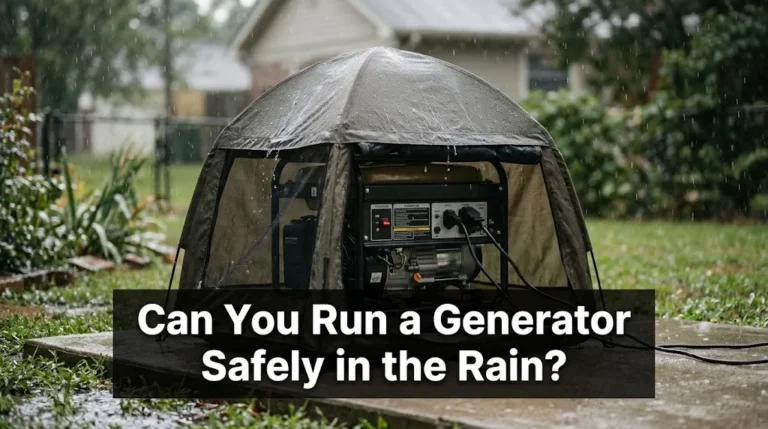
Quick Answer You should not run a portable generator while it is directly exposed to rain or standing water. If…