Can an Enclosed Generator Overheat? Safety & Cooling Guide
Quick Answer Yes, an enclosed generator can overheat rapidly. Portable and standby generators rely on continuous, unobstructed airflow to dissipate…

Welcome to the Generators hub at HomeGeneratorBlog. Explore expert guides on portable, standby, inverter, whole-house, solar, dual-fuel, and commercial generators. Learn how generators work, compare different types, understand key features, and discover practical advice to help you choose the right backup power solution for your home, business, RV, or outdoor adventures.
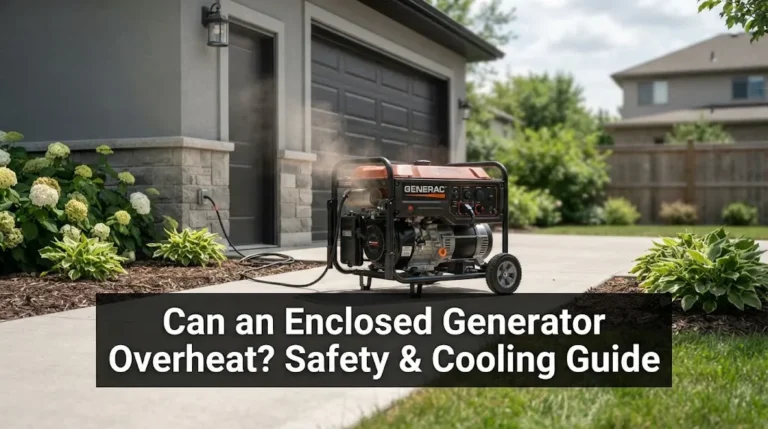
Quick Answer Yes, an enclosed generator can overheat rapidly. Portable and standby generators rely on continuous, unobstructed airflow to dissipate…
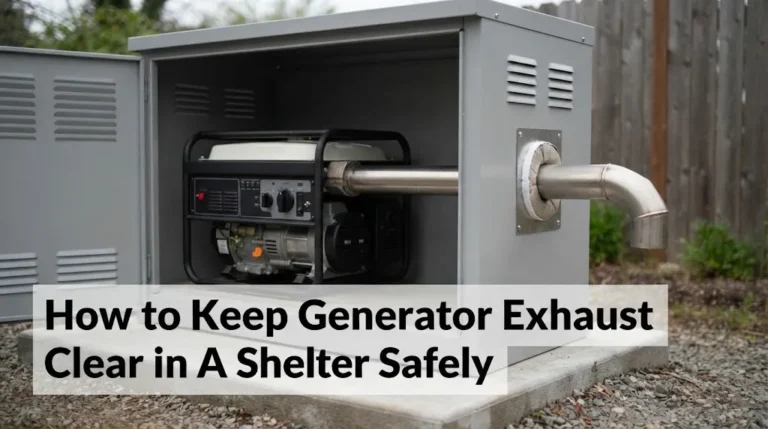
Quick Answer To keep exhaust clear when sheltering a portable generator, you must vent the exhaust completely outside the enclosure…
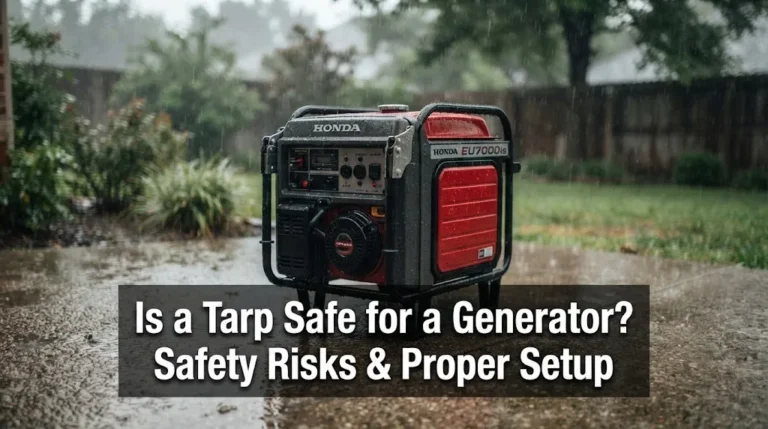
Quick Answer No, draping a standard plastic tarp directly over a running portable generator is unsafe. It traps lethal carbon…
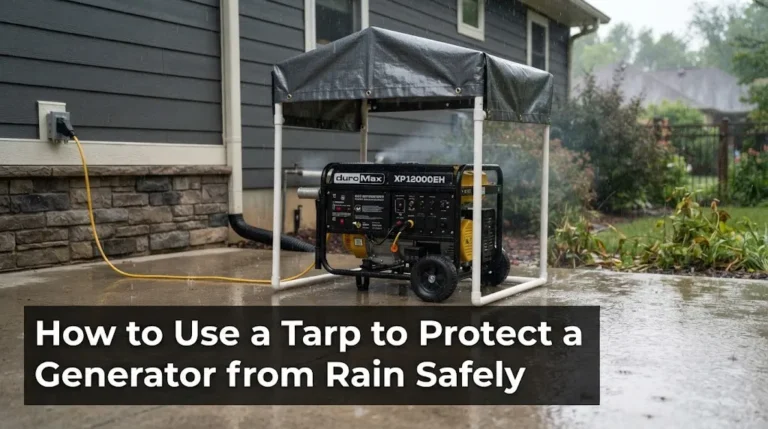
Quick Answer Never place a flat tarp directly on top of a running portable generator. To protect a generator from…
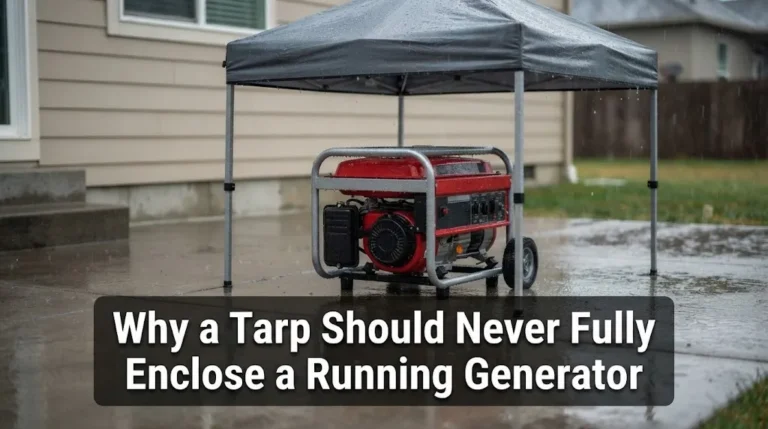
Quick Answer A tarp should never fully enclose a running generator because doing so traps deadly carbon monoxide exhaust gases…
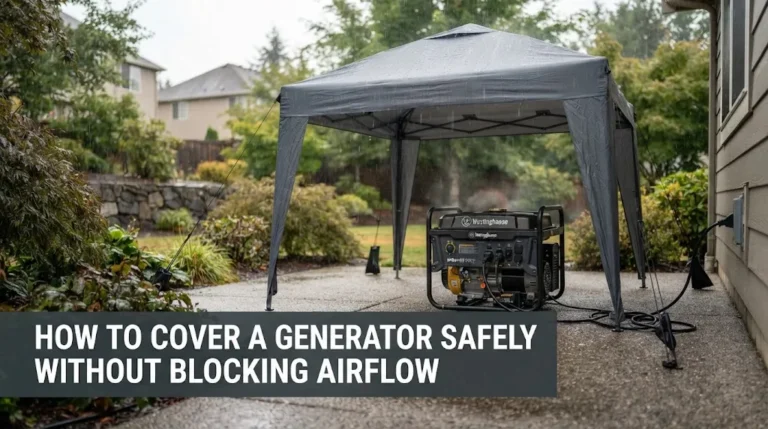
Quick Answer To cover a portable generator without blocking ventilation, use a purpose-built generator tent or a running-cover enclosure specifically…
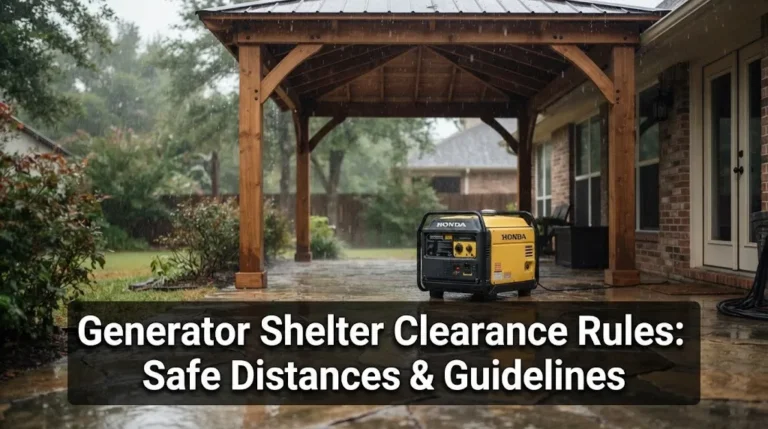
Quick Answer A running generator needs at least 3 to 5 feet of clearance on all sides and a minimum…
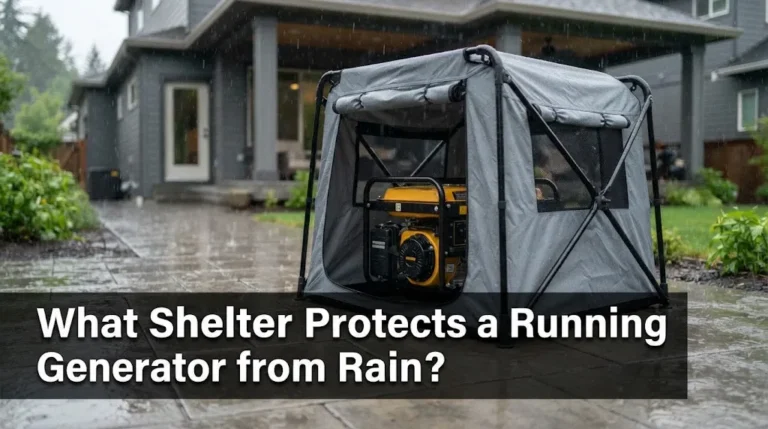
Quick Answer A running portable generator should be protected from rain using a dedicated, weather-resistant generator tent, canopy, or a…
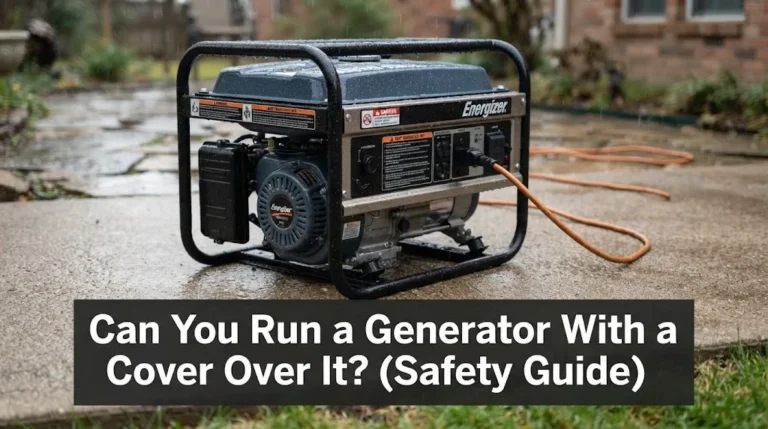
Quick Answer No, you should never run a portable generator with a standard storage, fabric, or vinyl cover fitted over…
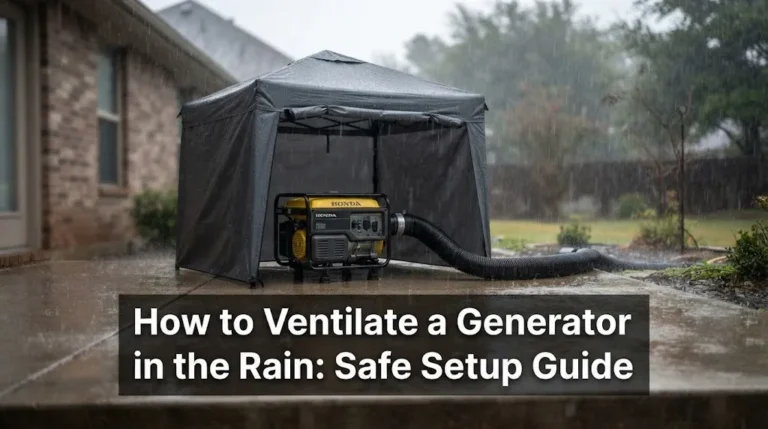
Quick Answer To safely ventilate a portable generator during rainy weather, you must keep the unit completely dry while maintaining…