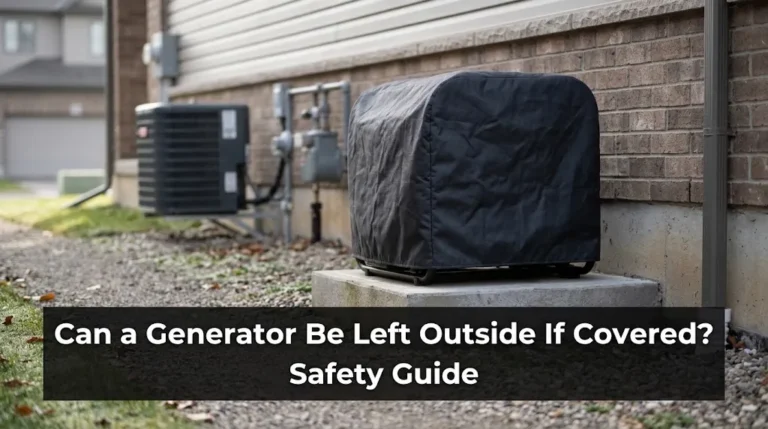
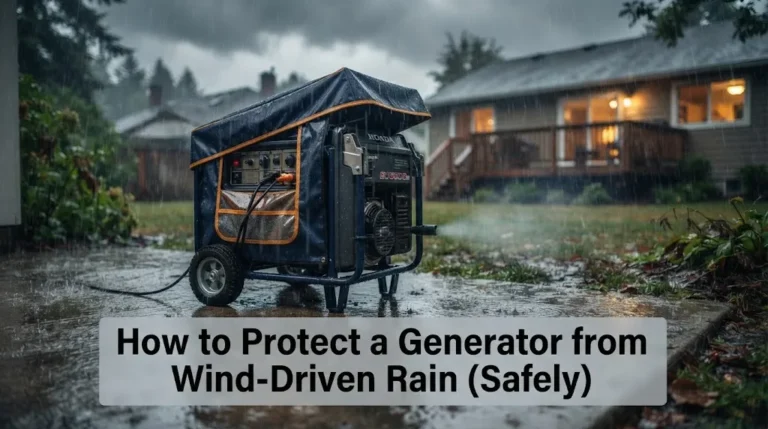
Can You Run a Generator in the Snow? Safety & Setup Guide
Quick Answer
Yes, you can run a generator outside in the snow, but never in direct contact with falling snow, sleet, or heavy moisture. To operate safely, the generator must be placed on a dry, level surface, kept outdoors away from windows and doors to prevent carbon monoxide poisoning, and protected by a specialized generator tent or running enclosure that maintains proper ventilation and airflow.
The Primary Hazards of Running a Generator in Winter Weather
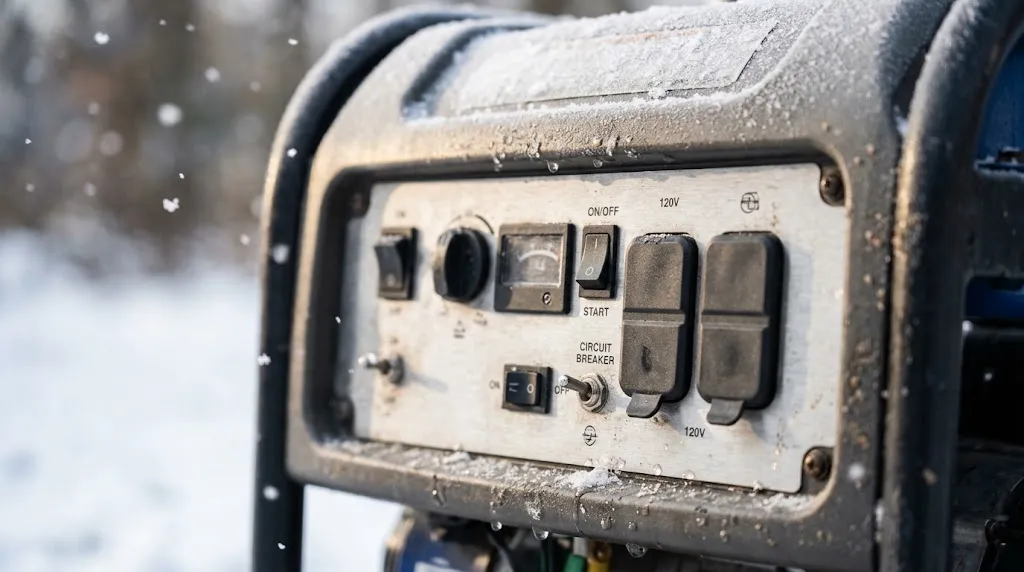
Winter storms bring a combination of freezing temperatures, high winds, heavy snow, and accumulating ice. While emergency backup power is essential during outages caused by severe weather, running power equipment outdoors introduces unique environmental hazards that do not exist during fair-weather operation.
The two most critical dangers when operating a portable generator in winter conditions are electrical shock and carbon monoxide poisoning. Moisture from melting or blowing snow can easily infiltrate electrical outlets, control panels, and alternator windings. When water contacts live electrical components, it creates an immediate risk of short-circuiting, equipment damage, or severe electrocution for anyone operating or touching the unit.
Simultaneously, winter storm conditions often tempt homeowners to place generators closer to the house, inside open garages, or under covered porches to stay out of the weather. This practice traps deadly carbon monoxide gas—an odorless, colorless exhaust byproduct—causing it to drift back into living spaces with fatal consequences.
Warning
Never run a portable generator inside a home, garage, basement, crawlspace, or enclosed shed—even with doors or windows open. Exhaust fumes can accumulate rapidly and cause carbon monoxide poisoning within minutes.
Can You Just Use a Standard Plastic Tarp?
A common mistake during a winter storm is draping a standard polyethylene tarp directly over a running generator to keep the snow off. While this keeps flakes away from the top panel, it creates a severe fire and operational hazard.
Standard tarps block necessary airflow. Generators require vast amounts of ambient air intake to cool the engine and support combustion. When a tarp is draped directly against a hot engine frame or exhaust muffler, it can melt rapidly, creating a fire hazard. Furthermore, trapping hot exhaust gases beneath a makeshift plastic cover forces carbon monoxide and heat back into the unit, leading to engine overheating, thermal shutdown, or fuel vaporization issues.
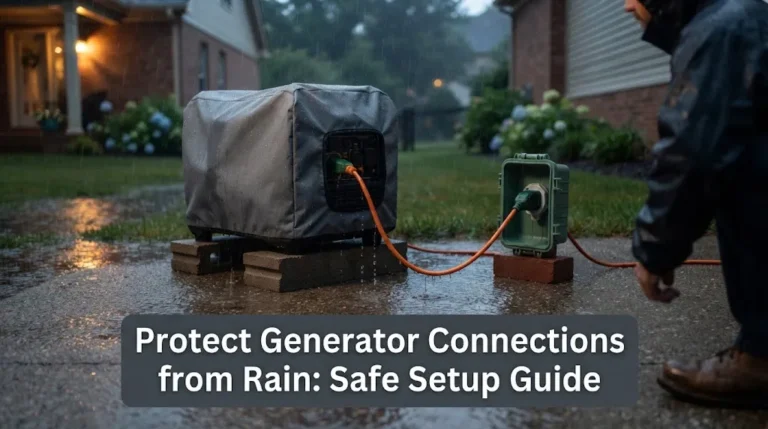
If you use any form of cover, it must be specifically engineered for running generators—such as a breathable, frame-supported canopy tent that maintains open side clearance for air circulation and exhaust dispersion.
How to Properly Prepare Your Generator Site in the Snow
Before starting a generator in snowy conditions, proper site preparation is essential to prevent mechanical failure and electrical hazards. Taking shortcuts during freezing weather can leave you stranded without power when you need it most.
Clear a Level, Elevated Surface
Never place a generator directly on deep snow or ice. As the generator runs, engine heat will cause the underlying snow to melt. The unit will gradually sink into slush, potentially blocking exhaust ports, flooding the alternator with water, or tipping over.
Instead, shovel the ground down to a solid base. Place the generator on a flat, elevated platform such as concrete pavers, treated wooden boards, or a sturdy metal stand. This keeps the unit elevated above slush, standing water, and blowing drifts.
Maintain Safe Distance From Structures
Position the generator at least 15 to 20 feet away from your home, directing the exhaust muffler away from all windows, doors, and fresh-air intake vents. High winds during a blizzard can push exhaust fumes back toward the building faster than expected, making distance your primary defense against toxic gas accumulation.
Protecting the Generator With Weather Enclosures
To safely run a generator while snow is actively falling, specialized protection is required. Several equipment options help shield the unit while preserving safe operating parameters.
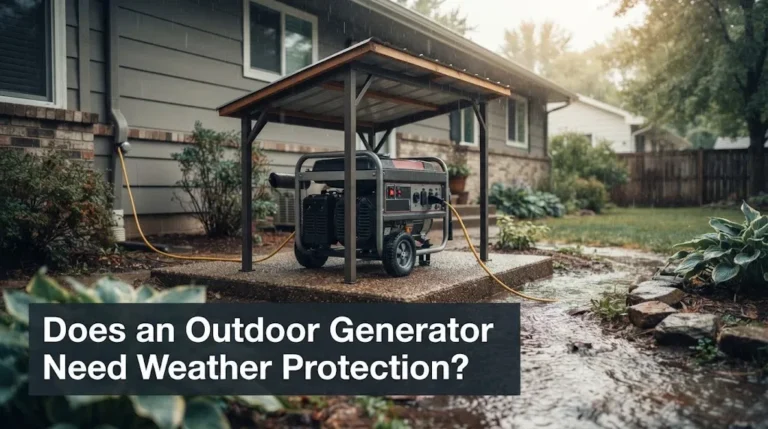
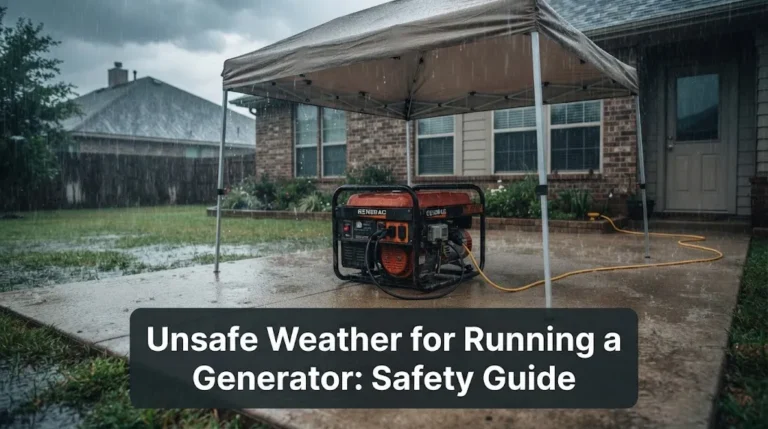
- All-Weather Generator Tents: These are frame-supported fabric shelters designed to fit around a running portable generator. They feature heavy-duty waterproof fabric, clear flaps for accessing control panels, and side flaps that roll up or stay open to ensure continuous cross-ventilation.
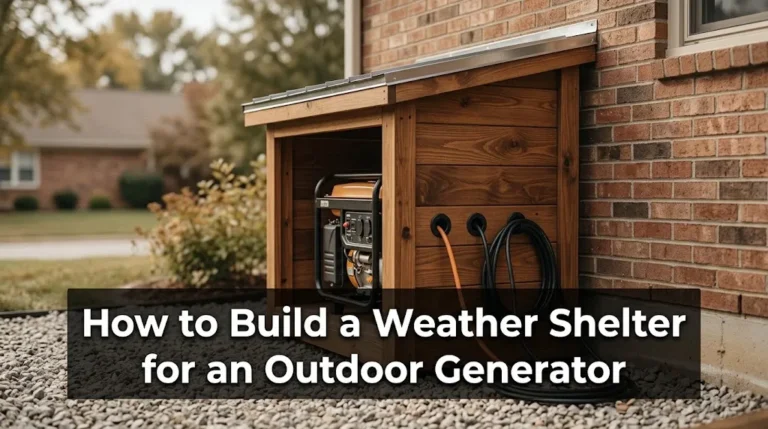
- Portable Running Sheds: Small, ventilated outdoor utility sheds built specifically for housing outdoor power equipment during inclement weather.
- Custom Eaves or Awnings: Placing the generator under a permanent, non-combustible overhang away from windows can provide adequate shelter, provided the sides remain completely open to prevent exhaust buildup.
Tip
Always position your generator so that prevailing winter winds blow exhaust fumes safely away from your enclosure and neighboring properties.
Cold Weather Starting and Fuel Management
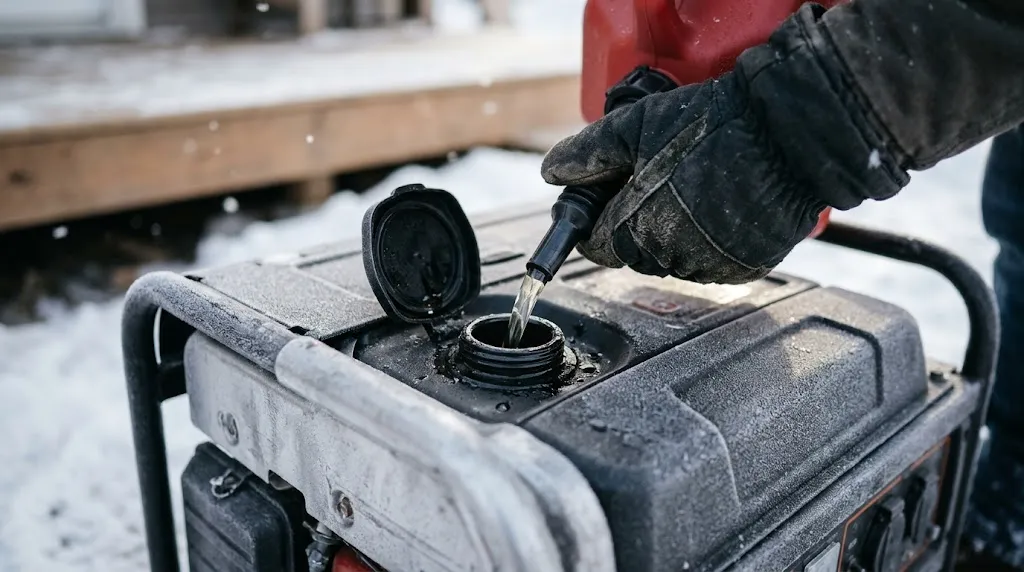
Freezing temperatures present mechanical challenges independent of snow accumulation. Gasoline engines require specific care when operating in sub-freezing environments.
Handling Viscous Engine Oil
In extreme cold, standard engine oil thickens, making recoil pull-starts difficult and increasing wear on internal engine components during startup. Check your owner’s manual to see if a lower-viscosity oil (such as 5W-30 synthetic) is recommended for winter operation.
Preventing Carburetor and Fuel Line Freezing
Moisture condensation inside fuel tanks or fuel lines can freeze, blocking gas flow and causing the engine to sputter or stall. Using a fresh supply of fuel treated with a reliable fuel stabilizer prevents moisture accumulation and keeps small engines running smoothly throughout extended winter outages.
Related Product
Universal Portable Generator Tent and Cover
Keep your generator protected from blowing snow and heavy moisture while maintaining safe ventilation and full operational access.
As an Amazon Associate, we earn from qualifying purchases.
Frequently Asked Questions
Can snow ruin a running generator?
Yes, heavy snow accumulation or melting moisture can infiltrate electrical sockets, switches, and internal windings, leading to electrical shorts, component corrosion, and permanent damage.
Is it safe to run a generator in a blizzard?
You can run a generator during a blizzard only if it is shielded from direct blowing snow and heavy wind-driven moisture using a specialized running tent or shelter, while maintaining strict clearance from structures.
How far away from the house should a generator be placed in winter?
A portable generator should always be operated at least 15 to 20 feet away from your home, with the exhaust pointing away from all doors, windows, and ventilation louvers.
Can I put a generator on a snowbank?
No. Placing a generator on a snowbank causes the unit to melt the snow underneath, resulting in shifting ground, tipping risks, and potential exhaust blockage.
What kind of oil should I use for a generator in freezing weather?
Check your manufacturer manual, but many small engines perform best in sub-freezing temperatures when switched to a lower-viscosity synthetic oil, such as 5W-30.
Why won’t my generator start in the snow?
Cold weather thickening of engine oil, low battery voltage on electric-start models, or moisture freezing in the carburetor or fuel lines are the most common reasons a generator fails to start in winter.
Conclusion
Running a portable generator outside during snowy or freezing weather requires careful attention to moisture protection and safety placement. By keeping the unit elevated on a solid base, shielding it with a breathable running tent rather than a flat plastic tarp, and maintaining adequate distance from your living space, you can maintain reliable emergency power throughout winter storms without risking equipment damage or carbon monoxide exposure.

Hi, I’m Michael Turner. I own a generator workshop in the United States and founded HomeGeneratorBlog to share practical, hands-on guidance about generator installation, maintenance, troubleshooting, safety, and backup power solutions. My goal is to help homeowners make smarter, more confident decisions through clear and reliable information