How to Protect a Portable Generator During Winter (Safe Steps)
Quick Answer
To protect a portable generator during winter, treat the fuel system with a stabilizer, store the unit in a dry, covered shelter away from snowdrifts, disconnect or maintain the battery, and use a heavy-duty, breathable generator cover designed for cold weather.
Why Winter Weather Threatens Portable Generators
Winter brings freezing temperatures, heavy snow, ice storms, and high winds that frequently cause power outages. While portable generators are built to provide reliable backup power during these emergencies, cold weather introduces unique mechanical hazards. Low temperatures thicken engine oil, sub-freezing moisture leads to internal corrosion, and blowing snow can clog exhaust ports or freeze starter mechanisms.
Protecting your generator involves two distinct strategies: preparing the unit for safe operation during freezing storms and safeguarding it during long periods of inactive winter storage. Failing to address these seasonal challenges often results in hard-starting engines, clogged carburetors, or complete system failure when you need emergency power the most.
Preparing Your Generator for Winter Operation
When freezing weather strikes, your generator must be ready to start reliably on short notice. Operating a generator in snow and ice requires careful attention to shelter, fuel condition, and fluid viscosity.
Switching to Winter-Grade Engine Oil
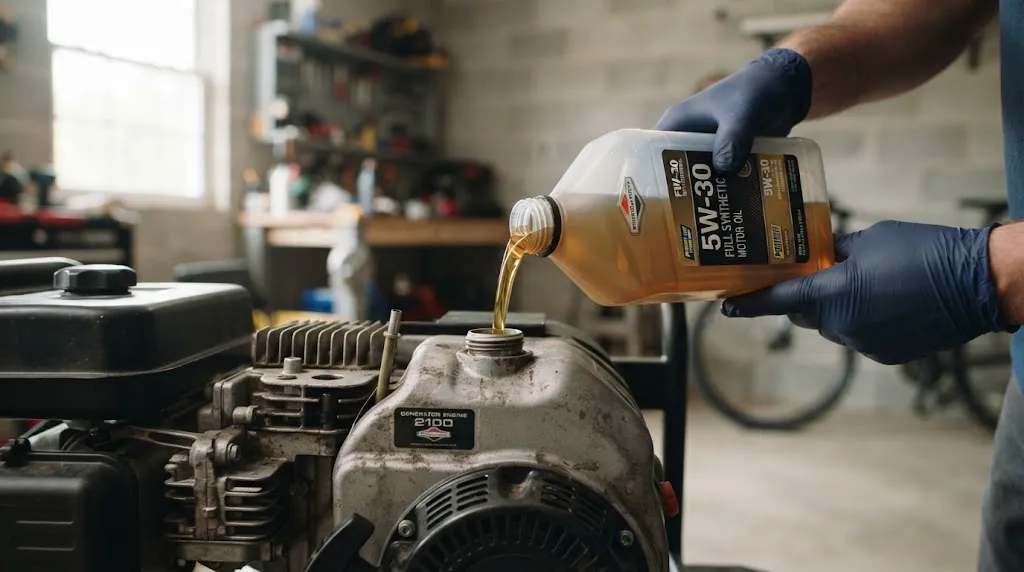
Standard motor oil thickens significantly in sub-freezing temperatures, making it difficult for the pull-start mechanism or electric starter to turn the engine over. Check your owner’s manual to determine if a lower-viscosity oil, such as 5W-30 synthetic, is recommended for cold-weather operation. Synthetic oils flow more easily at low temperatures, reducing engine wear during cold startup.
Building a Proper Cold-Weather Shelter
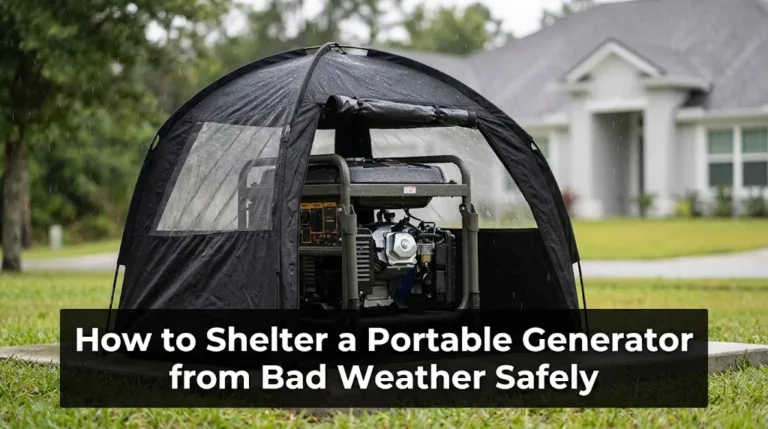
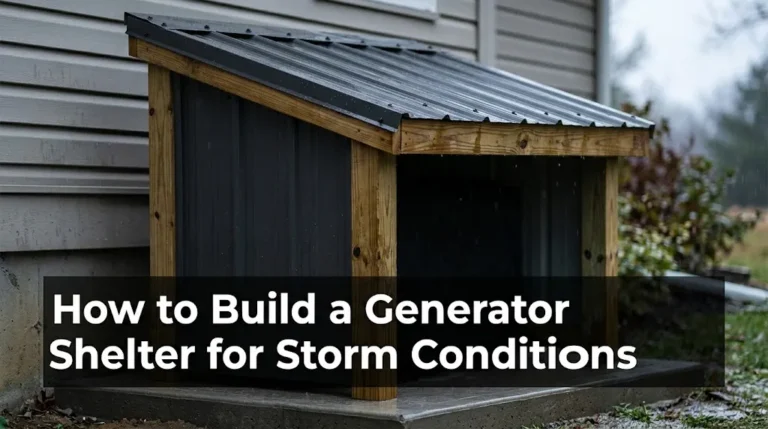
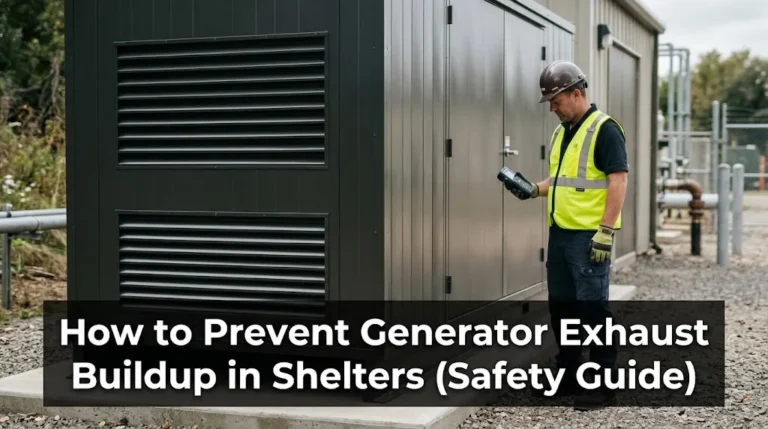
Never run a portable generator inside a garage, shed, or enclosed porch, as carbon monoxide buildup is lethal. However, operating an uncovered generator in heavy snow or freezing rain can cause ice to build up on critical components. Use a specially designed generator tent or build a ventilated, non-flammable open-sided enclosure that protects the unit from direct precipitation while maintaining adequate airflow for exhaust and cooling.
Warning
Never place a snow-covered tarp directly over a running generator. Tarps can drop into hot exhaust components or restrict ventilation, creating severe fire and carbon monoxide hazards.
Managing Fuel Stability in Freezing Conditions
Fuel degradation is one of the leading causes of generator failure after winter. Gasoline begins to break down in as little as 30 days, leaving behind sticky varnish deposits that clog carburetor jets.
If you keep fuel stored for emergency winter use, always mix in a quality fuel stabilizer immediately after purchase. When storing the generator for an extended winter period without use, run the engine until it completely exhausts remaining fuel in the carburetor bowl, or drain the fuel tank entirely to prevent varnish buildup.
Protecting the Battery and Electrical Components
Electric-start portable generators rely on 12-volt batteries that lose cranking power in cold weather. Low temperatures slow down the chemical reactions inside lead-acid batteries, and deep discharges can cause the electrolyte fluid to freeze and crack the battery casing.
If your generator is stored in an unheated shed or garage:
- Disconnect the negative battery terminal if the generator will sit unused for months.
- Connect the battery to a smart trickle charger or maintainer to keep it fully charged.
- Inspect electrical outlets and control panels for moisture accumulation, sealing them against freezing condensation.
How to Store a Generator for the Entire Winter Season
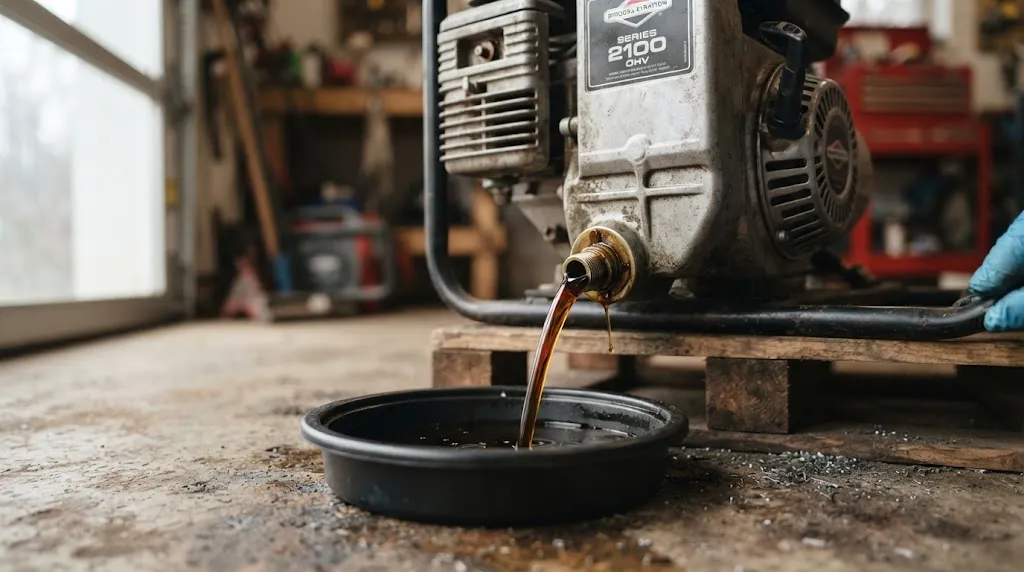
If you do not anticipate needing emergency power during the winter months, proper long-term storage prevents costly spring repairs. Follow these steps to prepare your generator for off-season storage:
- Perform an end-of-season oil change: Drain dirty oil while the engine is warm to remove suspended combustion byproducts that can corrode internal metal surfaces over time.
- Stabilize or drain the fuel: Add a stabilizer and run the engine for five minutes, or completely drain the fuel tank and carburetor float bowl.
- Protect the cylinder: Remove the spark plug, pour a teaspoon of clean engine oil into the cylinder, and pull the starter cord slowly a couple of times to coat the cylinder walls. Reinstall the spark plug loosely.
- Clean the exterior: Wash away dirt, road salt, or debris, and let the unit dry completely before covering.
- Apply a breathable cover: Place a weather-resistant, breathable fabric cover over the generator to keep out dust and moisture while preventing condensation buildup underneath.
Tip
Run your portable generator for 15 to 20 minutes once a month during the winter, even if you do not have an outage. This circulates fresh oil through the engine, charges the battery, and keeps fuel moving through the carburetor.
Common Winter Generator Mistakes to Avoid
Avoiding improper maintenance practices ensures your generator remains dependable:
- Skipping dry runs: Waiting until a blizzard hits to test your generator often reveals dead batteries or gummed-up carburetors.
- Storing fuel incorrectly: Keeping gasoline in unsealed plastic containers allows moisture condensation from ambient temperature swings.
- Ignoring exhaust clearance: Allowing snow banks to pile up around the exhaust outlet can force carbon monoxide backward into living spaces.
Related Product
Weatherproof Generator Cover and Fuel Stabilizer Kit
A heavy-duty, breathable cover protects your generator from snow accumulation, while trusted fuel treatments prevent varnish buildup during cold-weather storage.
As an Amazon Associate, we earn from qualifying purchases.
Frequently Asked Questions
Should I leave gas in my generator during the winter?
If you expect frequent winter storms and need standby readiness, leave treated fuel in the tank and run the generator monthly. If you do not plan to use it all winter, drain the fuel completely to prevent varnish deposits.
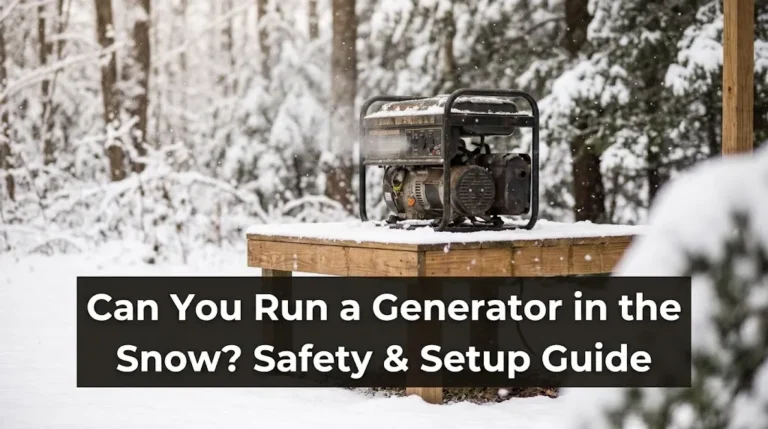
Can I run a portable generator in the snow?
You can run a generator in light snow, but you must protect it from blowing drifts, ice buildup, and moisture entering the electrical outlets. Use a dedicated generator tent or canopy that allows proper ventilation.
How often should I start my generator in cold weather?
Start your generator once a month for about 15 to 20 minutes. Apply a moderate electrical load, such as a space heater or lamp, to ensure the alternator and engine function correctly under working conditions.
Why is my generator hard to start when it is cold?
Cold oil increases engine friction, and low temperatures reduce fuel vaporization in the carburetor. Using winter-grade synthetic oil and ensuring your choke is properly engaged usually resolves cold-starting difficulties.
Does cold weather drain a generator battery?
Yes. Sub-freezing temperatures slow down chemical reactions inside lead-acid batteries, reducing their cranking capacity. Using a battery maintainer during storage keeps the battery fully charged and ready for winter use.
What type of oil should I use in cold weather?
Consult your owner’s manual, but many manufacturers recommend switching to a synthetic 5W-30 motor oil when operating equipment consistently in freezing temperatures because it maintains better flow than standard 10W-30.
Conclusion
Protecting your portable generator during winter requires proactive maintenance, proper fluid management, and safe operating shelters. By treating stored fuel, maintaining the battery, switching to cold-weather oil viscosity, and shielding the unit from heavy snow, you ensure dependable backup power when winter storms strike. Regular monthly test runs further guarantee that your equipment remains ready to perform reliably throughout the freezing season.

Hi, I’m Michael Turner. I own a generator workshop in the United States and founded HomeGeneratorBlog to share practical, hands-on guidance about generator installation, maintenance, troubleshooting, safety, and backup power solutions. My goal is to help homeowners make smarter, more confident decisions through clear and reliable information