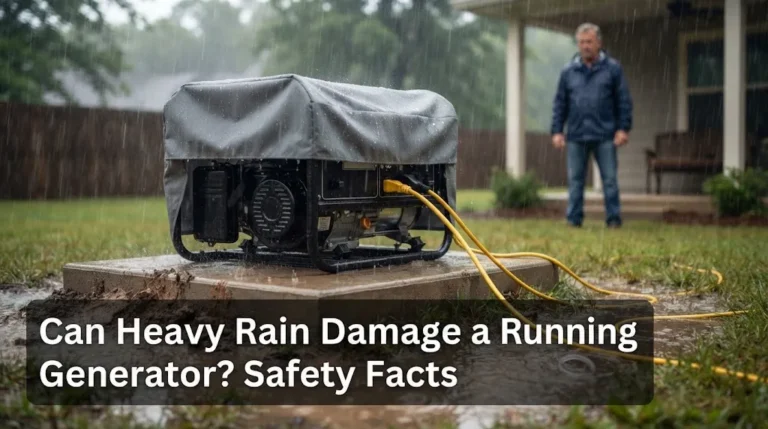
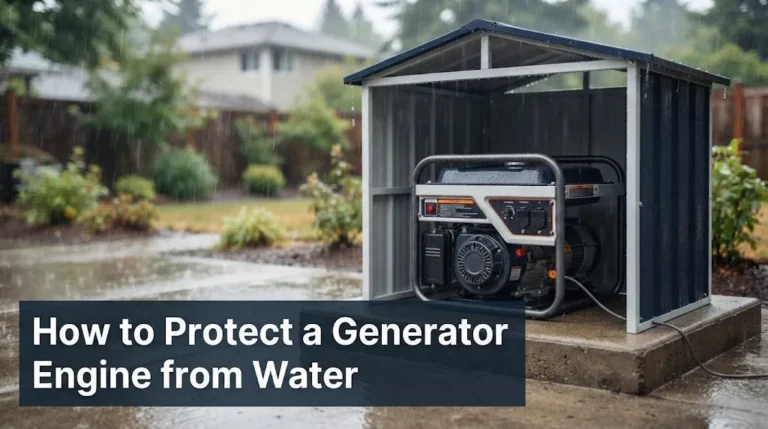
Temporary vs Portable Generator Shelter: What’s the Difference?
Quick Answer
A temporary generator shelter is designed for quick, short-term deployment using basic materials like tarps or pop-up canopies during emergencies, whereas a portable generator shelter (often called a running cover or tent) is a semi-permanent, weather-resistant enclosure engineered to protect a portable unit while it actively operates outdoors in rain, snow, or high winds.
Understanding the Core Differences in Generator Protection
When backup power is needed during an outage, protecting your equipment from the elements is essential for safety and performance. However, not all shelters serve the same purpose. Choosing between a temporary setup and a dedicated portable generator shelter depends entirely on how long you need protection, weather conditions during operation, and your budget.
A temporary shelter is typically improvised using materials on hand—such as standard tarpaulins, PVC frames, or modified storage sheds—built specifically to keep rain off a machine that may or may not be running. In contrast, a portable generator tent or running cover is specifically manufactured to allow a portable generator to run safely outdoors while shielding the engine, electrical panel, and fuel tank from moisture without causing overheating or exhaust buildup.
What Is a Temporary Generator Shelter?
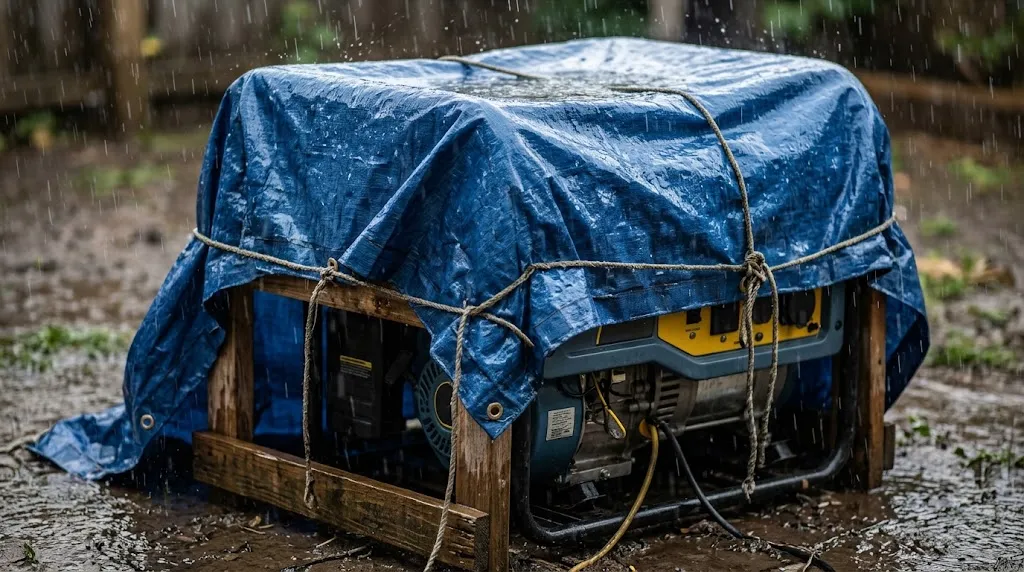
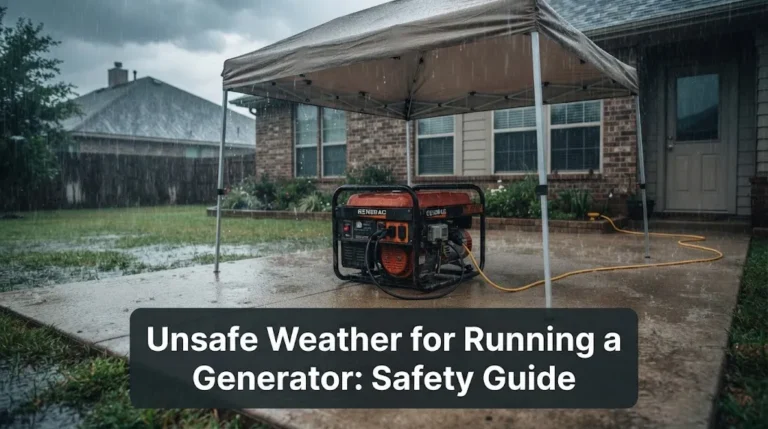
A temporary generator shelter is an ad-hoc or makeshift structure put together quickly to shield a generator from sudden downpours or heavy snow. These are commonly built during active power outages when commercial enclosures are unavailable.
Common Materials and Designs
Most temporary shelters rely on basic household or hardware store items:
- Heavy-duty poly tarps secured with stakes, bungee cords, or weighted blocks.
- Modified plastic storage sheds or upside-down large bins positioned over the unit.
- Improvised PVC pipe or wooden frames draped with weather-resistant sheeting.
Key Limitations and Risks
While quick to assemble, temporary shelters carry significant safety risks if improperly designed. The most critical danger is carbon monoxide (CO) accumulation or fire hazards.
Warning
Never enclose a running generator on all sides with a standard tarp or place it inside a closed garage, shed, or porch. Generators produce lethal levels of carbon monoxide gas that must be allowed to dissipate freely into open air.
What Is a Portable Generator Shelter?
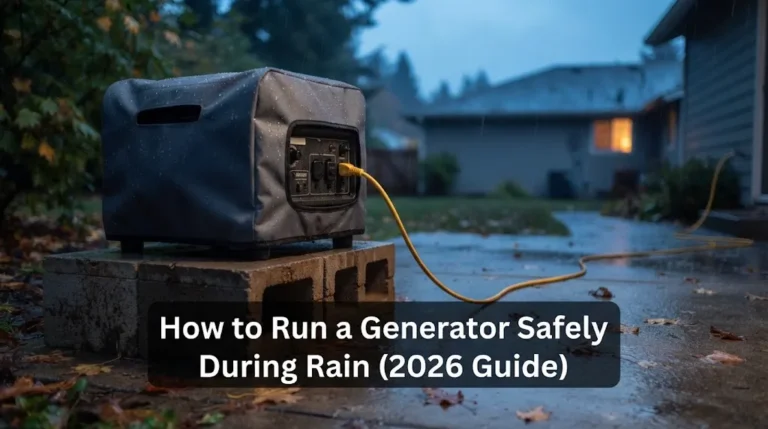
A portable generator shelter—often referred to as a running cover, tent, or canopy enclosure—is engineered explicitly for portable generators while they are in operation. Unlike storage sheds meant to cover a machine only when turned off, a running cover stays on the unit while it generates electricity.
Design and Ventilation Features
These specialized covers feature marine-grade, fire-retardant fabric stretched over a rust-resistant metal frame that clamps directly onto the generator’s tubular steel frame. Key characteristics include:
- Open or mesh skirting: Allows unrestricted airflow around the alternator and engine block to prevent overheating.
- Roll-away flaps: Provide instant access to control panels, starting mechanisms, and fuel caps without dismantling the entire structure.
- Sloped roof design: Sheds rain and snow efficiently away from hot exhaust areas.
Key Insight
A true running shelter is designed to withstand harsh weather—including winds up to 50 mph and heavy snowfall—while maintaining the vital ventilation required to keep the generator operating at safe temperatures.
Direct Comparison: Temporary vs. Portable Generator Shelters
Evaluating the differences side-by-side helps clarify which option fits specific emergency preparedness needs or budget constraints.
| Feature | Temporary Shelter | Portable Generator Shelter |
|---|---|---|
| Primary Purpose | Improvised protection from sudden rain or snow. | Safe, continuous operation during severe weather. |
| Running State | Often used while resting or risky when running. | Specifically engineered to stay on while running. |
| Ventilation Control | Difficult to gauge; high risk of heat buildup or CO trap. | Engineered exhaust clearance and breathable fabric walls. |
| Durability & Stability | Low; vulnerable to high winds and collapsing weight. | High; securely clamps to unit frame and resists wind loads. |
| Cost | Very low (uses scrap or common household items). | Moderate ($100 to $250 depending on generator size). |
Reviewing these distinctions shows that makeshift tarps are acceptable only as a short-term stopgap when no other choice exists, whereas manufactured tents provide long-term reliability during multi-day grid failures.
Safety Guidelines for Any Generator Enclosure
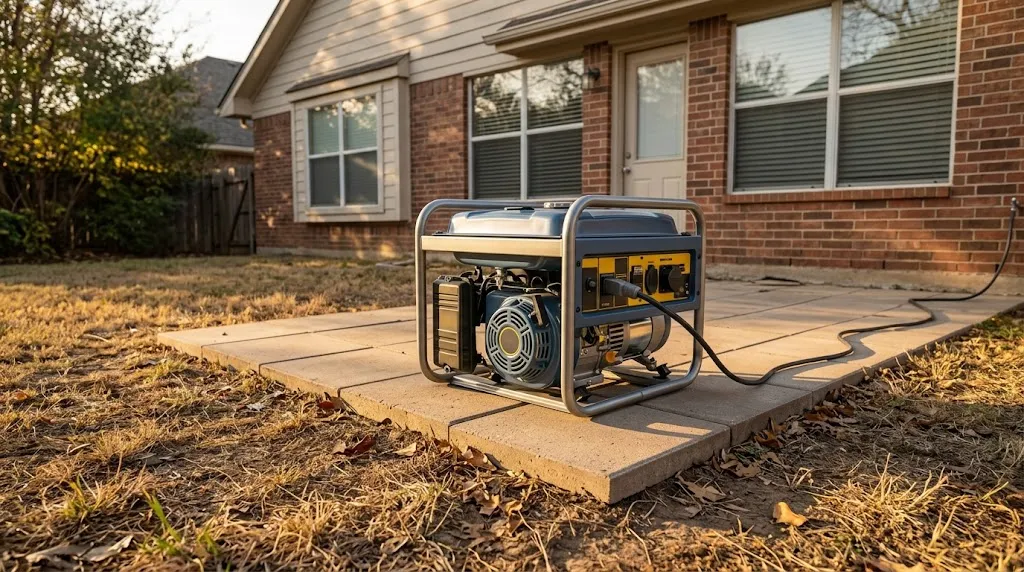
Regardless of whether a shelter is improvised or purchased commercially, strict safety protocols must be followed to prevent electrical shock, fire, or carbon monoxide poisoning.
Maintaining Safe Distance from Structures
No generator shelter—temporary or portable—should ever be placed directly against a house, garage, or enclosed patio. Generators must operate at least 15 to 20 feet away from open windows, doors, and vents, with the exhaust pointing away from living spaces.
Managing Moisture and Grounding
Running electrical equipment outdoors in wet weather increases the risk of ground faults. Ensure the generator is placed on a dry, elevated, or well-drained surface such as concrete pavers or wooden boards. Never let water pool directly beneath the alternator housing or power outlets.
Tip
Always test your carbon monoxide detectors indoors before starting a generator during a storm. Even with a well-ventilated shelter, shifting wind directions can push exhaust fumes toward building entry points.
How to Choose Between the Two Options
Deciding which shelter model to use depends heavily on frequency of use and local climate patterns.
If power outages are extremely rare in your region—occurring perhaps once every few years—building a careful temporary shelter using a frame that keeps tarps well clear of hot exhaust pipes can suffice for a single emergency. However, if you live in an area prone to frequent hurricanes, heavy winter ice storms, or extended grid instability, investing in a dedicated portable generator running tent saves time, eliminates guesswork, and protects expensive equipment from water damage.
Proper planning ensures your backup power source remains operational when standard utilities fail, protecting both your investment and your household safety.
Related Product
Portable Generator Running Tent Cover
A weather-resistant running cover shields your portable generator from rain and snow while maintaining safe airflow during operation.
As an Amazon Associate, we earn from qualifying purchases.
Frequently Asked Questions
Can I run a portable generator under a standard blue tarp?
Running a generator under a standard flat tarp is dangerous unless the tarp is rigidly framed several feet above the unit to prevent heat concentration and exhaust trapping. Standard tarps can easily sag into hot exhaust components, creating severe fire hazards.
Do portable generator shelters protect against heavy snow loads?
Quality running shelters feature reinforced steel frames and steep pitched roofs specifically engineered to shed snow accumulation. Improvised temporary shelters often collapse under wet, heavy snowfall, which can damage the generator frame or rupture fuel lines.
Will a running cover void my generator warranty?
Using a certified running cover designed specifically for portable generators does not void manufacturer warranties. However, enclosing a generator in an unapproved shed or airtight box that causes engine overheating can lead to denial of warranty claims.
How do I refuel my generator while it is inside a running shelter?
Most commercial running shelters feature quick-access Velcro or zippered flaps directly above the fuel tank. Always shut down the generator, let the engine cool for a few minutes, and refuel carefully to avoid spilling gasoline onto hot engine parts.
Can I leave a portable generator shelter outside permanently?
While generator tents are weather-resistant and UV-protected, leaving them exposed to intense sun, rain, and wind year-round will degrade the fabric over time. It is best to disassemble or store the cover when the storm season passes.
How much clearance do I need around a generator inside a shelter?
Manufacturers typically recommend at least 3 to 5 feet of clear space on all sides of a running generator to ensure adequate intake and exhaust airflow and to prevent heat damage to nearby objects.
Conclusion
Choosing the right shelter for your portable generator ensures your emergency power setup remains both functional and safe during severe weather. While makeshift temporary covers work in a pinch, purpose-built running shelters offer superior durability, weather resistance, and proper ventilation while the engine operates. Prioritizing correct placement distance, adequate airflow, and reliable shelter design prevents equipment damage and keeps your household protected when the power grid goes down.

Hi, I’m Michael Turner. I own a generator workshop in the United States and founded HomeGeneratorBlog to share practical, hands-on guidance about generator installation, maintenance, troubleshooting, safety, and backup power solutions. My goal is to help homeowners make smarter, more confident decisions through clear and reliable information