How to Keep Generator Exhaust Clear in a Shelter Safely
Quick Answer
To keep exhaust clear when sheltering a portable generator, you must vent the exhaust completely outside the enclosure using rigid, high-temperature metal exhaust piping, maintain adequate clearance around the entire unit to prevent heat buildup, and use forced-air ventilation or active cooling fans to push toxic fumes and hot air away from the shelter.
Understanding the Hazards of Generator Shelters
Operating a portable generator inside an enclosure, shed, or makeshift shelter introduces severe safety risks if exhaust management is ignored. Gasoline, diesel, and dual-fuel generators produce large quantities of carbon monoxide (CO), a colorless, odorless gas that can accumulate rapidly in enclosed or partially confined spaces. Beyond toxic emissions, small engines generate intense heat and require a continuous supply of fresh air for combustion and cooling.
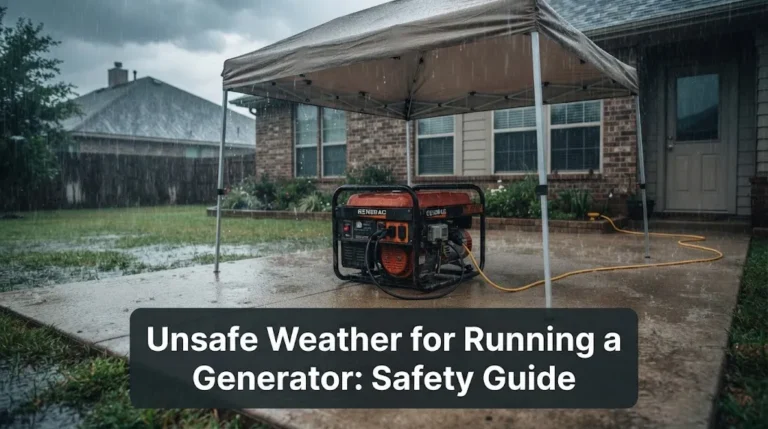
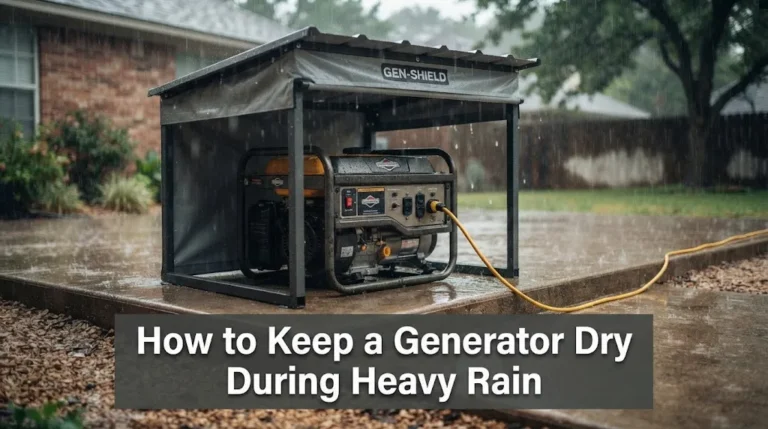
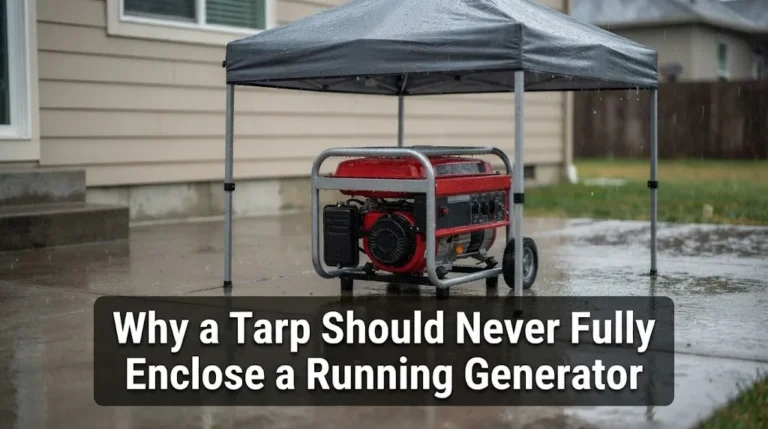
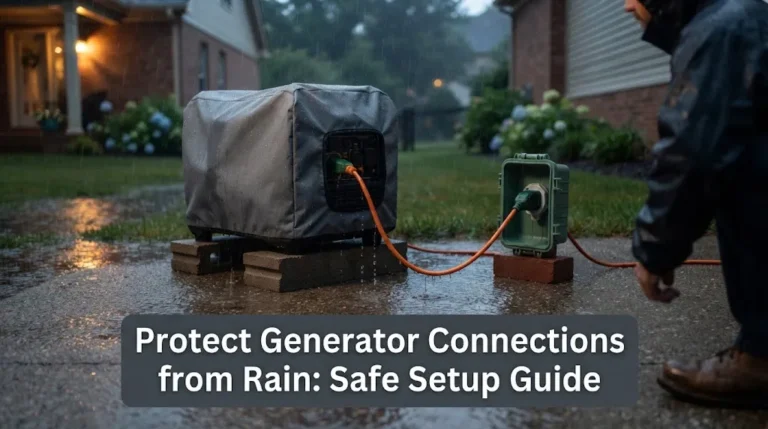
When a generator is placed inside a protective structure to guard against rain, snow, or theft, the enclosure restricts natural airflow. Without proper engineering, exhaust gases can leak back into the shelter, superheat the engine, or create a dangerous fire hazard. Managing generator exhaust requires a strict combination of sealed exhaust extensions, high-temperature insulation, and dedicated cross-ventilation.
The primary goal is ensuring that every ounce of exhaust gas is discharged safely into the open atmosphere well away from any doors, windows, air intakes, or structural overhangs. Achieving this safely requires understanding how exhaust systems interact with generator backpressure, shelter materials, and thermal dynamics.
Designing a Safe Exhaust Venting System
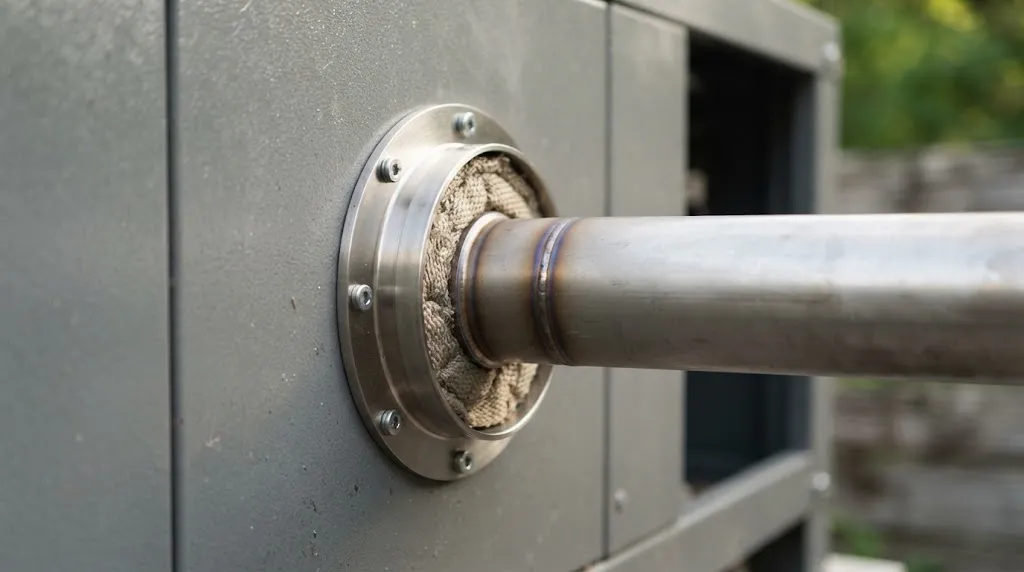
Directing exhaust out of a shelter requires rigid components designed specifically for high-temperature internal combustion engines. Standard rubber hoses, plastic tubing, or flexible dryer ducts will melt, degrade, or leak toxic gases under extreme exhaust temperatures.
When installing a through-wall or through-roof exhaust extension, use heavy-gauge steel or stainless steel tubing matched to the outer diameter of the generator’s factory muffler outlet. Never reduce the pipe diameter, as restricted piping increases backpressure, which can cause engine damage, rough running, or overheating.
Using Flexible Connector Sections
Engine vibration is a major challenge when plumbing a rigid exhaust line. Generators vibrate constantly while running, while fixed shelters remain stationary. Connecting a rigid pipe directly from the muffler to a rigid wall penetration will cause stress cracks in the exhaust manifold or muffler flange.
To solve this, use a short section of flexible, corrugated stainless steel exhaust connector designed for small engines directly at the muffler outlet. This flexible section absorbs engine vibrations before they transfer to the rigid wall-mounted pipe.
Maintaining Thermal Clearance
Exhaust pipes reach extreme temperatures capable of igniting wood, siding, and roofing materials. Whenever an exhaust pipe passes through a wall, roof, or enclosure boundary, use a certified insulated wall thimble or fire-rated pass-through fitting.
Maintain a minimum clearance of several inches between hot exhaust pipes and any combustible material. Wrapping the pipe near structural components with high-temperature fiberglass or ceramic insulation blanket adds an extra layer of fire prevention.
Warning
Never route generator exhaust into an attached garage, crawlspace, or indoor living area, even if you believe the pipe is sealed. Micro-leaks in exhaust joints can release lethal carbon monoxide into enclosed spaces within minutes.
Establishing Proper Shelter Ventilation and Airflow
Clearing exhaust gas is only half the battle; a generator shelter must also breathe. Internal combustion engines require fresh oxygen to maintain efficient combustion, and the alternator and engine block generate massive amounts of radiant heat that must be continuously exhausted.
If a shelter is completely airtight except for the exhaust pipe, the engine will quickly starve for oxygen, sputter, and stall. Worse, ambient temperatures inside the enclosure will skyrocket, causing the generator’s inverter or control board to overheat and shut down automatically.
Calculating Intake and Exhaust Vent Sizing
A properly ventilated shelter requires dedicated low-level air intake vents and high-level exhaust vents. Air should enter near the floor level on the side facing prevailing winds and exit near the roofline.
As a general rule for generator enclosures, the total net free area of the intake and exhaust vents should be at least double the cross-sectional area of the generator’s cooling fan footprint. Louvered vents with pest screens work well, provided they remain unobstructed by snow, debris, or storage items.
Integrating Active Exhaust Fans
Passive louvers may not provide enough airflow during hot weather or heavy electrical loads. Installing an electrically powered, high-temperature exhaust fan or inline blower controlled by a thermostat ensures continuous air exchange.
Position the active fan near the top of the shelter to pull hot air and stray fumes out of the enclosure. Ensure any electrical fans are wired safely and powered independently so they do not overload the generator circuits they are cooling.
Step-by-Step Generator Shelter Exhaust Setup
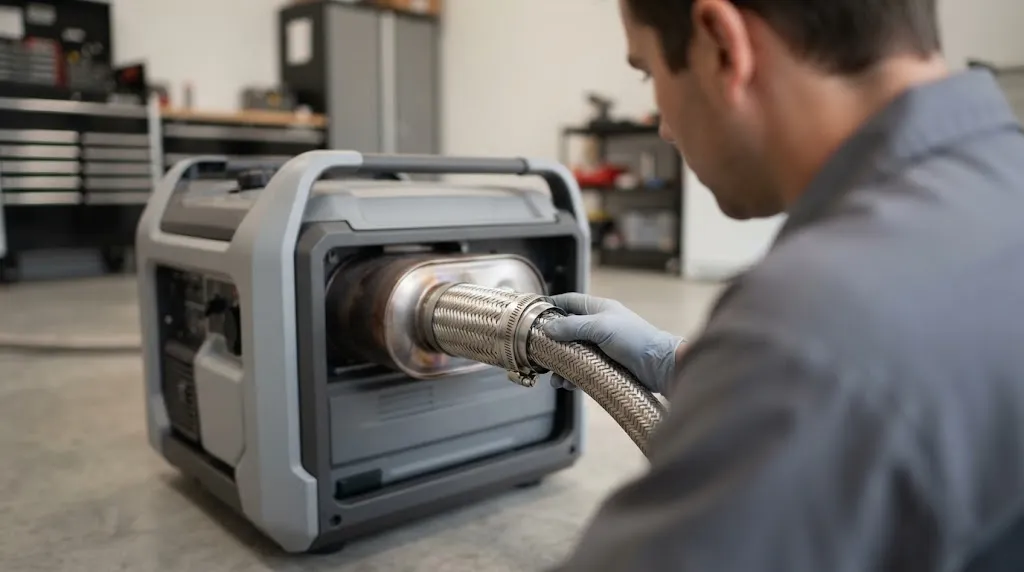
Setting up a secure, clear exhaust system within a generator enclosure requires a methodical, step-by-step approach to prevent leaks, fires, and equipment failure.
- Measure and Align: Position the generator inside the shelter in its permanent operating location, ensuring precise alignment between the factory muffler and the intended exit wall.
- Install the Flexible Adapter: Attach a high-temperature flexible stainless steel adapter securely to the generator’s muffler outlet using a heavy-duty exhaust clamp.
- Mount the Wall Thimble: Cut the penetration hole in the shelter wall or roof, install a certified fire-rated wall thimble, and seal the exterior edges against weather infiltration.
- Connect Rigid Piping: Run rigid steel or stainless steel pipe from the flexible adapter through the wall thimble, ensuring at least two inches of clearance from all framing.
- Extend Past the Eaves: Continue the exterior pipe so that the exhaust outlet terminates at least three feet away from any windows, doors, vents, or building overhangs.
- Install Intake Vents: Cut low-level intake vents on the opposite side of the shelter to supply continuous fresh air for engine combustion and cooling.
- Test and Monitor: Start the generator in a dry run, inspect all joints for exhaust leaks using a smoke pencil or soapy water test, and monitor internal shelter temperatures.
Common Mistakes to Avoid When Sheltering Generators
Many generator shelter failures stem from shortcuts that compromise safety or equipment longevity. Avoiding these common errors ensures reliable backup power without hazardous side effects.
- Using Automotive Exhaust Parts: Standard car exhaust parts are often too heavy for portable generator frames and can crack smaller engine manifolds under vibration stress.
- Ignoring Wind Direction: Terminating an exhaust pipe right beneath a roof soffit allows wind eddies to push toxic gases right back inside the shelter and home.
- Neglecting Maintenance Checks: Soot buildup, insect nests in exhaust pipes, and loose flange clamps can create sudden restrictions or leaks over time.
- Sealing the Shelter Too Tightly: Failing to provide low-level fresh air intake vents causes oxygen starvation, rough engine performance, and rapid overheating.
- Skipping Carbon Monoxide Alarms: Operating any generator shelter without placing a tested, battery-operated carbon monoxide detector inside the home near living spaces is a severe safety risk.
Tip
Always inspect your generator exhaust setup and clean any intake screens before storm season or extended grid outages when you will rely on the unit the most.
Frequently Asked Questions
Can I use PVC pipe for a generator exhaust extension?
No. PVC, ABS, and standard plastic pipes melt instantly under hot engine exhaust temperatures and will release toxic plastic fumes. Only use heavy-gauge steel or stainless steel exhaust components.
How far away from the house should the exhaust terminate?
The exhaust outlet should terminate at least five to ten feet away from any operational windows, doors, crawlspace vents, or fresh air intakes to prevent carbon monoxide from drifting indoors.
Does a generator running in a shelter need a spark arrestor?
Yes. Many portable generators come with a factory spark arrestor inside the muffler, but when venting through an enclosure, maintaining an approved spark arrestor is crucial to prevent stray sparks from igniting surrounding dry brush or structure materials.
How do I prevent rain from entering the exterior exhaust pipe?
You can install a spring-loaded exhaust flapper cap, a weighted rain cap, or route the final exterior pipe section downward with a 45-degree cut and a small drain hole at the lowest elbow.
Will extending the exhaust pipe damage my generator engine?
An overly long or restricted exhaust pipe creates backpressure that reduces engine power and causes overheating. Keep your exhaust run as short and straight as possible, matching the diameter of the factory outlet.
What is the safest type of shelter for a portable generator?
Pre-fabricated metal generator tents, ventilated utility sheds built with non-combustible cement board siding, or specially designed operational enclosures with louvered doors offer the best balance of weather protection and safety.
Related Product
Generator Exhaust Extension Kits
Flexible stainless steel tubing and through-wall fittings designed to safely route toxic exhaust fumes away from generator enclosures.
As an Amazon Associate, we earn from qualifying purchases.
Conclusion
Keeping generator exhaust clear when utilizing a shelter requires balancing structural protection with rigorous ventilation and heat management. By utilizing rigid metal piping, flexible vibration decouplers, dedicated intake and exhaust louvers, and strict clearance practices, you can safely protect your equipment from weather without creating toxic or fire hazards. Prioritizing correct airflow and exhaust routing ensures your generator runs efficiently and safely whenever emergency backup power is needed.

Hi, I’m Michael Turner. I own a generator workshop in the United States and founded HomeGeneratorBlog to share practical, hands-on guidance about generator installation, maintenance, troubleshooting, safety, and backup power solutions. My goal is to help homeowners make smarter, more confident decisions through clear and reliable information