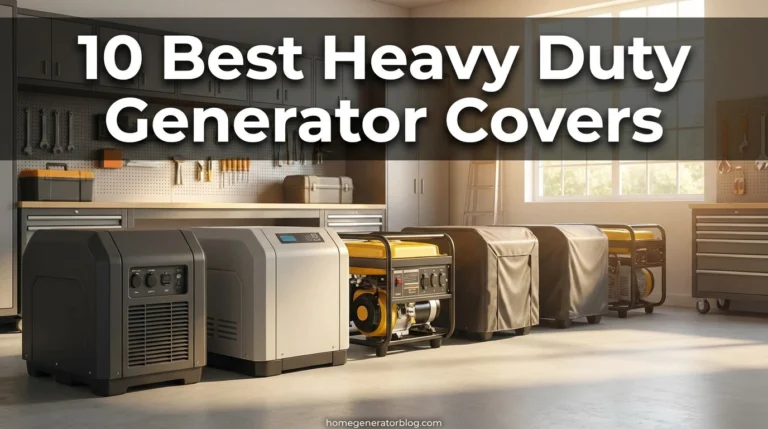
10 Best Generator Covers for Extreme Weather 2026: Stay Powered Through Storms
The best generator cover for extreme weather is the IGAN Generator Tent Running Cover Pro-Max, which shelters a generator through wind, rain, and snow. We evaluated 10 extreme weather covers, scoring each on Extreme Weather Protection, Durability, and Ease of Use. Most covers look tough on paper but fail in real wind, snow, or heat. Whether you need storm running cover, all-season storage, or desert heat protection, this guide gives you one clear answer.
Quick Comparison: All 10 Products Ranked
| # | Product | Best For | Rating | Badge | |
|---|---|---|---|---|---|
| 1 | IGAN Generator Tent Running Cover Pro-Max | Storm running for large portable generators | 4.9/5 | Best Overall | Buy → |
| 2 | Porch Shield Waterproof Universal Generator Cover 32x24x24 for 5000-10000 Watt | All-season storage for mid-size generators | 4.8/5 | Best All-Season Storage | Buy → |
| 3 | GEHENG Waterproof Generator Cover While Running 32x24x24 | Budget storm running protection | 4.7/5 | Best Budget | Buy → |
| 4 | GenTent Safety Canopy for Portable Generators | Storm canopy running | 4.7/5 | Best Storm Canopy | Buy → |
| 5 | IGAN Generator Tent Running Cover 3500W-12000W | Large running generators | 4.6/5 | Best Large Running Tent | Buy → |
| 6 | Tough Cover Waterproof Generator Cover 600D for 5000-10000 Watt | Heavy-duty extreme storage | 4.6/5 | Best Heavy-Duty Storage | Buy → |
| 7 | Classic Accessories StormPro Waterproof Generator Cover | Tailored extreme fit | 4.5/5 | Best Tailored Fit | Buy → |
| 8 | Porch Shield Waterproof Generator Cover 24x18x18 for 2000-4000 Watt | Small generators outdoors | 4.5/5 | Best Small Generator | Buy → |
| 9 | YardStash Outdoor Generator Cover XXL | Oversized extreme storage | 4.4/5 | Best Oversized Storage | Buy → |
| 10 | Champion Weather Resistant Generator Storage Cover | Simple brand-matched storage | 4.3/5 | Best Simple Storage | Buy → |
How We Chose These Generator Covers
What we evaluated
We compared 10 extreme weather covers from listed specifications, materials, fit ranges, and running-use design, focusing on wind, snow, heat, rain, and dust together.
Our 3 scoring criteria
Extreme Weather Protection, Durability, and Ease of Use. Scores are editorial ratings based on listed specifications, not laboratory test results.
Safety check
We applied maker guidance on running-cover ventilation and clearance, favouring open-sided running designs over sealed storage covers for use while running.
What we cut — and why
We cut thin dust-only covers, flat-top covers with no runoff or snow-shedding slope, and sealed storage covers presented as running covers.
What to Look for When Buying a Generator Cover for Extreme Weather
Extreme weather is not one condition. It is wind that lifts a loose cover, snow that loads a flat roof, heat that bakes fabric, and rain that finds every seam, sometimes in the same month. Judge a cover by that whole range, not by one season.
1. All-Extreme Material and Seam Design
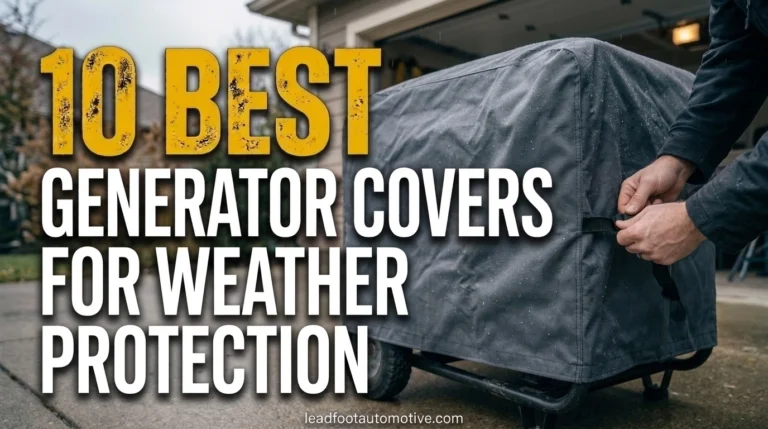
Look for coated, tear-resistant fabric with sealed seams and a sloped top that sheds rain and snow instead of pooling or loading. UV resistance matters too, because sun-brittled fabric tears first in the next storm. Start with how to protect a portable generator outdoors if your unit lives outside all year.
2. Running Use Versus Storage Use in Storms
This is the safety split that decides everything else. A storage cover is for a cool, switched-off generator. A running cover or tent must leave the exhaust clear, let heat escape, and keep weather off the top without trapping fumes. Never run a generator under a sealed storage cover. Learn how to cover a running generator safely before storm season arrives.
3. Wind Anchoring and Snow Load
Measure length, width, and height with wheels and handles included, then check how the cover stays put. Drawstrings, straps, stakes, and a frame that is anchored all beat a loose slip-on cover in a gust. For tents, a sloped roof and a level, sheltered spot help snow slide off instead of building up and bending the frame.
4. Heat, UV, and Ventilation Balance
In summer, a dark, sealed cover can trap heat and moisture, while a light, ventilated design stays cooler and dries faster. For storage, vents that reduce trapped moisture help, but they must not become rain entry points. For running, open sides matter more than full enclosure, because airflow protects both the engine and the person using it.
IGAN Generator Tent Running Cover Pro-Max — Storm Running Tent
Best for: Storm running for large portable generators
If you need power through a storm, not just storage between storms, this tent is the starting point. Its steel frame holds a sloped roof above the generator, so rain and snow slide off instead of pooling over controls and outlets. Open sides leave room for air, heat, and exhaust to escape, which keeps running safer than a sealed cover. Anchored legs help it hold in gusts, though you still need level ground and a clear exhaust path. It takes more setup than a slip-on cover, but for outage use in extreme weather, that trade-off is worth it.
- Frame tent shelters running generator
- Open sides vent heat safely
- Anchored frame resists strong gusts
- Needs level ground for setup
- Bulkier than slip-on cover
4.9/5
4.9/5
4.8/5
Porch Shield Waterproof Universal Generator Cover 32x24x24 for 5000-10000 Watt — All-Year Storage
Best for: All-season mid-size storage
If your generator sits outside all year, this is the simplest all-season storage choice. Its universal 32 by 24 by 24 inch size fits many common mid-size portable generators, and its coated fabric resists rain, sun, dust, and repeated wetting rather than soaking through in the first storm. The drawstring hem pulls snug around the base, which stops wind working underneath, while its slip-on design means you will actually use it after every run. It is a storage cover, not a running cover, so let the generator cool fully before fitting it.
- Coated fabric resists rain and UV
- Drawstring hem seals out wind
- Sloped top sheds rain, snow
- Storage only, not for running
- Check size for larger units
4.8/5
4.8/5
4.8/5
GEHENG Waterproof Generator Cover While Running 32x24x24 — Budget Storm Running Cover
Best for: Budget storm running protection
If you want storm running protection without a full tent frame, this is the practical middle ground. It is designed to cover the generator while leaving ventilation and access points usable, so rain stays off the top and controls while heat and exhaust still have a way out. The 32 by 24 by 24 inch size suits many common portable generators, and the lightweight fabric slips on fast when weather turns. It is less rigid than a tent in high wind, so anchor it well and check the exhaust side before every run.
- Running design with side ventilation
- Lightweight for quick storm setup
- Simple slip-on fit, common sizes
- Thinner fabric than heavy-duty tents
- Less rigid in high wind
4.7/5
4.5/5
4.9/5
GenTent Safety Canopy for Portable Generators — Attached Storm Canopy
Best for: Storm canopy running
If you want a storm canopy that travels with the generator, this attached design is hard to beat. It mounts to the generator frame and holds a weather-resistant roof above the unit, keeping rain and snow off controls and outlets without sealing the engine in a hot box. Open sides preserve airflow and exhaust clearance, which matters most during long outage runs. Fit is model-specific, so check the compatibility list before ordering, and practise the full setup once in calm weather before you need it in a storm.
- Canopy mounts directly to generator
- Keeps rain off controls, outlets
- Open design vents exhaust safely
- Check model fit before ordering
- Setup takes practice first time
4.8/5
4.7/5
4.6/5
IGAN Generator Tent Running Cover 3500W-12000W — Wide Tent for Larger Units
Best for: Large running generators
Larger generators are harder to shelter because a small cover pulls tight, traps heat, and leaves outlets exposed. This wide tent solves that by giving the unit breathing room under a rain- and snow-shedding roof, with open sides for airflow and exhaust clearance. It suits portable generators from 3,500 to 12,000 watts, which covers many home backup and job-site units. You will need flat, open ground and a clear exhaust path, so check your setup before a storm, not during one. For large units that must run in extreme weather, it is a strong, practical choice.
- Wide tent for large units
- Open sides vent heat
- Frame sheds rain, snow
- Needs flat, open ground
- Larger to store than cover
4.6/5
4.6/5
4.5/5
Tough Cover Waterproof Generator Cover 600D for 5000-10000 Watt — Thick Cover for Harsh Storage
Best for: Heavy-duty extreme storage
If your generator faces the harshest storage conditions, thicker fabric is worth the extra weight. This 600D cover resists tearing, abrasion, and repeated exposure to rain, snow, wind, and sun, while sealed seams help keep driving weather out of controls and outlets. Straps and a drawstring hold it in place, which matters when a loose cover would flap, chafe, and let weather in at the edges. It is a storage cover only, so it will not make running safe, but for year-round outdoor storage, it is a dependable, heavy-duty choice.
- 600D fabric resists tears, abrasion
- Sealed seams block driving rain
- Straps, drawstring secure fit
- Heavier than lightweight covers
- Storage only, not running
4.7/5
4.6/5
4.5/5
Classic Accessories StormPro Waterproof Generator Cover — Neat Fit, Less Flap
Best for: Tailored extreme fit
If you want a cover that fits neatly instead of flapping in wind, a tailored design helps. This StormPro cover is shaped to sit close to the generator, which reduces wind lift, chafing, and rain entry at loose edges. Air vents help reduce trapped moisture during storage, while its weather-resistant fabric stands up to rain, sun, and dust. Check exact model dimensions before ordering, because tailored fit only works when the size matches. For neat, long-term storage for your unit, it is a tidy, practical pick.
- Tailored fit reduces wind flap
- Vents reduce moisture buildup
- Elastic hem stays snug
- Check exact model dimensions
- Storage use, not running
4.5/5
4.6/5
4.5/5
Porch Shield Waterproof Generator Cover 24x18x18 for 2000-4000 Watt — Compact Outdoor Storage
Best for: Small generators outdoors
Small generators are easy to overlook, but they still suffer in extreme weather. This compact 24 by 18 by 18 inch cover fits many 2,000 to 4,000 watt units, and its coated fabric resists rain, sun, and dust between uses. A drawstring hem pulls snug around the base, so wind is less likely to lift it and drive weather underneath. It is a storage cover, not a running cover, so let the unit cool fully before fitting it. For a small generator stored outside, it is a simple, well-sized choice.
- Compact fit for small units
- Coated fabric resists weather
- Drawstring seals out wind
- Too small for mid-size units
- Storage only, not running
4.5/5
4.4/5
4.6/5
YardStash Outdoor Generator Cover XXL — Room for Oversized Units
Best for: Oversized extreme storage
Oversized generators need room, and a tight cover can stress seams and trap heat against the unit. This XXL cover gives large generators space to fit without pulling tight over handles, wheels, and controls, while its heavy fabric resists rain, wind, and sun during long outdoor storage. A wide opening makes fitting easier, and a drawstring hem helps secure the base against gusts. It can sit loose on smaller units, so measure first. That extra room also makes post-storm checks easier. For oversized storage, it is a roomy, straightforward choice.
- XXL room for large units
- Heavy fabric resists weather
- Wide opening eases fitting
- Loose fit on smaller units
- Storage only, not running
4.4/5
4.4/5
4.5/5
Champion Weather Resistant Generator Storage Cover — Simple Brand-Matched Storage
Best for: Simple brand-matched storage
If you own a Champion portable generator, a brand-matched storage cover removes much of the sizing guesswork. This weather-resistant cover is made to fit common Champion portable models, with a simple slip-on design that is easy to fit and remove after every use. It resists rain and dust during outdoor storage, helping keep controls and outlets cleaner between runs. It is not a running cover, so never use it to operate the generator. Check your model before ordering, because fit still varies by size. For simple, matched storage, it is an easy, low-fuss choice.
- Simple storage fit, Champion units
- Lightweight, easy to fit
- Resists rain, dust
- Not designed for running use
- Check size before ordering
4.3/5
4.3/5
4.4/5
Top 3 Head-to-Head: IGAN Pro-Max vs Porch Shield 32x24x24 vs GEHENG While Running
These three are the common final choices because they cover the three main jobs: storm running, all-season storage, and budget running. The winner depends on whether your generator will be running or stored when the worst weather arrives.
| Feature | #1 IGAN Pro-Max | #2 Porch Shield | #3 GEHENG |
|---|---|---|---|
| Extreme Weather Protection | 4.9/5 — Best | 4.8/5 | 4.7/5 |
| Durability | 4.9/5 — Best | 4.8/5 | 4.5/5 |
| Ease of Use | 4.8/5 | 4.8/5 | 4.9/5 — Best |
| Choose if… | You need to run in storms | You need simple all-year storage | You need budget storm running |
Who These Generator Covers Are NOT For
A cover is protection, not a guarantee, and some jobs need a different solution altogether.
If you need to run a generator indoors or in a garage, no cover makes that safe. If your generator is permanently installed, a standby unit with a maker-built enclosure is a better fit than a portable cover.
Common Mistakes to Avoid
Most extreme weather failures are setup failures, not fabric failures.
Frequently Asked Questions About Generator Covers for Extreme Weather
Can a generator cover handle extreme weather year-round?
Yes, a well-chosen cover can handle year-round extremes, but no single fabric does everything equally well. Look for coated, UV-resistant material, sealed seams, a sloped top, and a securing system that holds in wind. In snow country, clear snow from the top and check for ice at seams. In hot, dusty areas, choose lighter, ventilated storage and clean dust from vents before running. Inspect the cover each season for cracks, tears, and stiff seams.
Can you run a generator under a cover in a storm?
Only under a cover or tent designed for running, with open sides and a clear exhaust path. A sealed storage cover traps heat and exhaust, which can damage the generator and create a carbon monoxide risk. Keep the generator outdoors, at least 20 feet from the house, with the exhaust pointed away from doors and windows. Never run it in a garage, shed, or enclosed shelter. If wind, rain, or snow blocks airflow, stop the generator and clear the area.
What is the best generator cover for high wind?
A framed, anchored running tent is the best choice for high wind while running, because its frame and stakes resist lifting better than a loose fabric cover. For storage, choose a snug, tailored cover with a drawstring, elastic hem, or straps, and avoid oversized covers that flap and chafe. Place the generator in a sheltered spot where possible, keep cords from pulling the cover loose, and check straps after the first strong gust. Re-tighten anything that has stretched or slipped.
How do I keep snow and ice off my generator?
Use a sloped cover or tent so snow slides off instead of loading a flat top, and brush snow away before it refreezes into ice. Keep the generator raised off the ground where possible, so meltwater does not pool around the base. Check vents, controls, and the exhaust path for ice before starting, and never chip ice off with a tool that could damage the cover. For a full winter routine, see our guide to protecting a generator in winter.
Do generator covers protect against extreme heat and UV?
Yes, a UV-resistant cover helps by shading the generator and slowing sun damage to plastic, cords, and fabric, but it does not make a hot generator cool. Choose lighter colours and ventilated storage, and avoid sealing a hot unit under a dark cover, which traps heat and moisture. Store the generator in shade when you can, and inspect the cover for brittleness, fading, and cracking after a hot summer. Replace a cover that has gone stiff or torn easily.
Should I cover my generator during a hurricane?
A cover alone is not hurricane protection, and no portable cover makes a generator safe in storm surge or flying debris. Before the storm, secure the generator, move it to sheltered storage if safe, and keep fuel and cords protected from water. Never run a generator indoors, in a garage, or in an enclosed space to ride out a storm. Follow local evacuation orders first, and inspect the generator and cover for damage before using them again.
Our Final Verdict
Extreme weather rewards one clear split: use a framed, open-sided tent for storm running and a sealed, anchored cover for storage. The IGAN Pro-Max covers the hardest job, running safely in wind, rain, and snow, while the Porch Shield cover is the simplest all-year storage pick. Measure first, anchor well, and never run under a sealed cover.

Hi, I’m Michael Turner. I own a generator workshop in the United States and founded HomeGeneratorBlog to share practical, hands-on guidance about generator installation, maintenance, troubleshooting, safety, and backup power solutions. My goal is to help homeowners make smarter, more confident decisions through clear and reliable information