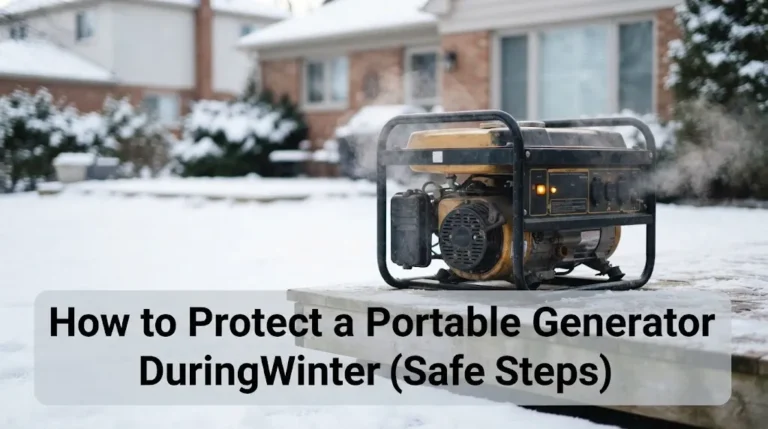
What Happens If Rain Gets Inside a Generator? Risks & Fixes
Quick Answer
If rain gets inside a generator, it can cause severe electrical shock hazards, short circuits, permanent damage to the control panel and alternator, fuel contamination, and internal engine damage like hydrolock. Never touch or attempt to run a wet generator until it has been completely inspected, dried, and serviced by a professional.
The Immediate Dangers of Water Ingress in Generators
Portable and standby generators are powerful machines designed to provide reliable backup power during severe weather events such as thunderstorms, hurricanes, and heavy downpours. Because they are frequently operated outdoors, manufacturers build them with weather-resistant components. However, heavy wind-driven rain, flooding, or improper placement can easily allow water to infiltrate sensitive internal areas.
When moisture penetrates a generator’s housing, it creates an immediate conflict between water and high-voltage electricity. Understanding the specific ways moisture interacts with your generator’s systems can help you prevent catastrophic equipment failure and, more importantly, protect yourself and your family from severe electrical injuries.
Water can enter a generator through several vulnerable points, including ventilation louvers, exhaust ports, damaged control panel seals, or unsealed fuel caps. Once inside, the moisture spreads quickly across electrical windings, circuit boards, and internal combustion components, triggering a cascade of potential failures.
Electrical Hazards: Short Circuits and Shock Risks
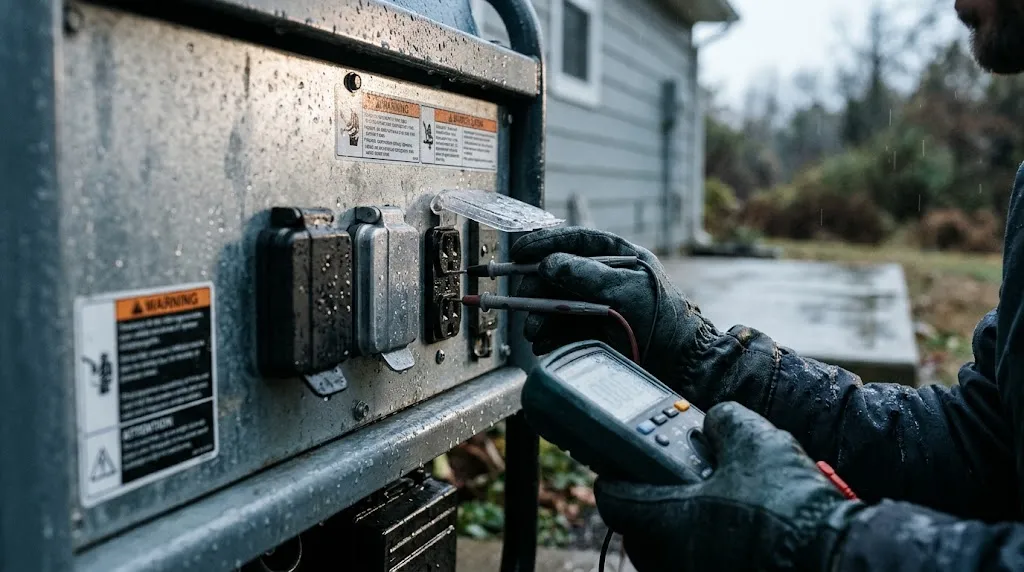
The most immediate and dangerous consequence of water entering a generator is the threat of electrical shock and component short-circuiting. Generators produce high-voltage electricity that can easily travel through standing water or wet metallic frames.
When water reaches the alternator windings, stator, or rotor, it compromises the insulation resistance. If the generator is currently running when rain pours into the alternator housing, a sudden short circuit can instantly fry the windings, destroy the voltage regulator, and ruin the control board. Furthermore, moisture bridging live electrical contacts creates a severe electrocution hazard for anyone standing nearby or attempting to unplug cords.
Even if the generator is turned off, trapped moisture can leave conductive mineral deposits and corrosion on sensitive circuit boards and wiring harnesses. When you eventually attempt to restart the unit, these degraded pathways can cause erratic voltage spikes, permanent electrical failure, or smoking components.
Warning
Never wade through standing water to reach a running or wet generator. Always shut off power at the main breaker if possible before approaching the unit, and never touch a wet generator housing with bare hands.
Mechanical Damage: Hydrolock and Internal Corrosion
Beyond electrical issues, rain entering through the exhaust pipe or air intake can inflict severe mechanical damage on the internal combustion engine. One of the most destructive mechanical failures is a condition known as hydrolock.
Hydrolock occurs when liquid water enters the engine cylinder through the intake manifold or exhaust valve. Because water is completely incompressible, when the piston travels upward during the compression stroke, it meets an impenetrable wall of liquid. This sudden stoppage can bend connecting rods, shatter pistons, crack the engine block, and destroy the crankshaft.
Repairing a hydrolocked engine often costs as much as purchasing an entirely new generator. In addition to catastrophic internal impacts, standing water left inside the engine block rapidly accelerates rust and corrosion on precision metal surfaces, piston rings, and valve guides, causing permanent mechanical wear even if the engine manages to turn over initially.
Fuel System Contamination
Gasoline and diesel fuel tanks are another critical vulnerability during heavy rainstorms. If the fuel cap is loose, cracked, or poorly gasketed, rainwater can seep directly into the fuel tank.
Water is heavier than both gasoline and diesel fuel, meaning it settles directly at the bottom of the tank where the fuel pickup tube is located. When you start the generator, the engine pulls pure water or a heavily diluted water-fuel mixture into the carburetor or fuel injectors.
This contamination results in immediate engine stalling, sputtering, or complete failure to start. In diesel engines, water contamination can severely damage high-pressure fuel pumps and injectors, which rely on diesel fuel for internal lubrication. Cleaning a water-contaminated fuel system requires completely draining the tank, flushing fuel lines, and cleaning or rebuilding the carburetor.
Step-by-Step Guide: What to Do If Your Generator Gets Rained On
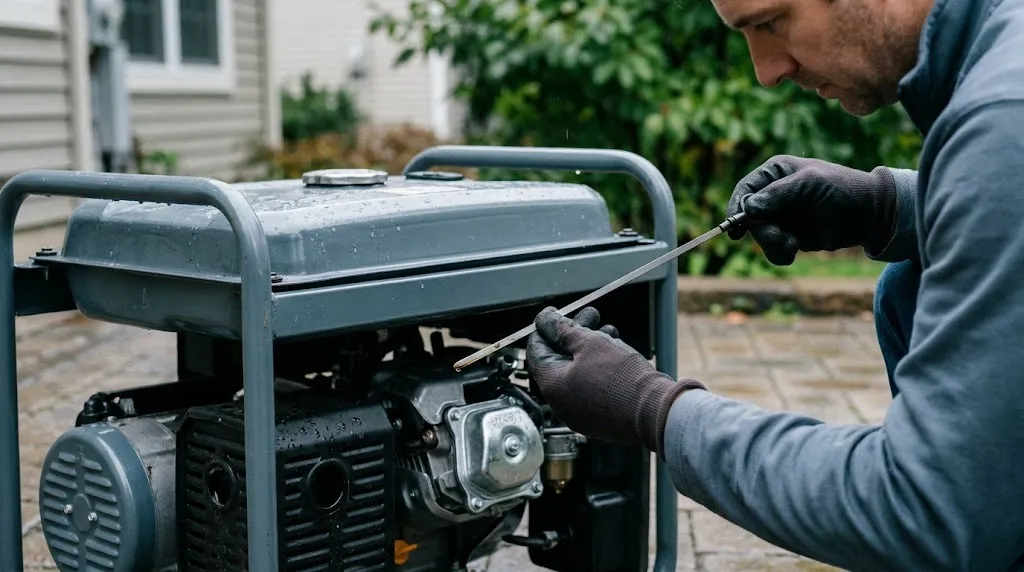
If you discover that your generator has been exposed to heavy rain or partial flooding, follow a strict, methodical safety process before attempting any recovery or restart procedures.
- Disconnect All Loads: Immediately unplug all extension cords, appliances, and transfer switch cables from the generator outlets.
- Shut Down the Engine: If the generator is still running, turn off the engine immediately using the main power switch or fuel valve.
- Cut Off Power Safely: If the unit is wired to a manual transfer switch, switch off the main breaker to eliminate any risk of backfeeding electricity.
- Move to a Dry Area: If safe to do so, carefully relocate the generator to a completely dry, well-ventilated, covered area. Never operate a generator indoors or inside an enclosed garage.
- Inspect for Visible Water: Check the control panel, outlets, air filter box, and fuel tank cap for signs of standing water or moisture infiltration.
- Check the Oil and Fuel: Pull the oil dipstick. If the oil appears milky, cloudy, or discolored, water has contaminated the crankcase. Check the fuel bowl or tank for water separation.
How to Properly Dry and Service a Wet Generator
Once you have secured the generator in a safe, dry location, you must ensure all moisture is completely removed before attempting a restart. Skipping drying steps can permanently destroy electrical windings or cause internal engine failure.
Start by removing the air filter cover and inspecting the air filter element. If the paper or foam filter is soaked, discard it immediately and replace it with a dry one. Next, drain the oil completely from the crankcase and refill it with fresh, manufacturer-recommended oil. If water entered the cylinder, remove the spark plug and pull the recoil starter cord several times to expel any trapped water before reinstalling or replacing the spark plug.
For electrical components, use a clean cloth to wipe down accessible surfaces. You can use a portable fan or a hair dryer on a cool or low-heat setting to circulate air through the alternator housing and control panel. Avoid using high heat, as excessive temperatures can melt plastic insulation and warp delicate components. Allow the unit to air dry in a warm, ventilated space for at least 24 to 48 hours before attempting a test start.
Tip
If you notice a burning smell, visible smoke, or electrical arcing when you finally test your generator after a rain incident, shut it down immediately and contact a certified small engine technician.
Preventive Measures: Protecting Your Generator from Weather
Preventing water damage is significantly easier and less costly than repairing a flooded generator. When operating a portable generator during inclement weather, proper setup is essential.
Always place your generator on a solid, elevated, and level surface to prevent pooling water from rising around the base of the unit. Maintain a safe distance of at least 15 to 20 feet away from windows, doors, and vents to prevent carbon monoxide poisoning while keeping the unit sheltered.
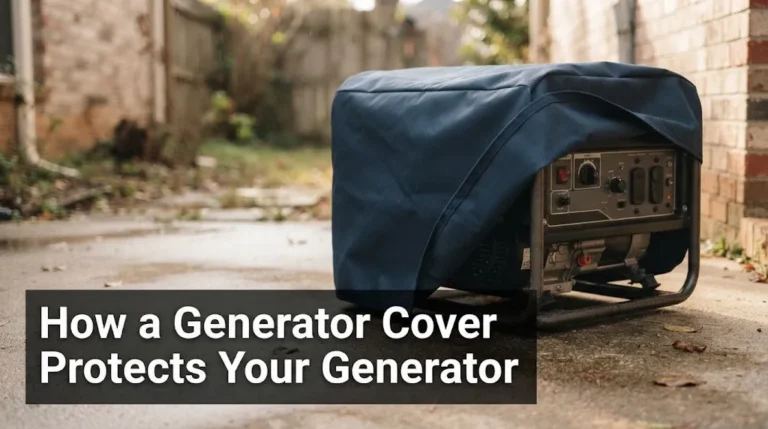
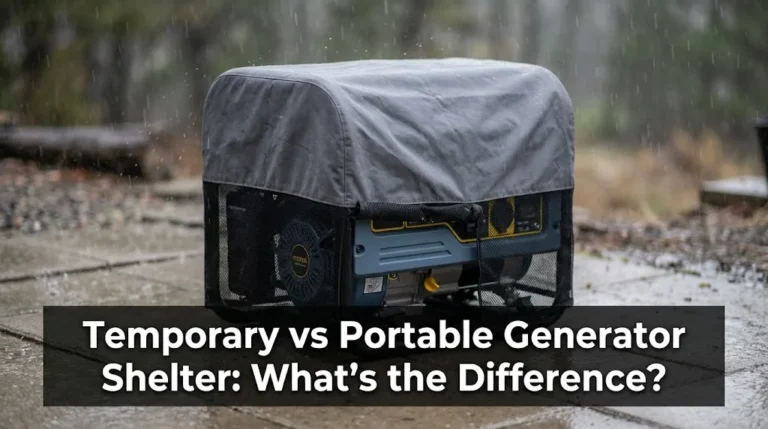
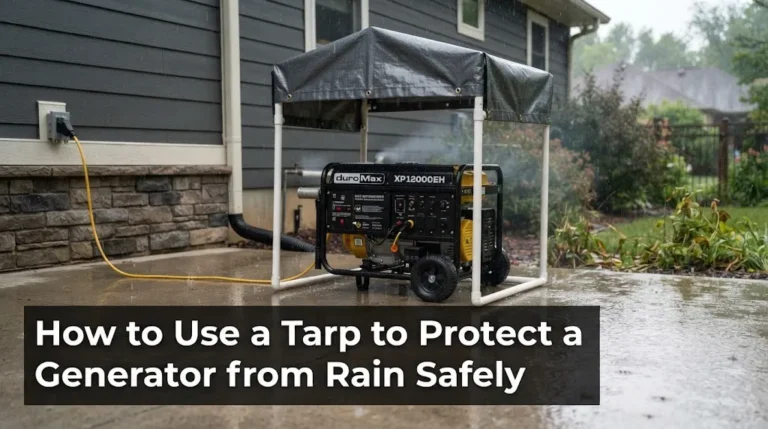
Invest in a dedicated generator tent, canopy, or weather-resistant enclosure specifically engineered to shield the unit from rain and snow while maintaining proper airflow for cooling and exhaust emission clearance. Never use improvised plastic tarps draped directly over a hot generator, as this traps suffocating exhaust gases, restricts airflow, and can quickly create a severe fire hazard.
Related Product
Portable Generator Weather Tent and Cover
Protect your generator from heavy rain and wind while allowing safe operation outdoors with a breathable, weather-resistant enclosure tent.
As an Amazon Associate, we earn from qualifying purchases.
Frequently Asked Questions
Can a generator run in the rain safely?
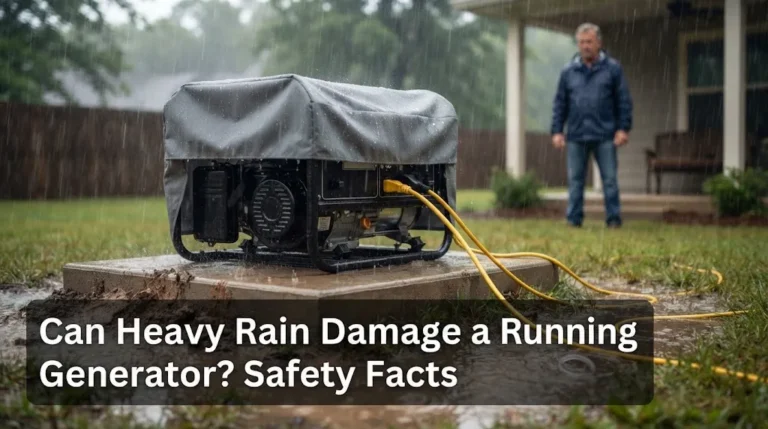
Running a generator directly in heavy rain without protection is extremely dangerous. It exposes electrical components to moisture, risking short circuits, permanent alternator damage, and severe electrical shock. Always use a specialized generator tent or shelter designed to keep rain out while ensuring proper ventilation.
What happens if water gets into the generator gas tank?
Water in the gas tank settles at the bottom because it is denser than gasoline. When the engine starts, it draws water into the fuel system, causing immediate sputtering, engine stalling, and failure to run. You must completely drain the tank, flush the fuel lines, and clean the carburetor.
How do I know if my generator engine is hydrolocked?
A hydrolocked engine will refuse to turn over when you pull the recoil starter or turn the electric start key. The starter cord will feel completely stuck or immovable because liquid water inside the combustion cylinder prevents the piston from completing its upward compression stroke.
Can a wet generator catch fire?
Yes. Water entering the electrical control panel or alternator windings can create electrical shorts, arcing, and sparking. If flammable materials or fuel vapors are present near exposed electrical shorts, it can easily ignite a fire.
How long should I let a wet generator dry out?
A wet generator should be allowed to dry in a warm, well-ventilated, covered area for at least 24 to 48 hours. Using portable fans can accelerate the evaporation of trapped moisture from internal alternator windings and electrical connections.
Is milky engine oil a sign of water damage?
Yes. When water mixes with engine oil due to internal leaks or rain infiltration, it creates a cloudy, milky-white appearance. Running an engine with contaminated oil destroys internal lubrication, leading to rapid bearing and cylinder wear.
Conclusion
Water infiltration in a generator creates serious electrical, mechanical, and fuel-related hazards that can permanently destroy your equipment or endanger your safety. If rain gets inside your generator, resist the urge to start it immediately. Safely shut down power sources, inspect the oil and fuel for contamination, dry all electrical components thoroughly, and utilize proper weather protection tents to prevent future weather-related damage. Taking these precautions ensures your backup power source remains dependable when you need it most.

Hi, I’m Michael Turner. I own a generator workshop in the United States and founded HomeGeneratorBlog to share practical, hands-on guidance about generator installation, maintenance, troubleshooting, safety, and backup power solutions. My goal is to help homeowners make smarter, more confident decisions through clear and reliable information