Keep Rain Off a Generator Without Enclosing It
Quick Answer
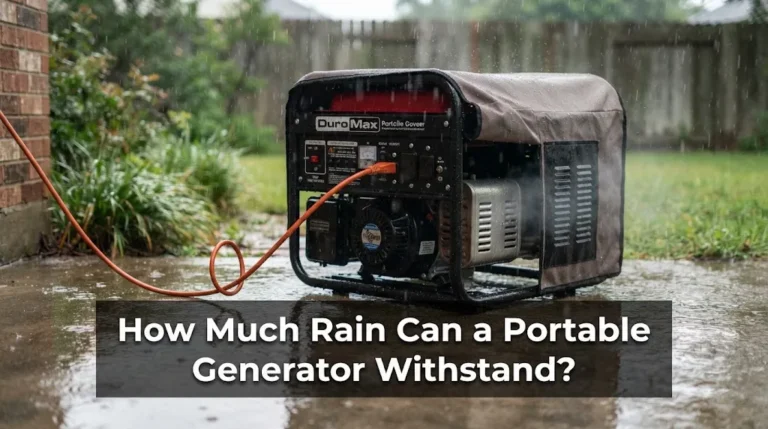
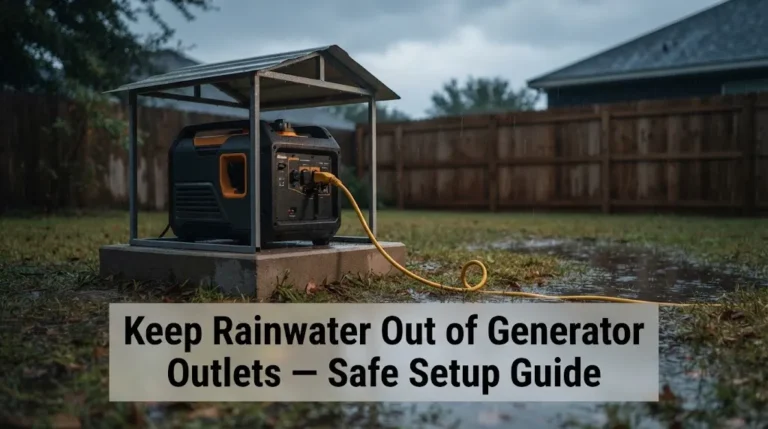
Keep rain off a running generator by using an overhead shield that leaves the sides open for airflow, such as a purpose-built running cover, a sturdy lean-to, or a raised patio table with a solid top. Never wrap the unit in a tarp or storage cover while it runs. The generator must stay outdoors, at least 20 feet from the house, with unobstructed ventilation and no trapped exhaust.
A portable generator needs two things that seem to contradict each other during a storm: it must stay dry, and it must breathe. Fully enclosing a fuel-burning generator traps heat and carbon monoxide, which can lead to fire, engine damage, or a lethal buildup of exhaust gas.
The solution is not a box. It is a roof with open air around it.
Why You Cannot Just Cover a Running Generator
A generator produces heat, exhaust, and electricity simultaneously. Any cover that seals it off interferes with at least one of those functions.
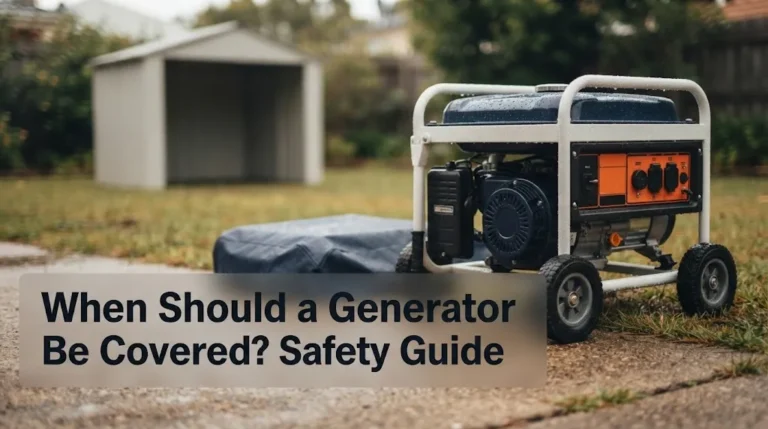
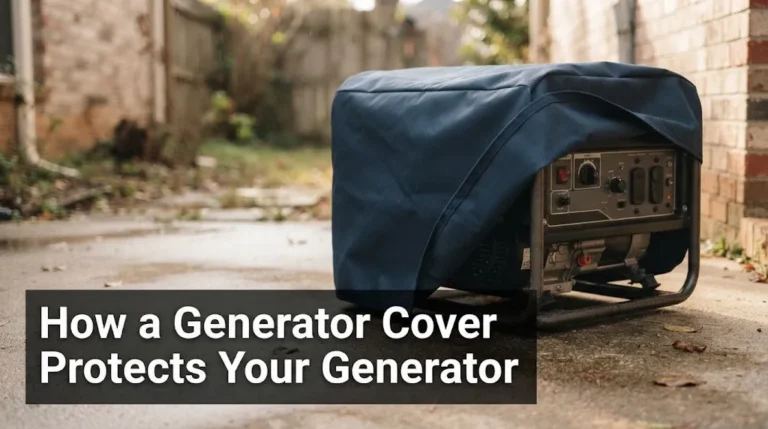
Waterproof storage covers are designed for a cold, switched-off generator. They fit tightly and block moisture from above and below. Using one during operation restricts cooling airflow and can melt the cover or ignite it if it contacts hot engine parts.
A plastic tarp has the same problem, only worse. It offers no structure, can blow against the exhaust, and provides no controlled ventilation. The practical rule is simple: if the cover was not engineered for a running generator, it does not belong on a running generator.
The real risk is not rain damage. It is carbon monoxide. Fuel-powered generators emit CO, an odorless gas that can accumulate to dangerous levels in any partially enclosed space, including a garage with the door open or a carport. An open-sided rain shield does not create an enclosure. A tarp draped over the unit does.
The Safest Approach: A Roof, Not a Box
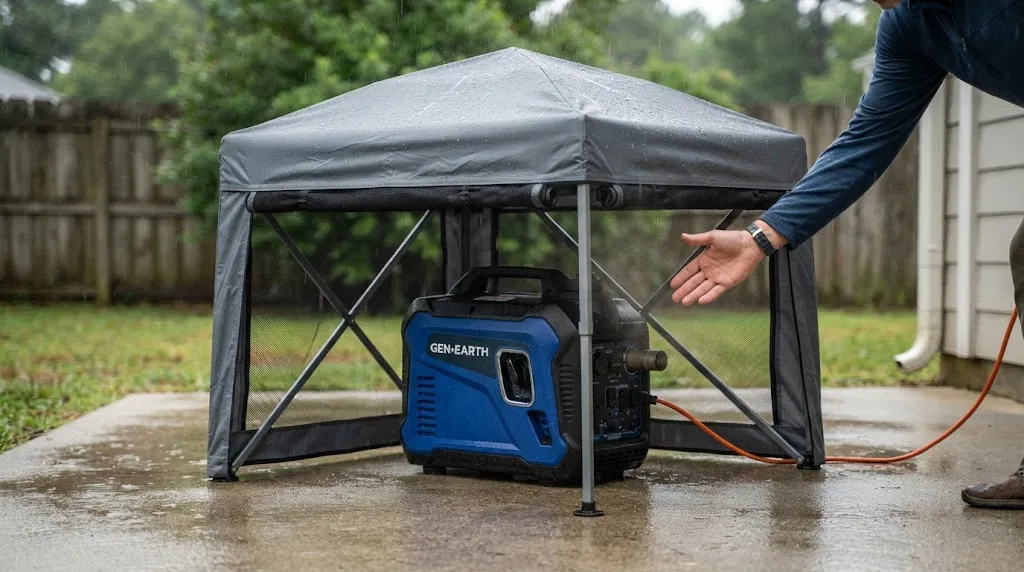
The goal is to intercept falling rain before it reaches the generator’s control panel, outlets, and engine intake, while leaving the sides completely open.
This is the principle behind purpose-built running covers, often called generator tents. These covers have a rigid or semi-rigid top and open or vented sides. They deflect rain from above without trapping exhaust or heat underneath.
A correctly designed running cover leaves several feet of clearance around the generator. Popular Mechanics recommends at least three to four feet of space between the generator and any cover for ventilation and heat dissipation. Some manufacturers are stricter and may prohibit running covers entirely, so check your generator manual before buying one.
If you use a running cover, confirm three things before the storm arrives:
- The cover is explicitly rated for use while the generator is running.
- The cover is sized for your generator model, not a generic fit.
- The exhaust outlet and cooling vents remain unobstructed.
Warning
Never run a generator in rain or on a wet surface without some form of overhead protection. Water entering live outlets or the alternator creates a serious electrocution hazard, and moisture on the frame can make the entire unit dangerous to touch.
Practical Rain Shields You Can Set Up Without a Full Enclosure
If a commercial running cover is not available, several low-cost or improvised options can keep rain off while preserving airflow. Each has tradeoffs.
A Sturdy Table with a Solid Top
A heavy patio table or a sheet of plywood supported by two sawhorses can serve as a simple roof. The generator sits underneath, with open air on all four sides.
This works best for smaller inverter generators that produce less heat. The tabletop must be wide enough that rain cannot blow in at an angle and reach the control panel. In windy conditions, the table or plywood must be secured so it cannot shift or fall onto the generator.
The limitation is height. A standard table may sit too low, placing the top dangerously close to the generator’s hot exhaust or air intake. Leave as much vertical clearance as the setup allows, and never let the shielding material touch the generator.
A Simple Lean-To or Canopy Frame
A small open-sided lean-to built from posts and a slanted roof offers more permanent protection. The key word is open. Four posts and a roof with no walls allow rain to fall away while heat and exhaust rise freely.
A pop-up canopy tent can serve the same purpose temporarily, but it must be weighted down. A canopy that blows over during a storm can damage the generator or create a shock hazard if it contacts live components. Canopies are also not designed for extreme wind or heavy snow loads.
For a more durable DIY option, a wooden frame with a metal or polycarbonate roof panel provides a solid overhead barrier without enclosing the unit. Do not add side panels. Do not wrap the frame in plastic.
Elevation and Drip Loops
Keeping rain off from above is only part of the job. Water on the ground can splash into the generator’s underside or reach the outlets through puddled extension cords.
Place the generator on a stable, raised surface: concrete blocks, a wooden pallet, or a heavy rubber mat. The surface must be level and must not block the generator’s own cooling vents underneath.
Route extension cords with a drip loop. Let the cord sag below the height of the outlet before it runs toward the house. Water running down the cord will drip off the bottom of the loop instead of traveling into the generator’s receptacle.
Tip
Set up your rain shield before the storm starts, not during it. Once rain begins and the ground is wet, moving a generator or improvising a cover becomes far more dangerous.
What to Check Before and During Operation
A rain shield is only one part of a safe wet-weather setup. The generator’s location and condition matter just as much.
Distance from the house. The U.S. Consumer Product Safety Commission and generator manufacturers recommend operating a portable generator at least 20 feet from windows, doors, and vents, with the exhaust pointed away from the building. A rain shield does not change this requirement.
Dry hands and dry controls. Before starting or adjusting the generator, confirm that the control panel, outlets, and your hands are dry. Even a light film of moisture on the skin can create a shock path when touching a generator in wet conditions.
GFCI protection. Use heavy-duty outdoor extension cords with built-in Ground Fault Circuit Interrupter protection. A GFCI will trip the circuit if moisture causes a current leak, cutting power before a shock occurs.
Water inside the unit. If the generator has been exposed to rain without protection and there is any sign of moisture around the outlets, controls, or air intake, do not start it. Move it to a dry area and let it dry completely before attempting to run it again.
Shutdown for refueling. Never add fuel to a running generator. Shut it down, let it cool, and refuel in a dry location away from the rain shield. A hot exhaust or a spilled drop of fuel near a running engine is a fire risk regardless of weather.
When a Rain Shield Is Not Enough
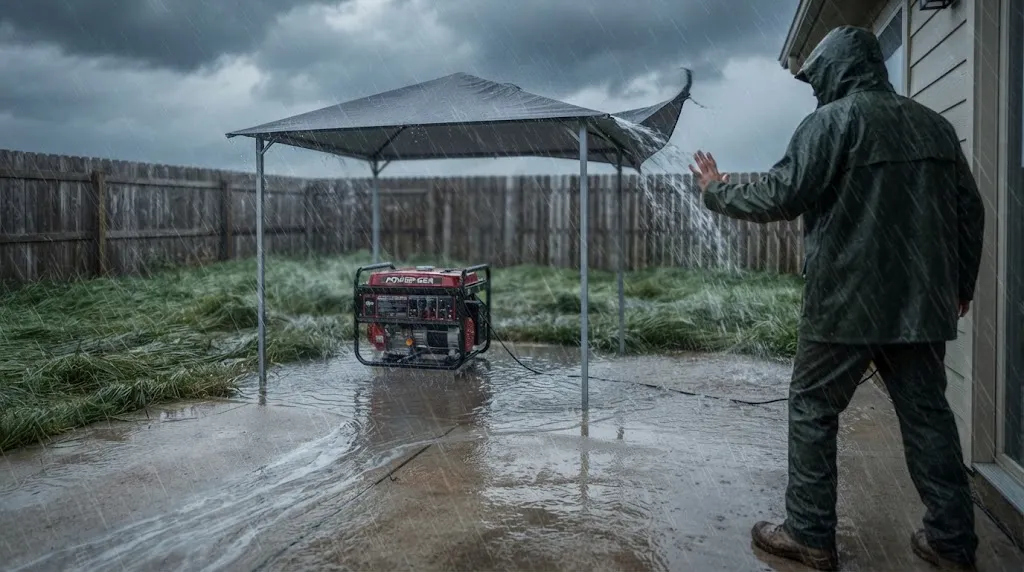
Some storm conditions exceed what an open-sided shield can handle. Flash flooding, hurricane-force wind, and blowing rain that comes in sideways can defeat a simple overhead cover.
If water is pooling around the generator, if the wind is strong enough to move your shield, or if rain is reaching the unit despite your setup, the safer choice is to shut the generator down until conditions improve. A power outage is inconvenient. An electrocution or a fire is not recoverable.
For homeowners in areas with frequent severe storms, a battery-based power station offers an alternative that does not burn fuel and produces no exhaust. These units still require protection from direct rain unless specifically rated for wet conditions, but they avoid the carbon monoxide risk that makes fuel generators so demanding in bad weather.
Frequently Asked Questions
Can I run a generator under a plastic tarp if I leave the sides open?
No. A tarp is not a rigid structure, and it can blow against the hot exhaust or air intake. Even with the sides nominally open, a tarp provides no reliable clearance and can melt or ignite. Use a rigid overhead shield instead.
How much clearance does a running generator need around a rain cover?
At least three to four feet of space between the generator and any overhead or surrounding structure is a practical minimum for ventilation and heat dissipation. Check your generator manual for model-specific requirements, which may be stricter.
Will a generator run safely in light rain without any cover?
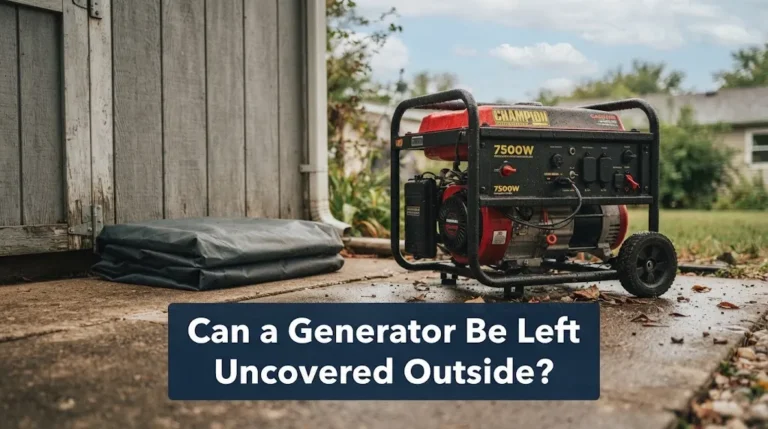
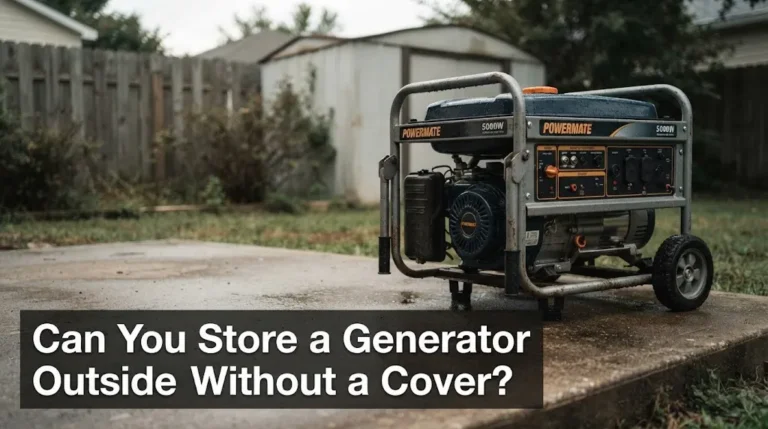
No. Manufacturer guidance is consistent: do not run a generator directly in rain or on a wet surface. Even light rain can enter outlets or the alternator and create a shock hazard. Use an overhead shield or wait until the rain stops.
Can I use a storage cover on a generator that is turned off but still outside in the rain?
Yes, a properly fitted storage cover can protect a switched-off generator from rain and debris. Make sure the generator has cooled completely before covering it, and remove the cover before starting it again.
Is it safe to put a generator under a carport or open shed to keep rain off?
No. A carport or shed, even with open sides, can allow carbon monoxide to accumulate near the house or in the structure. Generators must run outdoors in an open area at least 20 feet from the home, with exhaust directed away from windows and doors.
What should I do if the generator gets wet while running?
Shut it down if you can do so safely without touching wet components. Do not handle cords or controls with wet hands. Once the generator is off and cool, move it to a dry area and let it dry completely before inspecting or restarting it. If water reached the outlets or internal components, have the unit checked before using it again.
Conclusion
The safest rain protection for a running generator is a roof with open air on every side. A purpose-built running cover, a sturdy lean-to, or even a heavy table with a solid top can intercept rain without trapping the heat and exhaust that make generators dangerous. Elevate the unit, route cords with drip loops, and keep the generator at least 20 feet from the house. If the storm becomes severe enough that your shield cannot keep the unit dry, shut it down. A generator that stays dry and ventilated will keep working. One that is wrapped up to stay dry will not.

Hi, I’m Michael Turner. I own a generator workshop in the United States and founded HomeGeneratorBlog to share practical, hands-on guidance about generator installation, maintenance, troubleshooting, safety, and backup power solutions. My goal is to help homeowners make smarter, more confident decisions through clear and reliable information