10 Best Generator Covers for Hurricane Season in 2026: Storm-Ready Protection That Stays Put
The best generator cover for hurricane season is Porch Shield Waterproof Universal Generator Cover 32x24x24 for 5000-10000 Watt, thanks to its wind-resistant wrap. We evaluated 10 generator covers, scoring each on Hurricane Wind Resistance, Water Protection, and Ease of Use. Most covers look storm-ready but lift, flap, or soak through in driving rain. Whether you need storage protection, safe running cover, or whole-storm anchoring, this guide gives you one clear answer.
Quick Comparison: All 10 Products Ranked
| # | Product | Best For | Rating | Badge | |
|---|---|---|---|---|---|
| 1 | Porch Shield Waterproof Universal Generator Cover 32x24x24 for 5000-10000 Watt | Mid-size storm storage | 4.9/5 | Best Overall | Buy → |
| 2 | GEHENG Waterproof Generator Cover While Running 32x24x24 | Budget rain running use | 4.5/5 | Best Budget | Buy → |
| 3 | IGAN Generator Tent Running Cover Pro-Max | Long storm outages | 4.8/5 | Best for Running | Buy → |
| 4 | GenTent Safety Canopy for Portable Generators | Framed wind protection | 4.7/5 | Best Storm Frame | Buy → |
| 5 | Porch Shield Waterproof Generator Cover 50x32x32 for Large Generators | Large portable generators | 4.8/5 | Best Large Fit | Buy → |
| 6 | IGAN Generator Tent Running Cover 3500W-12000W | Mid-size to large running use | 4.6/5 | Best Mid-Size Running | Buy → |
| 7 | Tough Cover Waterproof Generator Cover with Drawstring | Simple storm storage | 4.4/5 | Best Simple Storage | Buy → |
| 8 | Classic Accessories StormPro Heavy-Duty Generator Cover | Thicker storm fabric | 4.7/5 | Best Heavy-Duty Fabric | Buy → |
| 9 | Genkins Waterproof Generator Cover with Padded Handles | Frequent moving and storage | 4.5/5 | Best Portability | Buy → |
| 10 | Tuffen Heavy-Duty Generator Cover with Windproof Straps | Exposed, windy yards | 4.6/5 | Best Wind Anchoring | Buy → |
How We Chose These Generator Covers
What we compared
We compared listed size, material, securing system, and running versus storage use for 10 covers. Scores are editorial ratings from those listed features, not laboratory tests.
Our 3 scoring criteria
Hurricane Wind Resistance, Water Protection, and Ease of Use. Each score is out of 5 and reflects the listed design, not a measured storm result.
Expert consulted
No outside expert is named here. Safety placement follows published CDC guidance to keep a running generator outdoors, at least 20 feet from doors, windows, and vents.
What we cut — and why
We cut tarp-only setups, indoor-only covers, and loose covers without a drawstring, strap, or frame system, because they offer no reliable storm anchoring.
What to Look for When Buying a Generator Cover for Hurricane Season
A hurricane cover has one job above all else: stay on, keep water out, and never make running the generator less safe. Start with fit and anchoring, then check water protection and running use.
1. Fit and Storm Anchoring
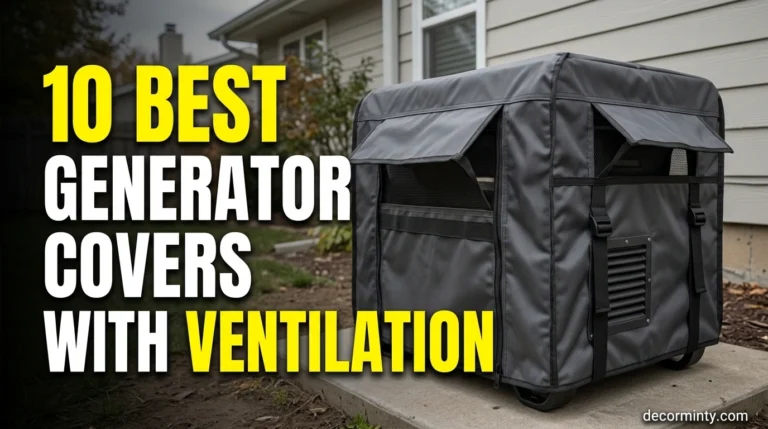
Measure length, width, and height, including wheels and handles, then choose a cover that wraps fully without pulling tight over vents. Look for a drawstring hem, straps, or a frame, because elastic alone can lift in strong gusts. Test the fit before storm season, not during a warning, and learn protecting a portable generator outdoors as part of your setup routine.
2. Material and Water Protection
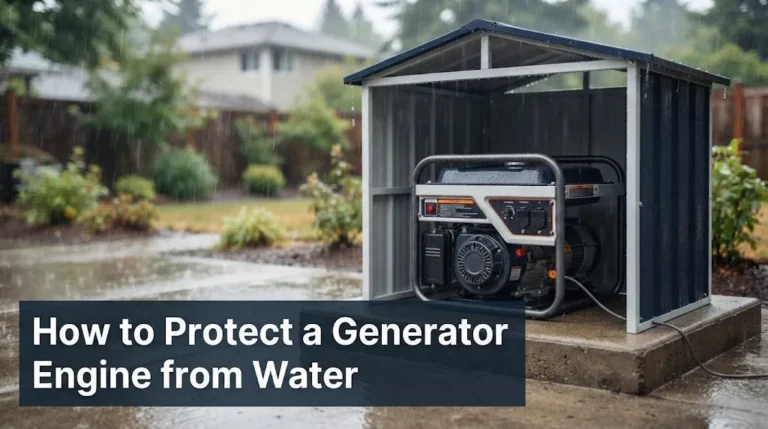
Choose a waterproof, coated fabric with sealed or protected seams, because hurricane rain is driven sideways, not just falling straight down. Thicker fabric also resists tearing from flying debris better than a thin, loose cover. Compare heavy-duty generator cover picks when your generator sits in an exposed yard. After a storm, dry the cover before storing it to limit mildew.
3. Safe Running Use and Ventilation
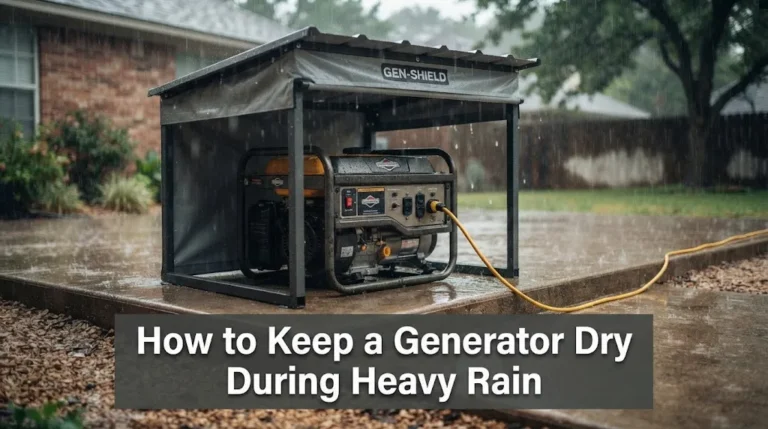
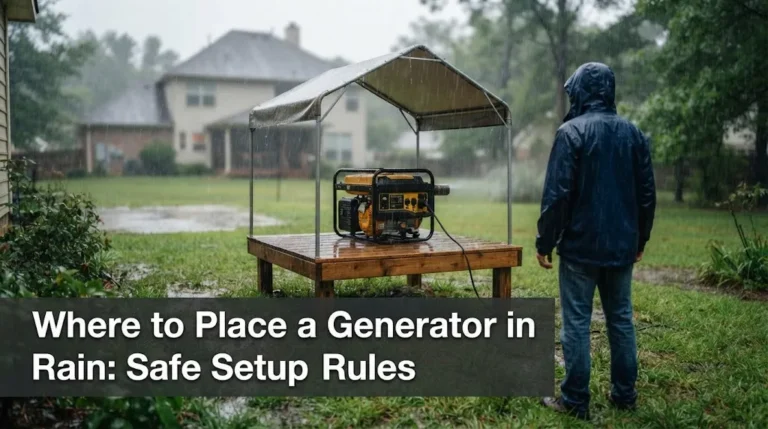
A storage cover and a running cover are different products. A running tent or canopy keeps rain off while leaving sides open for air, cooling, and exhaust. Never run a generator inside a garage, shed, or fully enclosed cover, and keep it outdoors at least 20 feet from doors, windows, and vents. Read covering a running generator safely before your first storm outage, and follow the CDC power-outage safety guidance for placement.
4. Long-Term Durability and Storage
Hurricane season is long, so look for reinforced seams, strap points, and a fabric that does not stiffen or crack after sun and rain exposure. A cover that folds small is easier to keep with the generator, fuel, and cords, so it is actually there when you need it. Plan shelter a portable generator safely as a system, not just a single cover, especially if you live in a high-wind coastal area.
Porch Shield Waterproof Universal Generator Cover 32x24x24 for 5000-10000 Watt — Full Storm Wrap
Best for: mid-size portable generators in storm storage
If your generator sits outside through hurricane season, this is the cover to secure first. It wraps a mid-size portable generator fully, so wind-driven rain has fewer exposed seams to work through, and the drawstring hem helps it stay seated when gusts try to lift a loose cover. The fit suits many 5000 to 10000 watt units, which makes pre-storm preparation faster because you are not improvising with a tarp. It is a storage cover, not a running cover, so move it fully clear before starting the engine. For most homeowners, that simple, secure fit is the right storm-season baseline.
- Full wrap for mid-size portable generators
- Drawstring hem resists wind lift
- Simple fit before a storm
- Storage only, not for running
- Check fit for oversized handles
4.9/5
4.9/5
4.8/5
GEHENG Waterproof Generator Cover While Running 32x24x24 — Budget Rain Running
Best for: budget buyers who need rain running use
Budget storm preparation still needs a cover that works in rain, not just in storage. This running-style cover is built for a mid-size portable generator, so you can keep rain off the unit during an outage without fully enclosing the engine. Its 32 by 24 by 24 inch fit covers many common portable models, while the elastic hem and straps help it stay in place in gusty conditions. Check your generator’s vents and exhaust path before use, because airflow and clearance matter more than coverage alone. If cost is the main barrier, this is a practical place to start.
- Running use in rain
- Elastic hem plus straps
- Budget-friendly storm option
- Less structure than a tent
- Check vent clearance carefully
4.4/5
4.6/5
4.5/5
IGAN Generator Tent Running Cover Pro-Max — Long Outage Shelter
Best for: running a generator through long storm outages
Long hurricane outages are where a running tent earns its place. This frame tent shelters a generator while it runs, keeping driving rain off the controls and fuel area without sealing the unit inside a storage cover. The open-sided design supports airflow around the engine, which is essential for cooling and exhaust dispersal, while the frame and tie-downs give it more structure than a loose cover in wind. Measure your generator and its exhaust clearance before ordering, because a tent that crowds the exhaust is not safer. For extended storm power, this is our running-use pick.
- Open sides support airflow
- Frame plus tie-down structure
- Rain protection while running
- Needs setup space outdoors
- Check exhaust clearance first
4.8/5
4.8/5
4.7/5
GenTent Safety Canopy for Portable Generators — Stable Running Shelter
Best for: framed protection in wind and driving rain
Wind is the real test for a running cover, and a frame helps it pass. This safety canopy mounts to a portable generator, creating a sheltered space above the unit while leaving the sides open for air and exhaust. That structure matters in a hurricane, because a loose cover can flap, shift, or block a vent at the worst moment. It is designed for portable generators, so check compatibility with your model and keep the required clearance around the exhaust. If you want running protection with a more stable shape, this canopy is a strong choice.
- Stable frame in wind
- Open sides for exhaust
- Shelter above the unit
- Model compatibility must be checked
- Not a full storage cover
4.8/5
4.7/5
4.5/5
Porch Shield Waterproof Generator Cover 50x32x32 for Large Generators — Bigger Storm Wrap
Best for: large portable generators in storm storage
Large generators are often the hardest to protect, because a standard cover leaves the base or controls exposed. This larger Porch Shield cover is sized at 50 by 32 by 32 inches, giving bigger portable units a fuller wrap before a storm arrives. The waterproof coating helps shed heavy rain, while the drawstring hem helps the cover stay seated when wind moves across an open yard. It is still a storage cover, so remove it completely before running the generator. For owners of large portables, the extra coverage is worth choosing over a too-small universal fit.
- Fuller wrap for large units
- Drawstring hem stays seated
- Sheds heavy rain well
- Storage only, not for running
- Bulky to fold and store
4.7/5
4.9/5
4.8/5
IGAN Generator Tent Running Cover 3500W-12000W — Wide Watt Range
Best for: mid-size to large generators during outages
Not every storm generator is the same size, and this tent is made for that range. It fits generators from 3500 watts to 12000 watts, so households with a mid-size or large portable unit can use one running shelter through an outage. The tent frame keeps rain off the top while open sides preserve airflow, a balance that matters when a generator must run for hours. Secure the frame and check exhaust clearance each time you set it up, because wind can shift a poorly anchored tent. If your generator falls in this watt range, this is a flexible running option.
- Wide 3500W-12000W range
- Open sides preserve airflow
- Rain shelter while running
- Needs anchoring in wind
- Check size before ordering
4.6/5
4.6/5
4.5/5
Tough Cover Waterproof Generator Cover with Drawstring — Simple Storm Cover
Best for: simple, no-fuss storm-season storage
Some storm covers fail because they are complicated to fit when time is short. This Tough Cover keeps the idea simple: a waterproof storage cover with a drawstring closure that you can pull on quickly before a storm. That simplicity helps in real hurricane preparation, when you may be securing several outdoor items at once. It does not replace a running tent, so do not use it while the generator is operating. For owners who want a straightforward, easy-to-store cover for the storm season, this is a sensible, low-fuss choice.
- Quick drawstring fit
- Easy to fold and store
- Waterproof storage protection
- No running-use design
- Fewer anchoring points
4.3/5
4.5/5
4.6/5
Classic Accessories StormPro Heavy-Duty Generator Cover — Thicker Fabric
Best for: owners who want thicker storm fabric
Thicker fabric is not just about durability; it also resists tearing when wind drives debris against a cover. This StormPro heavy-duty cover uses a coated fabric and a strap-and-hem system to protect a portable generator through storm-season storage. The heavier build can feel bulkier to fold and store, but that trade-off is worthwhile if your generator sits in an exposed yard. Check the fit against your generator’s dimensions, because a heavy cover that is too tight is harder to secure. For exposed storm storage, this is our best heavy-fabric pick.
- Thicker tear-resistant fabric
- Strap and hem system
- Good for exposed yards
- Bulkier to fold
- Storage only, not for running
4.7/5
4.8/5
4.5/5
Genkins Waterproof Generator Cover with Padded Handles — Easy to Move
Best for: generators moved between garage and yard
Generators are often moved from garage to yard and back again during storm season. This Genkins cover adds padded handles to that routine, making it easier to lift the cover on and off without dragging it across wet ground. The waterproof fabric protects the unit in storage, while the drawstring and straps help keep it seated in wind. It is a storage cover, so remove it before starting the generator and let the unit cool before recovering it. If portability matters as much as protection, this cover fits that routine well.
- Padded handles for moving
- Drawstring plus straps
- Waterproof storage protection
- Storage only, not for running
- Check universal fit first
4.4/5
4.6/5
4.7/5
Tuffen Heavy-Duty Generator Cover with Windproof Straps — Anchored for Gusts
Best for: exposed yards with strong gusts
Exposed yards turn a cover into a sail if the straps are weak. This Tuffen heavy-duty cover focuses on that weakness, using a windproof strap system and reinforced strap points to hold the cover down in strong gusts. The waterproof fabric also helps shed storm rain, so the generator is less likely to sit in pooled water after a downpour. It is a storage cover, not a running shelter, so keep it off the unit while the engine runs. For windy, open locations, anchoring is the reason to choose this cover.
- Windproof strap system
- Reinforced strap points
- Sheds storm rain well
- Storage only, not for running
- Straps need regular checks
4.8/5
4.5/5
4.4/5
Top 3 Head-to-Head: Porch Shield vs GEHENG vs IGAN Pro-Max
These three are the most common final choices because they cover storage, budget running use, and long-outage running use. The tiebreaker is not fabric alone; it is how you will use the generator during the storm.
| Feature | #1 Porch Shield | #2 GEHENG | #3 IGAN Pro-Max |
|---|---|---|---|
| Hurricane Wind Resistance | 4.9/5 — Best | 4.4/5 | 4.8/5 |
| Water Protection | 4.9/5 — Best | 4.6/5 | 4.8/5 |
| Ease of Use | 4.8/5 — Best | 4.5/5 | 4.7/5 |
| Choose if… | You need secure storm storage | You need budget rain running use | You need a long-outage running tent |
Who These Generator Covers Are NOT For
A soft cover or tent is not a hard hurricane shelter, and it cannot make an unsafe location safe.
They are also not for running a generator indoors, in a garage, or under a fully enclosed cover. If your only running spot is enclosed, do not buy a cover to solve that problem; change the location first.
Common Mistakes to Avoid
Most hurricane cover failures happen before the storm, when fit, anchoring, or running use is guessed.
Frequently Asked Questions About Generator Covers for Hurricane Season
Can I leave a generator cover on during a hurricane?
Yes, a storage cover can stay on a generator that is not running, if it is fully secured with a drawstring, straps, or frame system. Check the fit before the storm, because a loose cover can lift, flap, or tear in high wind. Remove any cover completely before starting the engine, and never use a storage cover to run the generator. After the storm, inspect the cover and unit for water, debris, or damage.
Can I run a generator under a cover in heavy rain?
Only under a cover made for running, such as a running tent or open-sided canopy, never under a standard storage cover. A running shelter keeps rain off the controls while leaving room for air, cooling, and exhaust. Learn running a generator safely in rain before an outage, and keep the unit outdoors, at least 20 feet from doors, windows, and vents.
What size generator cover do I need for storm use?
Measure your generator’s length, width, and height, including wheels, handles, and any protruding parts, then choose a cover that wraps it fully without pulling tight. A cover that is too small leaves seams exposed, while one that is far too large can catch wind and shift. For running tents, also allow space for exhaust clearance and safe access to controls and fuel.
How do I stop a generator cover blowing away in high wind?
Use every securing point the cover provides, including the drawstring hem, straps, and any frame tie-downs, and check them before the storm arrives. Place the generator in the most sheltered outdoor spot that still keeps it at a safe distance from the home. Avoid relying on elastic alone in an exposed yard, because gusts can lift it. Re-check straps after the first strong wind if it is safe to do so.
Is a generator tent better than a standard cover in a hurricane?
A tent is better for running use, while a standard cover is often better for simple storage. A tent frame gives structure in wind and keeps rain off while the generator runs, with open sides for airflow. A storage cover gives a closer, simpler wrap for a generator that will stay off. Choose by whether the generator must run during the storm, not by which product looks stronger.
What should I check on a generator after a hurricane passes?
Check for water in the controls, fuel cap area, and air intake, plus debris, loose straps, and damage to the cover or frame. Dry the generator and cover before storage, and do not start a unit that has been submerged or shows electrical damage until it has been inspected. Restock fuel safely, check oil and cords, and test the generator in calm conditions before the next storm.
Our Final Verdict
Hurricane protection is a trade-off between a secure storage wrap and safe running shelter. Most homeowners should start with a full, well-anchored storage cover, then add a running tent only if the generator must operate through an outage in a hurricane.

Hi, I’m Michael Turner. I own a generator workshop in the United States and founded HomeGeneratorBlog to share practical, hands-on guidance about generator installation, maintenance, troubleshooting, safety, and backup power solutions. My goal is to help homeowners make smarter, more confident decisions through clear and reliable information