How to Use a Tarp to Protect a Generator from Rain Safely
Quick Answer
Never place a flat tarp directly on top of a running portable generator. To protect a generator from rain safely, you must build a rigid overhead canopy or frame that keeps the tarp at least several feet away from the hot exhaust, allows proper ventilation for carbon monoxide dissipation, and leaves the sides open for airflow.
The Core Hazards of Using a Tarp on a Generator
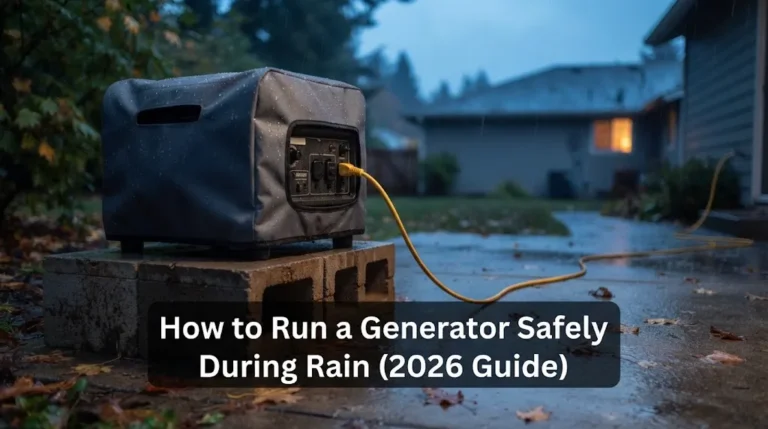
Operating a portable generator during a severe storm or heavy downpour creates a difficult dilemma. Water entering the sensitive electrical outlets, control panel, or alternator windings can cause dangerous short circuits, severe equipment damage, or electrical shock. However, covering a running generator improperly creates an even more immediate danger: carbon monoxide poisoning and catastrophic fire hazards.
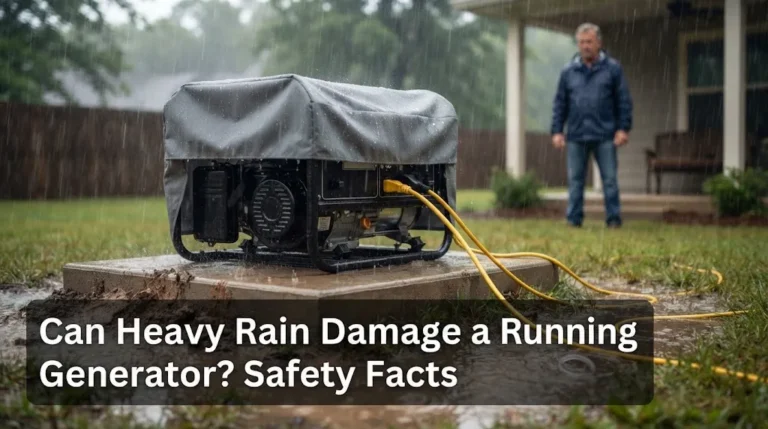
When most people think of covering a generator, they picture throwing a plastic or vinyl tarp directly over the metal housing like a piece of outdoor furniture. Doing this on a running generator traps lethal exhaust gases close to the unit, restricts cooling airflow, and often causes the melting plastic to fuse directly onto hot engine components. Understanding the physics of a running combustion engine is essential before setting up any weather protection.
Warning
Never run a portable generator inside an enclosed or partially enclosed space, including a garage, carport, shed, or crawlspace, even if doors or windows are open. Carbon monoxide is an odorless, colorless gas that can accumulate rapidly and become fatal within minutes.
Essential Safety Rules Before Setting Up a Cover
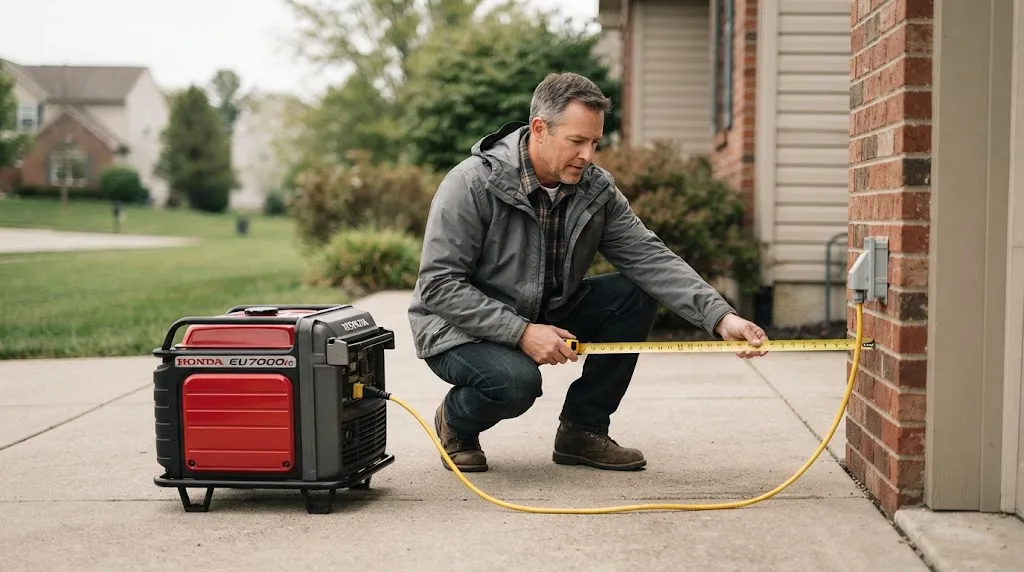
Before positioning any protective material near your generator, you must evaluate the operating environment and manufacturer guidelines. Portable generators generate immense heat and require uninterrupted airflow to function correctly without overheating.
The following baseline rules govern safe generator weatherproofing:
- Maintain ample distance: The generator must remain outdoors, positioned at least 15 to 20 feet away from windows, doors, and intake vents to prevent exhaust fumes from entering living spaces.
- Ensure rigid separation: Any protective canopy must be secured to a sturdy frame so that heavy wind gusts cannot push the fabric down onto the hot engine block or exhaust muffler.
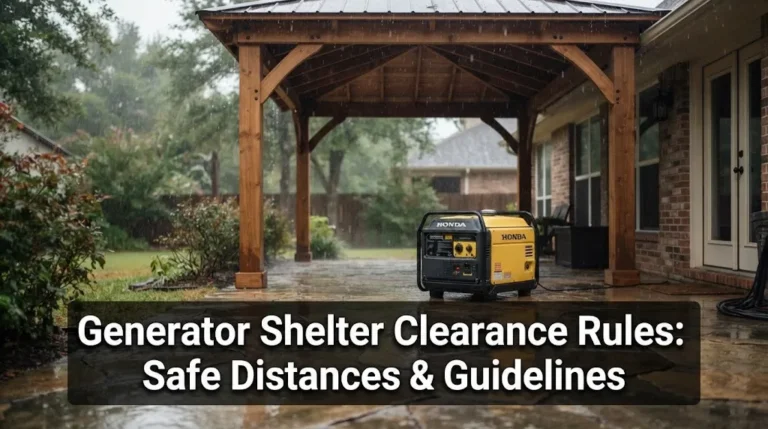
- Keep sides completely open: Never drape flaps or sides down around the generator to wall it off from blowing rain. Cross-ventilation is mandatory for engine cooling and exhaust dispersal.
- Protect electrical connections: Extension cords and plug junctions must be rated for outdoor use and kept elevated or protected from standing puddles.
How to Build a Safe Tarp Canopy Step-by-Step
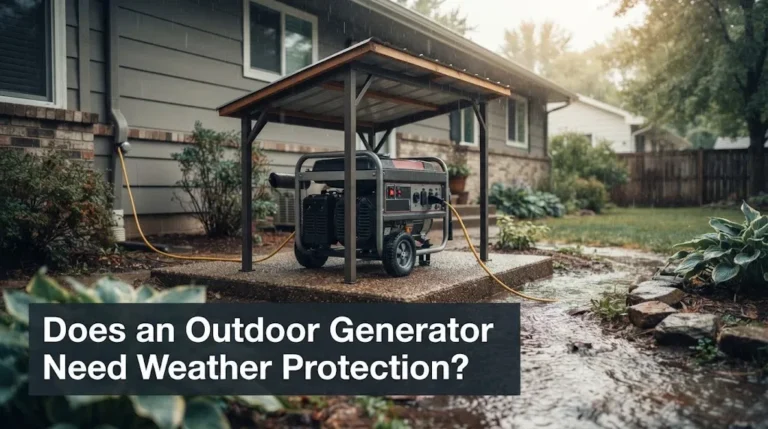
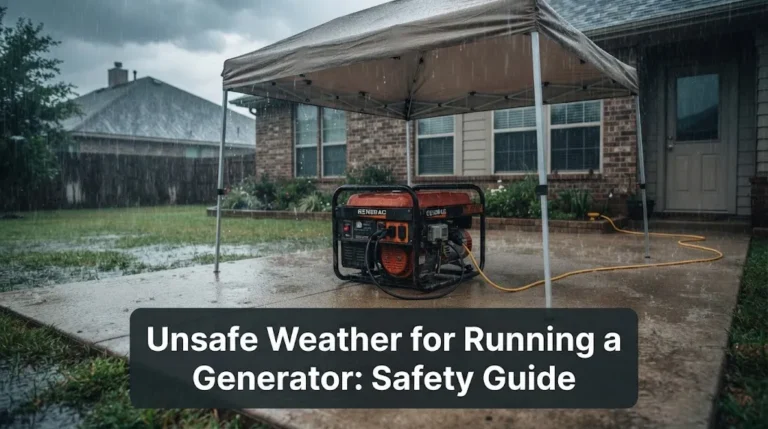
To shield your generator from rain effectively without creating a hazard, you need to construct an elevated, open-air shelter. A properly engineered setup uses a rigid frame to suspend the tarp well above the machine.
- Choose a safe outdoor location: Select a flat, well-drained spot outdoors that is safely away from your home’s exterior walls, overhangs, and vegetation. Ensure water will not pool underneath the unit.
- Construct a sturdy frame: Build an independent frame using sturdy materials such as PVC piping, metal conduit, or wooden stakes. The frame should stand at least three to four feet higher than the top of the generator.
- Secure the tarp tightly: Drape the tarp over the frame and tie it down securely with heavy-duty bungee cords or nylon ropes. Pull the fabric taut so it does not sag downward when weighted down by accumulating rainwater.
- Position the generator underneath: Move the generator into the center of the covered footprint. Verify that the exhaust muffler is pointed away from any support posts or structural elements.
- Check clearance margins: Inspect the setup from all angles to confirm there is a minimum clearance of three feet between the tarp and the generator’s hot exhaust components.
Tip
If high winds are forecasted alongside heavy rain, anchor the frame legs using sandbags or heavy weights. A loose canopy can easily catch wind and collapse onto the running unit.
Alternative Protection Methods for Wet Weather
While a DIY tarp shelter works well when constructed with extreme care, it does require manual setup and ongoing monitoring during severe weather. Depending on your equipment and frequency of use, alternative solutions may provide better peace of mind.
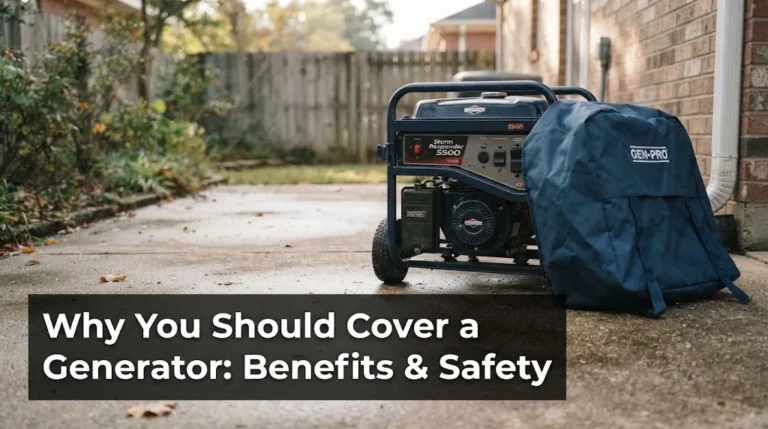
Commercial generator tents and dedicated weatherproof enclosures are engineered specifically for running portable generators in the rain. These products utilize fire-retardant fabrics, specialized fiberglass frames, and custom flaps that allow you to access the control panel while shielding the vital alternator and engine components from driving moisture.
Another option is installing a permanent transfer switch paired with a standby generator. While significantly more expensive than a portable unit and a tarp, standby systems are permanently installed outdoors within weatherproof housings designed to withstand severe weather automatically without manual covers.
Common Mistakes to Avoid When Weatherproofing a Generator
Homeowners often make critical safety errors during power outages when working in stressful, wet conditions. Avoiding these frequent mistakes prevents equipment damage and personal injury.
- Placing a tarp directly on the unit: Resting fabric on the metal housing blocks cooling airflow, traps exhaust, and creates an immediate fire hazard.
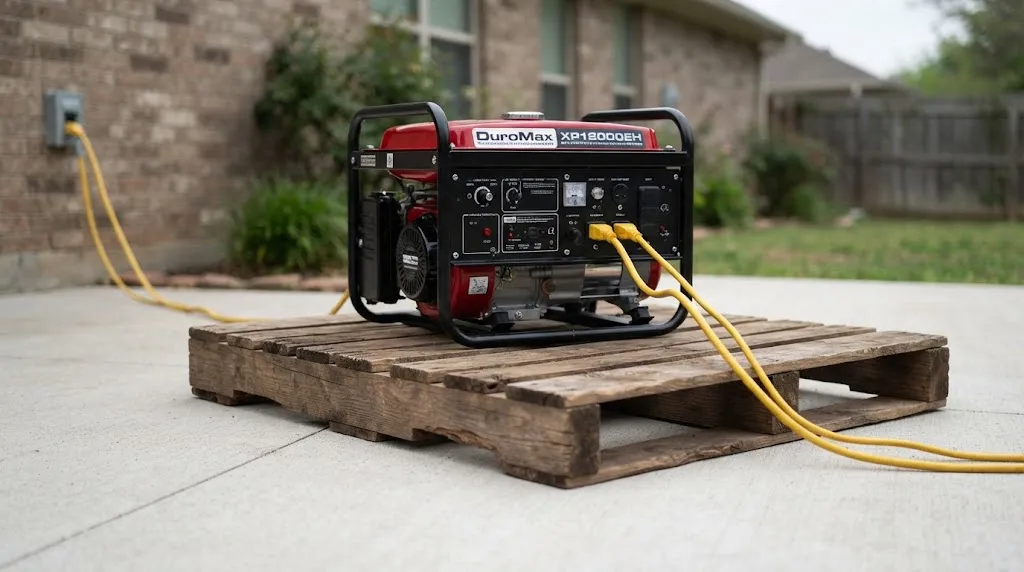
- Ignoring ground moisture: Operating a generator in a low-lying puddle increases the risk of ground faults and electrical shock. Always place the unit on a dry, elevated surface like concrete blocks or a wooden pallet.
- Refueling in the rain: Opening fuel caps while rain is falling can introduce water into the fuel tank, contaminating the gasoline and causing engine failure. Shut down the generator and let it cool before adding fuel under a dry cover.
- Using ungrounded extension cords: Running damaged or indoor-rated cords across wet grass creates severe shock hazards. Always use heavy-duty outdoor extension cords with intact grounding pins.
Related Product
Portable Generator Tent Cover
A specially engineered weather-resistant enclosure allows your portable generator to run safely in rain and snow while maintaining proper ventilation.
As an Amazon Associate, we earn from qualifying purchases.
Frequently Asked Questions
Can I run my generator in the rain without any cover?
Most portable generators feature weather-resistant designs that can withstand light mist or damp conditions. However, heavy downpours can infiltrate electrical outlets and control panels, leading to short circuits or component damage. A protective overhead shelter is always recommended during substantial storms.
How far away from the house should a generator be placed?
Safety authorities strongly recommend keeping portable generators at least 15 to 20 feet away from your home with the exhaust pointing away from doors, windows, and air intake vents to prevent deadly carbon monoxide gas from drifting inside.
What materials work best for building a generator shelter frame?
Rigid materials such as PVC pipes, metal electrical conduit, or wooden 2x4s work best to build a sturdy frame. Avoid using flimsy materials that could bend or collapse under heavy wind or rain weight.
Will a tarp melt if it touches a hot generator?
Yes. Standard polyethylene and vinyl tarps melt easily when brought into direct contact with a hot engine block or exhaust muffler. This creates an extreme fire hazard and ruins the tarp.
Can I use a car cover to protect my generator in the rain?
Vehicle covers are designed to fit snugly over cold cars and should never be used on a running generator. A tight cover traps heat and exhaust gases, creating severe overheating and carbon monoxide risks.
What should I do if my generator gets soaked in the rain?
If your generator gets drenched while running or turned off, shut it down immediately and disconnect all loads. Do not attempt to start it until the unit has dried completely and a qualified technician has inspected the electrical windings and outlets for moisture damage.
Conclusion
Protecting a portable generator from rain is essential for preventing electrical damage, but safety must always take precedence over weatherproofing. Never drape a tarp directly over a running unit, as this traps lethal exhaust and creates an extreme fire hazard. By building a rigid, well-ventilated overhead frame and keeping the sides completely open, you can safely shield your equipment from heavy downpours while ensuring uninterrupted airflow and reliable emergency power.

Hi, I’m Michael Turner. I own a generator workshop in the United States and founded HomeGeneratorBlog to share practical, hands-on guidance about generator installation, maintenance, troubleshooting, safety, and backup power solutions. My goal is to help homeowners make smarter, more confident decisions through clear and reliable information