
Can Heavy Rain Damage a Running Generator? Safety Facts
Quick Answer
Yes, heavy rain can damage a running generator, and it creates a serious shock and electrocution hazard. Consumer-grade portable generators are not weatherproof, and manufacturers along with the U.S. Consumer Product Safety Commission (CPSC) explicitly warn against running them directly in rain or wet conditions. Water entering the outlets, control panel, or alternator can cause short circuits, damage components, and turn the unit into an electrical danger.
Why Rain Is Dangerous for a Running Generator
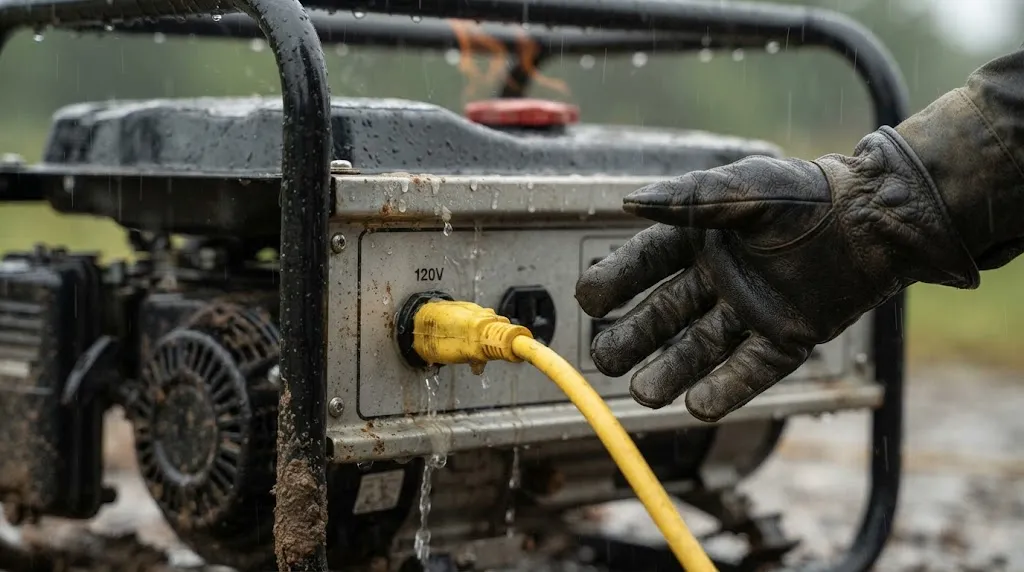
A running generator combines three things that do not mix well with water: live electrical current, a hot engine, and flammable fuel. When rain reaches the wrong parts, the consequences range from a dead generator to a life-threatening shock.
The most immediate risk is electrical. Water entering the outlets, plug connections, or the control panel can create a path for current to reach the frame or the person handling the cords. The CPSC warns that consumer-grade generators are not weatherproof and can cause electrocution and shock when used in wet conditions. Generac’s own safety guidance states plainly: “Never operate your generator in the rain or on a wet surface. Electricity and water don’t mix.”
Inside the unit, moisture can reach the alternator and voltage regulator. A short circuit there may destroy sensitive electronics, melt wiring, or cause arcing. Arcing near fuel vapors or hot engine parts introduces a fire risk on top of the shock hazard.
Warning
Never drape a tarp or plastic sheet over a running generator to keep rain off. This traps heat and exhaust, creating a fire hazard and a carbon monoxide risk. Only use a purpose-built running cover that allows ventilation and exhaust escape.
What Damage Can Heavy Rain Actually Cause?
The damage depends on how much water reaches the unit and where it enters. Light splashing or high humidity is usually less severe than direct rainfall onto an uncovered control panel.
Water in the outlets is the fastest route to a shock hazard. If a plug is inserted and water bridges the connection, the person touching the cord or the appliance can become part of the circuit. This is why the CPSC advises waiting for rain to pass before using a consumer-grade generator.
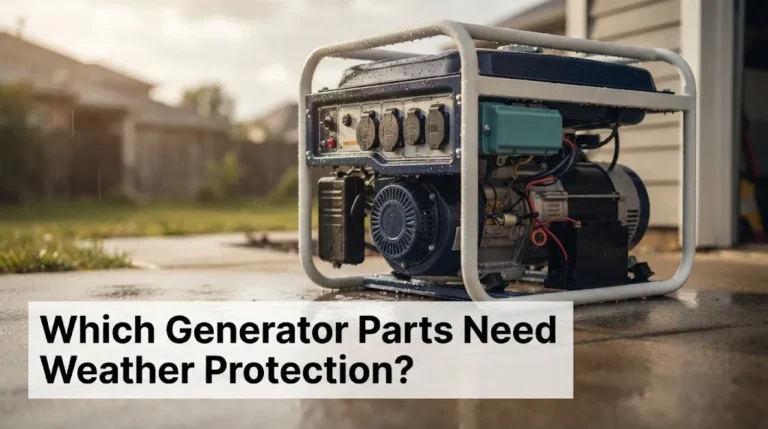
Water that enters the housing and reaches the alternator or circuit board can cause corrosion, short circuits, and component failure. Even if the generator continues running, the damage may not appear until the next time you start it. Moisture inside the engine’s electrical system can also affect the ignition and charging components over time.
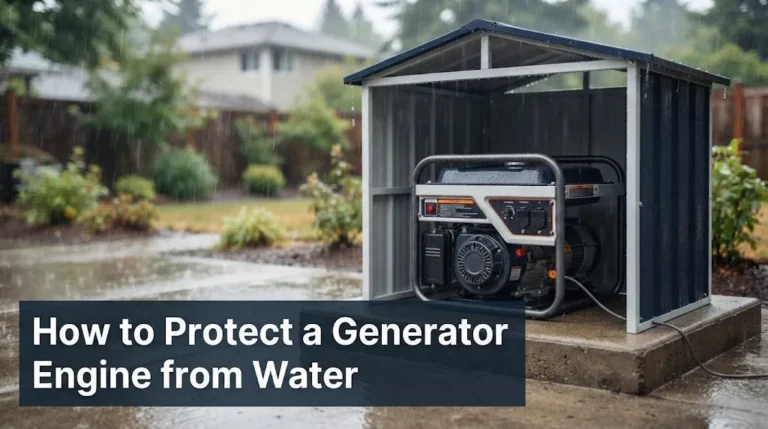
There is a difference between a portable open-frame generator and a permanently installed home standby unit. Standby generators are designed with weather-resistant enclosures and are tested against rain intrusion. Portable generators, even those with some covering over the outlets, are not built to the same standard. The CPSC’s analysis notes that portable generator output connections must remain accessible to the user, which makes full weatherproofing difficult.
How to Tell If Your Generator Has Taken On Water
If a generator has been running in heavy rain, or you suspect water has entered it, stop and inspect before continuing to use it or restarting it.
Look for visible moisture around the outlets, switches, and control panel. Water pooling on the frame or dripping from the housing is a clear sign to shut down and move the unit to a dry area. If the generator is running, remove the electrical load first, then shut it down following the manufacturer’s procedure.
Check the extension cords and plug connections. If they are wet, do not handle them with bare hands. Dry your hands, stand on a dry surface, and disconnect the cords only after the generator is off. Cords that have been submerged or heavily soaked should be inspected for damage and replaced if there is any sign of cracking or water inside the connectors.
If the generator was exposed to water and will not start, or if it starts but the outlets do not provide power, internal components may have shorted. Do not attempt to open the alternator or control panel unless you are qualified to work on generator electrical systems. Moisture damage inside those components can be dangerous to diagnose without proper training.
Can You Run a Generator in Rain at All?
The safest answer is no, not in direct rain. But storms often cause the outages that make a generator necessary, so the practical question is how to run one when rain is present without taking unacceptable risks.
The first requirement is a dry, elevated location outdoors. The generator must stay at least 20 feet from doors, windows, and vents to keep carbon monoxide out of the home. Within that constraint, place it on a surface where water does not pool, such as a concrete pad, wooden pallet, or cinder blocks. Never set it directly on wet grass or in a low spot where runoff collects.
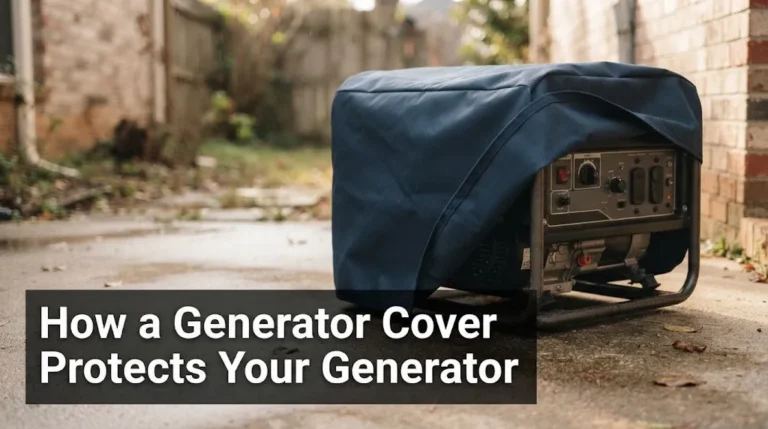
The second requirement is protection that does not block ventilation. A generator running cover is designed to shield the top and sides while allowing air to flow and exhaust to escape. These are not the same as a storage cover, which should never be used while the generator is running. A tarp is not a substitute. If you use a running cover, confirm it is compatible with your generator model and that it does not obstruct the exhaust outlet.
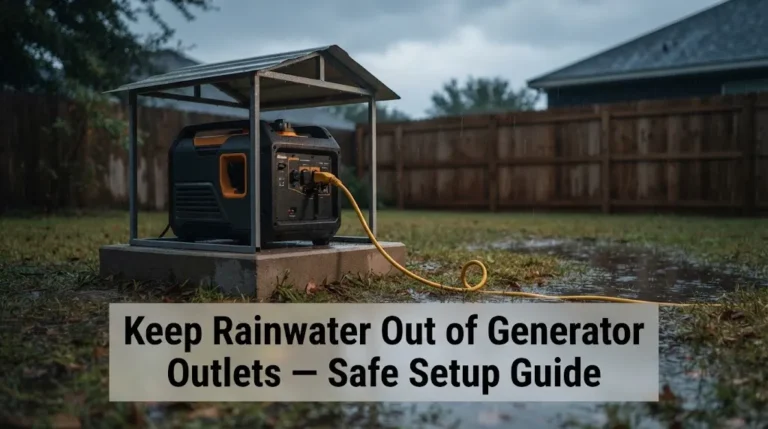
The third requirement is keeping the electrical connections dry. Route extension cords so they run downhill from the generator to the appliance, creating a drip loop before the plug. This way, water running along the cord drops off instead of entering the outlet. Use outdoor-rated cords with a ground fault circuit interrupter (GFCI) if possible. A GFCI will trip if current leaks to ground, which can happen when moisture reaches a connection.
Tip
Before storm season, test your generator under load in dry conditions. A unit that starts and runs smoothly when dry is easier to manage in bad weather, and you will know its normal sound and behavior, making it easier to notice a problem if moisture does get in.
What the Manufacturer and Safety Authorities Say
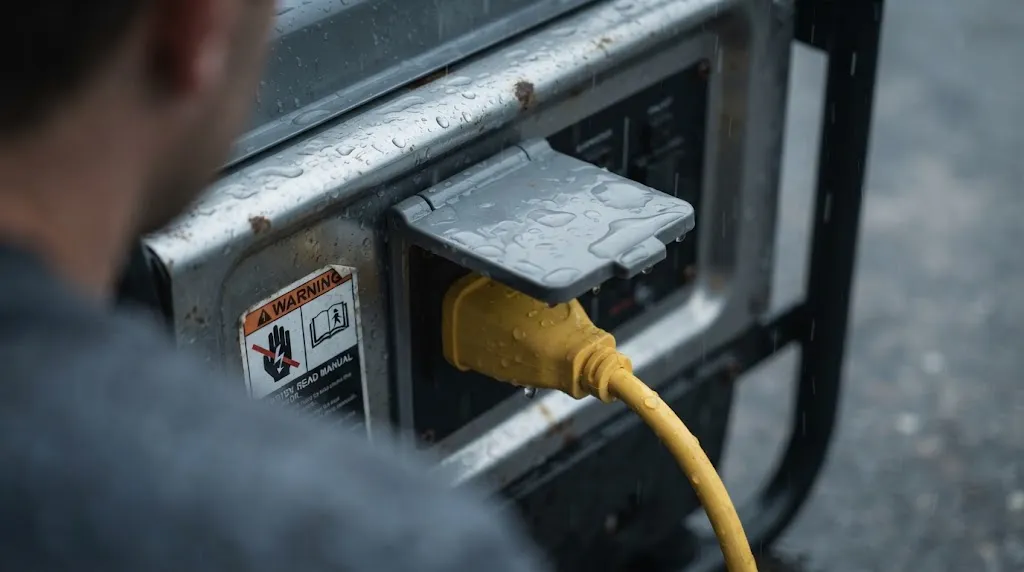
The warnings from manufacturers and government agencies are consistent and direct. Generac’s portable generator safety page tells users never to operate the generator in rain or on a wet surface. The company’s support documentation for storm preparation repeats the instruction to keep the unit dry and out of the rain during operation.
The CPSC has issued repeated storm-safety warnings over the years with the same core message: use portable generators outdoors in a dry area, and wait for rain to pass before operating a consumer-grade unit. These warnings are not theoretical. They come from incident data involving electrocution and carbon monoxide poisoning during and after storms.
One detail worth understanding is that a generator may have a weather-resistant feature that does not make it rain-safe. Some portable models include a cover over the outlet panel, but the CPSC’s analysis points out that these covers are often flat and do not provide protection when a plug is inserted. The cover protects the outlet when unused, not during operation with cords connected.
Safer Alternatives When Rain Is Persistent
If the outage lasts through prolonged heavy rain and you cannot safely keep a fuel-powered generator dry, consider what the generator is actually powering. A portable power station with a lithium battery produces no exhaust and can be used indoors or in a sheltered area when the manufacturer’s instructions allow. These units have limited capacity compared with a fuel generator, but for keeping a refrigerator cold, charging phones, and running a few lights, they may cover the need without the rain exposure risk.
If you must rely on a fuel generator through a storm, the safest approach is preparation: have a running cover that fits your model, a dry elevated location selected in advance, and outdoor-rated cords with drip loops. Then monitor the weather. If the rain becomes heavy enough that water is pooling around the unit or blowing into the control panel, shut it down and wait.
For broader guidance on choosing and maintaining a backup power setup, see our overview of portable generator safety practices.
Frequently Asked Questions
Can a generator run in light rain without damage?
Light rain still carries risk. The CPSC and manufacturers do not distinguish between light and heavy rain in their warnings; consumer-grade generators are not weatherproof, and any moisture reaching the outlets or internal electrical components can cause a shock hazard or short circuit. A running cover and elevated placement reduce the risk, but they do not make the generator waterproof.
What happens if water gets into a running generator’s outlets?
Water in the outlets can create a path for electrical current to reach the frame or the person handling the cords. This can cause a severe shock or electrocution. Internally, water can short the outlet wiring or trip a breaker. If the outlets have been exposed to water, shut down the generator, disconnect the load only if you can do so safely, and let the unit dry before inspecting or restarting.
Can I use a plastic tarp to cover my generator in the rain?
No. A tarp traps engine heat and exhaust, which can melt wiring, ignite the tarp, or cause dangerous heat buildup. It can also redirect carbon monoxide in unexpected ways. Only use a purpose-built generator running cover that is designed for your model and allows proper ventilation and exhaust escape.
Is a home standby generator safe in heavy rain?
Permanently installed standby generators are designed with weather-resistant enclosures and tested against rain intrusion. Briggs & Stratton, for example, puts its standby units through a rain test that sprays every face of the enclosure while the unit runs. That does not mean they are immune to flooding or standing water. If water pools around or inside the housing, the generator should be shut down and inspected before use.
How long should a generator dry out after getting wet?
There is no universal drying time because it depends on how much water entered and where it went. A unit that was splashed on the outside may dry in a few hours in a warm, ventilated space. A unit that took water into the outlets or housing should not be restarted until it has been inspected. If you are unsure whether water reached internal components, have a qualified technician check it before running it again.
Can I run a generator under a carport or open-sided shed during rain?
An open-sided structure may keep rain off the generator, but it does not solve the carbon monoxide problem. Carbon monoxide can accumulate in any partially enclosed space, even one with open sides. Generators must run outdoors, away from walls, windows, doors, and vents. If the structure has a roof and walls on even two or three sides, treat it as enclosed and do not run a generator inside it.
Conclusion
Heavy rain can absolutely damage a running generator, and the bigger concern is the risk to you. Water in the outlets or internal wiring creates a shock hazard that the CPSC and every major manufacturer warn against. If the power is out and rain is falling, the safe sequence is to keep the generator dry, elevated, and outdoors, use a proper running cover if you have one, and shut it down if conditions worsen. The generator is replaceable. The person standing next to it in wet conditions is not.

Hi, I’m Michael Turner. I own a generator workshop in the United States and founded HomeGeneratorBlog to share practical, hands-on guidance about generator installation, maintenance, troubleshooting, safety, and backup power solutions. My goal is to help homeowners make smarter, more confident decisions through clear and reliable information
One Comment