Can You Run a Generator With a Cover Over It? (Safety Guide)
Quick Answer
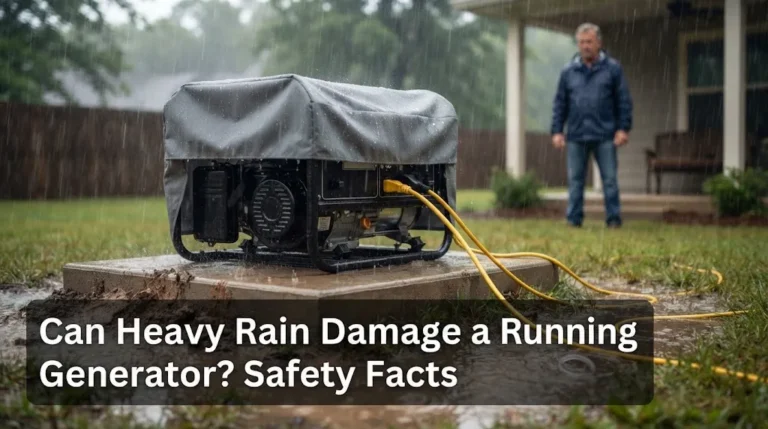
No, you should never run a portable generator with a standard storage, fabric, or vinyl cover fitted over it. Doing so severely restricts vital engine airflow, causing the unit to overheat, melt plastic components, or start a fire. However, you can use specialized, open-air ventilated generator tents or running covers explicitly engineered to allow airflow while protecting the machine from rain and snow.
The Core Hazard: Why Standard Covers Trap Heat and Exhaust
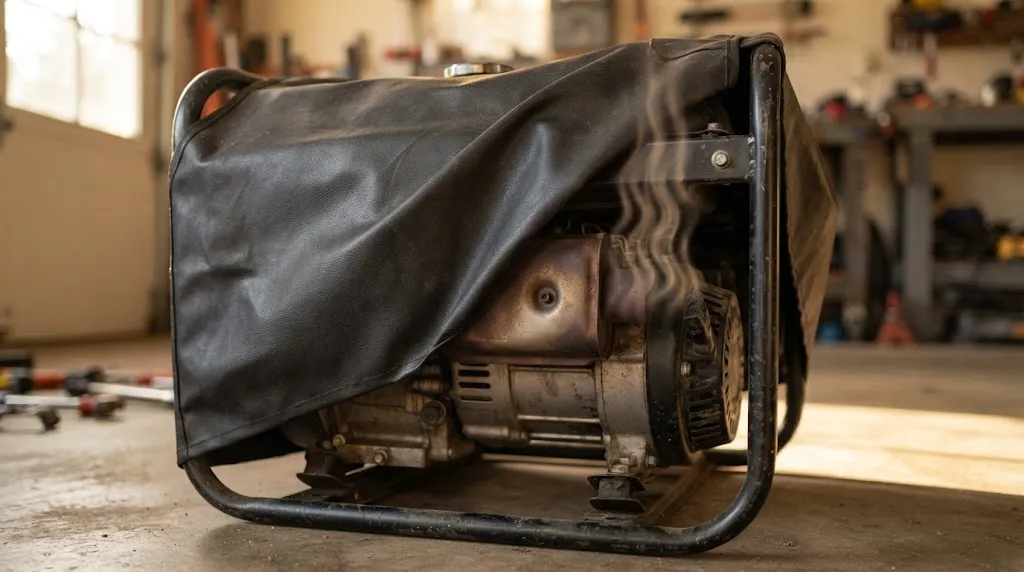
When operating a portable generator, the engine and alternator generate an immense amount of heat. To keep internal temperatures within safe operating limits, portable generators rely on continuous, unobstructed airflow pulled in by internal cooling fans.
Standard storage covers are designed exclusively for idle protection against dust, UV rays, and moisture when the unit is turned off. They fit snugly and create a sealed barrier.
Placing a standard storage cover over a running generator creates an immediate thermal hazard:
- Airflow Restriction: The engine cannot draw in fresh air for combustion or cooling.
- Thermal Runaway: Trapped heat causes internal engine components, windings, and plastic housing to melt or warp.
- Exhaust Accumulation: Carbon monoxide and hot exhaust gases can get trapped beneath the fabric, increasing the risk of fire or engine asphyxiation.
- Fire Risk: High exhaust temperatures can easily ignite standard canvas, vinyl, or nylon storage materials pressed against hot metal parts.
Understanding the Difference Between Storage Covers and Running Covers
A common point of confusion for homeowners during stormy power outages is assuming all generator covers function the same way. In reality, the marketplace divides generator protection into two entirely distinct categories.
Recognizing the difference prevents dangerous DIY mistakes:
- Storage Covers: These are airtight, tightly fitted shields made of heavy vinyl or canvas. They wrap completely around an idle generator to keep out rain, dust, and debris while stored in a garage or shed. They must be completely removed before starting the engine.
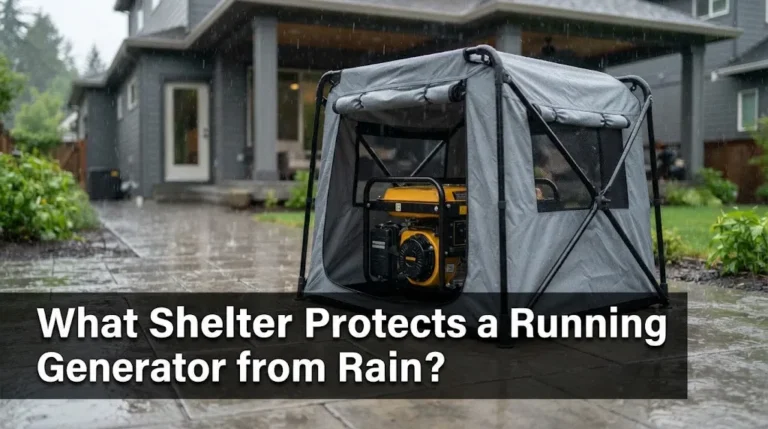
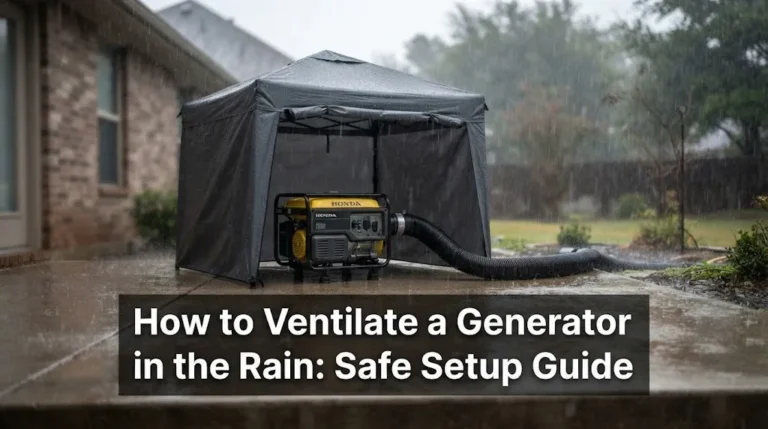
- Running Covers (Generator Tents): These are specialized, rigid-framed canopies or open-sided shelters constructed from fire-retardant materials. They feature roll-up flaps, mesh screens, or clearance gaps that allow complete exhaust ventilation and unhindered intake airflow while the generator operates in wet weather.
Warning
Never modify a standard storage cover by cutting holes in it for the exhaust or intake. Fabric tears easily under vibration, and makeshift openings rarely provide enough thermal clearance, leaving the unit vulnerable to melting and ignition.
How to Safely Run a Generator in Wet Weather
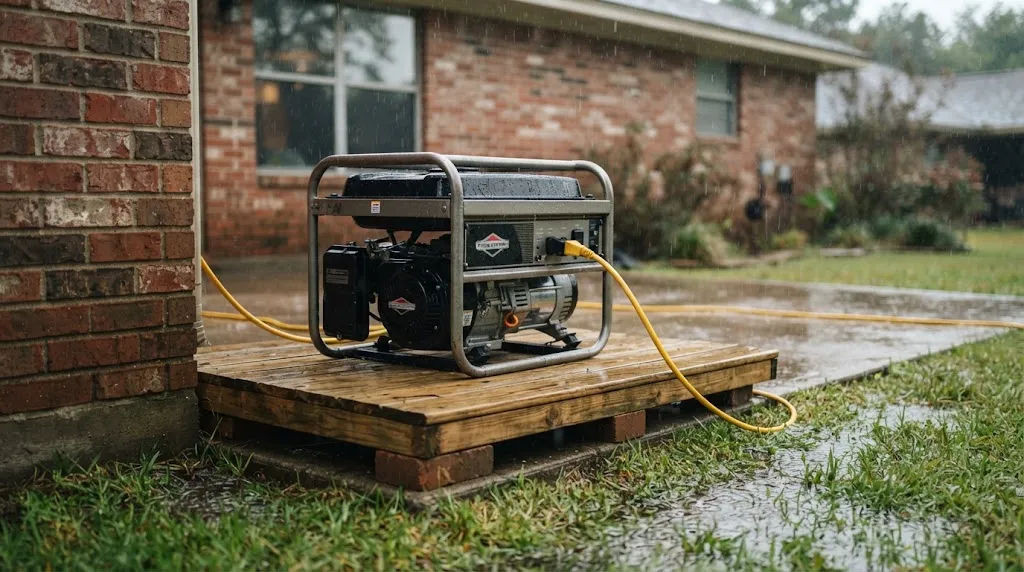
Operating a generator in the rain, snow, or sleet presents a dangerous dual challenge: electrical shock hazards and engine moisture damage. Covering the unit incorrectly solves neither problem safely.
To run your generator safely during bad weather without trapping heat, follow these operational guidelines:
- Position Away from Structures: Keep the generator at least 20 feet away from your home, directing the exhaust muffler away from all doors, windows, and ventilation intake vents.
- Use a Certified Running Tent: Invest in a weather-resistant canopy specifically rated for wet-weather operation. These tents anchor securely over the frame and leave the exhaust side completely open.
- Elevate the Base: Place the generator on a dry, flat, elevated platform to prevent standing water or pooling runoff from reaching the electrical outlets and frame.
- Protect Outlets: Ensure all connected heavy-duty extension cords are rated for outdoor wet locations and that built-in GFCI outlets are functioning correctly.
Carbon Monoxide Risks and Proper Ventilation
Managing heat is only half of the safety equation. Portable generators emit lethal levels of carbon monoxide (CO), an odorless, colorless gas that can accumulate rapidly in enclosed spaces.
When people attempt to cover a generator—whether with a tarp, inside a cramped shed, or under a tight porch overhang—they inadvertently trap exhaust gases near the unit. If wind shifts or pressure builds, those fumes can easily drift toward living spaces.
Always maintain total cross-ventilation around the entire perimeter of the machine. A proper running tent maintains open side walls or mesh skirts that allow exhaust gases to dissipate instantly into the open air rather than pooling underneath a fabric pocket.
Tip
Always test your home’s battery-operated carbon monoxide detectors before starting a portable generator during a storm, placing alarms near sleeping areas to ensure early warning if fumes migrate.
What to Do If Your Generator Gets Wet
If a sudden downpour catches you off guard and water infiltrates an uncovered generator, running it immediately can cause severe electrical shorts, damage the alternator winding, or ruin the control panel.
Take these steps if moisture penetrates the unit:
- Shut Down Immediately: Turn off the engine and unplug all connected appliances and extension cords right away.
- Allow Complete Cooling: Let the engine cool down completely before attempting any inspection or maintenance.
- Inspect Electrical Components: Check outlets, circuit breakers, and control panels for visible standing water or moisture intrusion.
- Dry Thoroughly: Use a clean microfiber towel or compressed air to clear moisture from accessible housings, and allow the unit to sit uncovered in a dry, protected outdoor area until all internal condensation evaporates.
Alternative Weather Protection Options
If you live in an area prone to severe weather, hurricanes, or heavy winter snowstorms, relying on makeshift tarps is inefficient and unsafe. Several robust structural solutions offer better protection:
- Permanent Generator Enclosures: Specially built outdoor enclosures or sheds designed with heavy-duty louvered vents provide year-round protection and proper airflow.
- Eave Placement with Clearance: Operating a generator under an open patio overhang can work only if the roofline is high enough, walls are completely open on at least three sides, and exhaust is pointed outward.
- Custom Running Covers: Brand-specific running covers attach directly to the tubular steel frame of popular generator models, shielding the electrical panel and top engine shroud while keeping the exhaust and intake channels completely free.
Related Product
Portable Generator Running Tents & Weather Covers
Protect your portable generator from rain and snow while maintaining safe, unobstructed airflow and exhaust clearance during operation.
As an Amazon Associate, we earn from qualifying purchases.
Frequently Asked Questions
Can I use a regular blue tarp over my running generator?
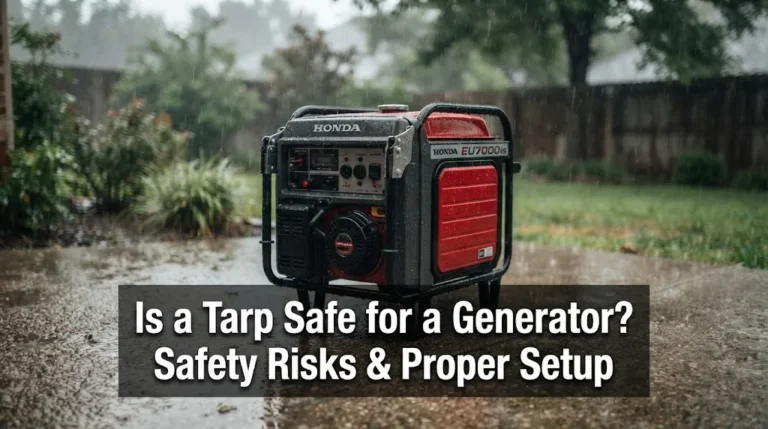
No. Standard plastic tarps can easily sag, touch the hot exhaust muffler, melt, and catch fire. Furthermore, a low-hanging tarp traps exhaust gases and engine heat, creating a severe fire and carbon monoxide hazard.
How far away from the house should a generator run?
Safety authorities recommend keeping portable generators at least 20 feet away from your home with the engine exhaust pointing away from all doors, windows, and air intake vents to prevent deadly indoor carbon monoxide poisoning.
Can generators run in light rain without a cover?
Most portable generators feature some degree of weather resistance, but running them in heavy downpours without overhead protection can short out electrical outlets and damage sensitive components. Always use a ventilated running tent or cover during wet conditions.
What happens if a generator overheats due to restricted airflow?
Severe overheating can cause oil breakdown, warped piston rings, melted wiring insulation, damaged alternator windings, and permanent engine seizure, rendering the generator completely inoperable.
Are running covers waterproof?
Quality running covers and generator tents are water-resistant and feature sloped roofs to shed rain away from the machine, but they are engineered with open mesh panels or flaps to ensure continuous ventilation rather than acting as a sealed waterproof bag.
Can I leave a storage cover on my generator when it’s not running?
Yes. When the generator is completely shut down, cooled down, and stored in a garage or shed, a tight-fitting storage cover is ideal for protecting the unit from dust, dirt, and moisture accumulation.
Conclusion
Running a portable generator with a standard storage cover is a dangerous fire hazard that restricts critical cooling airflow and traps lethal exhaust gases. While protecting your equipment from rain and snow during bad weather is essential, you must rely exclusively on specialized, ventilated running tents or canopies designed specifically for active operation. By keeping your generator properly ventilated, positioned safely away from living areas, and shielded with breathable equipment, you can maintain reliable backup power without risking equipment damage or personal safety.

Hi, I’m Michael Turner. I own a generator workshop in the United States and founded HomeGeneratorBlog to share practical, hands-on guidance about generator installation, maintenance, troubleshooting, safety, and backup power solutions. My goal is to help homeowners make smarter, more confident decisions through clear and reliable information