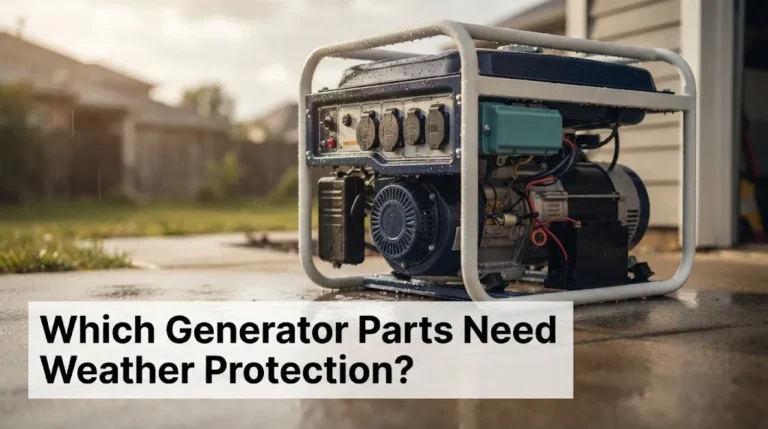
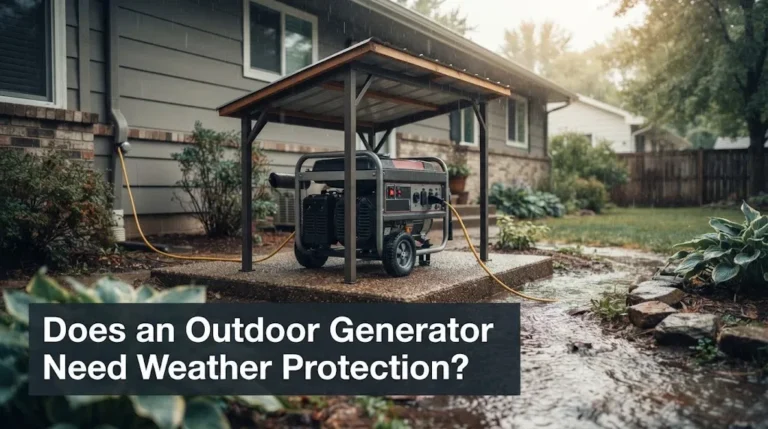
How to Cover a Generator Safely Without Blocking Airflow
Quick Answer
To cover a portable generator without blocking ventilation, use a purpose-built generator tent or a running-cover enclosure specifically designed to allow exhaust venting and cooling airflow while protecting the unit from rain and snow. Never use standard plastic tarps, tightly enclosed sheds, or garbage bags while the generator is operating, as these trap lethal carbon monoxide and cause severe engine overheating.
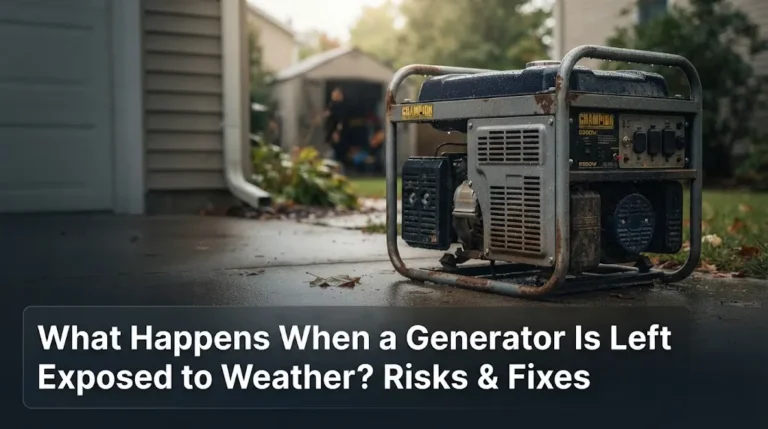
Operating a portable generator during bad weather creates a frustrating dilemma. Electrical components and moisture do not mix, yet running a combustion engine in an enclosed space can quickly lead to fatal carbon monoxide poisoning. Finding the balance between weather protection and adequate airflow is essential for safe operation.
Whether you are preparing for a storm or trying to keep a backup power source running through a heavy downpour, understanding how to shield your equipment properly prevents both electrical damage and dangerous airflow restrictions.
Why Normal Tarps and Enclosures Fail
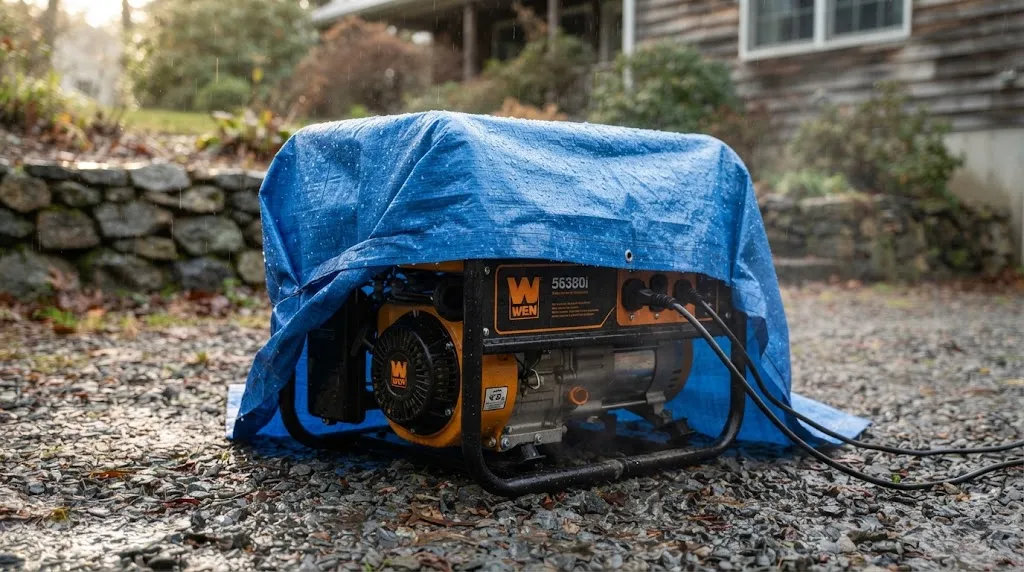
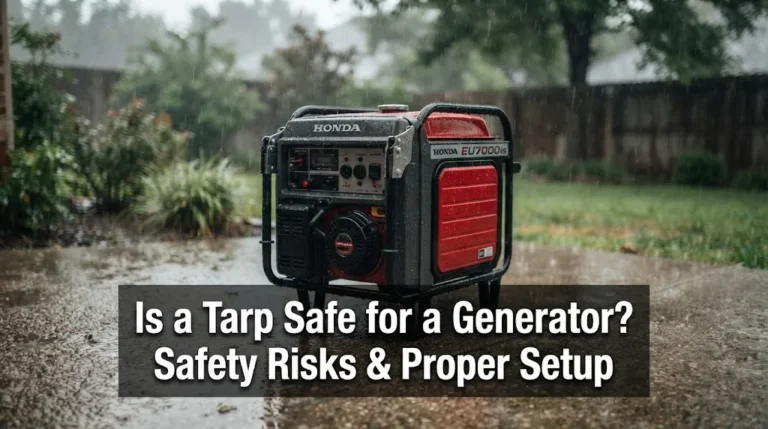
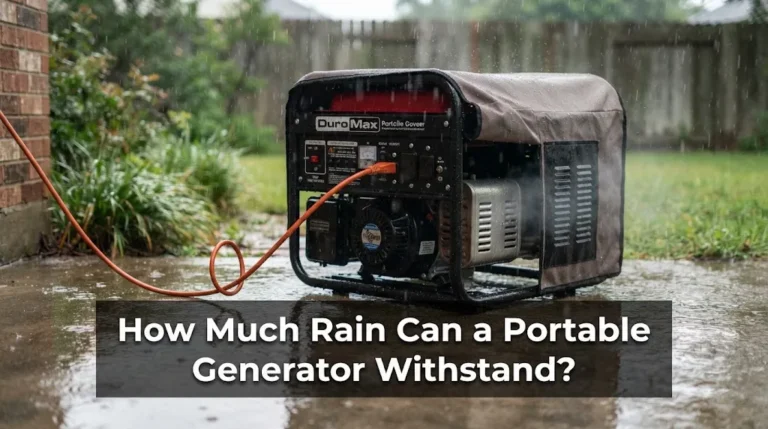
A common mistake during storms is throwing a standard plastic tarp or canvas drop cloth over a running generator. While this blocks rain, it creates two major hazards: restricted ventilation and trapped exhaust.
Air-cooled portable generators pull in ambient air to cool the alternator and engine block, and they expel hot exhaust gases through a dedicated muffler port. Restricting intake or exhaust airflow causes the engine temperature to spike rapidly. Overheating damages plastic components, degrades lubricating oil, and can warp internal engine parts.
Warning
Never operate a generator inside a garage, shed, crawlspace, or partially enclosed porch—even with doors or windows open. A standard cover draped tightly over a unit outdoors can also redirect exhaust fumes back toward intake vents or living spaces, increasing the risk of carbon monoxide poisoning.
Safe Methods for Covering a Running Generator
Protecting your equipment from moisture while it runs requires specialized gear designed to maintain clearance around hot surfaces and exhaust paths. Several tested approaches allow you to run a generator safely in wet conditions.
1. Using a Weatherproof Generator Tent
A running generator tent, sometimes called a canopy or skirt system, is engineered specifically for wet-weather operation. These frames assemble directly over the portable generator, leaving several feet of open space around the perimeter for unrestricted air intake.
Most commercial tents feature marine-grade fabric, sloped roofs to shed rain, and adjustable side flaps that roll up or detach. The exhaust side remains completely open, ensuring toxic gases vent freely into the open air away from the structure.
2. Constructing a DIY Open-Sided Shelter
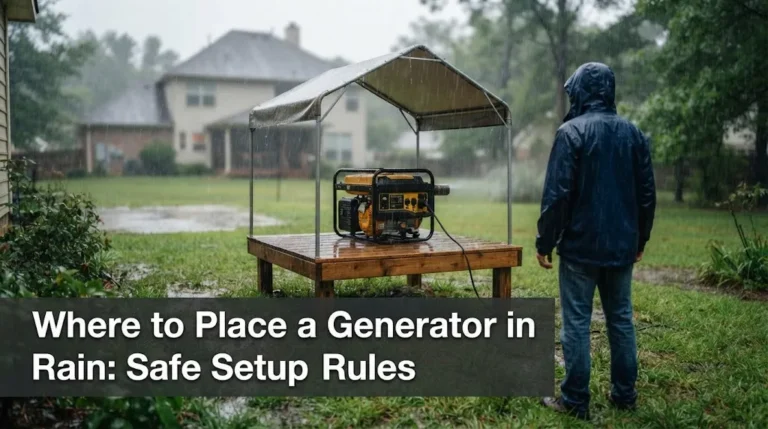
If you prefer a permanent or semi-permanent outdoor setup, you can build a small, open-air lean-to or roof structure anchored away from your home. The key requirement is that at least two adjacent sides—or all four sides with high clearance—remain wide open to allow cross-ventilation.
Ensure the roof is high enough above the top of the generator exhaust to prevent heat accumulation. A good rule of thumb is maintaining a minimum of three to five feet of vertical clearance above the unit.
Critical Airflow Requirements to Keep in Mind
Maintaining adequate airflow involves more than just keeping the exhaust pipe clear. Generators rely on steady cooling air circulation to prevent thermal overload.
Air must be able to flow freely across the alternator windings and cylinder head. If you use a specialized tent or shelter, inspect the perimeter regularly to ensure wind-blown debris, leaves, or snowdrifts do not block the lower intake vents.
Tip
Always position the exhaust outlet pointing away from your home, windows, doors, and fresh air intakes, regardless of whether you are using a protective cover or tent.
When and How to Use Storage Covers
It is important to distinguish between a running cover and a storage cover. Heavy-duty vinyl or canvas storage covers protect your generator from dust, UV rays, and moisture when the engine is turned off and completely cooled down.
Putting a storage cover on a hot generator traps residual heat, which can degrade electrical insulation and melt plastic parts. Always allow the engine to cool for at least 30 minutes before installing a tight storage cover.
Common Mistakes to Avoid

Avoiding common setup errors protects your investment and ensures your safety during emergency power outages.
- Using bungee cords to strap tarps down: Pulling a plastic tarp tight against the frame blocks air vents and creates a fire hazard near hot exhaust components.
- Ignoring wind direction: Heavy winds can drive rain sideways under a canopy, wetting electrical panels. Ensure your shelter has adequate overhangs or adjustable wind flaps.
- Placing the unit too close to walls: Even with a proper cover, running a generator within five feet of a vertical wall restricts airflow and traps exhaust gas.
- Ignoring manufacturer clearance guidelines outlined in your specific user manual.
Related Product
Portable Generator Running Tent
A weatherproof canopy designed to shield your portable generator from rain and snow while maintaining open airflow around the engine and exhaust.
As an Amazon Associate, we earn from qualifying purchases.
Frequently Asked Questions
Can I use a plastic tarp if I leave the sides open?
Improvising with a tarp can work in an emergency if it is securely suspended as an overhead awning with open space on all sides. However, standard tarps lack structural support frames, making them prone to sagging under wind or rain and collapsing onto hot engine parts.
How much clearance does a generator need for ventilation?
Most manufacturers recommend a minimum of 3 to 5 feet of clear space on all sides of the generator, as well as several feet of vertical clearance above the exhaust, to ensure proper cooling airflow and prevent exhaust accumulation.
Will rain damage a generator if it gets wet?
Direct moisture on electrical outlets, control panels, and alternator windings can cause short circuits, electrical shock, or permanent component failure. While running generators are built to withstand some ambient moisture, heavy rain requires proper overhead shielding.
Can I run a generator inside a metal shed if the doors are open?
No. Enclosed sheds lack sufficient cross-ventilation to disperse deadly carbon monoxide gas safely. Even with wide-open doors, heavy exhaust fumes can pool inside the structure and present a severe safety hazard.
How do I know if my generator is overheating due to poor airflow?
Signs of overheating include an unusual burning smell, sudden engine shutdown (thermal overload protection), warped plastic housing, or excessively hot exhaust components. If you suspect overheating, shut the unit down safely and allow it to cool before inspecting the intake vents.
Are running tents compatible with all generator models?
Most universal running tents feature adjustable frames that fit standard frame sizes ranging from 3,000 to 10,000 watts. Always check the dimensions of your specific generator against the canopy specifications before purchasing.
Conclusion
Covering a portable generator safely requires prioritizing both moisture protection and unrestricted airflow. Using a specialized running tent or an open-air canopy keeps your equipment dry during wet weather while preventing dangerous exhaust buildup and engine overheating. Avoid makeshift plastic tarps that tightly wrap the unit, and always maintain ample clearance around intake and exhaust ports to ensure safe, reliable backup power.

Hi, I’m Michael Turner. I own a generator workshop in the United States and founded HomeGeneratorBlog to share practical, hands-on guidance about generator installation, maintenance, troubleshooting, safety, and backup power solutions. My goal is to help homeowners make smarter, more confident decisions through clear and reliable information