How to Protect a Generator from Wind-Driven Rain (Safely)
Quick Answer
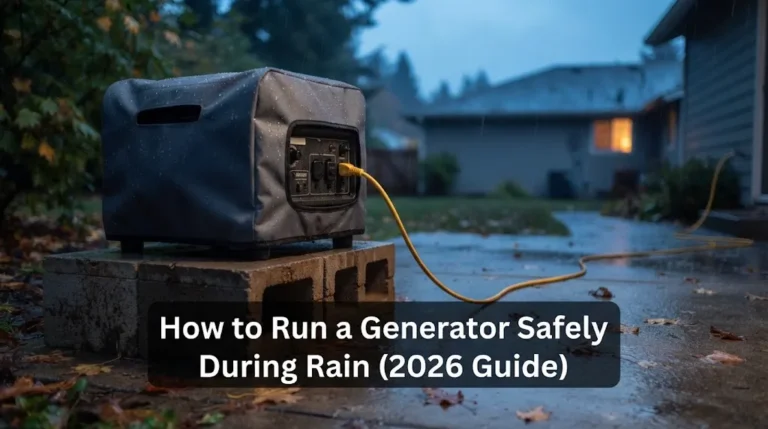
Protect a generator from wind-driven rain with a purpose-built “running cover” that shields the electrical panel while leaving the exhaust and cooling vents fully open. If you build a shelter instead, use a simple roofed lean-to with at least three to four feet of clearance on all sides. Never drape a tarp or standard storage cover over a running generator.
Why Wind-Driven Rain Is Harder on a Generator Than Ordinary Rain
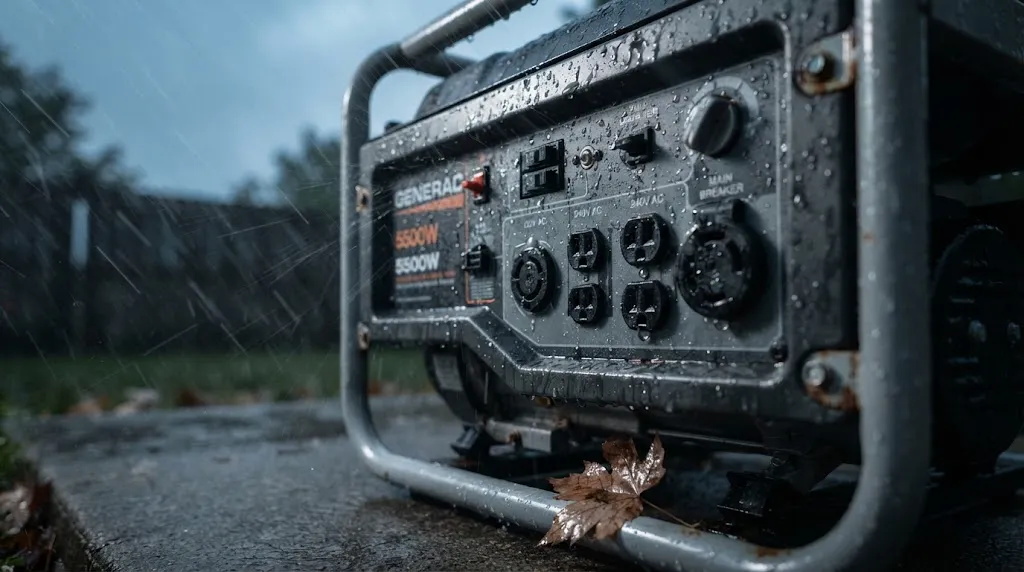
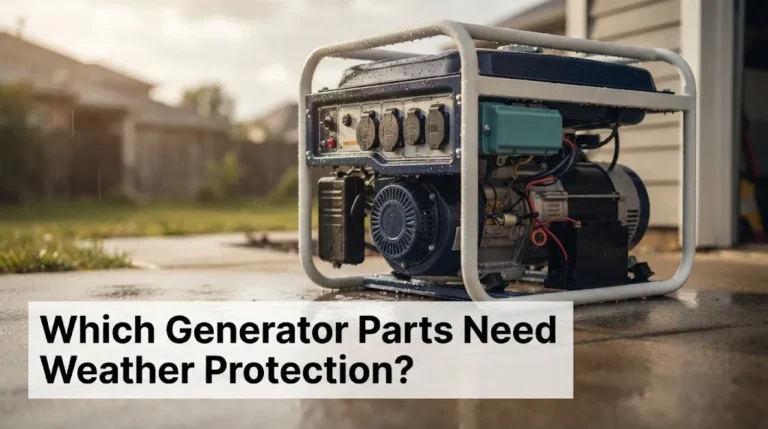
Straight-down rain mostly wets the top of the unit. Wind-driven rain hits at an angle and reaches the parts that matter most: the outlets, the control panel, and the breaker switches. A flat board or a basic canopy often leaves those side-facing components exposed.
Popular Mechanics notes that exposing a generator to heavy rain creates an electrocution risk, not just a risk of equipment damage . Water entering a live 120V or 240V socket gives current a path to the frame. That is the hazard you are actually trying to prevent.
The second hazard is carbon monoxide. Any cover you add must keep the exhaust flowing away from the unit and away from the house. A shelter that solves the rain problem but traps exhaust has made the situation worse, not better.
The Safest Option: A Running Cover Designed for Wet Weather
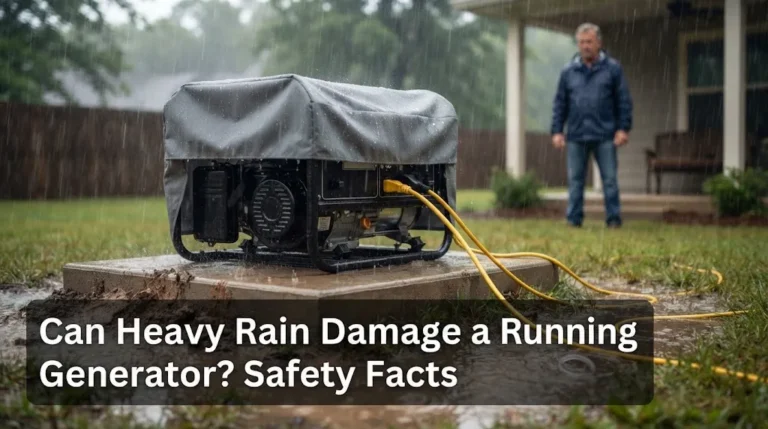
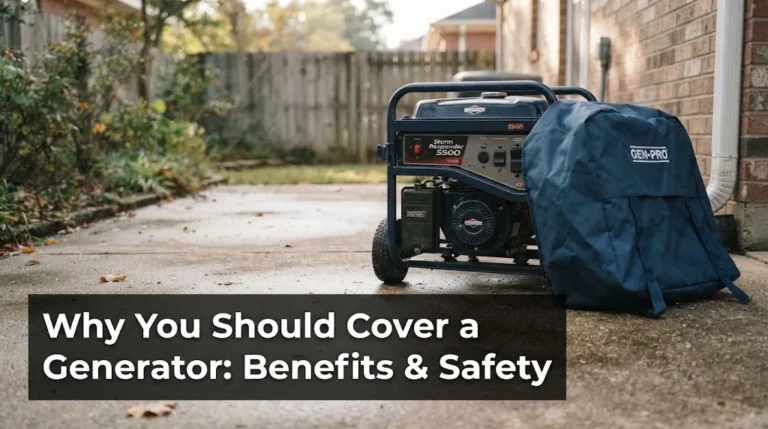
A running cover is the most practical solution for most homeowners. These are not the thin fabric bags that come with a generator for storage. They use a rigid frame that clamps or straps to the generator, holding a waterproof canopy above the unit and an apron in front of the electrical panel.
Popular Mechanics puts the typical price of a running cover at $100 to $200 and describes them as the most widely available and affordable option . Two names come up repeatedly in owner discussions and product listings: GenTent and Champion’s Storm Shield, which is made by GenTent.
The Champion Storm Shield for open-frame generators is rated for winds up to 70 mph, snow loads up to 18 inches, and rain up to 12 inches per day . The inverter-generator version carries the same wind and snow ratings and handles up to 18 inches of rain per hour according to Champion’s own materials . GenTent’s current product pages list ratings up to 110 mph winds for some models, with NFPA 701 flame-retardant canopies .
The feature that matters most is not the wind rating. It is the **electrical panel apron**. This is a flap that hangs in front of the outlets and keeps sideways rain off the receptacles. GenTent’s installation instructions specify that the apron should sit at least four inches away from the exhaust and must never block it . When you are shopping, look for that apron specifically. A canopy alone will keep the top dry but leave the outlets exposed to blowing rain.
Tip
Before storm season, install the running cover once while the weather is calm. Check that the exhaust exits freely, the refueling door lines up with the gas cap, and the apron covers the outlets without touching the muffler. Practicing in dry conditions is much easier than fumbling with clamps in a downpour.
If You Build a Shelter Instead: The Lean-To That Works
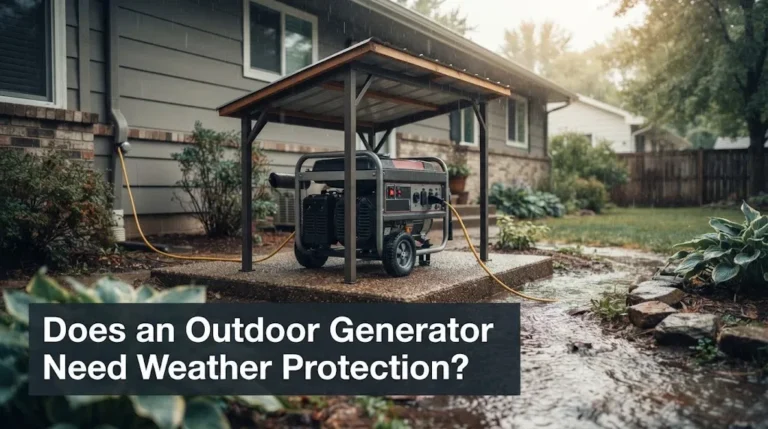
A simple lean-to can be effective if it is built with ventilation as the first priority, not an afterthought. The basic structure is four posts and a slanted roof. Plywood or metal roofing works for the top. The sides should stay almost entirely open.
Popular Mechanics recommends at least three to four feet of space between the generator and any cover or enclosure to allow heat to dissipate . That clearance is not optional. A generator produces a substantial amount of heat, and a roof that sits too low or side panels that block airflow will cause the unit to overheat.
The roof should overhang the generator on all four sides so that rain blowing at an angle still hits the roof and runs off rather than reaching the unit. But the overhang should not come down low enough to trap exhaust. Think of it as an open-sided carport, not a shed.
What you should not build is anything that resembles a box. A sealed enclosure, even one with a few holes cut in it, will fill with exhaust and heat. Community forum discussions show a recurring pattern of owners trying plywood sheets or plastic totes and then abandoning them after the first real storm because the setup vibrates, traps heat, or does not actually stop sideways rain . The margin for error with a DIY shelter is small.
What Not to Do
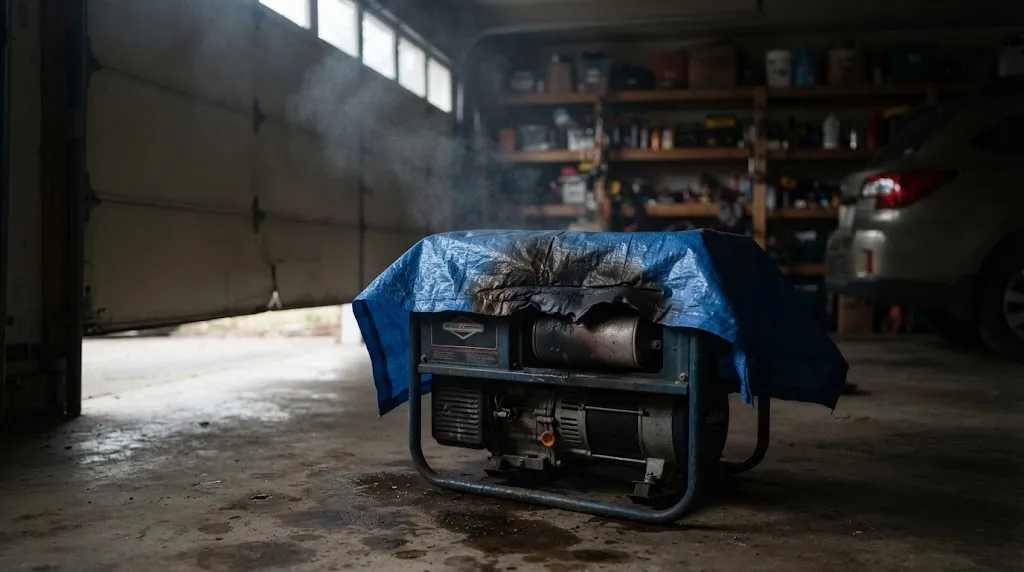
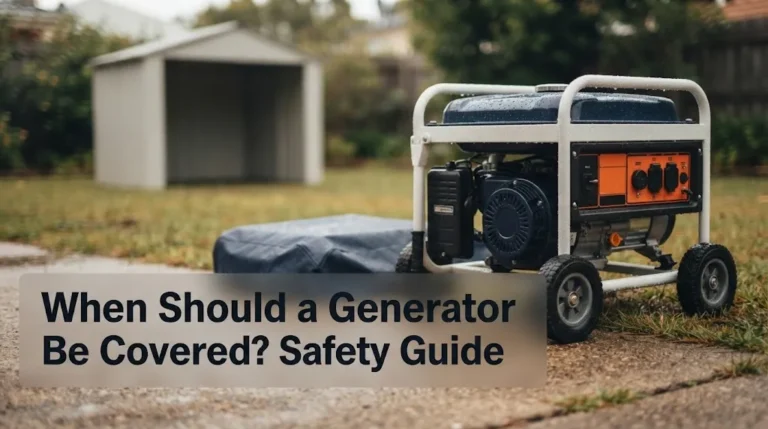
Do not use a tarp, plastic sheet, or storage cover while the generator is running. Storage covers are not ventilated. They trap heat and exhaust, and they can melt or catch fire if they contact hot components. Popular Mechanics states plainly that storage covers are unsuitable for operation because they do not allow for proper ventilation and heat dissipation .
Do not run the generator in a garage, carport, or shed with the door open. The U.S. Consumer Product Safety Commission’s generator guidance, referenced in multiple safety write-ups, requires generators to operate at least 20 feet from windows, doors, and vents . An attached garage with the door cracked is still an enclosed space where carbon monoxide can accumulate to lethal levels.
Do not let the cover block the exhaust. GenTent’s own installation guide warns that the canopy must sit above the exhaust muffler and the electrical panel apron must never obstruct the exhaust outlet . If you smell exhaust strongly while standing near the generator, or if the unit shuts down unexpectedly, airflow is restricted. Fix it before running again.
Warning
If water reaches the electrical panel or outlets despite your cover, shut the generator down, disconnect all cords, and let the components dry completely before restarting. Do not wipe and restart. Moisture inside a receptacle can cause a short or shock even if the surface feels dry.
Placement Checks That Matter as Much as the Cover
Even the best running cover will not help if the generator is sitting in a puddle. Place the unit on level, high ground where water does not pool. Concrete blocks, wooden boards, or a heavy rubber mat under the generator will keep it off wet ground and reduce splash exposure.
Point the exhaust away from the house and away from any windows or doors. Wind shifts during a storm, so check the exhaust direction periodically if the storm is long. A cover that keeps the generator dry but directs exhaust toward a window has traded one hazard for another.
Form drip loops in every extension cord. Let the cord sag below the outlet before it runs to the house. Water running down the cord will drip off the bottom of the loop rather than traveling into the plug. Use only outdoor-rated cords with a GFCI, and keep connections off the ground.
A Quick Comparison of Protection Methods
| Method | Protects Outlets from Sideways Rain | Maintains Airflow | Practical Notes |
|---|---|---|---|
| Running cover (GenTent / Storm Shield) | Yes, with panel apron | Yes, by design | $100–$200; model-specific fit; install before storm |
| Lean-to (open sides) | Partially, depends on overhang | Yes, if 3–4 feet clearance | Low cost; requires careful design |
| Tarp or storage cover | No | No | Unsafe for running generator; heat and exhaust hazard |
The table makes the tradeoff clear. The running cover is the only option that is designed from the start to solve both the water problem and the ventilation problem at the same time. A lean-to can work, but only if you build it with the same priorities. A tarp does not solve either problem safely.
Frequently Asked Questions
Can I run a generator in the rain without any cover?
No. While some owners report short-term success in light rain, wind-driven rain can reach the outlets and control panel and create a shock hazard. A running cover or a properly built shelter is the safer choice. If neither is available, wait for the rain to ease rather than running the generator exposed.
Will a Champion Storm Shield fit a non-Champion generator?
Sometimes, but fit is not guaranteed. The Storm Shield is designed around Champion’s frame dimensions. Owner reviews show some non-Champion units accepting the cover with adjustments, while others do not fit cleanly. GenTent sells universal clamp kits for open-frame generators and strap-based kits for inverter generators, with a fit finder tool on its site to match your model .
How much clearance does a DIY generator shelter need?
At least three to four feet between the generator and the roof or any side panel. Popular Mechanics recommends this clearance specifically for heat dissipation . Less clearance means hot air cannot escape and the generator may overheat or shut down.
Can I put the generator under a carport or porch roof?
No. A carport or porch attached to the house is too close to windows, doors, and vents. Generator exhaust contains carbon monoxide, and attached structures can allow fumes to enter the home even with open sides. Keep the generator at least 20 feet from the house and use a separate cover .
What should I do if the generator gets wet while running?
Shut it down immediately, disconnect all cords, and let the unit dry completely before restarting. Do not wipe the surface and restart. Water can remain inside receptacles and switches. Check the oil and air filter for moisture intrusion if the unit was heavily exposed.
Is a running cover worth the cost if I only lose power a few times a year?
If your outages tend to coincide with storms, yes. The cover protects against the exact condition that makes generators most dangerous to run: wet electrical components. A $100–$200 cover is inexpensive compared with replacing a generator or dealing with an electrical injury. If you rarely run the generator in rain, a lean-to or waiting for weather to pass may be sufficient.
Conclusion
Wind-driven rain is a side-entry problem, not just a top-down one. The cover that works is the one that keeps the outlets dry while leaving the exhaust and cooling vents fully open. A purpose-built running cover does that job with the least guesswork. A lean-to can work if you give it enough clearance and leave the sides open. A tarp or storage cover does not work and should not be used on a running generator.
Whatever you choose, set it up before the storm arrives. Fumbling with clamps or posts in wind and rain is how mistakes happen.

Hi, I’m Michael Turner. I own a generator workshop in the United States and founded HomeGeneratorBlog to share practical, hands-on guidance about generator installation, maintenance, troubleshooting, safety, and backup power solutions. My goal is to help homeowners make smarter, more confident decisions through clear and reliable information