Can a Generator Be Stored Outside in Winter?
Quick Answer
Yes, a generator can sometimes be stored outside in winter, but it should be protected from rain, snow, standing water, and prolonged moisture exposure. A dry, sheltered storage location is preferable. If outdoor storage is unavoidable, follow the manufacturer’s instructions for weather protection, fuel preparation, battery care, and cold-weather limits.
A portable generator does not necessarily need a heated indoor room for winter storage. However, leaving it exposed to freezing rain, melting snow, condensation, and repeated temperature changes can contribute to corrosion, starting problems, and damage to electrical components.
The safest approach is to separate two decisions: where the generator can be stored while switched off and where it can be operated during a power outage. A storage cover or shed may protect an idle machine, but it must never become an enclosed operating space for a fuel-burning generator.
Is It Safe to Leave a Generator Outside All Winter?
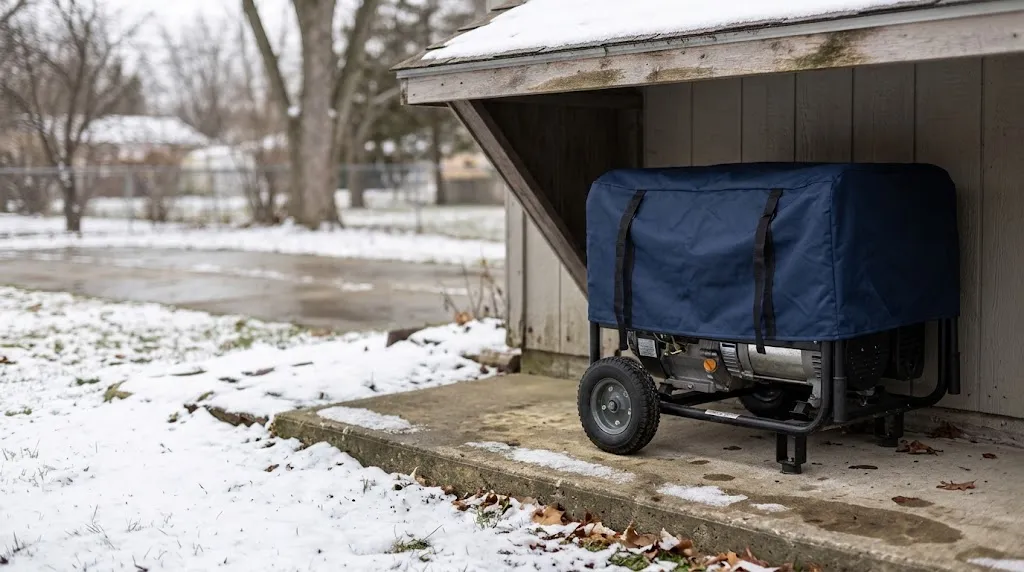
Outdoor winter storage can be acceptable when the generator’s manufacturer permits the conditions and the unit is adequately protected. Nevertheless, a dry, sheltered location is generally preferable to an exposed yard, driveway, or uncovered patio.
Cold air alone does not automatically damage every generator. The greater concerns are moisture entering vulnerable areas, temperature changes that encourage condensation, fuel deterioration, battery discharge, and temperatures outside the model’s specified storage range.
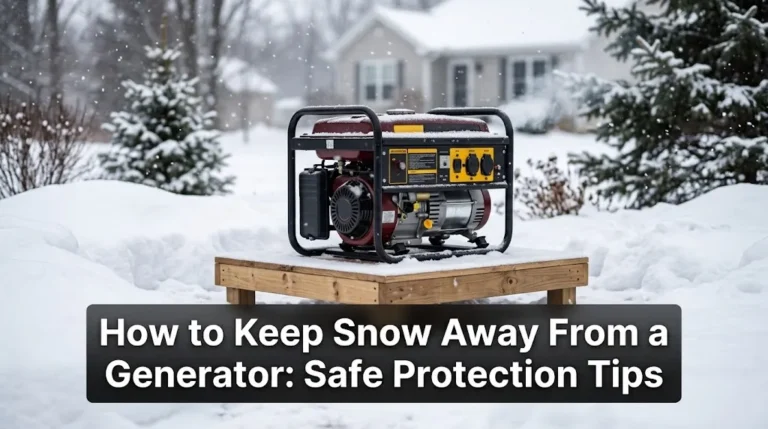
- Under a suitable roof: A sheltered location can reduce direct exposure to precipitation, provided wind-driven rain and snow cannot reach the unit.
- Under a fitted storage cover: A compatible cover can help protect a switched-off, cool generator from weather and debris.
- Directly exposed to snow and rain: This is a poor long-term storage arrangement because moisture can reach electrical connections, outlets, metal parts, and controls.
- In a flood-prone area: Move the generator to a dry, elevated location where water cannot collect around its base.
Check the owner’s manual before choosing an outdoor location. Some models have protective enclosures intended for outdoor installation, while open-frame portable generators may leave more components exposed.
What Can Winter Weather Do to a Stored Generator?
Winter damage is not limited to freezing temperatures. Moisture, corrosion, deteriorating fuel, and an inadequately maintained starting battery can leave a generator unreliable when electricity is needed most.
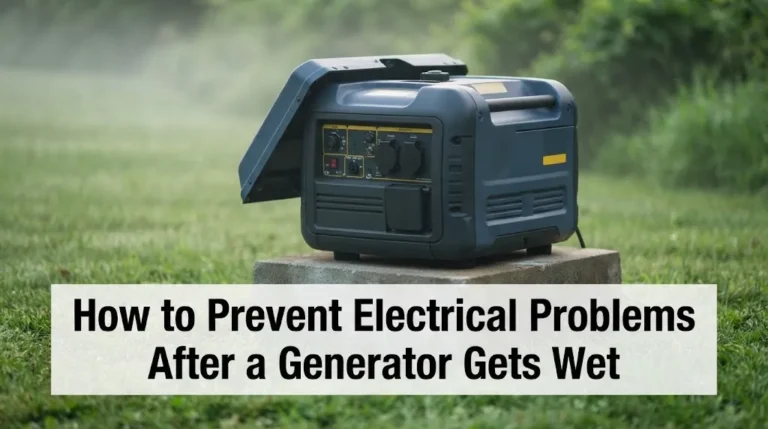
Moisture, snow, and condensation
Rain, melting snow, and persistent dampness can promote rust on exposed metal and corrosion around electrical connections. Condensation can also develop when a cold generator encounters warmer, humid air, particularly if a cover traps moisture against the machine.
Brush away loose snow from around the storage location without forcing water into openings. Before covering the generator, let it cool completely and make sure its exterior is dry.
Freezing temperatures and batteries
Cold weather can reduce a battery’s ability to deliver starting power. A weak or discharged electric-start battery may therefore become noticeable when temperatures fall, even if the engine and other components remain in good condition.
Follow the battery manufacturer’s storage and charging instructions. Depending on the model, this may involve disconnecting the battery, removing it for suitable storage, or using an approved compatible maintainer.
Gasoline and other fuel concerns
Gasoline can deteriorate during extended storage, leaving deposits that interfere with fuel passages and carburetor operation. This is a separate problem from cold-weather exposure, so covering the generator alone will not prevent hard starting.
Use the manufacturer’s recommended storage method: properly stabilizing fresh gasoline or draining the specified parts of the fuel system. Do not assume that every generator should be stored with a full tank or an empty tank; the correct method depends on its design and instructions.
How Should You Prepare a Generator for Outdoor Winter Storage?
Prepare the generator before severe weather arrives. The following checklist covers the main tasks for a typical portable gasoline generator; propane, diesel, inverter, and permanently installed standby models may require different procedures.
- Shut it down and let it cool. Turn off the generator, disconnect loads according to the manual, and allow the engine and exhaust system to cool completely before cleaning or covering it.
- Clean and inspect the exterior. Remove dirt, leaves, grass, and debris. Look for damaged wiring, loose fittings, rust, cracked hoses, and signs of fuel or oil leaks.
- Prepare the fuel system. Follow the manual’s instructions for fresh stabilized gasoline or fuel-system draining. Use the correct stabilizer dosage if that method is approved, and never handle fuel near flames, sparks, or hot engine parts.
- Check the engine oil. Inspect the oil level and change overdue or contaminated oil according to the service schedule. Use the specified oil grade rather than assuming one viscosity is suitable for every climate and engine.
- Maintain the starting battery. Inspect its case and terminals, then disconnect, remove, or maintain it as directed. Use only a charger compatible with the battery system.
- Choose a dry storage position. Place the unit on a stable surface where water cannot pool around it. Avoid low spots, leaking roof edges, and locations exposed to runoff.
- Fit suitable weather protection. Once the machine is cool and dry, use a cover intended for that generator or another manufacturer-approved storage arrangement.
- Record the maintenance. Note the fuel-storage method, oil service, and battery maintenance so you can prepare the generator properly before its next use.
For additional preparation details, see the site’s guide to how to winterize a portable generator. Follow the instructions for your exact model whenever they differ from general advice.
What Is the Best Way to Cover a Generator in Winter?
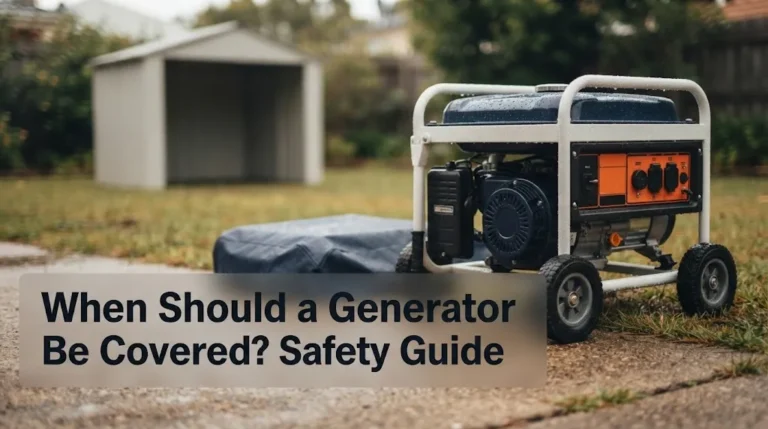
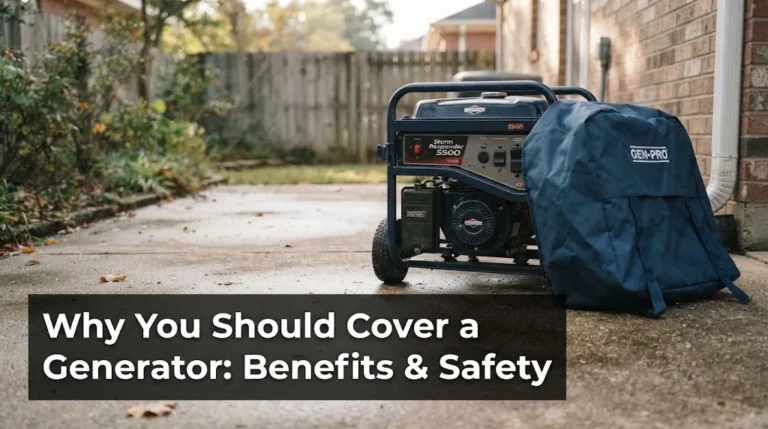
Use weather protection designed for the generator’s storage conditions. A properly fitted, moisture-resistant cover can help keep precipitation and debris away, while a suitable roof or approved enclosure can provide additional protection from wind-driven weather.
A cover should fit without damaging controls, cables, or exposed components. Avoid wrapping a damp generator tightly in plastic because trapped moisture can encourage corrosion. Also make sure the storage arrangement does not create a place where water or melting snow can accumulate.
Storage Tip
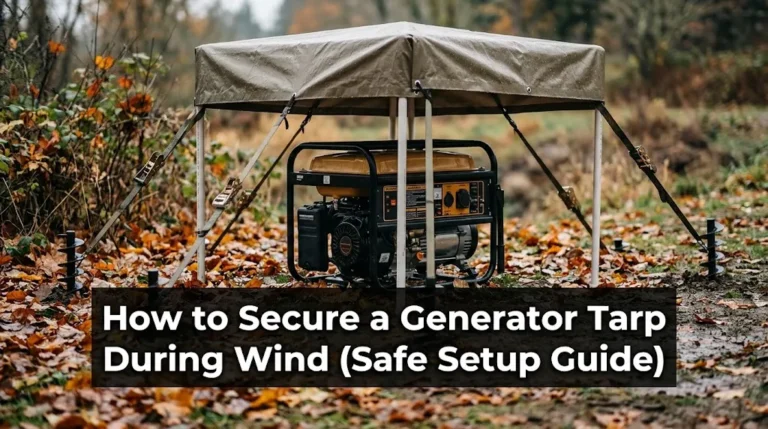
Keep storage protection separate from operating protection. Remove an ordinary storage cover completely before starting the generator. Never run the machine under a fitted storage cover, plastic sheet, or tarp that can restrict airflow or interfere with exhaust and heat dissipation.
Some purpose-built generator tents or canopies are designed for use while a compatible generator is running. These are not interchangeable with storage covers, and they should be used only when the generator manufacturer’s instructions permit the arrangement.
The U.S. Consumer Product Safety Commission’s generator safety guidance explains the dangers of carbon monoxide and the need to follow generator operating instructions. Protecting a generator from winter weather must never compromise safe operation.
Can You Store a Generator in a Shed, Garage, or Carport?
A dry storage shed or garage may offer better weather protection for a switched-off portable generator, but fuel-storage requirements, ignition risks, ventilation, and local fire rules still matter. Never assume a location suitable for storage is also suitable for running the generator.
- Detached storage shed: It may be suitable for a cool, fully shut-down generator if the space meets the manufacturer’s storage and fuel requirements.
- Garage: A generator may be stored there when permitted, but fuel and vapors must be managed safely and kept away from ignition sources. Never run the generator inside the garage, even with the door open.
- Carport or porch: These locations may offer some protection from precipitation, but they are not automatically safe operating locations.
- Standby generator enclosure: Follow the installation and service instructions for the particular outdoor-rated unit. Do not add a cover that blocks ventilation or cooling openings.
Safety Warning
Never operate a fuel-burning portable generator inside a home, garage, shed, basement, or other enclosed or partially enclosed space. Carbon monoxide can build up to lethal levels without warning. U.S. CPSC guidance calls for operation outdoors at least 20 feet from the house, with exhaust directed away from openings. Follow local requirements and the generator’s instructions.
What Should You Check Before Starting It After Winter?
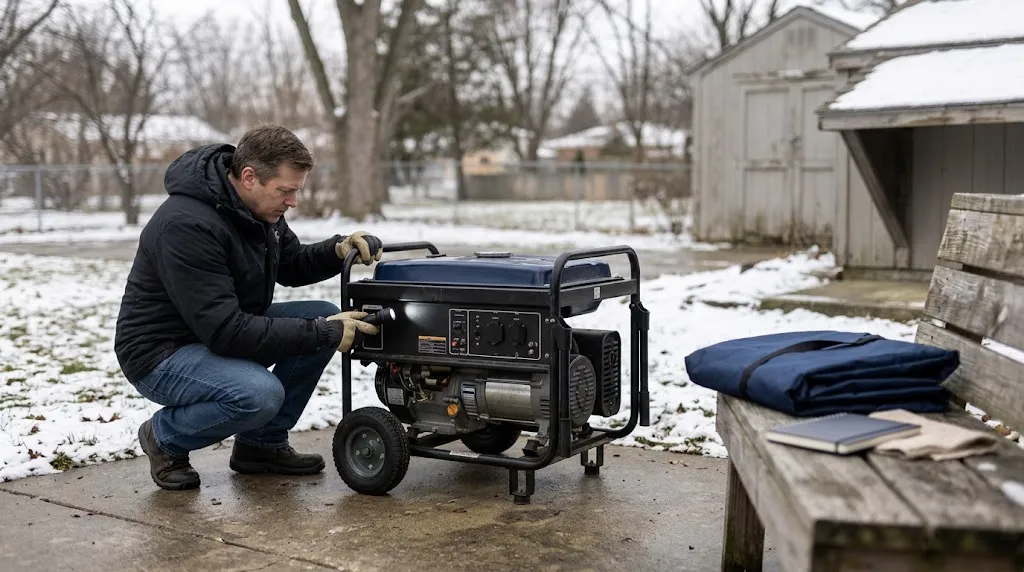
Do not start a generator immediately just because the weather has warmed up. First remove the storage cover, inspect the machine, and confirm that its fuel, oil, battery, and electrical components are ready for use.
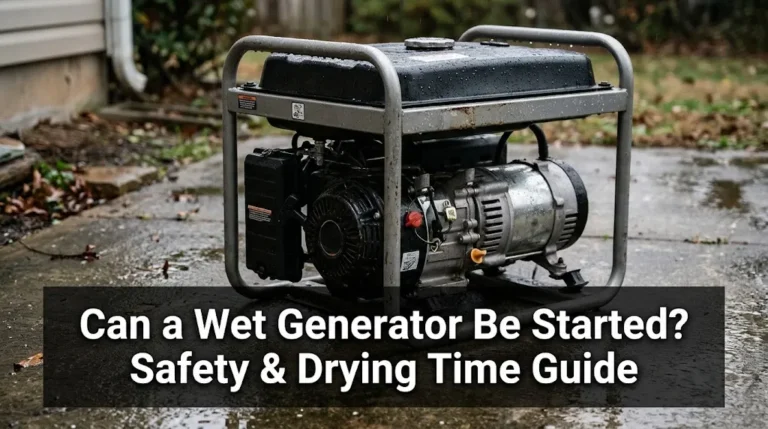
- Inspect for water and corrosion. Look for moisture around outlets, control panels, wiring, and connections. If electrical components have been wet or the generator has been submerged, do not start it until it has been appropriately assessed and cleared for use.
- Check for pest damage. Inspect air intakes, cooling openings, wiring, and accessible engine areas for nesting material or chewed insulation. Clear obstructions before operation.
- Check oil and fuel. Confirm the oil level and condition. Replace stale gasoline or service the fuel system according to the manual rather than repeatedly attempting to start an engine with questionable fuel.
- Inspect the battery and connections. Check the battery condition, terminals, and cables. Charge or replace it as required by the manufacturer’s instructions.
- Start and operate it safely. Move the generator to a suitable outdoor operating location, remove the storage cover, and follow the normal startup procedure. Check for leaks, unusual noises, unstable running, or warning indicators.
If the generator will not start, runs erratically, or shows signs of water intrusion, stop troubleshooting if further attempts could create an electrical or fire hazard. Use the model’s troubleshooting instructions or arrange appropriate service.
Frequently Asked Questions
Does a generator need to be kept above freezing in winter?
Not necessarily. Some generators can be stored below freezing when their manufacturer permits it, but allowable temperatures vary by model and component. Check the manual for storage limits and any special requirements for batteries, fluids, and fuel systems.
Can snow damage a generator if it is switched off?
Yes, prolonged exposure to snow and melting moisture can contribute to corrosion or damage to vulnerable electrical components. Keep the generator dry and protected, and prevent snowmelt from pooling around its base.
Should I run my generator periodically during winter storage?
Only follow a periodic exercise schedule if the manufacturer recommends one. Starting an engine without following the required operating procedure may not solve fuel or battery problems, and every test run must take place in a safe outdoor location.
Is a waterproof tarp enough to protect a generator outdoors?
A tarp may offer temporary precipitation protection over a switched-off, fully cooled generator, but it can trap condensation or collect water. A properly fitted storage cover or manufacturer-approved shelter is generally a better long-term choice. Never drape an ordinary tarp over a running generator.
Can a propane generator stay outside in freezing weather?
Storage may be possible if the generator and propane equipment are rated for the expected conditions. Cold temperatures can affect propane vaporization and starting performance, so follow the manufacturer’s cold-weather instructions and the cylinder supplier’s safety guidance.
What should I do if my generator was left outside uncovered all winter?
Do not assume it is ruined, but inspect it carefully before use. Check for rust, moisture, damaged wiring, fuel leaks, stale gasoline, and battery problems. If water entered electrical components or the unit was submerged, have it assessed before attempting to start it.
Conclusion
A generator can sometimes remain outside throughout winter, provided its manufacturer permits the conditions and the unit receives appropriate protection. The goal is to keep moisture away, prepare the fuel system correctly, maintain the starting battery, and prevent water from collecting around the machine.
Whenever possible, choose a dry, sheltered storage location instead of leaving the generator exposed to snow and rain. Before the next outage, inspect it carefully and follow the correct startup procedure. Most importantly, never trade weather protection for operating safety: a portable fuel-burning generator must run outdoors in a properly positioned, adequately ventilated location, never inside a shed or garage.

Hi, I’m Michael Turner. I own a generator workshop in the United States and founded HomeGeneratorBlog to share practical, hands-on guidance about generator installation, maintenance, troubleshooting, safety, and backup power solutions. My goal is to help homeowners make smarter, more confident decisions through clear and reliable information