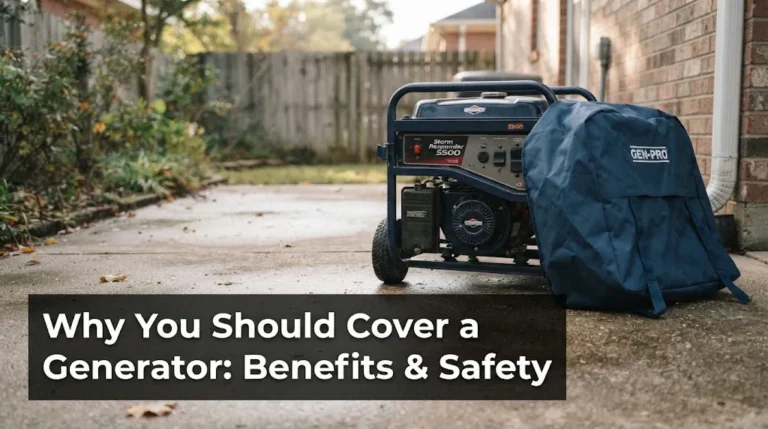
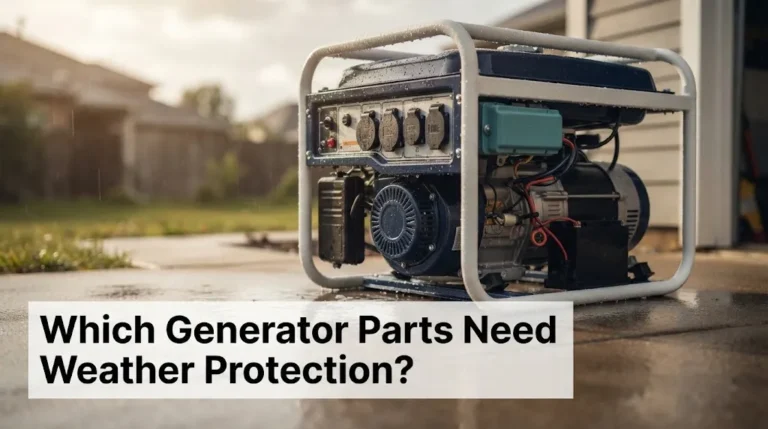
Can a Generator Be Left Uncovered Outside?
Quick Answer
A generator can be stored outside without a cover for short periods in suitable, dry weather, but leaving it continuously exposed to rain, moisture, sunlight, and debris is not recommended. Use appropriate weather protection for outdoor storage. If the generator is running, never wrap it in an ordinary storage cover or leave it exposed to wet conditions contrary to its owner’s manual.
Whether you can leave a generator uncovered outside depends on how long it will stay there, the weather, and whether the engine is running. A generator sitting idle in dry weather faces different risks from one exposed to weeks of rain or operating during a storm.
The important distinction is between outdoor storage and outdoor operation. A storage cover can protect a switched-off generator, while a running generator needs unobstructed cooling airflow, safe exhaust clearance, and weather protection specifically permitted for that model.
Can You Leave a Generator Outside Without a Cover?
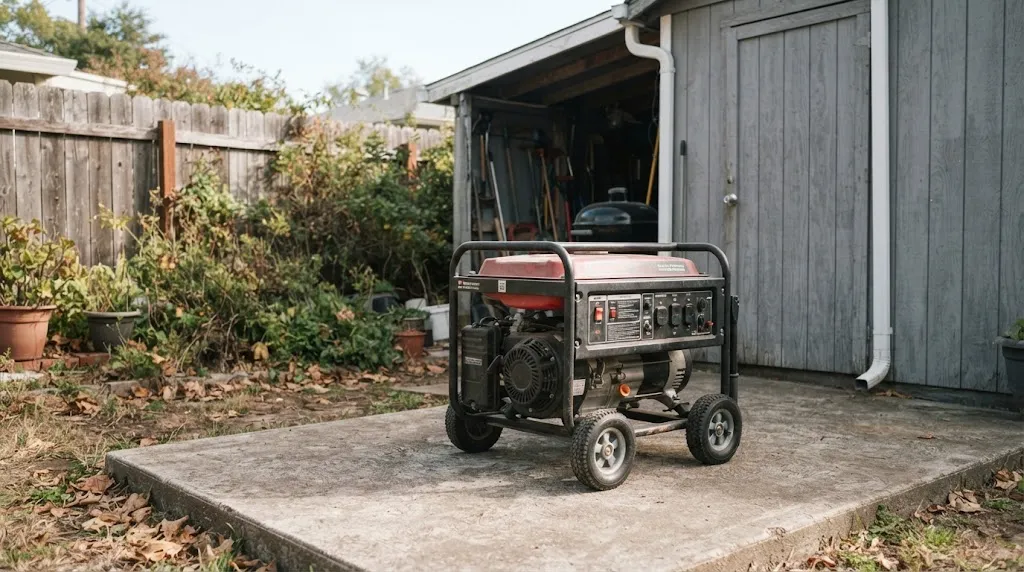
Yes, temporarily, if conditions are dry and the manufacturer permits outdoor storage. However, leaving a portable generator uncovered outdoors for extended periods exposes it to avoidable wear and can make it less reliable when you need backup power.
Rainwater, humidity, direct sunlight, dust, falling leaves, and windblown debris can affect different parts of the machine. The level of risk depends on the generator’s design, protective enclosure, location, and local climate.
- For a few hours in dry weather: Uncovered placement is generally less concerning, provided the generator is stable and protected from other hazards.
- For several days outdoors: Consider weather protection, especially if rain, strong sunlight, or heavy dew is expected.
- For long-term outdoor storage: Use suitable weather-resistant protection and inspect the machine periodically. A dry, sheltered storage location is preferable when available.
- While operating: Follow the owner’s manual for weather restrictions. Never assume a generator is safe to run in rain simply because it has a metal frame or enclosed housing.
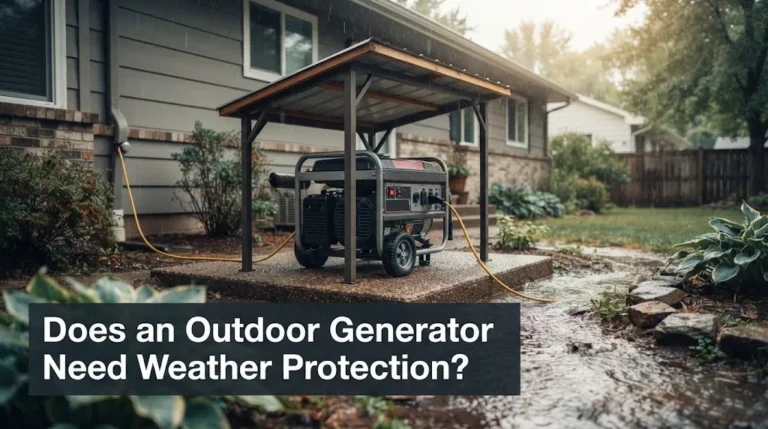
Some standby generators are designed for permanent outdoor installation inside a factory-built weather-resistant enclosure. That does not mean every portable generator can withstand the same exposure.
What Can Happen If a Generator Stays Uncovered?
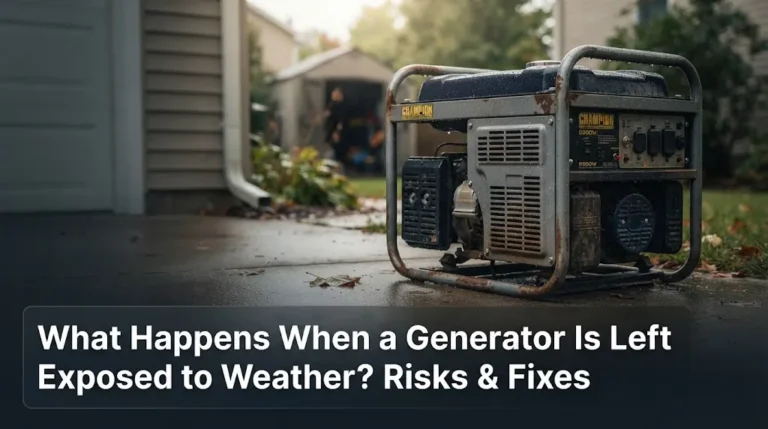
Leaving a generator exposed does not guarantee immediate damage, but repeated weather exposure can create several problems that are easy to overlook.
Rain and moisture can damage electrical components
Water reaching outlets, switches, wiring, or other electrical components can create shock hazards, short circuits, corrosion, and operating problems. Even when the engine starts normally, moisture-related damage may not be immediately obvious.
Portable generators vary in their construction and weather protection. Do not treat an outlet cover, metal housing, or manufacturer’s description of outdoor use as permission to expose the entire machine to direct rainfall.
The OSHA portable generator safety guidance advises keeping generators dry and protecting them with a canopy when needed. It also warns against handling electrical components while wet or standing in water.
Metal parts can corrode
Repeated wetting and drying can contribute to rust on the frame, fasteners, and exposed metal parts. Moisture can also encourage corrosion around electrical connections, particularly when dirt or salt is present.
A generator may continue running while corrosion develops. Over time, however, deteriorating connections or damaged components can affect reliability and make maintenance more difficult.
Sunlight and debris can shorten service life
Direct sunlight can gradually degrade exposed plastic, rubber, cable insulation, and other materials. Leaves, dust, insects, and nesting debris can also obstruct ventilation openings or accumulate around the engine.
These problems are particularly relevant when a generator remains outdoors between power outages. A quick inspection before starting it can reveal debris, damaged wiring, leaks, or blocked air openings.
Should You Cover a Generator That Is Running?
Never operate a portable generator under an ordinary fitted storage cover, plastic sheet, or tarp draped over the machine. These coverings can restrict cooling airflow, contact hot exhaust components, and interfere with the safe dispersal of exhaust gases.
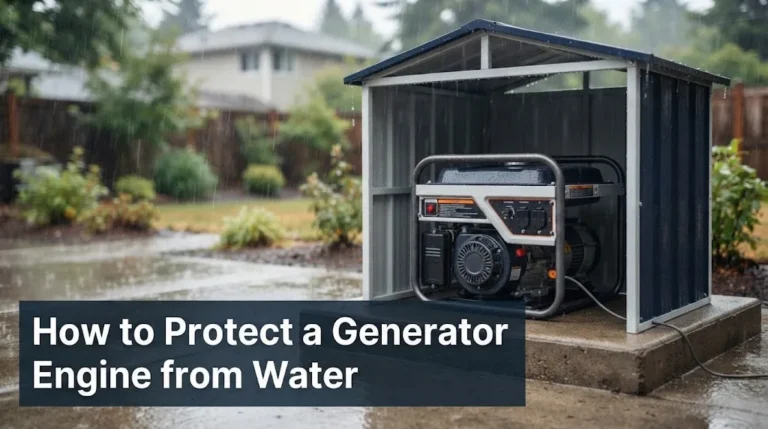
A purpose-built running cover or weather canopy is different. Some systems are designed to protect compatible generators from precipitation while maintaining the clearances and ventilation needed for operation. Use one only when the generator manufacturer’s instructions permit that arrangement.
There is also an important difference between manufacturers’ recommendations. Generac advises against operating its portable generators directly in rain, snow, or other wet conditions. Caterpillar explains that some portable generators can operate in inclement weather when protected appropriately, subject to the owner’s manual.
These instructions should not be treated as interchangeable. Your exact model’s manual determines which operating conditions and protective arrangements are permitted.
Warning
Never move a portable generator into a house, garage, shed, basement, or other enclosed or partially enclosed space to keep it dry. Fuel-burning generators produce carbon monoxide, which can cause fatal poisoning. A roof or cover does not make an enclosed location safe.
For more details about wet-weather operation, read our guide to using a generator in the rain.
What Is the Safest Way to Protect a Generator Outdoors?
For a generator that is not running, the goal is to limit exposure to moisture and debris without trapping condensation. For a running generator, the goal is to follow the manufacturer’s weather restrictions while preserving ventilation and electrical safety.
1. Use a suitable storage cover
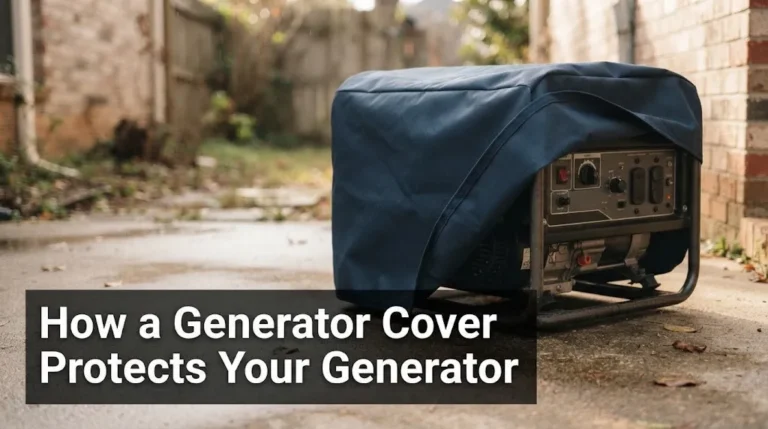
Choose a cover designed for your generator’s size and configuration. It should resist the expected weather, fit securely, and be appropriate for storage rather than operation.
Before covering the generator, switch it off, disconnect loads according to the manual, and allow the engine and exhaust system to cool completely. Make sure the machine is dry, too. Covering a wet generator can trap moisture and encourage corrosion.
2. Choose a dry, well-drained location
Place the generator on a stable, level surface where rainwater cannot collect around it. Avoid low spots, drainage channels, areas beneath leaking gutters, and locations where roof runoff or sprinklers can soak the equipment.
Elevating a stored generator on an appropriate, stable platform may help keep it away from surface water, but elevation is not a substitute for flood protection or safe operating conditions. Never run a generator in standing water.
3. Inspect it regularly
A cover reduces exposure but does not eliminate maintenance needs. Check beneath it for condensation, rust, insects, damaged cables, loose fasteners, and fuel or oil leaks.
Follow the manufacturer’s recommendations for fuel preparation, battery care, oil checks, and maintenance during extended storage. Our guide to portable generator storage explains how to prepare a unit for longer periods without use.
4. Remove the cover before starting
Make cover removal part of your pre-start routine. Check that no fabric, debris, or storage material remains near the exhaust, cooling openings, or control panel. Inspect the equipment before reconnecting electrical loads.
If the generator has been soaked, flooded, or exposed to water around its electrical components, do not assume that allowing it to dry makes it safe. Follow the manufacturer’s instructions and arrange a qualified inspection when required.
Can You Leave a Generator Outside All Year?
Some generators can remain outdoors year-round when they are designed for outdoor installation or stored with suitable weather protection. A typical portable generator left fully exposed to changing weather is a different case and is more vulnerable to deterioration.
Before choosing a permanent outdoor location, consider these factors:
- Generator type: A purpose-built standby generator with a factory weather enclosure differs from an open-frame portable model.
- Climate: Frequent rainfall, high humidity, intense sunlight, salt air, and freezing conditions can increase maintenance demands.
- Drainage: The location must protect the machine from runoff, pooling water, and flooding.
- Manufacturer requirements: Follow specified clearances, storage instructions, and environmental limits.
- Security and access: Keep the generator stable and secure while leaving room for inspection and servicing.
For portable models, a covered, dry storage area is generally preferable when available. If outdoor storage is necessary, use appropriate protection and check the machine regularly rather than assuming a waterproof cover makes it maintenance-free.
For a safe operating location, consult our guide on where to place a portable generator.
What Should You Do If Your Uncovered Generator Gets Wet?
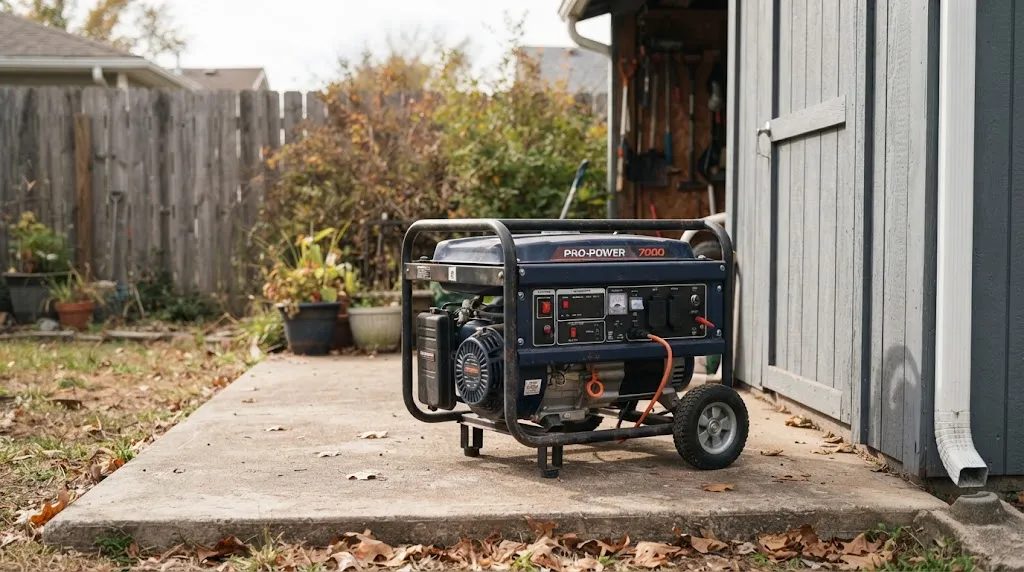
If rain reaches a generator, the correct response depends on whether it was running, whether water entered electrical areas, and whether flooding occurred. Do not touch wet electrical connections or stand in water around energized equipment.
- If it is switched off: Keep it off while you assess the situation from a safe position. Do not start it until you have followed the manufacturer’s guidance about moisture exposure.
- If it is running in rain: Follow the manual’s shutdown instructions when you can do so safely. Do not reach across wet equipment or handle wet plugs and cords.
- If it has been submerged or flooded: Do not restart it. Have the equipment evaluated by a qualified service professional according to the manufacturer’s instructions.
- Before returning it to service: Check for visible damage, corrosion, contaminated fuel, and damaged wiring, and address any concerns before operation.
Never try to solve a rain problem by relocating a running generator indoors. If the weather protection and operating conditions cannot meet the manufacturer’s requirements, shut it down safely and wait for suitable conditions.
Related Product: A Generator Running Cover
If you need weather protection during operation, look for a purpose-built running cover compatible with your exact generator. Do not substitute an ordinary storage cover, and verify that the manufacturer permits the proposed setup.
Related Product
Purpose-Built Portable Generator Running Cover
A compatible running cover may help shield a generator from precipitation while preserving the airflow and clearances required by its manufacturer.
As an Amazon Associate, we earn from qualifying purchases.
Frequently Asked Questions
Can I leave my generator uncovered overnight?
In dry weather, a generator may remain uncovered overnight if its storage instructions permit it. If rain, heavy dew, or strong winds are expected, appropriate protection is a better choice.
Will a generator be ruined if it gets rained on once?
Not necessarily. The outcome depends on how much water reached the equipment and which components were exposed. Keep it off if electrical areas became wet, and follow the manufacturer’s instructions before restarting it.
Can I leave a generator under a porch or carport?
Outdoor storage may be possible if the location is dry and the manufacturer permits it. During operation, never use a porch or carport unless the exact setup meets the manufacturer’s requirements and remains genuinely open and adequately ventilated. Never operate a generator in an enclosed or partially enclosed space.
Does a generator cover need to be waterproof?
A storage cover should provide weather protection appropriate to the conditions, but it must not trap moisture against the machine. For operating protection, use only a compatible running cover permitted by the generator manufacturer.
Should I cover a generator during winter?
For outdoor storage, suitable weather protection can help limit exposure to snow, moisture, sunlight, and debris. Follow the owner’s manual for cold-weather storage, fuel preparation, battery care, and cover use.
Can I use a tarp instead of a generator cover?
A tarp may provide temporary protection over a switched-off, fully cooled generator if it is used without trapping moisture. Never drape an ordinary tarp over a running generator. Use only an operating shelter that meets the generator manufacturer’s requirements.
Conclusion
You can leave a generator uncovered outdoors temporarily in suitable dry weather, but prolonged exposure to rain, humidity, sunlight, and debris can damage equipment and reduce its reliability. For long-term outdoor storage, use appropriate weather protection and inspect the generator regularly.
If the generator is running, follow its specific operating instructions and never drape a standard storage cover or tarp over it. Keep fuel-burning generators outdoors with safe exhaust clearance, and never operate them in enclosed spaces to escape bad weather. The safest choice is to plan storage and weather protection before the next outage rather than improvise when rain begins.

Hi, I’m Michael Turner. I own a generator workshop in the United States and founded HomeGeneratorBlog to share practical, hands-on guidance about generator installation, maintenance, troubleshooting, safety, and backup power solutions. My goal is to help homeowners make smarter, more confident decisions through clear and reliable information