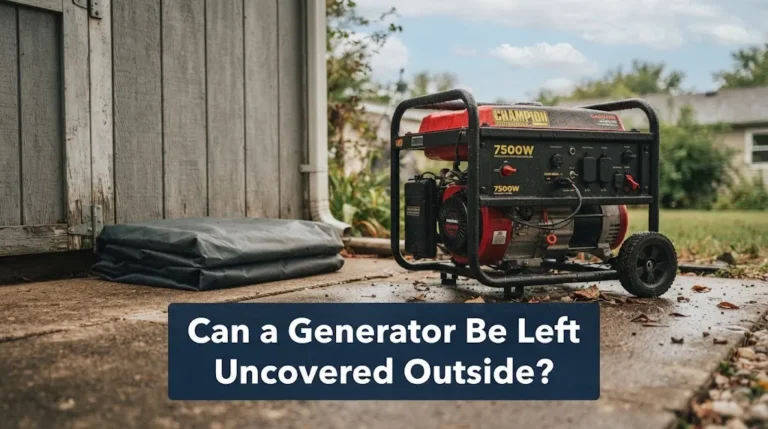
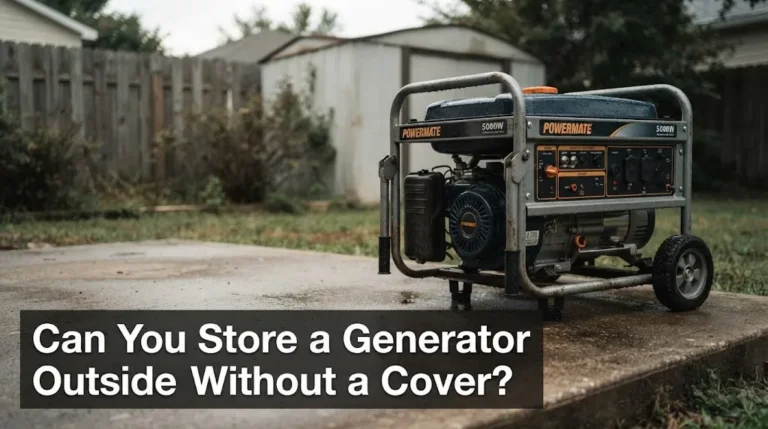
What Happens When a Generator Is Left Exposed to Weather? Risks & Fixes
Quick Answer
Leaving a generator exposed to weather leads to rapid rust and corrosion, electrical short circuits, degraded wiring insulation, fuel contamination from moisture, and clogged cooling systems. Unprotected exposure drastically shortens the lifespan of the machine and creates severe electrical shock and fire hazards.
Backup and portable generators are designed to provide reliable emergency power during storms, grid failures, and outdoor events. Because power outages frequently coincide with severe weather, many owners assume that generators are built to withstand heavy rain, snow, and blazing sun without consequence. In reality, while generators are rugged outdoor machines, leaving them completely unprotected against the elements sets off a chain reaction of mechanical and electrical degradation.
Understanding the specific risks of weather exposure helps clarify why proper storage, protective enclosures, and post-storm checks are critical for maintaining safe and dependable emergency power.
Moisture and Corrosion: The Rust Threat
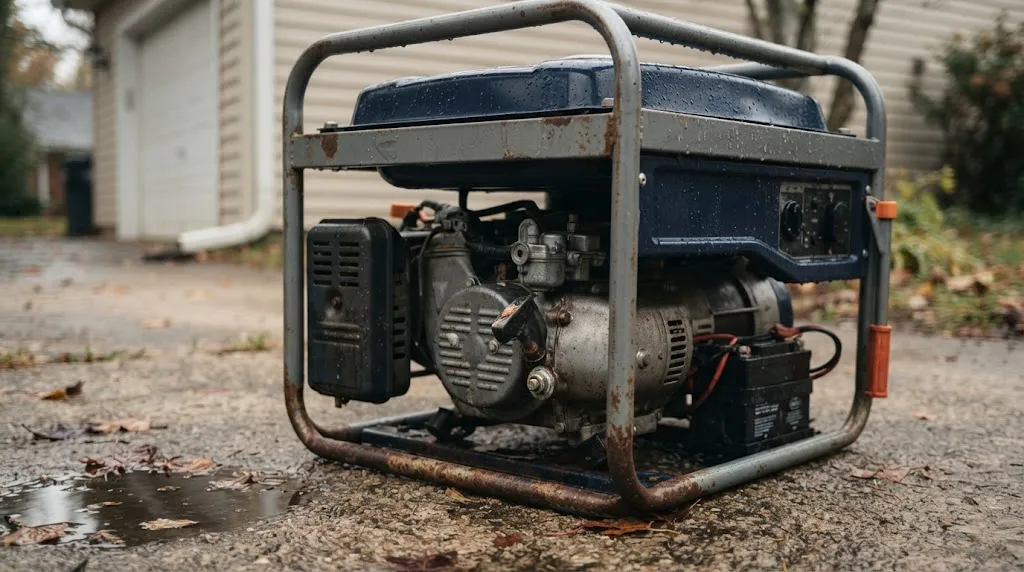
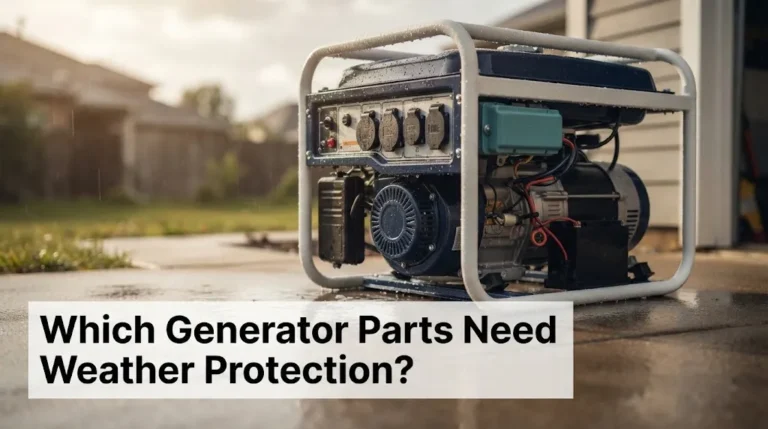
Moisture is the single most destructive element for any combustion-powered machine, and generators are no exception. When rain, heavy morning dew, or melting snow settles on a generator, water penetrates microscopic pores in metal surfaces, initiating oxidation.
Unprotected steel frames, fuel tanks, exhaust components, and internal engine blocks quickly develop rust. More dangerously, moisture can seep into the alternator housing. The copper windings inside the alternator generate electricity when spun rapidly; if water accumulates on these windings, it strips away protective varnishes and creates corrosion that compromises electrical output.
Corrosion on electrical terminals and battery posts also leads to high resistance, preventing the starter motor from engaging properly when emergency power is needed most. Over time, unchecked rust weakens structural integrity and ruins expensive electrical assemblies.
Electrical Hazards and Shock Risks
Water and electricity form a hazardous combination. When a running or standby generator is exposed to driving rain or flooding, moisture can bridge electrical circuits, resulting in short circuits, ground faults, and component burnout.
Warning
Never operate an unshielded portable generator directly in rain or wet conditions. Doing so creates an extreme risk of electrocution or severe electrical shock to anyone touching the frame or connected appliances.
Control panels are particularly vulnerable. Outlet receptacles, circuit breakers, and digital display screens often feature rubber weather seals, but these seals crack and degrade over time when left under direct ultraviolet (UV) sunlight and temperature swings. Once compromised, water pools inside the control panel, frying sensitive control boards, inverters, and automatic voltage regulators (AVRs).
UV Degradation and Plastic Component Breakdown
While moisture handles the internal corrosion, sunlight attacks the exterior and auxiliary components. Intense ultraviolet radiation breaks down the chemical bonds in plastic parts, fuel lines, rubber gaskets, and insulation materials.
Over successive seasons of unprotected outdoor storage, plastic fuel caps become brittle and crack, air filter housings warp, and external fuel lines dry out and develop microscopic fissures. A cracked fuel line is particularly dangerous, as leaking gasoline near a hot engine or electrical spark creates an immediate fire hazard.
Wheels, handles, and protective trim pieces also chalk, fade, and shatter under constant sun exposure, leaving the machine difficult to transport and structurally compromised.
Debris Accumulation and Cooling Failures
Wind-driven weather brings more than just water; it carries dust, dirt, leaves, pine needles, and airborne debris. Uncovered generators sitting outdoors easily collect organic matter inside their cooling fins, ventilation louvers, and air filter boxes.
Combustion engines rely on unobstructed airflow to dissipate extreme operating heat. When grass clippings, leaves, and blowing dust pack into the cooling shrouds or clog the air filter, the engine cannot breathe or cool properly. This results in:
- Overheating and thermal breakdown of engine oil
- Warped cylinder heads or scored cylinder walls
- Premature engine failure under heavy electrical loads
- Suffocation of the carburetor air intake, causing rough running or stalling
Fuel System Contamination
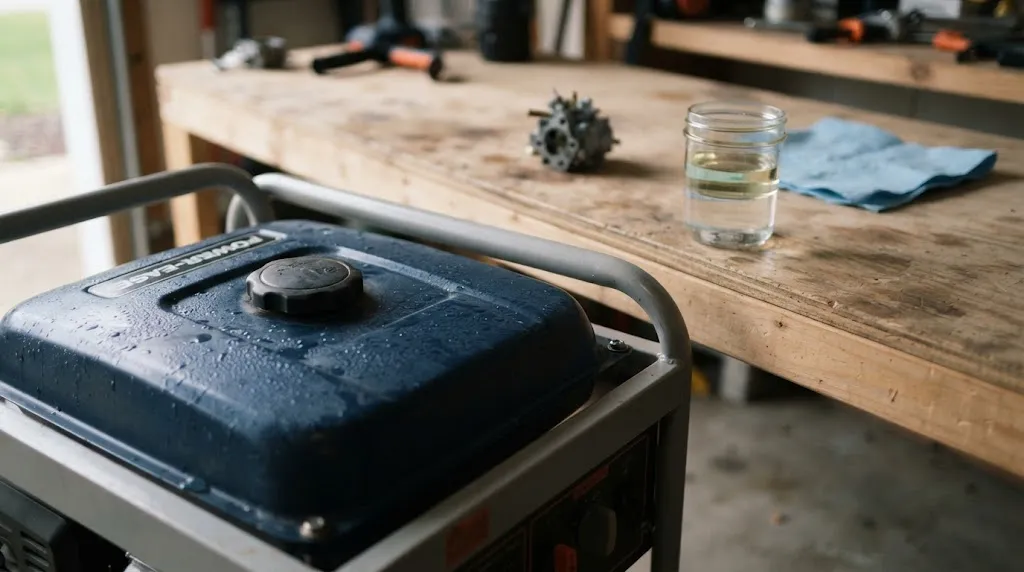
Gasoline and diesel fuel systems are highly sensitive to moisture and environmental contaminants. When a generator is left uncovered in damp weather, condensation forms inside the fuel tank, especially during temperature fluctuations between day and night.
Water is heavier than fuel and settles at the bottom of the tank, directly where the fuel pickup tube draws gasoline into the carburetor or fuel injector. Water-contaminated fuel causes engine sputtering, failure to start, and corrosion of sensitive carburetor jets.
Furthermore, ethanol-blended gasoline attracts moisture from humid air rapidly. When left sitting in an exposed carburetor bowl, moisture accelerates fuel degradation, turning gasoline into a gummy varnish that clogs tiny fuel passages within weeks.
How to Properly Protect an Outdoor Generator
Protecting a generator from weather exposure does not require keeping it inside a climate-controlled room, but it does demand proactive defense strategies based on whether the unit is portable or stationary.
Tip
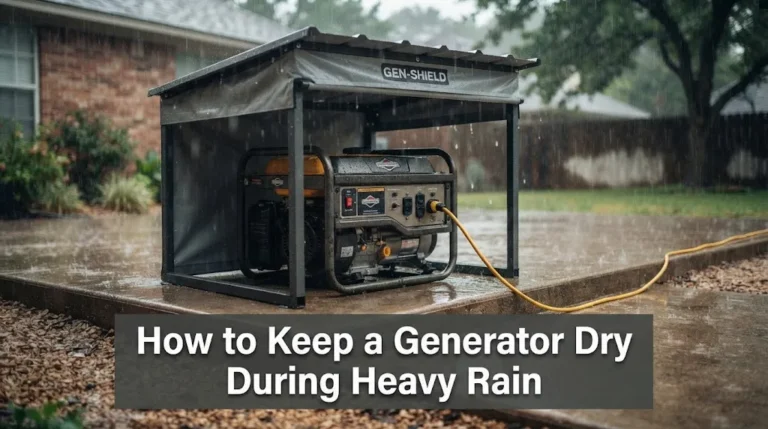
If using a portable generator during a storm, use a specialized breathable generator tent or running cover that shields the electrical panel and engine from rain while allowing adequate exhaust ventilation and airflow.
For long-term outdoor storage, adhere to these maintenance and protection rules:
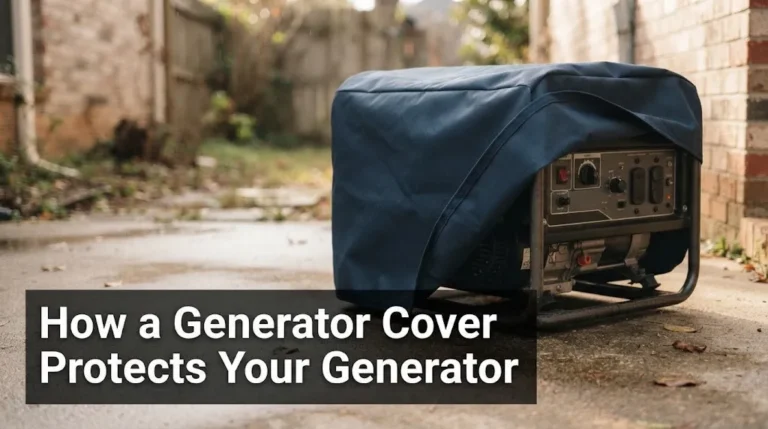
- Use a custom fitted cover: Always place a heavy-duty, weather-resistant storage cover over the generator once the engine has completely cooled.
- Elevate the unit: Keep the generator off bare ground, grass, or pooling water by placing it on concrete pavers, a sturdy wooden platform, or composite blocks.
- Run it regularly: Start the generator monthly for 20 to 30 minutes under a slight load to circulate oil, burn off internal condensation, and keep the carburetor clean.
- Stabilize the fuel: Add a quality fuel stabilizer to the tank if the generator will sit unused for extended periods, or run the carburetor dry.
- Install a permanent shelter: For stationary standby generators, ensure the manufacturer-approved weatherproof enclosure is inspected periodically for seal integrity.
Related Product
Weatherproof Generator Storage Covers
Protect your investment from rain, UV rays, and dust with a durable, heavy-duty fabric cover designed for outdoor storage.
As an Amazon Associate, we earn from qualifying purchases.
Frequently Asked Questions
Can I leave a portable generator outside in the rain?
No. Standard portable generators are not waterproof. Operating or storing an uncovered portable generator in the rain exposes electrical outlets and internal wiring to moisture, creating severe shock and short-circuit hazards.
What happens if water gets into the generator gas tank?
Water contamination causes engine sputtering, rough idling, and failure to start. Because water sinks below gasoline, it enters the carburetor first, starving the engine of combustible fuel and causing internal corrosion.
How do I protect my generator during winter storage?
Clean the exterior thoroughly, drain or stabilize the fuel system to prevent varnish buildup, change the engine oil, remove or disconnect the battery, and place a breathable, weather-resistant cover over the unit in a dry location.
Will a generator cover trap moisture and cause rust?
Cheap, non-breathable plastic tarps can trap condensation and humidity against the machine. Always use a specialized, breathable fabric generator cover designed to shed rain while allowing trapped moisture vapor to escape.
How often should an outdoor generator be serviced?
Generators left outdoors require more frequent inspection. Check oil levels, air filters, fuel lines, and battery terminals every 50 hours of operation or at least once every three months when stored outdoors.
Can rust ruin a generator completely?
Yes. Severe rust can corrode the fuel tank, seize internal engine components, destroy alternator copper windings, and weaken the frame to the point where repair costs exceed the replacement value of the machine.
Conclusion
Leaving a generator exposed to weather without adequate protection invites premature mechanical failure, electrical hazards, and costly repairs. Rainwater corrodes critical metal components, moisture ruins fuel quality, and intense UV rays degrade essential plastic and rubber parts. Taking simple preventive steps—such as using breathable storage covers, elevating the unit off the ground, and conducting routine maintenance—ensures your generator remains safe, dependable, and ready to perform whenever you need emergency backup power.

Hi, I’m Michael Turner. I own a generator workshop in the United States and founded HomeGeneratorBlog to share practical, hands-on guidance about generator installation, maintenance, troubleshooting, safety, and backup power solutions. My goal is to help homeowners make smarter, more confident decisions through clear and reliable information