What Shelter Protects a Running Generator from Rain?
Quick Answer
A running portable generator should be protected from rain using a dedicated, weather-resistant generator tent, canopy, or a well-ventilated permanent enclosure. Never operate a generator in an enclosed space, standard garage, or tightly sealed plastic tarp, as this creates severe risks of carbon monoxide poisoning and electrical shock.
Understanding the Risks of Running a Generator in the Rain
Operating portable generators during severe weather, storms, or hurricanes often becomes necessary when grid power fails. However, electricity and moisture create a dangerous combination that requires careful management.
Water intrusion into a generator’s control panel, electrical outlets, or alternator windings can cause short circuits, permanent equipment damage, electrical shocks, or electrocution. At the same time, the engine produces intense heat and deadly carbon monoxide exhaust, meaning any shelter must prioritize both weather protection and unrestricted airflow.
Electrical Shock Hazards
Standard household outlets and generator control panels are typically weather-resistant to a degree, but they are rarely waterproof. Driving rain or pooling water can bridge electrical circuits, creating a path to ground that puts anyone touching the frame at risk.
Engine and Alternator Damage
If water enters the combustion chamber through the air intake or floods the alternator housing, the engine can stall instantly or suffer severe internal corrosion. Replacing or repairing water-damaged generator components is often costly or impossible during an emergency outage.
Effective Shelter Options for Wet Weather
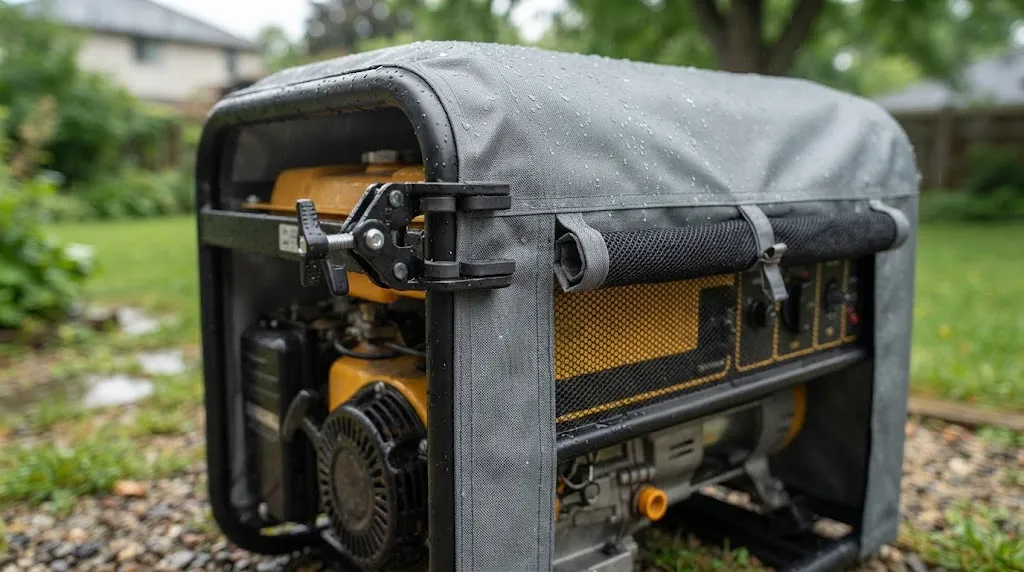
Several types of protective shelters safely accommodate a running generator while keeping precipitation away from sensitive electrical components.
1. Dedicated Generator Tents and Covers
Specially engineered generator tents or running covers are among the most popular solutions for portable units. These fabric enclosures feature heavy-duty, flame-retardant tarps supported by a metal frame that clamps or straps directly to the generator’s tubular steel frame.
Key advantages include:
- Allows the generator to run safely while deployed outdoors in heavy rain or snow.
- Features roll-up or mesh flap panels that provide full ventilation during operation.
- Designed to withstand high winds when properly secured.
2. Open-Air Canopies and Pop-Up Tents
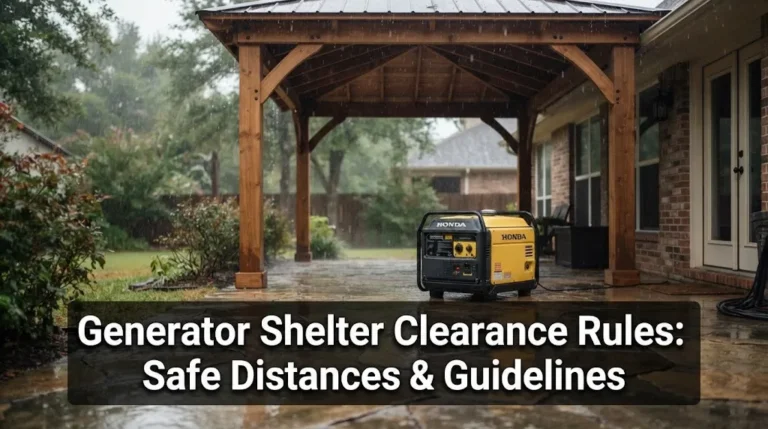
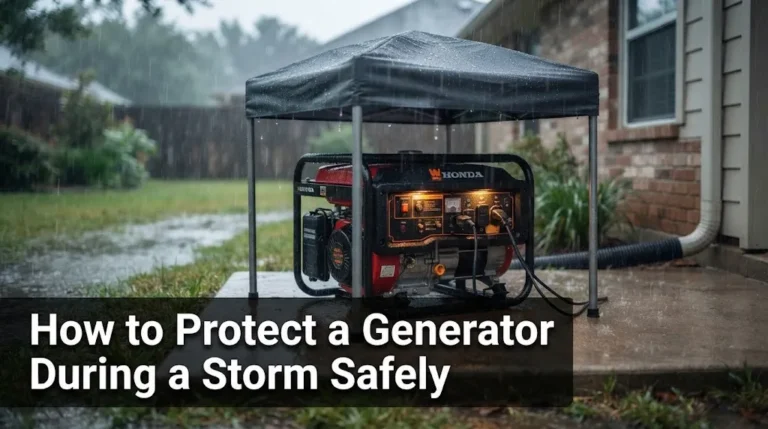
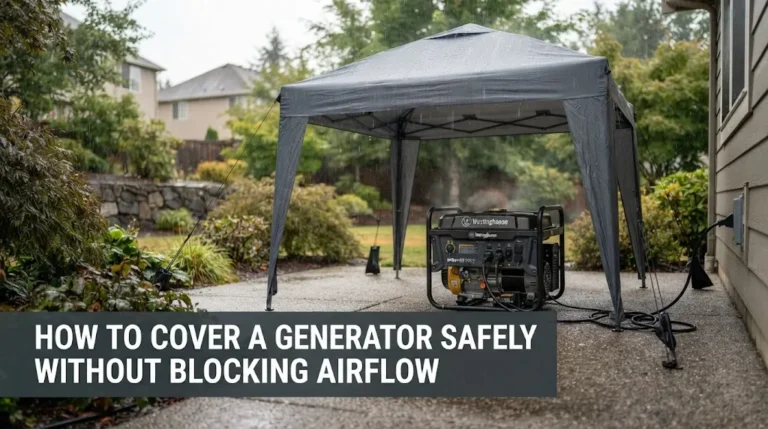
A standard pop-up canopy or tailgate tent can shield a running generator if placed correctly in an open outdoor area.
When using a canopy, maintain these safety practices:
- Keep the canopy at least 15 to 20 feet away from doors, windows, and vents to prevent exhaust fumes from entering the home.
- Ensure the sides remain entirely open to allow exhaust gases to dissipate rapidly.
- Secure the canopy legs with heavy weights or stakes to prevent wind gusts from blowing the structure into the hot generator.
3. Permanent Outdoor Sheds and Enclosures
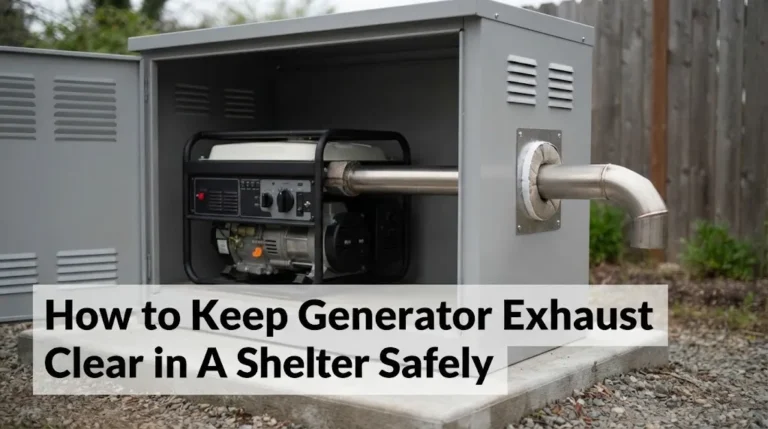
Homeowners who rely on backup power frequently install permanent, well-ventilated generator sheds or enclosures built specifically for outdoor power equipment.
An effective permanent enclosure requires:
- Large louvered intake and exhaust vents that open automatically or remain permanently open to ensure adequate airflow.
- A concrete pad or elevated gravel base to keep the generator above standing water.
- Sufficient clearance on all sides for maintenance and heat dissipation.
Warning
Never run a portable generator inside a garage, carport, shed, crawl space, or tent with closed flaps—even with the door open. Carbon monoxide gas is colorless, odorless, and can build up to lethal levels within minutes.
Dangerous Shelter Mistakes to Avoid
Improvised shelters often introduce hazards that are more dangerous than the rain itself. Avoid these common errors when setting up wet-weather protection:
- Draping plastic tarps directly over the unit: Laying a tarp flat across a running generator traps exhaust heat, blocks airflow, and creates a major fire hazard. It also funnels condensation directly onto electrical components.
- Placing the unit under a tight deck overhang: Enclosed porch roofs or low deck overhangs trap carbon monoxide gas against exterior walls, allowing fumes to seep into living areas through windows or soffit vents.
- Operating in standing water: Placing a generator in a puddle or low spot increases the risk of ground faults and shock. Always place the unit on high, dry ground or a raised platform.
Crucial Safety Practices for Wet-Weather Operation
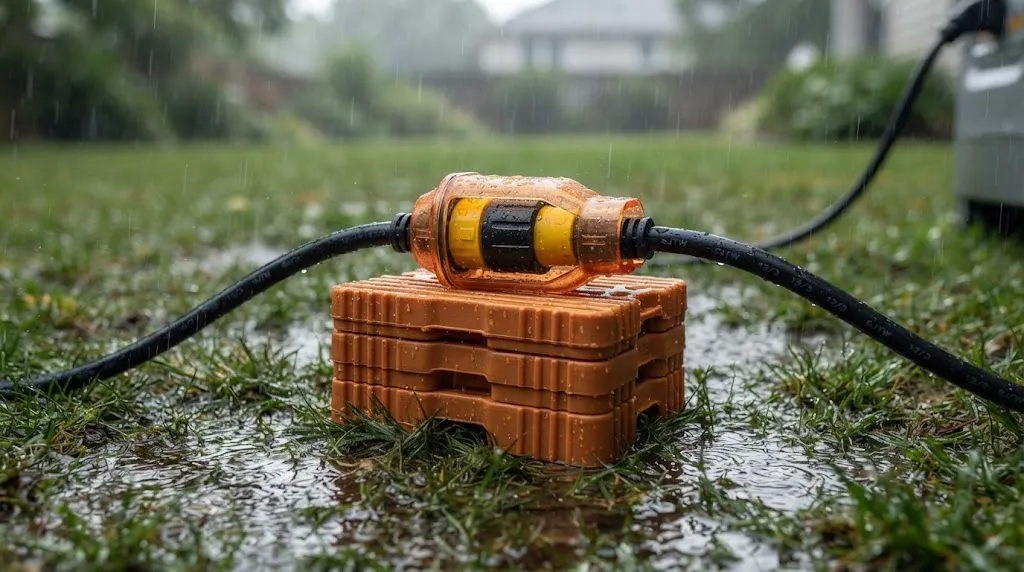
Beyond choosing the right shelter, operating portable power equipment in wet conditions demands strict adherence to electrical safety guidelines.
Follow these essential precautions during storms:
- Use Outdoor-Rated Extension Cords: Ensure all power cords are rated for outdoor use, feature heavy-duty wire gauges (such as 12-gauge or 10-gauge), and are free of cuts, fraying, or damaged insulation.
- Protect Connections from Puddles: Keep cord connections elevated off the ground using cord connection safety covers or placing them on dry bricks or plastic blocks so they do not sit in accumulating runoff.
- Install GFCI Protection: Plug appliances into ground fault circuit interrupter (GFCI) protected outlets or use heavy-duty GFCI adapter cords to guard against shock hazards if moisture enters a connection.
- Allow the Engine to Cool Before Refueling: Refueling a hot engine in the rain creates a severe fire risk if fuel spills onto hot exhaust components. Shut down the generator, let it cool for several minutes, and use a dry funnel.
Tip
Test your generator and shelter setup in dry weather before a storm hits. Ensuring that your running cover fits properly and that your cords reach safely will save valuable time during an emergency power outage.
Frequently Asked Questions
Can I run a portable generator in the rain without a cover?
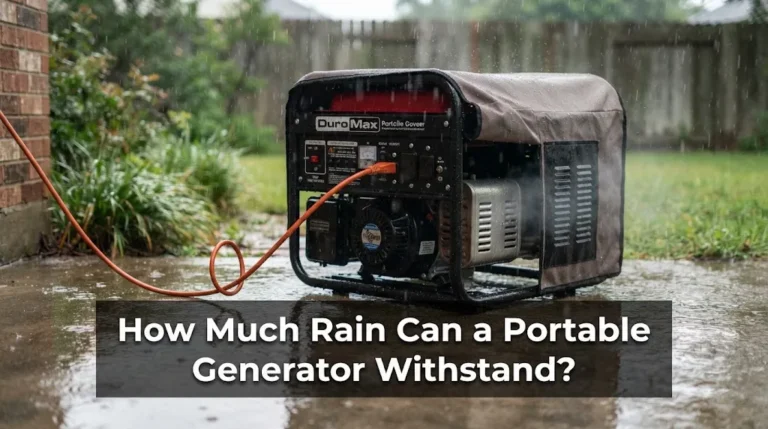
Running a generator exposed to heavy downpours is strongly discouraged. Water can enter the electrical outlets, alternator, and engine intake, leading to short circuits, component failure, or severe electrical shock hazards. Always provide overhead protection.
Can I use a standard blue tarp as a generator shelter?
A standard tarp can be used only if it is constructed into a proper frame that sits several feet above and around the generator with completely open sides for airflow. Never drape a tarp directly over a running generator, as it restricts cooling airflow and traps hot exhaust gases.
How far away from the house should a generator shelter be placed?
Generators should be operated at least 15 to 20 feet away from your home with the exhaust pointing away from all doors, windows, and air intake vents to prevent carbon monoxide poisoning.
What should I do if my generator gets soaked in a storm?
If water floods the engine or electrical panel, turn off the unit immediately and disconnect all loads. Do not attempt to start it until the unit has dried completely, the air filter and oil have been inspected for water contamination, and a qualified technician has verified its safety.
Are inverter generators more resistant to rain than traditional generators?
While enclosed inverter generators often feature protective plastic housings that deflect light mist better than open-frame units, they are still not waterproof. Both open-frame and inverter models require dedicated dry shelters during heavy rain.
Do generator tents protect against high winds and snow?
High-quality manufacturer-designed generator tents are engineered to withstand moderate winds and snow loads when properly strapped to the frame. However, in severe hurricane-force winds or blizzards, shelters may need additional weighting or temporary relocation if safety is compromised.
Related Product
Portable Generator Tent and Weather Enclosure
A heavy-duty running tent shields your portable generator from rain and snow while maintaining proper ventilation for safe outdoor operation.
As an Amazon Associate, we earn from qualifying purchases.
Conclusion
Protecting a running generator from rain is essential for preventing equipment damage and dangerous electrical faults, but safety must extend beyond moisture control. Every shelter must balance weather defense with unrestricted ventilation to eliminate the risk of carbon monoxide accumulation. By investing in a dedicated generator tent or building a properly ventilated outdoor enclosure, you can safely maintain emergency power during severe weather without compromising your safety.

Hi, I’m Michael Turner. I own a generator workshop in the United States and founded HomeGeneratorBlog to share practical, hands-on guidance about generator installation, maintenance, troubleshooting, safety, and backup power solutions. My goal is to help homeowners make smarter, more confident decisions through clear and reliable information