Can a Portable Generator Stay Outside in the Rain? Safety Risks Explained
Quick Answer
No, a standard portable generator cannot stay outside in the rain unprotected. Direct exposure to moisture creates severe electrical shock hazards, risks short-circuiting the alternator, and can permanently ruin sensitive electronic components. If you must run a generator during a storm, it requires a specialized weatherproof canopy, tent, or open-air shelter that shields the unit from precipitation while maintaining completely unobstructed airflow.
Why Rain and Portable Generators Do Not Mix
Power outages frequently happen during severe weather events like heavy thunderstorms, hurricanes, and winter snowstorms. Because portable generators are designed for outdoor use, many homeowners mistakenly assume they can withstand any weather condition.
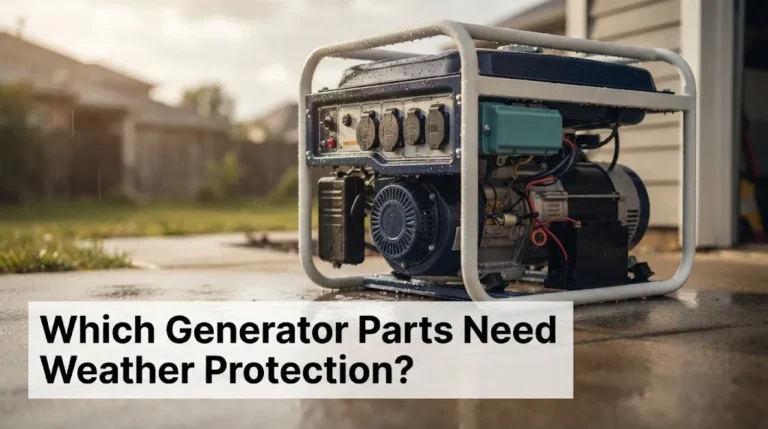
Standard open-frame portable generators are not waterproof. Water can easily infiltrate the control panel, electrical outlets, alternator windings, and engine components. When moisture bridges electrical circuits, it creates immediate safety hazards and costly mechanical damage.
Warning
Operating an unprotected generator in the rain creates a lethal risk of electrical shock or electrocution, especially if water pools around the unit or enters live power outlets.
The Primary Risks of Wet Generator Operation
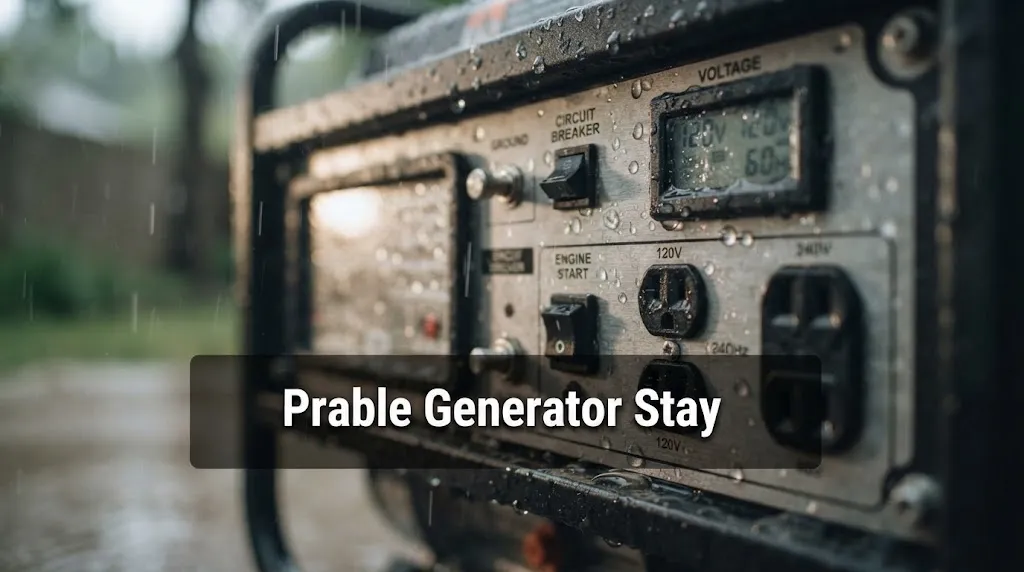
Exposing a running or idle portable generator to precipitation triggers several critical failure modes:
- Electrical Shock Hazards: Water is an excellent conductor. Moisture pooling on wet ground around the generator or entering unsealed receptacles can transfer current to the metal frame.
- Alternator Burnout: If water seeps into the stator and rotor windings, it can cause internal short circuits that instantly destroy the generator head.
- Control Panel Damage: Modern control panels feature digital displays, circuit breakers, and sensitive ports that corrode or short out upon contact with water.
- Engine Contamination: Rain driven into the air intake filter can enter the combustion chamber, leading to hydrolock or contaminated engine oil.
The Dangerous Mistake of Using a Standard Tarp
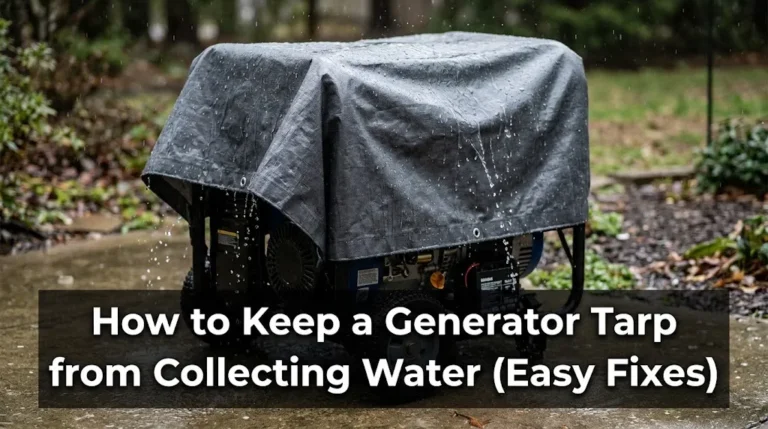
When bad weather hits, a common impulse is to throw a plastic tarp over the generator to keep it dry. However, draping a flat tarp directly over a running generator creates a hidden hazard.
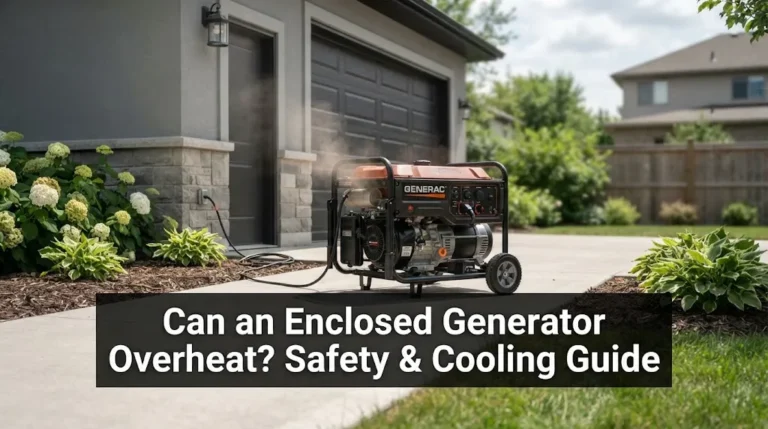
Portable generators generate immense heat and require massive volumes of ambient air to cool the engine and support combustion. A flat tarp restricts airflow, causing the engine to overheat rapidly. Furthermore, trapped exhaust gases can build up underneath, and condensation can form against the metal housing, introducing moisture anyway.
Tip
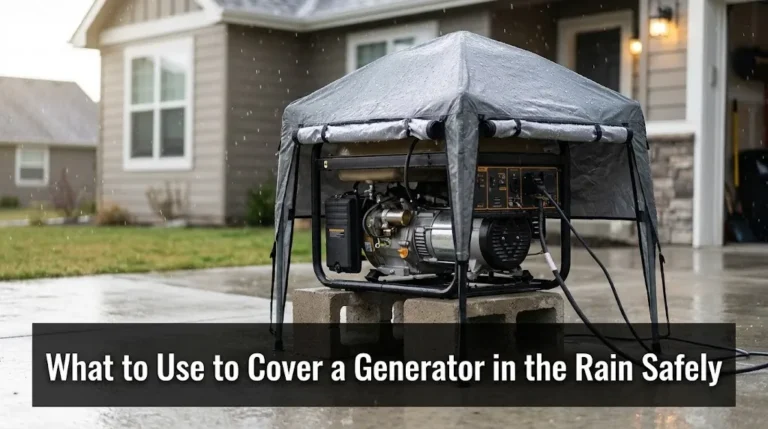
If you use a protective cover, ensure it is a specialized generator tent designed to leave the sides completely open for cross-ventilation while blocking downward rain.
Safe Ways to Protect a Generator in Wet Weather
Protecting your equipment during a storm requires balancing weatherproofing with proper safety clearances. Consider these reliable methods:
- Generator Tents and Canopies: Specially manufactured fabric enclosures fit over the frame of the generator, shielding the top and sides from rain while allowing the unit to run safely.
- Open-Air Porches or Patios: Placing a generator under an open overhang, carport, or patio roof provides natural shelter from rain. However, the unit must remain at least 15 to 20 feet away from windows, doors, and vents to prevent carbon monoxide poisoning.
- Custom Enclosures: Some homeowners build permanent, well-ventilated outdoor sheds specifically for backup generators, featuring louvered vents that open automatically when the unit runs.
What to Do If Your Generator Gets Soaked
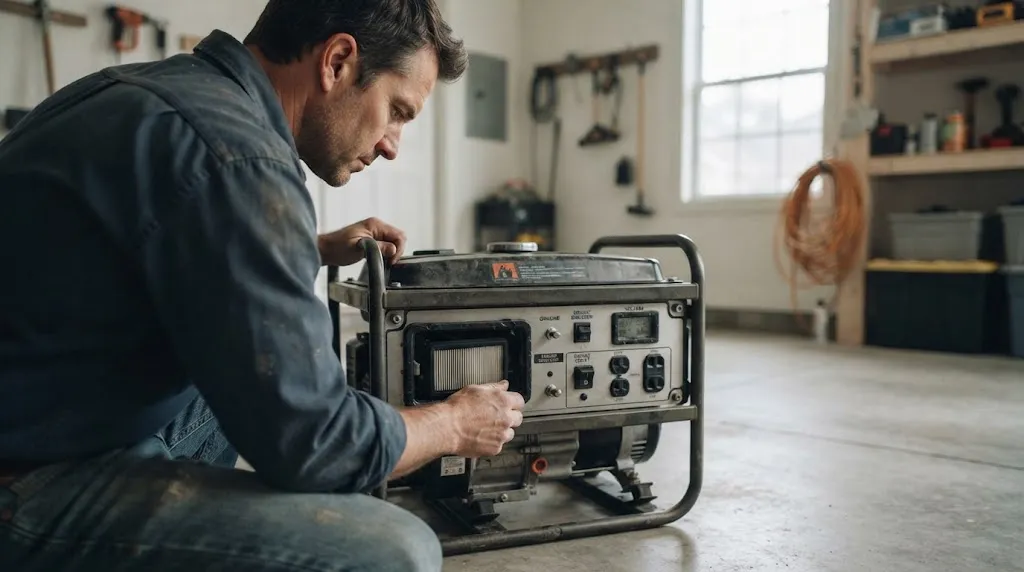
If a sudden downpour catches your generator unawares and soaks the electrical components, follow these steps immediately:
- Shut Down Immediately: Turn off the engine right away and unplug all power cords to cut off electrical load.
- Move to Shelter: Relocate the unit to a completely dry garage, shed, or covered area out of the rain.
- Allow Thorough Drying: Let the generator dry completely for at least 24 to 48 hours. Do not attempt to start it while internal components are damp.
- Inspect and Test: Check the air filter, oil quality, and receptacles. If you suspect water entered the alternator windings, have a certified technician inspect the unit before startup.
Understanding Carbon Monoxide Safety
While protecting your generator from rain is important, never compromise on ventilation. Carbon monoxide is an odorless, colorless gas produced by gasoline engines that can be fatal in minutes if allowed to accumulate near living areas. Always prioritize outdoor placement with proper exhaust clearance over complete weather protection.
Related Product
Universal Generator Tent and Weather Cover
Shield your portable generator from rain and snow while maintaining safe airflow during emergency weather events.
As an Amazon Associate, we earn from qualifying purchases.
Frequently Asked Questions
Can a standard portable generator get wet in the rain?
No, standard portable generators should never be exposed directly to rain, snow, or standing water. Moisture can cause severe electrical shock hazards, short circuits, permanent damage to the alternator or control panel, and potential electrocution risks for anyone operating the unit.
What happens if water gets inside a running generator?
If water enters the electrical components or engine windings while the generator is running, it can instantly short out the system, ruin the alternator, fry the control board, or create a live electrical current through the metal frame of the generator.
Can I use a regular tarp to cover my portable generator outside?
You should never drape a standard tarp directly over a running generator. This traps exhaust heat, restricts vital airflow needed for cooling, creates a severe fire hazard, and can trap moisture underneath through condensation, which still exposes the electrical components to dampness.
What is a tent or enclosure designed for generators?
A generator tent or specialized weatherproof canopy is a specially engineered cover that shields the unit from direct precipitation while maintaining open airflow on the sides. These structures allow the generator to run safely outdoors during wet weather without overheating or suffocating the engine.
How far away from the house should a generator be placed?
A portable generator must always be operated outdoors at least 15 to 20 feet away from doors, windows, and vents. The exhaust contains deadly carbon monoxide gas, so positioning it properly is critical to prevent fumes from entering living spaces, even when trying to keep the unit sheltered from rain.
What should I do if my generator gets soaked in a heavy storm?
If your generator gets soaked while turned off, do not attempt to start it. Move it to a dry, covered area immediately, disconnect all loads, and allow it to dry thoroughly for at least 24 to 48 hours. Have a qualified technician inspect the electrical windings and insulation before attempting to restart it.
Conclusion
Leaving a portable generator unprotected in the rain invites electrical failure, short circuits, and serious safety hazards. While backup power is essential during severe weather, protecting the equipment requires proper shelter rather than makeshift tarps that restrict airflow. By using a certified generator tent or a well-ventilated overhang—while maintaining a safe distance from your home—you can keep your generator running safely through any storm.

Hi, I’m Michael Turner. I own a generator workshop in the United States and founded HomeGeneratorBlog to share practical, hands-on guidance about generator installation, maintenance, troubleshooting, safety, and backup power solutions. My goal is to help homeowners make smarter, more confident decisions through clear and reliable information