Which Generator Parts Need Weather Protection?
Quick Answer
The generator parts most in need of weather protection are the electrical outlets and connections, control panel, alternator, battery terminals, exposed wiring, fuel-system components, metal frame, and fasteners. Protect them from rain, standing water, direct sunlight, and corrosion using the correct enclosure or shelter. Never allow a cover to block cooling airflow, the engine intake, or exhaust, and follow the manufacturer’s instructions for wet-weather operation.
Weather protection is not simply a matter of keeping the entire generator underneath a waterproof cover. Different components face different risks: electrical parts can become hazardous when wet, metal surfaces can corrode, batteries can deteriorate under unsuitable conditions, and fuel-system components can suffer from moisture or contamination.
The right protection also depends on the generator’s design. A portable open-frame generator has more exposed components than a factory-enclosed standby unit, while an inverter generator may have additional protective housing around its electrical equipment.
Which Generator Parts Need the Most Weather Protection?
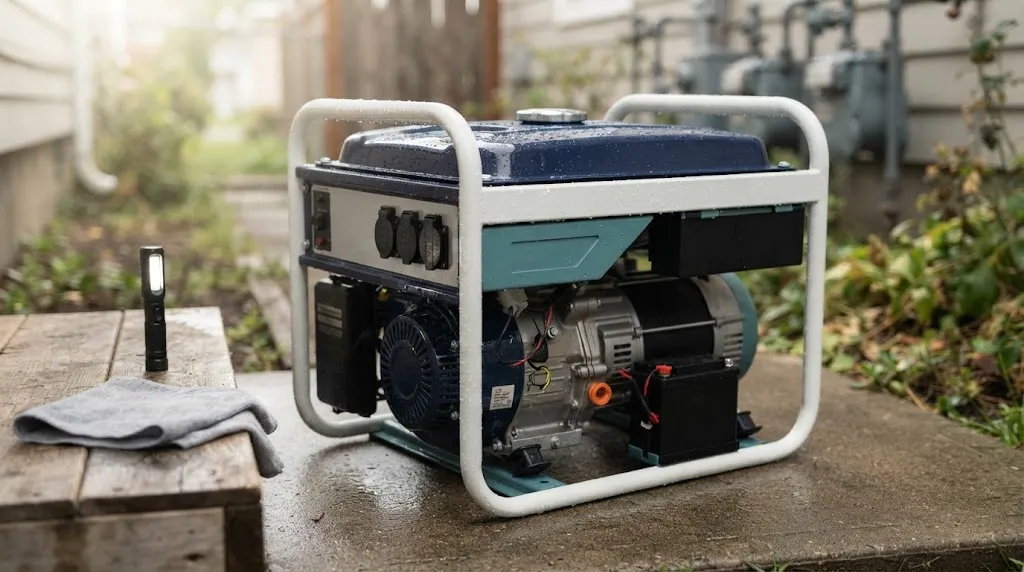
Start with components that could create an electrical hazard, prevent reliable starting, or suffer damage when exposed to moisture. The following table provides a practical inspection priority, although the exact arrangement varies by model.
| Component | Main weather risk | Protection priority |
|---|---|---|
| Outlets and electrical connections | Water intrusion and electric shock | Very high |
| Control panel and switches | Moisture, corrosion, malfunction | Very high |
| Alternator and generator head | Moisture, corrosion, insulation damage | High |
| Battery and terminals | Corrosion and temperature-related deterioration | High when fitted |
| Wiring and connectors | Water entry, damaged insulation, corrosion | High |
| Fuel tank, lines, and fittings | Corrosion, leaks, and contamination | High |
| Frame, bolts, and brackets | Rust, UV exposure, and finish deterioration | Moderate |
These priorities are a guide to inspection, not a claim that every generator has the same weather resistance. Factory enclosures and component ratings determine how much additional protection is needed.
1. Electrical Outlets, Plugs, and Connections
Electrical outlets and connections deserve immediate attention because water can create a shock hazard. Rain can reach exposed receptacles, plugs, extension-cord connections, and other electrical interfaces, particularly when wind drives water sideways or water collects on the ground.
Inspect the following areas when the generator is switched off and safe to examine:
- Power outlets and their protective covers.
- Plug connections and extension-cord connection points.
- Grounding connections where applicable.
- Exposed terminals and electrical connectors.
- Damaged, cracked, or frayed cord insulation.
Keep connections off wet ground and use outdoor-rated electrical equipment suitable for the actual conditions. Ground-fault circuit interrupters (GFCIs) can provide additional protection where appropriate, but they do not make unsuitable equipment safe to use in wet conditions.
Do not touch wet electrical connections or attempt to dry, repair, or disconnect energized components while standing in water. Shut down the generator when safe to do so, isolate the equipment according to its instructions, and have water-damaged electrical components evaluated before reuse.
2. Control Panel, Switches, and Display
The control panel needs protection because it contains the controls and indicators used to operate and monitor the generator. Depending on the model, it may include start and stop switches, circuit breakers, a display, warning indicators, and electrical connections.
Moisture entering an inadequately protected panel can contribute to corrosion, unreliable readings, malfunctioning switches, or electrical faults. Repeated exposure may also damage seals and protective covers.
Check that panel doors, gaskets, and outlet covers close correctly. Look for cracked housings, loose covers, damaged seals, and signs of water inside the panel. Never assume that a panel is waterproof just because its exterior looks solid.
For permanently installed standby generators, verify that the manufacturer’s enclosure and weather-protection provisions are intact. For portable generators, keep rain away from the controls without enclosing the machine or obstructing access needed for safe operation.
3. Alternator and Generator Head
The alternator converts mechanical energy from the engine into electrical power. Its internal windings, insulation, bearings, and other components must remain within the moisture and environmental conditions specified by the manufacturer.
Rain entering an exposed generator head can contribute to corrosion or insulation problems. Moisture that remains trapped inside the machine may also create problems even after the weather clears.
Protection should focus on keeping direct precipitation out of vulnerable openings while preserving the airflow and cooling the equipment requires. Do not wrap the alternator tightly in plastic or fabric, and do not apply water-repellent sprays or coatings to internal electrical components unless the manufacturer specifically approves them.
If the generator has been submerged, soaked internally, or exposed to water in a way that may affect electrical insulation, do not simply start it to see whether it works. Disconnect it from use and arrange appropriate inspection and testing before restarting.
4. Battery and Battery Terminals
Generators equipped with electric starting systems may have a starting battery and associated cables. The battery and its connections need protection from direct water entry, excessive heat, and conditions that encourage corrosion.
Moisture around terminals can contribute to corrosion, while damaged cable insulation or loose connections can interfere with starting. High temperatures and unsuitable storage conditions can also shorten battery life.
During routine inspections, look for corrosion around terminals, cracked battery cases, damaged cables, loose connections, and signs of leakage or swelling. Do not touch or adjust electrical connections while the generator is running or while the system remains energized.
Use only the battery enclosure, terminal protection, and maintenance procedures specified for the model. Do not seal a battery compartment in a way that interferes with required ventilation, and never assume that a weather cover makes an unsuitable battery installation safe.
5. Exposed Wiring, Sensors, and Connectors
Wiring may connect the control panel, battery, engine sensors, charging system, alternator, and other electrical components. Even when the main housing is protected, smaller connectors can remain exposed to wind-driven rain, condensation, dirt, and corrosion.
Look for cracked insulation, loose connectors, damaged cable jackets, corroded terminals, and wiring that rubs against sharp frame edges. Cable entry points should have their intended seals and strain reliefs in place.
Do not wrap every connection in ordinary tape or add improvised waterproofing. Incorrect repairs can trap moisture, interfere with heat dissipation, or prevent proper servicing. Replace damaged wiring and seals with compatible parts using the manufacturer’s approved procedure.
For a better understanding of how the major components fit together, see this guide to portable generator parts and their functions.
6. Fuel Tank, Fuel Lines, and Fittings
The fuel system needs protection against corrosion, contamination, physical damage, and leaks. Metal tanks and fittings may corrode when moisture repeatedly collects on their surfaces, while exposed hoses can deteriorate from sunlight, abrasion, or unsuitable temperatures.
Inspect the tank exterior, fuel-line connections, hose condition, clamps, and visible fittings. Look for rust, cracks, wet patches, unusual fuel odors, or signs that a connection has loosened.
Weather protection must not conceal a fuel leak. If you notice leaking fuel, stop using the generator when safe, keep ignition sources away, and follow the manufacturer’s instructions for dealing with the fault before restarting.
Keep fuel caps and other intended closures correctly fitted, but do not seal vents that the fuel system needs. Never modify a fuel tank or cover a hot engine and exhaust system with material that could ignite.
Fuel quality and storage also matter, but they are separate from protecting the outside of the machine. The guide to the portable generator fuel system explains the related storage and maintenance considerations.
7. Metal Frame, Fasteners, and External Surfaces
The frame, mounting brackets, bolts, and exposed metal surfaces generally tolerate outdoor conditions better than unprotected electrical components, but repeated exposure to moisture and sunlight can still cause deterioration.
Rainwater that remains around joints, scratches, or damaged paint can promote rust. Salt-laden air in coastal areas can accelerate corrosion, while intense sunlight can degrade plastic parts, rubber seals, and some protective finishes.
Keep the generator on a firm, well-drained surface rather than in standing water. Remove accumulated dirt and debris, inspect damaged paint, and use only manufacturer-approved corrosion protection where needed.
For standby units, check the enclosure hinges, door seals, fasteners, and mounting hardware. For portable units, inspect the frame and wheel assemblies for rust or damage that could affect stability or safe movement.
How to Protect Generator Parts Without Creating New Hazards
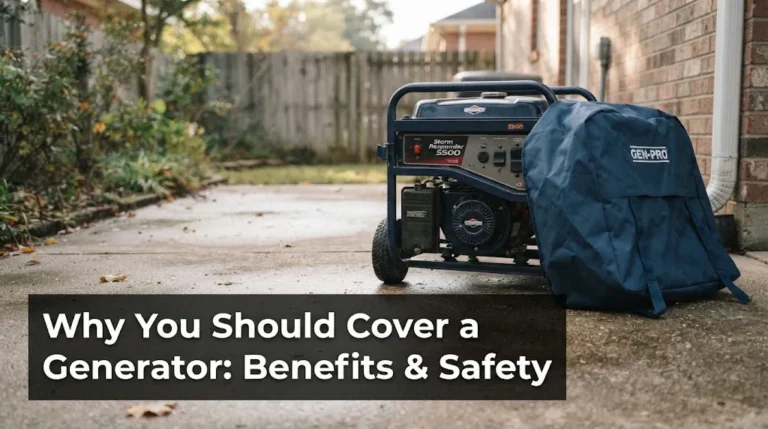
The right protection depends on whether the generator is running or being stored. A storage cover is not interchangeable with a shelter specifically engineered for operating equipment.
When the generator is running
- Follow the owner’s manual for rain, snow, and wet-weather operation.
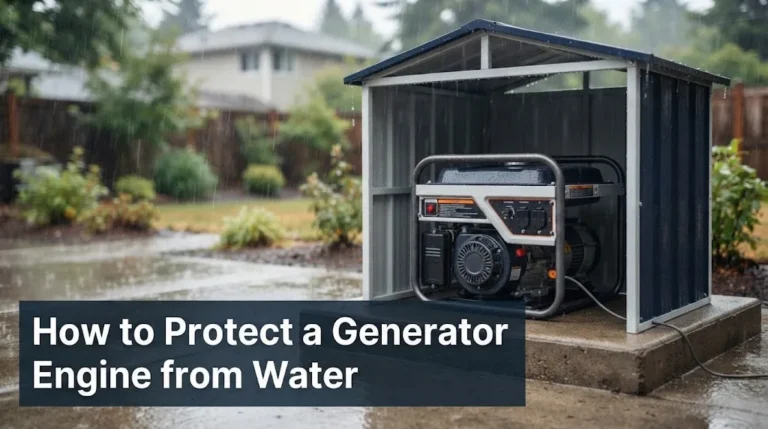
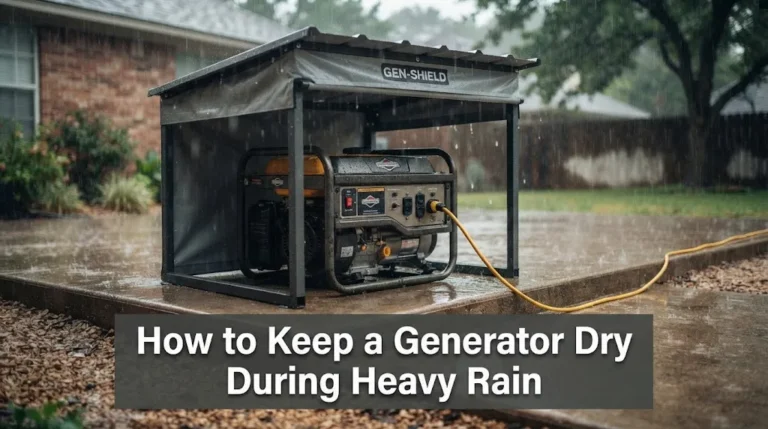
- Use only a compatible, purpose-designed weather-protection system if the manufacturer permits it.
- Keep cooling-air intakes, ventilation openings, and exhaust paths unobstructed.
- Keep electrical connections protected using equipment suitable for outdoor conditions.
- Position the unit on a stable, dry surface where water cannot collect around it.
When the generator is switched off
- Shut the unit down and let the engine and exhaust system cool completely.
- Inspect the machine for leaks, damage, standing water, and visible corrosion.
- Allow wet surfaces to dry before fitting a storage cover.
- Use a properly fitted, weather-resistant cover intended for the generator’s design.
- Secure the cover and inspect periodically for trapped moisture, mold, rust, or damaged seals.
Warning
Never run a portable generator inside a home, garage, shed, or other enclosed or partially enclosed space to keep it dry. Carbon monoxide can accumulate to lethal levels. The U.S. Consumer Product Safety Commission advises operating portable generators outdoors at least 20 feet from homes, with exhaust directed away from doors, windows, and vents. Follow your model’s wet-weather instructions; if safe operation cannot be maintained, wait until conditions improve.
For more detail on safe placement, read the guide to where to place a portable generator.
What Should You Check After Heavy Rain or a Storm?
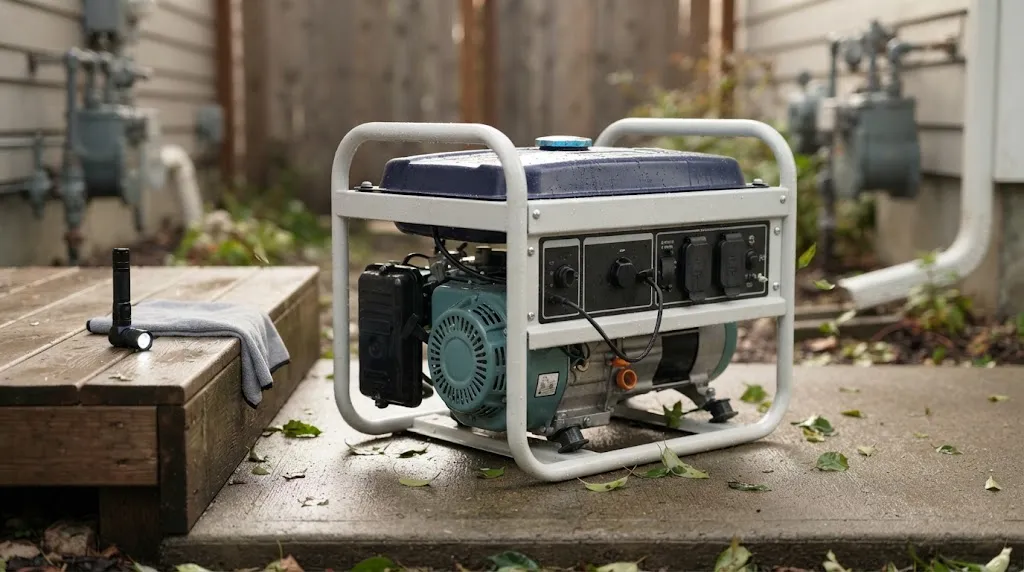
Do not assume that a generator is safe simply because its engine starts after a storm. Water may have reached electrical connections, accumulated inside an enclosure, or damaged components that are not visible from outside.
Once conditions are safe and the machine is shut down, check for:
- Standing water around the base or inside accessible compartments.
- Water marks, condensation, or corrosion near electrical parts.
- Damaged covers, loose enclosure panels, or displaced seals.
- Frayed cables, corroded connectors, or damaged outlet covers.
- Fuel or oil leaks and damage caused by windblown debris.
If the generator or its electrical components have been flooded or significantly soaked, keep it out of service until it has been appropriately evaluated. Do not energize wet equipment or rely on air-drying alone to establish that its insulation and electrical protection remain safe.
A useful maintenance habit is to inspect the generator before severe weather arrives and again after the storm. Fixing a damaged seal or loose enclosure panel early can prevent repeated water entry, while documenting corrosion or recurring leaks helps identify problems that a cover alone cannot solve.
Related Product
Purpose-Built Generator Weather Canopy
A compatible running canopy can help shield a portable generator from precipitation while preserving the ventilation and exhaust clearance its manufacturer requires. Confirm model compatibility and operating instructions before use.
As an Amazon Associate, we earn from qualifying purchases.
Frequently Asked Questions
Can rain damage a generator even if it still runs?
Yes. Moisture can cause corrosion, damage electrical insulation, or affect connections without immediately stopping the engine. If water may have reached electrical components, have the generator evaluated before relying on it.
Should the entire generator be waterproofed?
No. Protection should match the manufacturer’s design and the exposure conditions. Keep vulnerable parts protected, but do not seal cooling openings, fuel-system vents, or exhaust paths that must remain open.
Do standby generators need weather protection?
Yes, although many standby models have factory-designed outdoor enclosures. Inspect the enclosure, seals, ventilation openings, fasteners, and electrical entry points, and repair damage according to the manufacturer’s instructions.
Can I use a regular tarp to protect a running generator?
No. A loose tarp can block cooling airflow, contact hot surfaces, or interfere with exhaust dispersion. Use only a compatible shelter specifically designed and approved for generator operation, or wait until conditions permit safe use.
How can I prevent rust on an outdoor generator?
Keep the unit on a well-drained surface, repair damaged protective finishes using approved products, remove accumulated dirt, and inspect metal joints and fasteners regularly. A cover helps, but trapped moisture can also cause corrosion.
What should I do if my generator has been submerged?
Do not start or energize it. Keep it out of service and arrange inspection and appropriate electrical testing by a qualified service provider before reuse. Drying the exterior does not establish that internal components are safe.
Conclusion
The electrical outlets, control panel, alternator, wiring, battery connections, fuel-system components, and exposed metal parts all deserve attention when protecting a generator from the weather. Prioritize electrical safety and moisture intrusion, then address corrosion, drainage, and deterioration of the enclosure.
The most effective approach is to inspect vulnerable parts regularly, maintain the manufacturer’s intended weather protection, and use a suitable cover only for its approved purpose. Above all, never trade ventilation, safe exhaust clearance, or electrical safety for a drier generator. If flooding or significant water intrusion occurs, keep the unit out of service until it has been properly evaluated.

Hi, I’m Michael Turner. I own a generator workshop in the United States and founded HomeGeneratorBlog to share practical, hands-on guidance about generator installation, maintenance, troubleshooting, safety, and backup power solutions. My goal is to help homeowners make smarter, more confident decisions through clear and reliable information