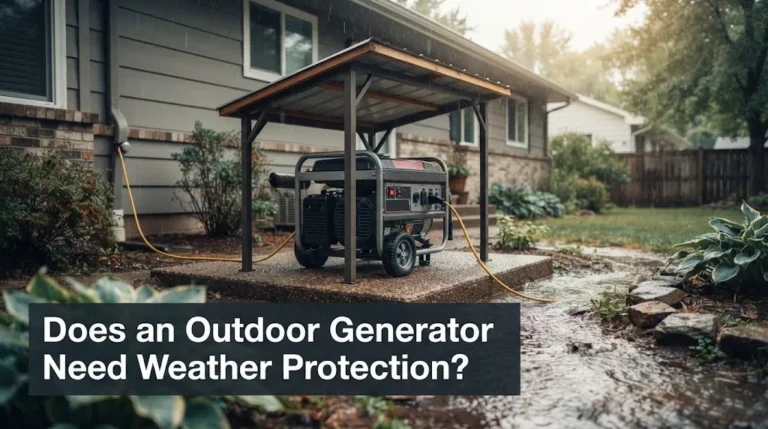
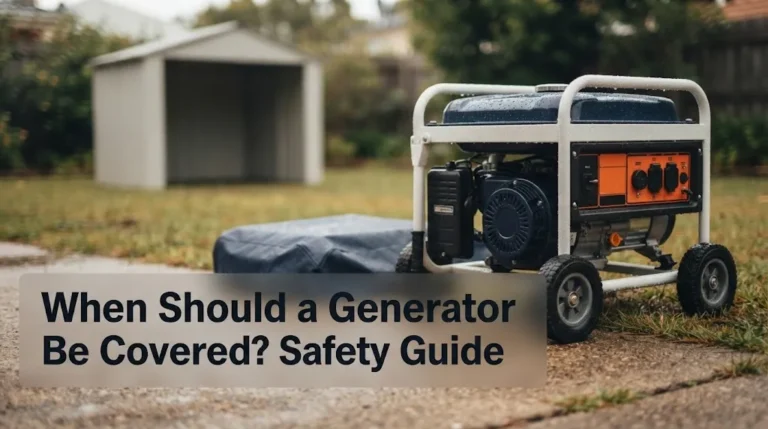
Can You Store a Generator Outside Without a Cover?
Quick Answer
Yes, a generator can sometimes be stored outdoors without a cover, but leaving it exposed to rain, humidity, sunlight, and debris increases the risk of corrosion and damage. A dry, sheltered storage location is preferable. If outdoor storage is unavoidable, follow the manufacturer’s instructions and use suitable weather protection. Never confuse storage protection with a safe enclosure for operating a generator.
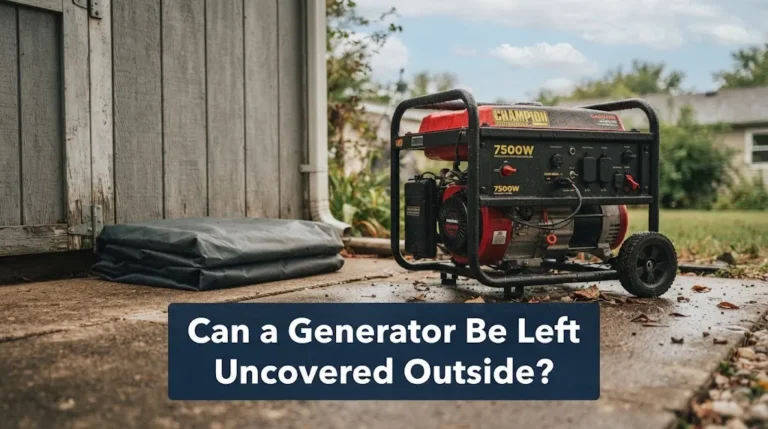
A generator does not necessarily need a fitted cover every moment it sits outside. However, leaving it uncovered for weeks or months exposes it to conditions that can shorten its service life, especially when moisture reaches electrical connections, metal components, or the fuel system.
The important distinction is between temporary exposure in dry weather and long-term storage in an exposed location. A generator sitting outside overnight under clear skies faces different risks from one left in a rainy yard through an entire wet season.
Can You Leave a Generator Outside Without a Cover?
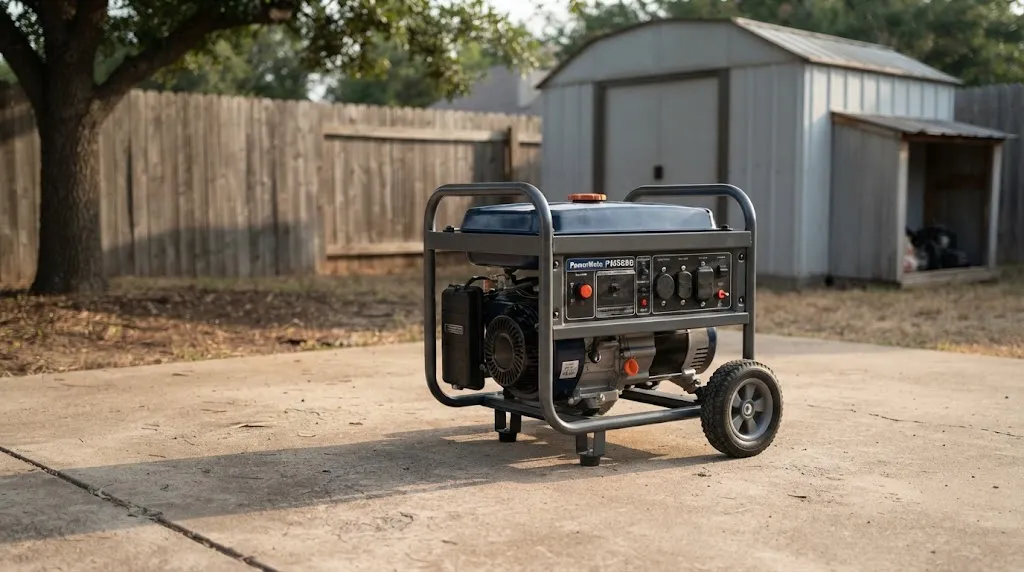
Yes, for a limited period in suitable weather, provided the generator is switched off, cool, and positioned safely. However, uncovered outdoor storage is not the best long-term arrangement for most portable generators.
Generators contain metal frames, electrical components, control panels, wiring, and other parts that can deteriorate when exposed to moisture and harsh weather. Some models have more protective factory enclosures than others, so the amount of protection required varies.
- Dry weather for a short period: Temporary uncovered storage may be manageable if the manufacturer permits outdoor storage and the location is secure.
- Frequent rain or high humidity: Use suitable weather protection and inspect the generator regularly.
- Long-term outdoor storage: Choose a dry, sheltered location whenever possible rather than relying on the machine’s own enclosure.
- Flood-prone ground: Move the generator to a safer, dry location. A cover cannot protect it from rising water or flooding.
Do not assume that a generator described as portable or suitable for outdoor use is automatically designed to sit uncovered in every weather condition. Check the owner’s manual for storage requirements specific to the model.
What Can Happen If a Generator Is Left Uncovered?
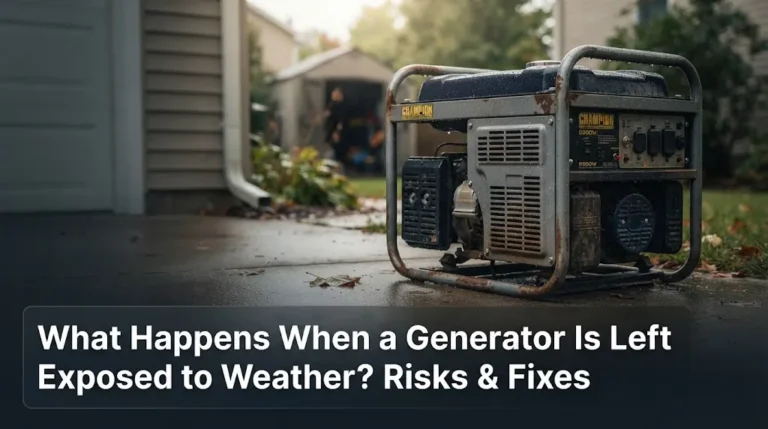
The main concerns are water intrusion, corrosion, condensation, sunlight exposure, and debris. The actual consequences depend on the generator’s design, how long it remains outside, and the local climate.
Rain can damage electrical components
Rainwater can reach outlets, switches, wiring connections, and other electrical areas that are not adequately protected. Moisture may cause corrosion or contribute to electrical faults. If water enters sensitive components, the generator may require inspection before it is safe to operate again.
A weather-resistant outer case does not necessarily mean every outlet or connection is protected against direct rainfall. Check the manufacturer’s specifications rather than judging protection by appearance.
Humidity can encourage rust and condensation
Moist air can contribute to corrosion, particularly when a generator experiences repeated temperature changes. Condensation may form on cooler surfaces even when rain does not fall directly on the machine.
Metal frames, fasteners, exhaust components, and exposed connections may gradually deteriorate. A cover can reduce direct weather exposure, but a poorly ventilated cover can also trap moisture, so protection must not come at the expense of drying.
Sunlight can degrade exposed materials
Prolonged ultraviolet exposure can age certain plastics, rubber parts, insulation, and protective coatings. Direct sunlight may also increase the temperature of the generator’s outer surfaces.
This is generally a gradual concern rather than proof that a generator will be damaged after one sunny afternoon. A shaded storage location helps limit prolonged exposure.
Leaves, dust, and pests can cause additional problems
Outdoor storage exposes a generator to leaves, dirt, insects, and sometimes rodents. Debris may collect around openings, while pests can damage wiring or create nests in areas where the generator remains undisturbed.
Inspect the machine before restarting it after a long period outside. Look for blocked air openings, damaged wires, nests, loose connections, and signs of water entry.
Is It Safe to Store a Generator Outside in the Rain?
Leaving a generator exposed to rain is not recommended unless its manufacturer specifically permits the storage conditions involved. Even when a model has a weather-resistant enclosure, its outlets, connections, and other components may have different protection limits.
Rain exposure is especially concerning when water collects around the generator or enters its electrical system. Never assume that an apparently dry exterior means the interior is dry.
If a generator has been soaked, flooded, or exposed to water around its electrical components, do not start it simply to see whether it works. Follow the manufacturer’s instructions and arrange an appropriate inspection if water intrusion or damage is suspected.
Warning
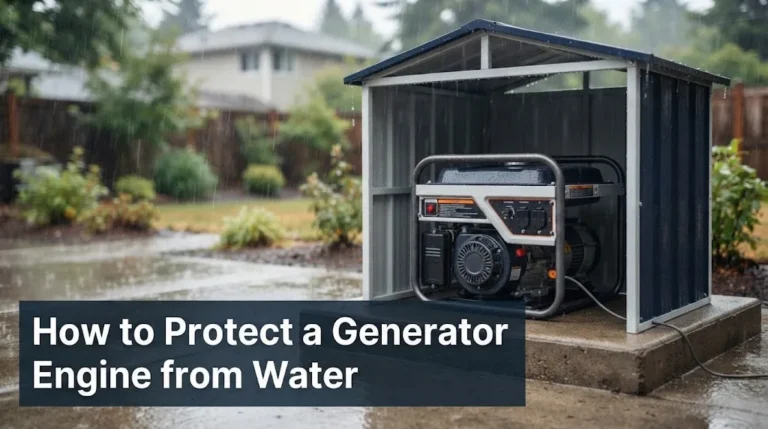
Never run a portable generator in rain or wet conditions unless the specific generator and its approved weather-protection arrangement permit that use. Water around energized equipment can create a serious shock hazard. A normal storage cover or household tarp is not a safe substitute for an approved operating shelter.
For the separate question of operating equipment during wet weather, read the guidance on using a generator in the rain. Storage and operation require different precautions.
What Is the Best Way to Protect a Generator Stored Outdoors?
The best approach is to keep the generator in a dry, sheltered, secure location. If you cannot store it indoors in a suitable area, combine appropriate weather protection with a stable surface and regular inspections.
- Choose a dry location. Avoid low spots, drainage channels, and places where rainwater collects. Keep the generator away from areas likely to flood.
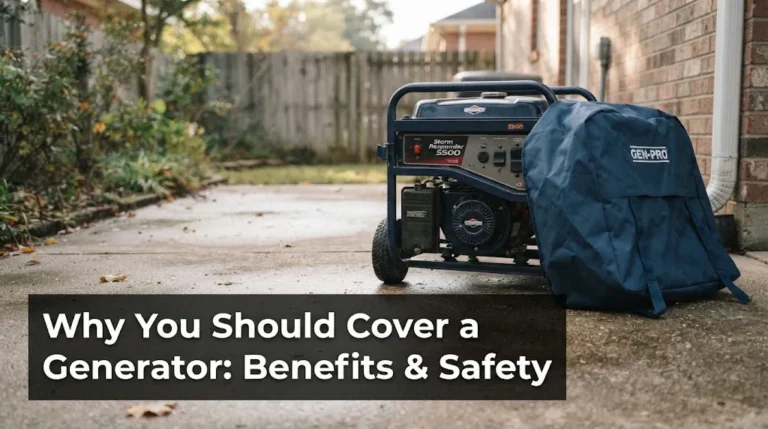
- Use suitable weather protection. Follow the owner’s manual when selecting a fitted storage cover or other protective arrangement. Check that it is compatible with your generator’s shape and design.
- Allow the generator to cool. Switch it off and let the engine and exhaust cool completely before installing a storage cover.
- Make sure the unit is dry. Allow surface moisture to evaporate before covering it. Do not seal a wet generator beneath an impermeable sheet.
- Secure the cover. Prevent wind from pulling it loose or allowing it to rub against controls, connectors, and frame edges.
- Inspect the machine periodically. Look for moisture underneath the cover, rust, damaged wiring, pest activity, and signs of fuel or oil leaks.
A fitted cover is useful for limiting exposure, but it does not turn a wet or unsuitable storage location into a safe one. If you need help distinguishing storage protection from a shelter intended for operation, the guide to portable generator covers explains the differences.
Can You Use a Tarp Instead of a Generator Cover?
A tarp can provide temporary protection for a generator that is switched off, completely cool, and being stored, but it is not automatically the best choice for prolonged outdoor exposure. An ordinary plastic tarp may trap condensation, collect water in folds, or become loose in strong wind.
If you use one temporarily, make sure the generator is dry first, secure the tarp against wind, and avoid wrapping the machine so tightly that moisture cannot escape. Check underneath regularly. For longer storage, use the protection recommended by the generator manufacturer.
Never drape a normal tarp over a running generator. Fabric can block cooling airflow, contact hot exhaust components, or interfere with exhaust dispersal. A shelter intended for operation must be specifically suitable for the generator and installed according to its instructions.
For more detail about the limitations of general-purpose coverings, see whether a tarp can be used to cover a generator.
Does a Standby Generator Need a Cover?
A permanently installed standby generator is different from a portable unit. Many standby models have factory-built outdoor enclosures designed for their intended installation conditions, so adding a separate cover may be unnecessary or could interfere with ventilation.
Do not wrap a standby generator in a tarp or place an extra cover over its vents, radiator, cooling openings, or exhaust. Follow the manufacturer’s instructions for weather exposure, clearances, inspection, and maintenance.
Portable generators generally need a separate storage decision because their frames and electrical components vary widely. Some have substantial protective housings, while open-frame models leave more components exposed. In either case, the owner’s manual is the final reference for acceptable storage conditions.
How Should You Prepare a Generator for Long-Term Outdoor Storage?
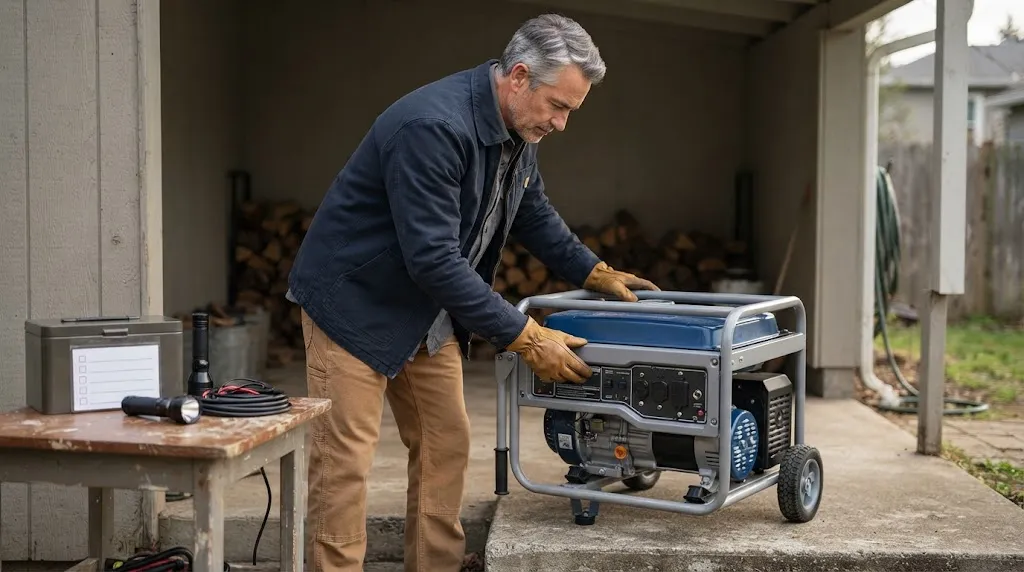
If the generator must remain outside for weeks or months, covering it is only one part of preparation. Fuel condition, battery maintenance, cleanliness, and periodic inspection can also affect whether the machine starts reliably when needed.
- Follow the fuel-storage instructions. Gasoline can deteriorate during storage. Depending on the model and storage duration, the manufacturer may recommend stabilizing the fuel or draining parts of the fuel system.
- Check the oil and other service items. Complete any maintenance required before the next expected use.
- Protect the battery where applicable. Electric-start generators may require specific battery-storage or charging procedures.
- Keep the unit upright and stable. Follow the manual’s positioning requirements and avoid surfaces where the generator may sink, tip, or collect water.
- Inspect it before restarting. Remove the cover, check for damage or obstructions, and verify that there are no apparent fuel or oil leaks.
Storage procedures vary by engine and fuel system, so do not apply one model’s instructions to every generator. The detailed guide to safe portable generator storage covers preparation for longer periods of inactivity.
Frequently Asked Questions
How long can a generator stay outside without a cover?
There is no universal safe time limit. A short period in dry weather may pose little immediate risk, while rain, humidity, flooding, and direct sunlight can increase exposure-related damage. Follow the owner’s manual and arrange suitable protection for longer storage.
Can dew damage a generator left uncovered overnight?
Repeated moisture exposure can contribute to corrosion, particularly around exposed metal and electrical connections. One night of dew does not automatically mean the generator is damaged, but the unit should be kept dry and inspected if moisture reaches sensitive components.
Should a generator be covered during winter?
Use weather protection appropriate to the generator and local conditions. Before long-term winter storage, follow the manual for fuel, battery, and maintenance preparation, and make sure the machine is cool and dry before fitting its storage cover.
Can I leave a generator outside under a roof but without a cover?
Possibly, if the roof provides reliable protection from rain and the storage location remains dry and secure. Wind-driven rain, humidity, dust, and pests can still reach the generator, so inspect it regularly and follow the manufacturer’s storage requirements.
Can I store a generator in a shed instead of covering it outside?
A suitable dry storage shed can protect a switched-off generator from direct weather, but it must meet the manufacturer’s storage and ventilation requirements. Never operate a fuel-burning portable generator inside a shed or any other enclosed or partially enclosed space because carbon monoxide can accumulate.
What should I do if my uncovered generator gets soaked?
Do not start it just to test whether it works. Check the owner’s manual, look for obvious water intrusion without touching potentially unsafe electrical components, and arrange an appropriate inspection if water reached electrical parts or the generator was flooded. Keep it out of service until it is safe to use.
Conclusion
A generator can sometimes remain outdoors without a cover for a short period, but leaving it exposed to the weather for long-term storage increases the risk of corrosion, moisture damage, and deterioration. A dry, sheltered location is preferable, and a suitable storage cover adds protection when outdoor storage cannot be avoided.
Choose protection based on the generator’s design and the manufacturer’s instructions. Keep the machine cool and dry before covering it, inspect it periodically, and never use an ordinary storage cover or tarp while it is running. These precautions help preserve the generator and reduce the chance of discovering damage during the next power outage.

Hi, I’m Michael Turner. I own a generator workshop in the United States and founded HomeGeneratorBlog to share practical, hands-on guidance about generator installation, maintenance, troubleshooting, safety, and backup power solutions. My goal is to help homeowners make smarter, more confident decisions through clear and reliable information