
Can I Use a Generator in the Rain? Safety Guide
Quick Answer
Do not run an ordinary portable generator exposed directly to rain or standing water. Some generators can operate outdoors during rainfall when a compatible, manufacturer-approved running canopy keeps the equipment and connections dry without restricting ventilation. Follow your exact owner’s manual. Keep fuel-burning generators at least 20 feet from doors, windows, and vents, with exhaust pointed away from buildings. If you cannot meet every condition, wait for safer weather.
Why Is Rain Dangerous for a Portable Generator?
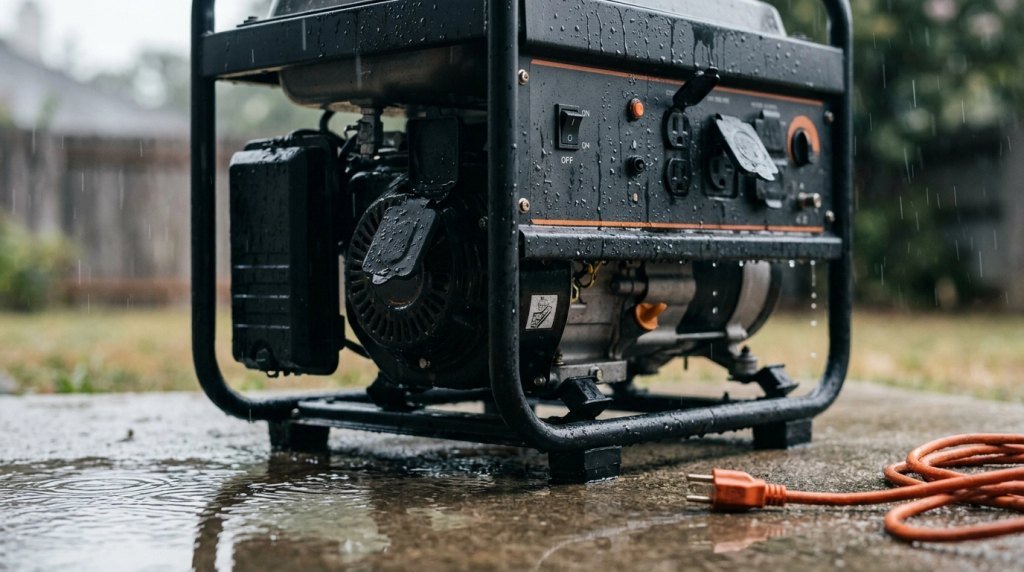
Rain creates an electrical hazard, not just a maintenance problem. Water reaching receptacles, wiring, damaged insulation, or the generator’s electrical components can increase the risk of shock, short circuits, and equipment failure. A puddle around the machine makes operating its controls or connecting cords especially dangerous.
Generators produce electricity capable of seriously injuring someone, even during a short outage. The OSHA portable generator safety guidance says to keep generators dry, use a canopy when necessary, and never handle electrical components while wet or standing in water.
Rain also tempts owners to make another hazardous choice: moving the generator into a garage or beneath an enclosed porch. That substitutes a potential carbon monoxide emergency for a weather problem. Safe rain protection must address both electricity and exhaust.
When Can You Operate a Generator During Rain?
The deciding question is not simply whether rain is falling. It is whether your particular generator is permitted to operate in those conditions and whether its engine, electrical parts, outlets, and cord connections can remain dry in a genuinely open outdoor location.
| Situation | Decision |
|---|---|
| Generator uncovered in rain | Do not operate. |
| Approved running cover, dry stable ground, safe airflow | May be possible if the generator manual allows it. |
| Puddles, flooding, or wet electrical connections | Do not operate or touch energized equipment. |
| High winds, lightning nearby, or unstable shelter | Do not set up or service the generator in unsafe conditions. |
A shelter does not automatically make the setup safe. Some manufacturers allow operation under particular weather protection; others prohibit operation in wet conditions. The model-specific instructions take priority over a generic accessory’s advertising.
How to Prepare a Safe Outdoor Setup Before Rain Starts
Prepare the location and equipment before the storm whenever possible. Trying to position a heavy generator, secure a canopy, and connect cords in driving rain introduces avoidable risks.
- Read the generator manual first. Check the weather restrictions, clearances, grounding instructions, and whether any running cover is permitted. If the instructions prohibit the proposed conditions, do not use that setup.
- Choose a dry, level outdoor location. Stay out of drainage channels, low spots, and areas where water may collect. A stable, manufacturer-appropriate surface matters more than simply raising the generator on an improvised platform.
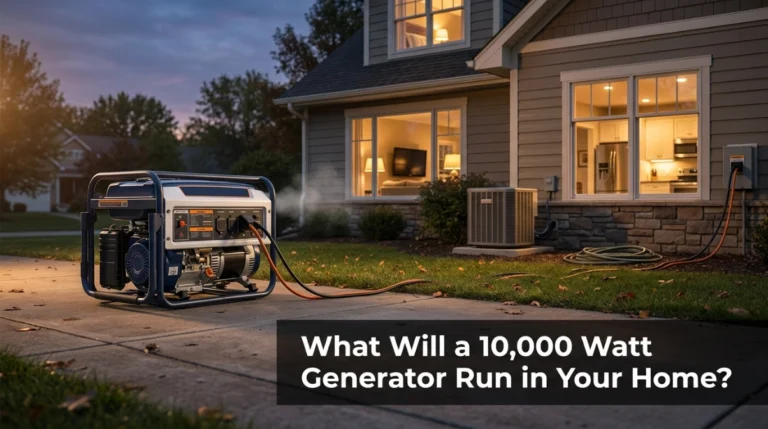
- Maintain safe distance from buildings. Place the generator at least 20 feet from doors, windows, and vents; point the exhaust away from occupied areas and neighboring buildings. For site-specific placement details, consult the portable generator placement guide.
- Install appropriate weather protection. Use a compatible running cover or suitable open canopy that the generator manufacturer permits. Keep required clearances around the engine, muffler, air intake, and exhaust. Secure the shelter against the forecast wind without enclosing the unit.
- Inspect the electrical path. Confirm that receptacles, cord ends, and connectors are dry. Use intact, grounded, outdoor-rated extension cords correctly sized for their loads. Position connections so runoff cannot enter them.
- Test safety equipment. Follow grounding and GFCI instructions, and check working battery-powered or battery-backup carbon monoxide alarms inside the home. Connect appliances only after the generator is running correctly, in the sequence prescribed by its manual.
This is a pre-operation checklist, not permission to work on live equipment in the rain. If conditions change so that the canopy moves, water reaches a connection, or the ground floods, the setup is no longer acceptable.
Which Rain Covers Are Safe—and Which Are Not?
A generator storage cover and a running cover do different jobs. Storage covers usually wrap the machine and belong on an engine that is switched off and cool. Running covers are engineered to shelter critical parts while allowing cooling air and exhaust to escape.
Do not drape a household tarp, garbage bag, or ordinary waterproof fabric over a running generator. Loose material can shift, block airflow, touch a hot muffler, or direct exhaust into an unsafe area. A simple roof is not enough if wind drives rain into the outlet panel.
Check compatibility with the exact model, not just the generator’s wattage. The generator cover guide explains the differences between storage protection and purpose-built operating shelters.
Warning
Never move a running portable generator into a house, attached or detached garage, shed, basement, carport, or enclosed porch to keep it dry. Opening doors, using a fan, or relying on a carbon monoxide shutoff sensor does not make those locations safe.
What About Heavy Rain, Wind, and Thunderstorms?
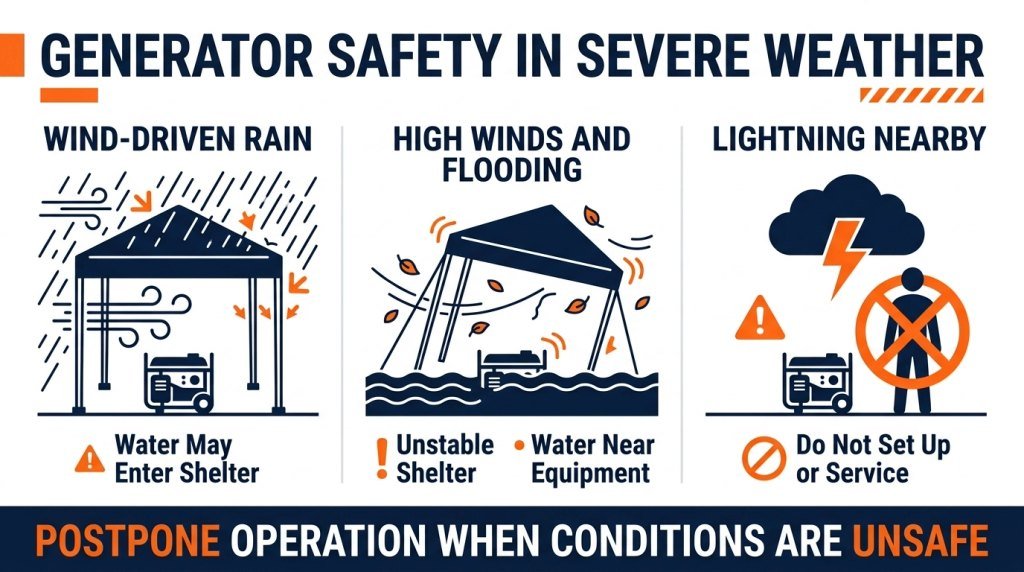
Light rain and a severe storm are not the same operating environment. Strong wind may blow water sideways beneath a canopy, lift the shelter, or send branches and debris toward the equipment. Floodwater can reach the frame and cords even when the canopy keeps rain off the top.
Do not go outside to start, relocate, refuel, or adjust a generator when lightning is nearby or storm conditions make outdoor work unsafe. If you cannot maintain a dry, stable, ventilated arrangement, postpone operation and prioritize personal safety. Never enter standing water to switch off or retrieve electrical equipment.
A permanently installed standby generator may be designed with a weather-resistant enclosure and professional electrical connections. That does not mean the same protection applies to a portable model. Follow the installation and operating guidance specific to each type.
How to Keep Cords and Electrical Connections Safe
Even under a good canopy, a wet plug connection can undermine the entire setup. Plan the route from the generator to the appliance before rain begins, keeping cords away from puddles, foot traffic, sharp edges, and areas where doors can pinch them.
- Use outdoor-rated, three-prong grounded cords that are appropriately rated for the appliance’s load and cord length.
- Inspect for cracked insulation, missing grounding pins, loose plugs, and heat damage before use.
- Keep plug-and-socket junctions dry and supported; do not leave them lying in wet grass or standing water.
- Use GFCI protection as instructed for your equipment, but never treat it as a replacement for dry conditions or proper grounding.
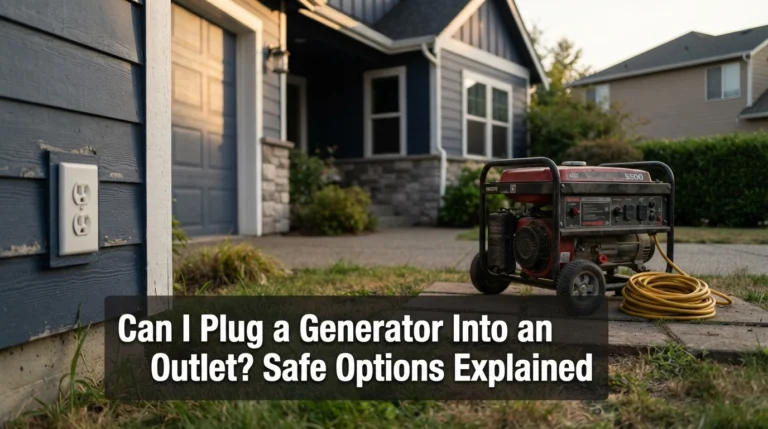
- Never connect the generator to a wall receptacle to power the house. Use professionally installed transfer equipment for household circuits.
Generator grounding requirements vary with the model and connection method. Adding a ground rod without understanding the system is not an automatic safety upgrade. The generator electrical safety guide covers GFCIs, cord ratings, grounding, and backfeeding in more detail.
What Should You Do If Your Generator Gets Wet?
If rain reaches the generator’s electrical components, stop using the system—but do not touch an energized, wet unit or approach it through standing water. Disconnect power or shut it down only if you can do so from a safely dry position without contacting hazardous equipment. Otherwise, keep clear and seek qualified assistance.
Do not assume the generator is safe just because the engine still starts. Water may remain inside outlets, connectors, control panels, or the alternator. Let the unit remain off and follow its manufacturer instructions for inspection and drying. Have a qualified service technician evaluate suspected water intrusion before returning it to service.
If the machine was submerged or floodwater reached its electrical parts, do not attempt a test run. Floodwater can leave contamination and hidden damage. OSHA advises that submerged electrical equipment be thoroughly dried and properly evaluated before use.
Unusual smells, smoke, damaged receptacles, or repeated protective-device trips are additional reasons to leave the generator off and arrange professional inspection rather than repeatedly restarting it.
Carbon Monoxide Safety Still Matters When It Rains
A generator shelter must not solve rain exposure by trapping engine exhaust. Gasoline, diesel, and propane-fueled generators produce carbon monoxide, an invisible and odorless gas that can enter nearby buildings.
The CDC power outage safety recommendations call for keeping fuel-burning generators outside, at least 20 feet from windows, doors, and vents, and using battery-powered or battery-backup CO detectors indoors. Exhaust should face away from the building; wind and neighboring openings also deserve attention.
Never take a shorter distance because the generator is under cover. A separate carbon monoxide safety guide can help you plan detector placement and recognize dangerous exposure conditions.
Refueling and Shutdown During Wet Weather
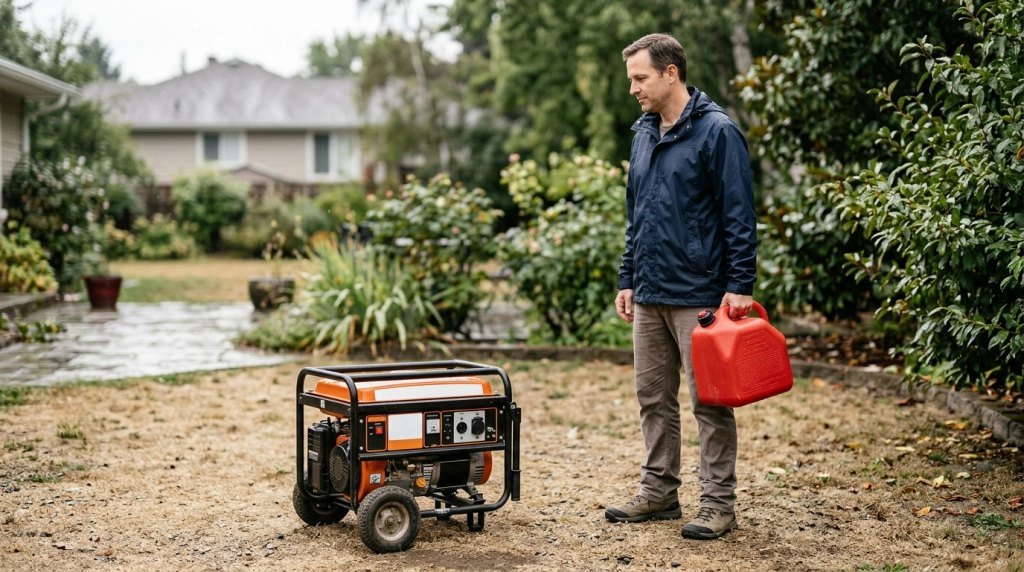
Rain does not make refueling a running generator acceptable. Shut the engine off and allow it to cool before adding fuel, following the owner’s manual. Keep fuel in approved containers and away from sparks, flames, and hot surfaces. If severe weather makes refueling unsafe, wait.
Before shutting down normally, disconnect or switch off loads as the manufacturer directs. Never improvise repairs, remove receptacle covers, or adjust live electrical connections while rain is falling. A generator that stops unexpectedly during a storm should be treated as a possible electrical or mechanical problem, not automatically restarted.
Prepare Before the Next Power Outage
The easiest way to manage a rainy outage is to decide on a safe generator location in good weather. Measure the distance from the house, identify a dry spot away from drainage, check cord reach and capacity, and confirm whether a compatible running shelter is allowed.
Keep the manual, approved cover, inspected cords, and working CO alarms ready. If your property has no location that stays dry while maintaining safe exhaust separation, speak with a qualified installer about a different backup-power arrangement instead of accepting an unsafe compromise.
Related Product
Generator Running Cover
A properly compatible running cover may help keep a permitted outdoor setup dry. Confirm model fit, ventilation, and your generator manual before buying.
As an Amazon Associate, we earn from qualifying purchases.
Frequently Asked Questions
Can an inverter generator be left in light drizzle?
Not unless its specific design and operating instructions permit that exposure. An enclosed inverter-style housing does not automatically mean the outlets, controls, and ventilation openings are rainproof.
Does a waterproof outlet cover make a generator weatherproof?
No. An outlet cover may protect one opening, but it does not establish that the control panel, electrical components, cooling vents, and connected plugs can safely withstand rain.
Can a portable generator run in falling snow?
Only when the manufacturer’s instructions permit a suitably protected setup. Snow can melt into electrical areas or block ventilation, and the generator still must remain outdoors away from buildings.
Is it safe to use a propane generator in the rain?
Propane does not eliminate electric-shock or carbon monoxide hazards. A propane-powered portable generator needs the same dry connections, approved weather protection, and safe outdoor positioning as a gasoline model.
Can I reconnect appliances as soon as the rain stops?
Only after you confirm that the generator, cords, and connections are dry and undamaged. If water entered electrical components, have the generator inspected before using it again.
What if my carbon monoxide alarm sounds during generator use?
Get everyone into fresh air immediately, call emergency services, and do not reenter until responders say it is safe. Do not remain inside to troubleshoot the alarm or retrieve belongings.
Conclusion
A generator should never be operated openly in rain or where water can reach its electrical equipment. For some models, a compatible running cover can make outdoor use during rainfall possible, but only when the manufacturer allows it and the entire setup remains dry, stable, and well ventilated.
Keep the generator well away from buildings, protect every electrical connection, and maintain functioning carbon monoxide alarms indoors. If flooding, strong storms, or an unsuitable location prevent those precautions, the safest decision is to wait rather than improvise shelter or handle wet equipment.

Hi, I’m Michael Turner. I own a generator workshop in the United States and founded HomeGeneratorBlog to share practical, hands-on guidance about generator installation, maintenance, troubleshooting, safety, and backup power solutions. My goal is to help homeowners make smarter, more confident decisions through clear and reliable information


One Comment