Can an Enclosed Generator Overheat? Safety & Cooling Guide
Quick Answer
Yes, an enclosed generator can overheat rapidly. Portable and standby generators rely on continuous, unobstructed airflow to dissipate the intense thermal energy produced by internal combustion and electrical generation. When confined to a tight space or an unventilated enclosure, hot air recirculates, trapping heat and causing engine components to degrade, trip thermal protections, or fail completely.
Why Enclosed Spaces Trap Heat and Cause Overheating
Internal combustion engines convert only a fraction of their fuel into electrical energy, while the rest escapes as heat. Portable air-cooled generators and stationary units rely on built-in fans, cooling fins, and open ambient air circulation to carry this thermal load away from the engine block and alternator.
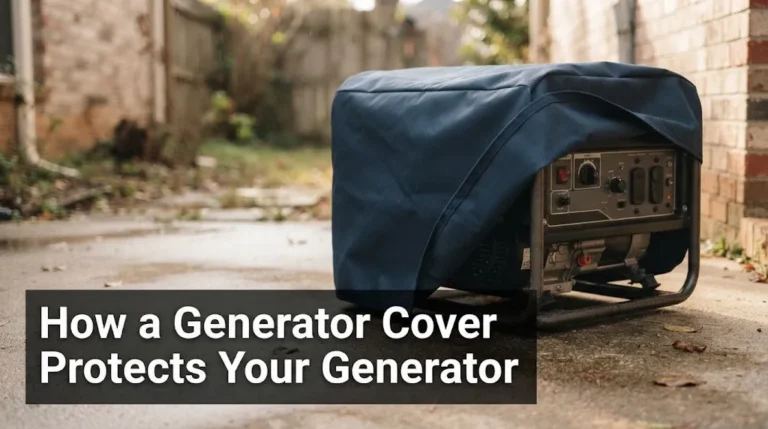
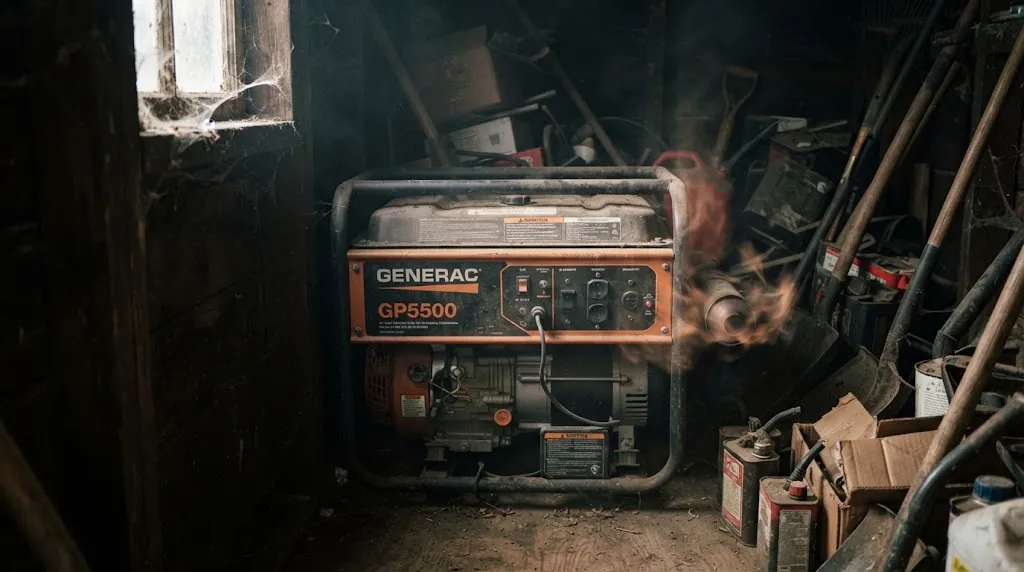
When a generator is placed inside a small shed, a tightly sealed box, a garage corner, or a recessed alcove, that heat has nowhere to escape. Instead of drawing in cool ambient air, the engine pulls in its own exhaust heat. As the intake air temperature climbs, the cooling efficiency drops exponentially, creating a thermal feedback loop that forces operating temperatures well past safe thresholds.
The Dangers of Operating a Generator in a Confined Space
Allowing a generator to overheat inside an enclosure threatens more than just the equipment. It introduces severe mechanical and safety hazards that can destroy the unit or put your home at risk.
Thermal Breakdown and Component Failure
Extreme and sustained heat degrades engine oil rapidly, stripping away its lubricating properties. This friction spike can lead to warped cylinder heads, melted plastic components, cracked gaskets, and seized pistons. The alternator windings can also scorch or short out under excessive thermal stress.
Carbon Monoxide and Fire Hazards
Beyond mechanical overheating, running any fuel-powered generator in an enclosed or semi-enclosed area creates a lethal buildup of carbon monoxide (CO) gas. Furthermore, if high temperatures cause fuel lines to expand, leak, or degrade near hot exhaust components, the risk of an accidental fire increases dramatically.
Warning
Never run a portable generator inside a garage, shed, crawlspace, or partially enclosed tent, even if doors or windows are open. Portable units require completely open outdoor ventilation to prevent lethal carbon monoxide accumulation and dangerous heat trapping.
Other Major Factors That Contribute to Generator Overheating
While poor enclosure ventilation is a primary culprit, overheating is frequently triggered by a combination of compounding operational factors.
- Electrical Overloading: Pushing a generator beyond its continuous wattage rating forces the alternator and engine to work excessively hard, converting extra electrical strain into intense internal heat.
- Low or Degraded Engine Oil: Oil acts as a vital secondary coolant. Low oil levels or old, broken-down fluid cannot draw heat away from tight engine tolerances effectively.
- Blocked Cooling Fins and Vents: Dust, grass clippings, dirt, or debris packed tightly around air intake vents restrict the airflow necessary for proper thermal regulation.
- High Ambient Temperatures: Running a unit during a severe heatwave in direct sunlight cuts down the natural temperature gradient needed for effective heat dissipation.
How to Safely House or Shelter a Generator
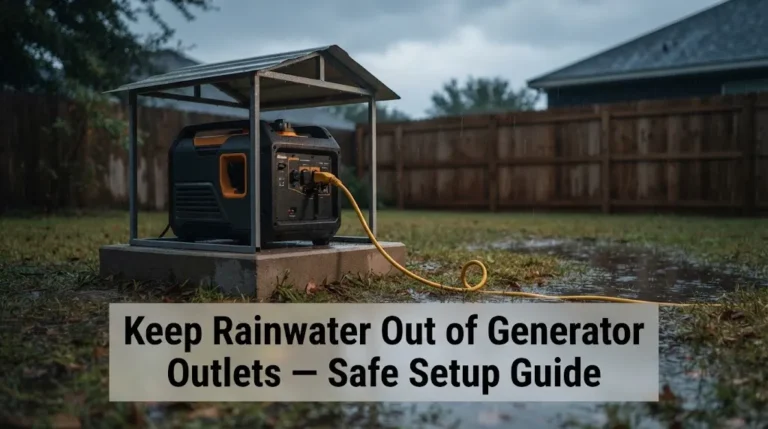
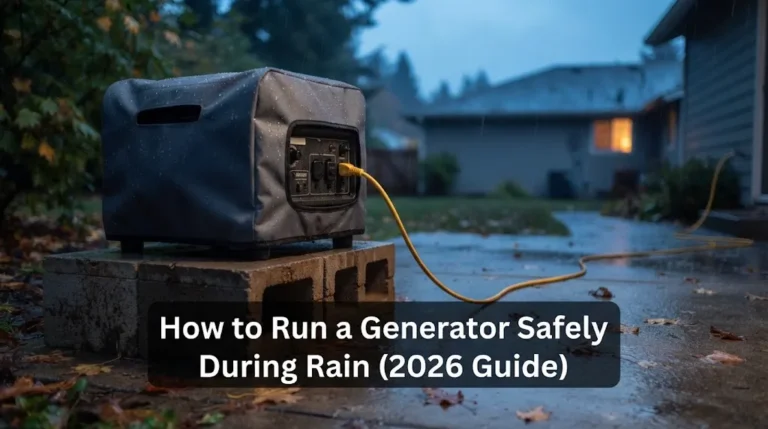
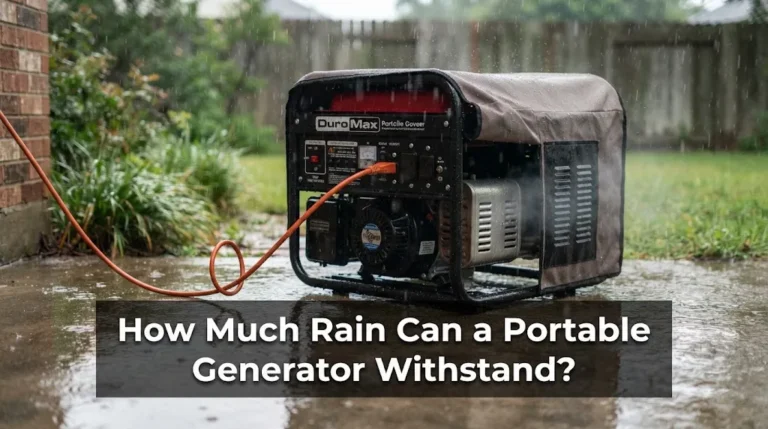
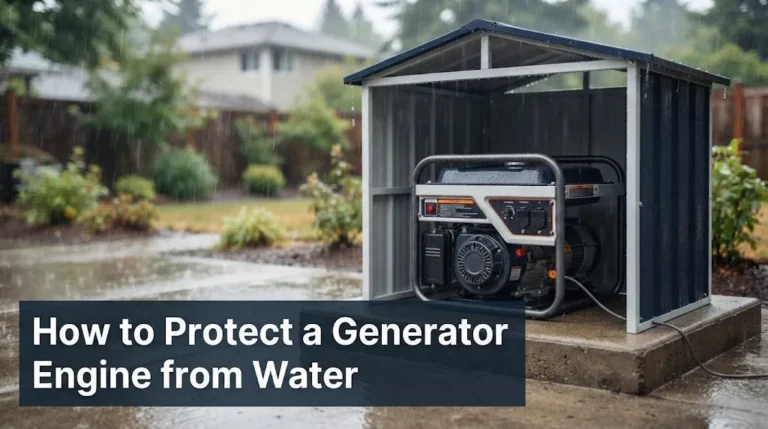
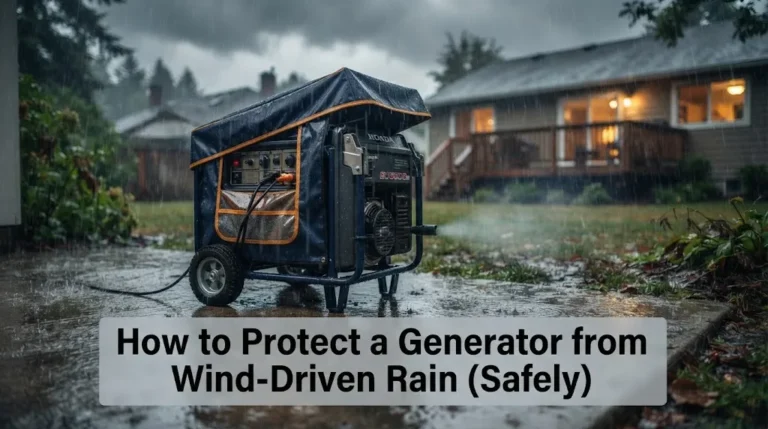
If you need to protect a stationary standby generator or use a specialized running cover for a portable unit during wet weather, strict design guidelines must be followed to avoid trapping heat.
Permanent standby generators are factory-built inside engineered weather-resistant enclosures designed with precise louver sizing, dedicated intake baffles, and built-in exhaust blowers. For portable units, standard plastic storage boxes or custom sheds must never be closed while the engine is running.
Tip
If you use a specialized portable generator tent or canopy for rain protection, ensure it features wide-open sides and maintains at least several feet of clearance around all exhaust and intake vents so hot air can escape freely into the open atmosphere.
Signs Your Generator is Overheating
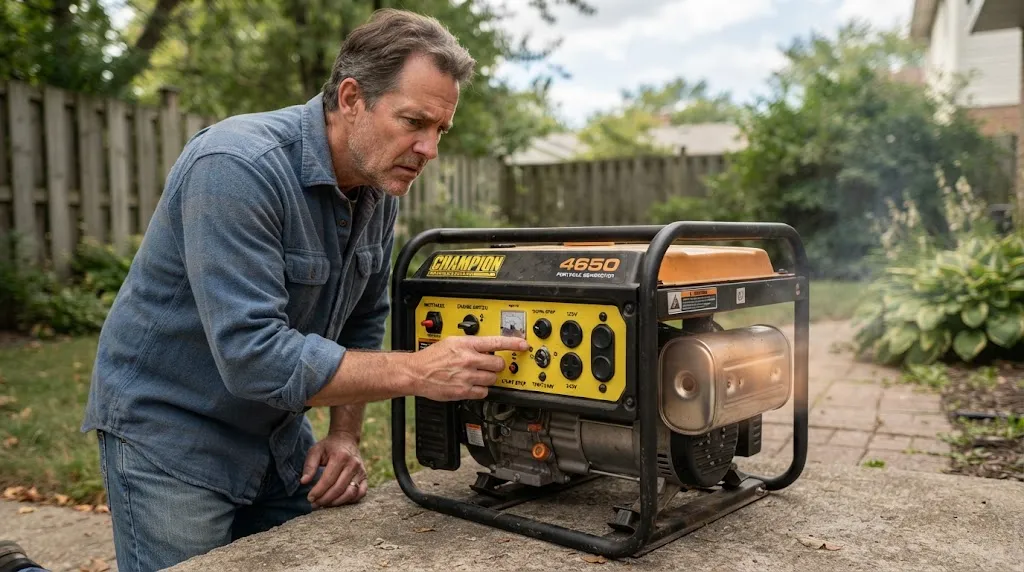
Recognizing the early warning signs of thermal stress can prevent permanent engine damage or catastrophic failure.
- Automatic Shutdown: Many modern generators feature thermal or low-oil shutdown sensors that cut power automatically when internal temperatures climb too high.
- Unusual Odors: A sharp smell of burning oil, scorched plastic, or hot metal indicates that components are exceeding their maximum rated tolerances.
- Surging or Power Loss: As engine metal expands under extreme heat, performance can fluctuate, leading to engine surging or voltage drops.
- Excessive Engine Noise: Metal-on-metal friction or pinging noises often signal that lubricating oil has broken down due to extreme heat.
Related Product
Generator Accessories and Maintenance Kits
Keep your backup power system running cool and reliable with replacement air filters, synthetic oils, and digital wattmeters to monitor electrical loads.
As an Amazon Associate, we earn from qualifying purchases.
Frequently Asked Questions
Can a generator overheat in cold weather?
Yes. While ambient air is cooler, an enclosed generator can still trap heat rapidly because the confined space prevents proper airflow. Enclosure restriction is a mechanical issue that overpowers external weather conditions.
How much clearance does a portable generator need?
Most manufacturers recommend maintaining at least 3 to 5 feet of clear space on all sides of a portable generator, with complete, unobstructed clearance above the exhaust to allow heat and gases to dissipate safely.
Does running a generator on an 80% load prevent overheating?
Keeping continuous electrical loads under 80 percent of the generator’s rated capacity prevents the alternator and engine from working at maximum strain, significantly reducing internal heat generation.
What should I do if my generator shuts down from overheating?
Immediately turn off all connected appliances, shut down the engine, and allow the unit to cool completely for at least 30 to 45 minutes. Check the oil level, clear any debris from the cooling fins, and verify that the operating location has sufficient ventilation before restarting.
Are factory-enclosed standby generators safe from overheating?
Yes, permanent home standby generators are engineered with specialized internal baffles, cooling fans, and automated thermal sensors designed specifically for their custom housing. However, they still require adequate yard clearance free of dense shrubbery or fencing.
Can low oil levels cause a generator to overheat in an enclosure?
Absolutely. Low or degraded oil loses its ability to absorb and transfer friction heat away from internal moving parts, compounding the thermal stress caused by poor enclosure ventilation.
Conclusion
Operating a generator in an enclosed space is a major risk that quickly leads to severe overheating, reduced efficiency, and permanent equipment damage. Because air-cooled and portable units depend entirely on free-flowing ambient air to dissipate thermal energy, trapping them in tight areas creates a dangerous heat trap. Always operate portable generators outdoors in well-ventilated locations with ample clearance, monitor your electrical loads carefully, and maintain proper oil levels to ensure safe, reliable backup power when you need it most.

Hi, I’m Michael Turner. I own a generator workshop in the United States and founded HomeGeneratorBlog to share practical, hands-on guidance about generator installation, maintenance, troubleshooting, safety, and backup power solutions. My goal is to help homeowners make smarter, more confident decisions through clear and reliable information