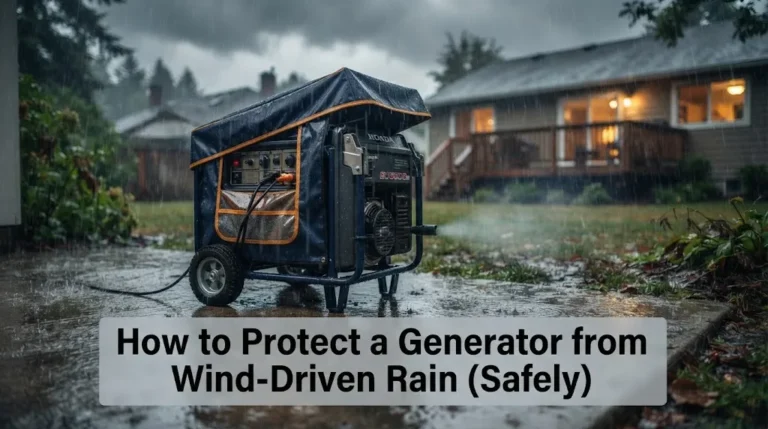
How to Prevent Generator Exhaust Buildup in Shelters (Safety Guide)
Quick Answer
To prevent exhaust buildup under a generator shelter, you must combine adequate cross-ventilation (such as high-low louvered vents), maintain strict clearance distances from all walls, and route the engine exhaust completely outside the enclosure using an approved flexible metal extension kit. Never operate a portable generator in a fully enclosed, unventilated space, as lethal carbon monoxide (CO) can accumulate within minutes.
Understanding the Risks of Generator Enclosures
Operating a portable generator during a power outage provides essential electricity, but it also introduces severe safety hazards if the unit is improperly housed. When a generator runs inside a shed, custom box, or protective shelter, the engine consumes oxygen and expels exhaust gases that include carbon monoxide, nitrogen oxides, and unburned hydrocarbons.
Because carbon monoxide is an odorless, colorless gas that causes incapacitation and death before symptoms are fully recognized, managing airflow is a critical life-safety requirement. Even a semi-open shelter can trap exhaust fumes if natural wind currents cannot flush the interior effectively. Preventing buildup requires an engineered approach to air exchange, thermal management, and physical exhaust routing rather than simply placing a roof over the equipment.
Why Exhaust Accumulates Under Shelters
Exhaust buildup typically occurs due to a combination of thermal stagnation, wind blockages, and inadequate vent sizing. When a generator runs, it generates significant heat. Hot exhaust gases rise, but if they hit a low ceiling or become trapped beneath a roof overhang, they form a stagnant thermal layer that pushes fresh air away from the engine intake.
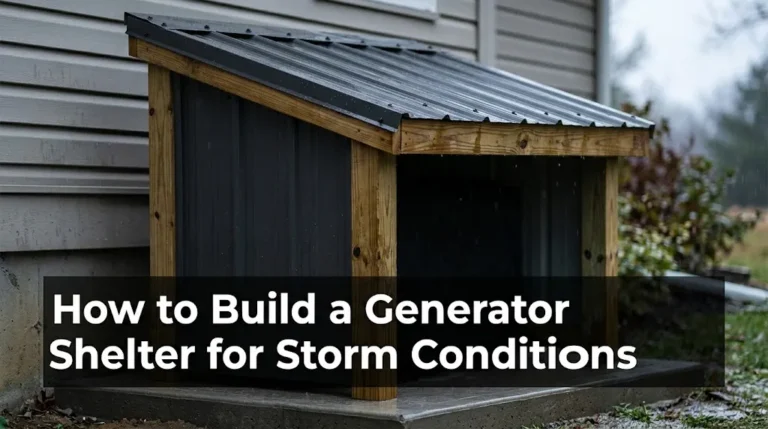
Furthermore, many DIY generator shelters are built with solid walls to protect the machine from rain and snow. While weather protection is important, solid walls block the natural crosswinds that disperse combustion gases. Without designated intake and exhaust pathways, heavy exhaust fumes settle near the floor or pool in corners, creating an invisible hazard every time the generator starts.
Designing and Retrofitting for Passive Ventilation
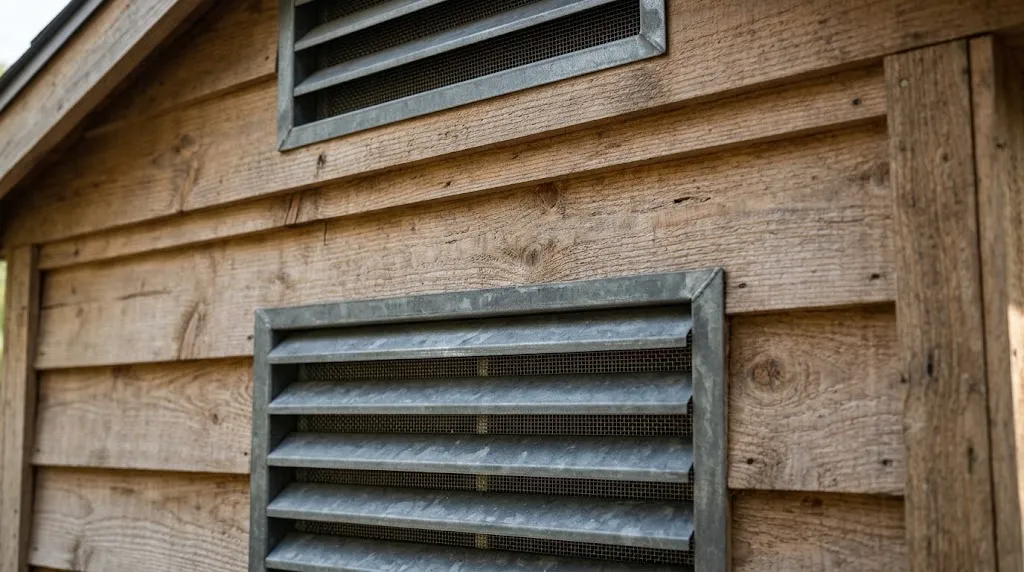
Passive ventilation relies on natural air pressure differences and thermal buoyancy to exchange indoor air without mechanical fans. For a generator shelter to remain safe, it must feature permanent, non-closable vent openings positioned strategically.
High-Low Vent Placement Strategy
Effective passive ventilation requires at least two large permanent openings:
- Low-Level Intake Vents: Positioned near the floor on the side facing prevailing winds to pull cool, oxygen-rich air into the enclosure.
- High-Level Exhaust Vents: Positioned near the roofline on the opposite wall to allow hot air and rising combustion byproducts to escape.
The total net free area of these vents must match or exceed the manufacturer’s ventilation recommendations for the specific generator wattage. As a general rule of thumb, larger generators require significantly more square inches of open vent space to prevent both exhaust stagnation and engine overheating.
Implementing Active Mechanical Ventilation
In humid climates, tight spaces, or shelters with restricted wind flow, passive vents may not provide enough air exchange. Active ventilation uses powered fans to force continuous airflow through the enclosure.
When installing active ventilation, consider the following engineering practices:
- Exhaust Fan Sizing: Install an appropriately rated, high-volume exhaust fan near the ceiling on the side where the generator muffler points.
- Intake Balance: Ensure the intake vent on the opposite side has at least twice the surface area of the exhaust fan housing to prevent negative pressure strain on the engine.
- Fail-Safe Power: Power ventilation fans using a separate circuit or battery backup rather than the generator itself. If the generator stalls or runs out of fuel, you want the ventilation system to remain operational long enough to clear residual fumes, or ensure that a power failure to the fan does not cause immediate hazardous trapping.
Warning
Never rely solely on indoor household box fans placed inside a closed shed. Standard household fans are not spark-proof and can ignite stray gasoline vapors or exhaust combustibles present in a confined generator environment.
Routing Engine Exhaust Directly Outside
The most effective way to keep a shelter free of toxic buildup is to prevent the exhaust from entering the enclosure in the first place. This is achieved using a dedicated generator exhaust extension kit.
An exhaust extension utilizes a specialized stainless steel adapter bolted to the stock muffler, connected to flexible metal tubing that routes the exhaust gases completely outside the shelter wall or roof.
Key Rules for Safe Exhaust Extension Routing
- Maintain Wall Clearance: The pass-through hole in the shelter wall must be insulated with a rated fire-stop thimble to prevent wood or plastic siding from igniting due to extreme pipe temperatures.
- Avoid Sharp Bends: Keep the pipe run as short and straight as possible. Excessive bends create backpressure that can choke the engine, reduce power output, and cause overheating.
- Check Termination Points: Ensure the outside end of the exhaust pipe terminates far away from doors, windows, fresh air intake vents, and overhangs where fumes could re-enter living spaces.
Installing Carbon Monoxide Detectors and Safety Alarms
Even with optimal passive vents, active fans, and exhaust extensions, mechanical failures can occur. Gaskets can degrade, pipes can loosen from vibration, or heavy snow can block exterior vents.
A multi-layered safety strategy always includes hardwired or battery-operated carbon monoxide detectors placed both inside the generator shelter and immediately outside the home’s primary entry points and sleeping areas.
Key Insight
Standard residential CO detectors mounted inside a damp, vibrating outdoor generator shelter may fail prematurely due to moisture and extreme temperature swings. Use ruggedized or weather-rated commercial CO alarms designed for outbuildings.
Test the alarm batteries before every major storm season or extended outage. If an alarm triggers near the shelter, shut down the generator immediately, ventilate the area fully, and inspect all exhaust connections before restarting.
Common Generator Shelter Ventilation Mistakes to Avoid

Homeowners often attempt quick fixes that compromise safety. Avoiding common design errors ensures long-term operational security.
- Using Standard Dryer Vent Hoses: Flexible aluminum dryer ducting cannot handle generator exhaust temperatures and will quickly melt or burn through, releasing lethal gas directly into the enclosure.
- Placing Vents Too Low: Placing all vents at ground level prevents the escape of hot, rising gases, trapping a layer of toxic air near the ceiling.
- Ignoring Seasonal Changes: A shelter that has adequate airflow in summer may accumulate snow drifts against intake louvers during winter storms, completely blocking vital air supply.
- Pointing Exhaust Toward Neighbors or Intakes: Always verify that the final discharge point of your exhaust system does not drift toward your own home’s HVAC intake or an adjacent property.
Related Product
Generator Exhaust Extension Kit
Safely route toxic engine fumes completely outside your enclosure using a high-temperature flexible stainless steel extension pipe.
As an Amazon Associate, we earn from qualifying purchases.
Frequently Asked Questions
Can I run a portable generator inside a standard wooden storage shed if the door is open?
Running a generator inside a standard shed with only the door open is dangerous. Wind direction can easily push exhaust back inside the structure rather than pulling it out. The shed must have permanent, dedicated high and low ventilation openings, or the generator should sit entirely outside the doorway.
How big do the ventilation openings need to be for a generator shelter?
Vent size depends directly on the generator’s running wattage and engine size. As a general guideline, consult your owner’s manual for specific BTU heat output and combustion air requirements. Most enclosures require a minimum of two 100-to-200 square inch vent openings positioned high and low.
Does a generator exhaust extension reduce engine performance?
A properly sized stainless steel extension (typically 1 inch to 1.5 inches in diameter) with minimal bends will not noticeably impact performance. However, excessively long pipe runs or tight 90-degree elbows create backpressure that can cause rough idling, power loss, and engine overheating.
What is the safest distance between a generator shelter and my home?
Safety experts and manufacturers recommend keeping portable generators at least 15 to 20 feet away from structures, with the exhaust pointing completely away from doors, windows, and air conditioning intake vents to prevent fume infiltration.
Can I use plastic louvers for generator shelter vents?
Plastic vents should be avoided near the exhaust side of the shelter because radiant heat from the muffler and engine block can melt or warp synthetic materials. Always use heavy-duty aluminum or galvanized steel louvered vent covers.
How often should I test my carbon monoxide detector in an outdoor enclosure?
Test the detector before every storm season, monthly during extended periods of continuous use, and immediately before firing up the generator after long-term storage. Replace batteries annually.
Conclusion

Hi, I’m Michael Turner. I own a generator workshop in the United States and founded HomeGeneratorBlog to share practical, hands-on guidance about generator installation, maintenance, troubleshooting, safety, and backup power solutions. My goal is to help homeowners make smarter, more confident decisions through clear and reliable information