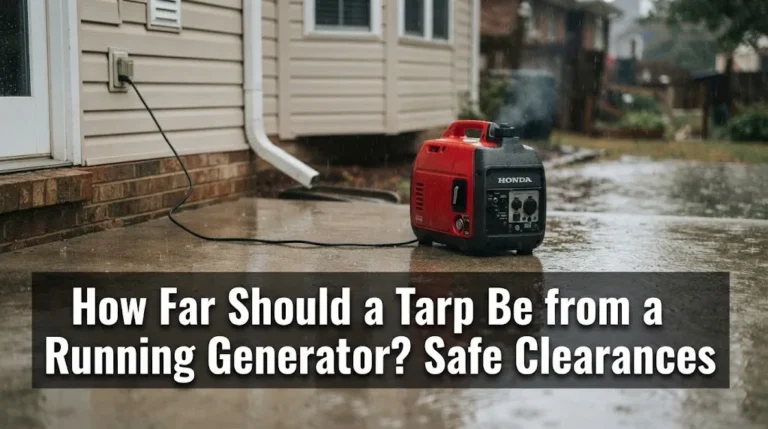
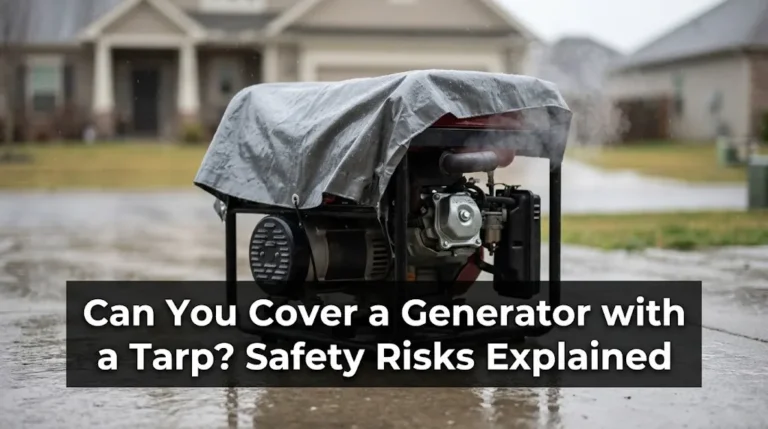
Can You Run a Generator Safely in the Rain?
Quick Answer
You should not run a portable generator while it is directly exposed to rain or standing water. If your owner’s manual permits operation in wet weather, use an appropriate, noncombustible generator shelter that protects electrical components without restricting cooling or exhaust. Otherwise, wait until the rain passes. Never move a running generator into a garage, shed, or other enclosed space to keep it dry.
Can you run a generator safely in the rain? The answer depends on the generator’s design, its manufacturer’s instructions, and whether you can protect it from moisture without creating another hazard. Ordinary portable generators are not automatically weatherproof, and rain can increase the risk of electric shock, electrocution, and equipment damage.
The challenge is that keeping a generator dry is only half the job. Its engine also produces heat and exhaust containing carbon monoxide (CO), a poisonous gas that can build up to dangerous levels in enclosed or poorly ventilated areas. A safe setup must address both electrical protection and exhaust ventilation.
Why Is Running a Generator in the Rain Dangerous?
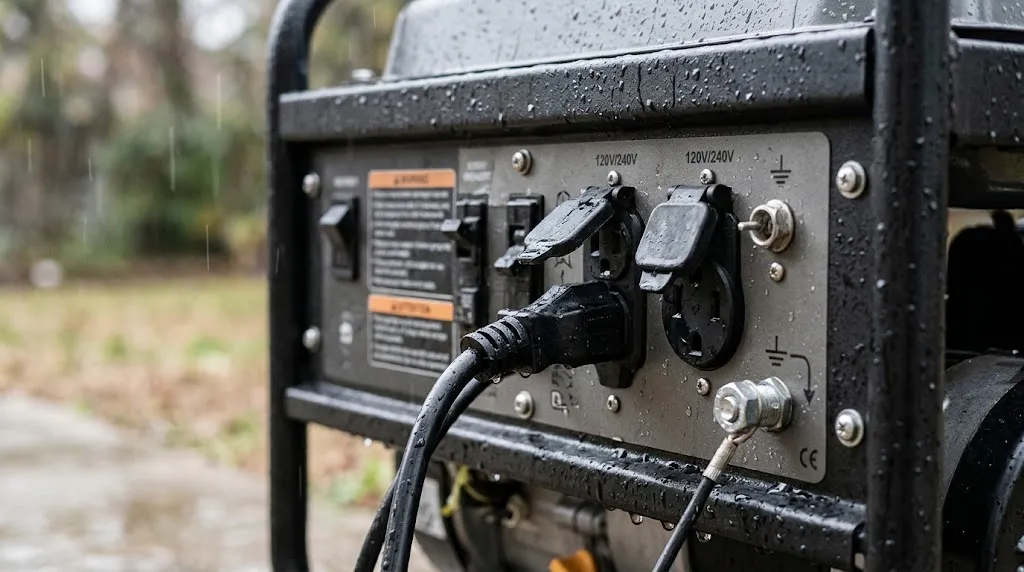
Rain creates an electrical safety problem when moisture reaches components that are not designed for wet conditions. Water can enter outlets, control panels, connections, and other electrical areas, potentially increasing the risk of shock, short circuits, or damage.
Wet ground adds another concern. If water collects beneath the generator or around electrical connections, someone standing nearby may be exposed to additional hazards. Touching equipment with wet hands can also increase the danger.
The U.S. Consumer Product Safety Commission’s portable generator safety alert advises protecting generators from moisture when wet-weather operation is necessary, while keeping them outdoors and away from openings into occupied buildings.
Rain can also create problems that are not immediately visible. A generator may continue running after moisture reaches a vulnerable area, but that does not mean it is safe to touch, connect appliances to, or continue operating.
The main hazards to understand
- Electric shock: Moisture around electrical components or damaged connections can expose people to dangerous electrical current.
- Equipment damage: Water entering sensitive areas can cause electrical faults or impair the generator’s operation.
- Fire and burns: Faulty electrical connections, fuel spills, and hot engine components can create additional hazards.
- Carbon monoxide poisoning: Moving a generator into an enclosed area to escape the rain can introduce a potentially fatal exhaust hazard.
Can You Run a Generator Under a Cover During Rain?
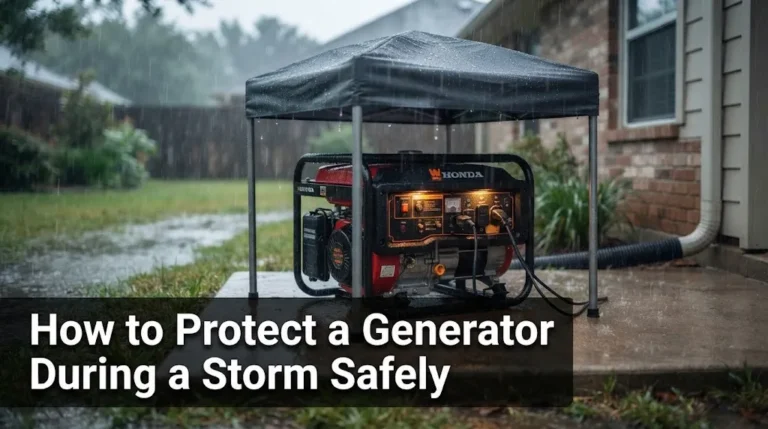
Yes, some portable generators can be operated during wet weather when the manufacturer permits it and an appropriate running shelter protects the equipment. However, a cover is not automatically safe simply because it keeps rain off the generator.
The shelter must be suitable for operation, allow sufficient airflow, preserve exhaust clearance, and avoid trapping engine heat. It must also protect vulnerable electrical areas from rain entering from the sides or being driven underneath by wind.
The CPSC’s current generator safety guidance says manufacturers may recommend an NFPA-rated noncombustible generator tent or may instruct users to wait until rain or snow passes. Follow the instructions for your specific model rather than assuming every generator can operate under a shelter.
Which types of covers are appropriate?
A purpose-built running cover: A model-specific or otherwise compatible cover designed for operation can protect exposed components while accommodating ventilation and exhaust. Verify its suitability for your generator and the conditions you expect.
An open, canopy-like shelter: A suitable open shelter may provide overhead rain protection while allowing heat and exhaust to disperse. It must be positioned and designed so rain cannot reach the generator or collect beneath it.
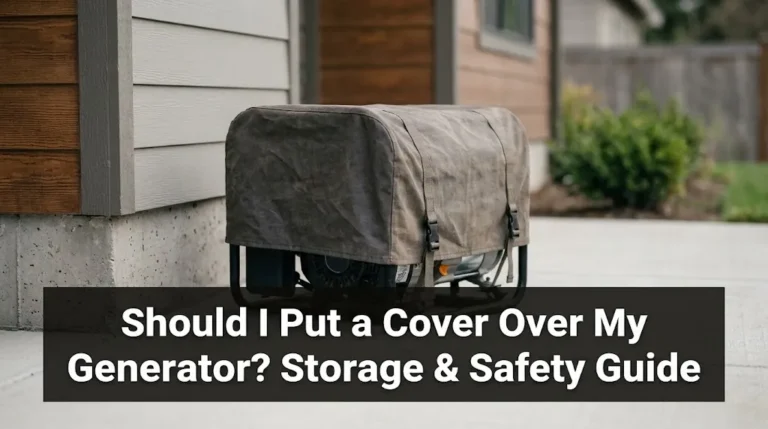
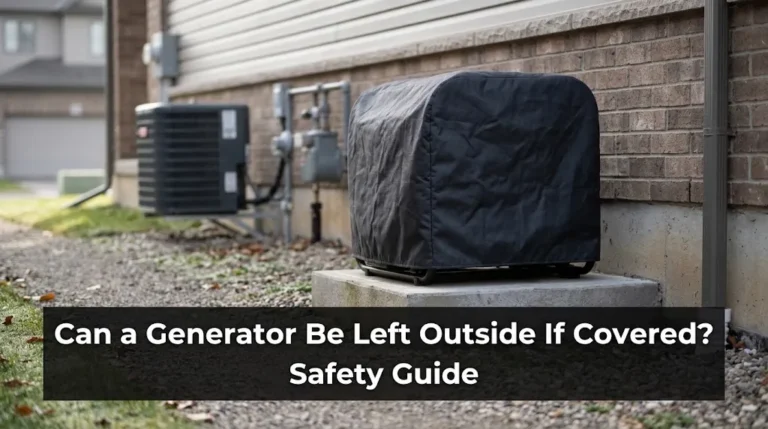
A storage cover: A cover intended only for storage should not be left on a running generator unless its manufacturer explicitly approves that use. Storage covers can restrict airflow, trap heat, or obstruct exhaust.
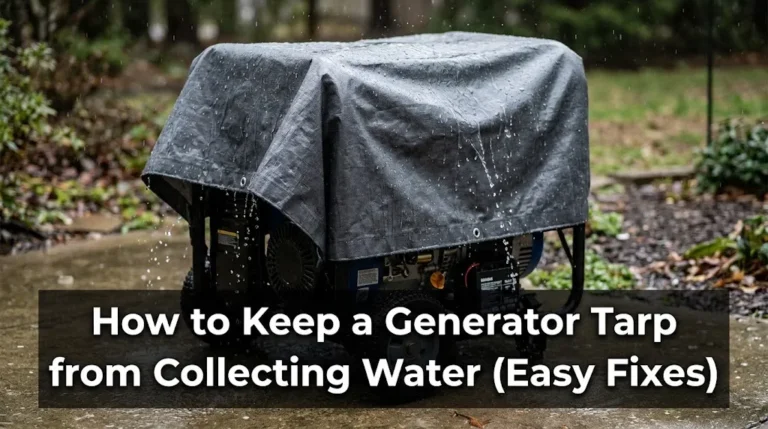
A tarp or improvised enclosure: Do not wrap the generator in a tarp or surround it with ordinary fabric, plastic, or other combustible materials. These can interfere with cooling and exhaust, and may create a fire hazard.
Warning
Never solve a rain problem by moving a running generator into a garage, basement, shed, enclosed porch, or other enclosed space. Opening a door or window does not make these locations safe. Carbon monoxide can accumulate quickly and cause death.
How to Protect a Generator When Wet Weather Is Expected
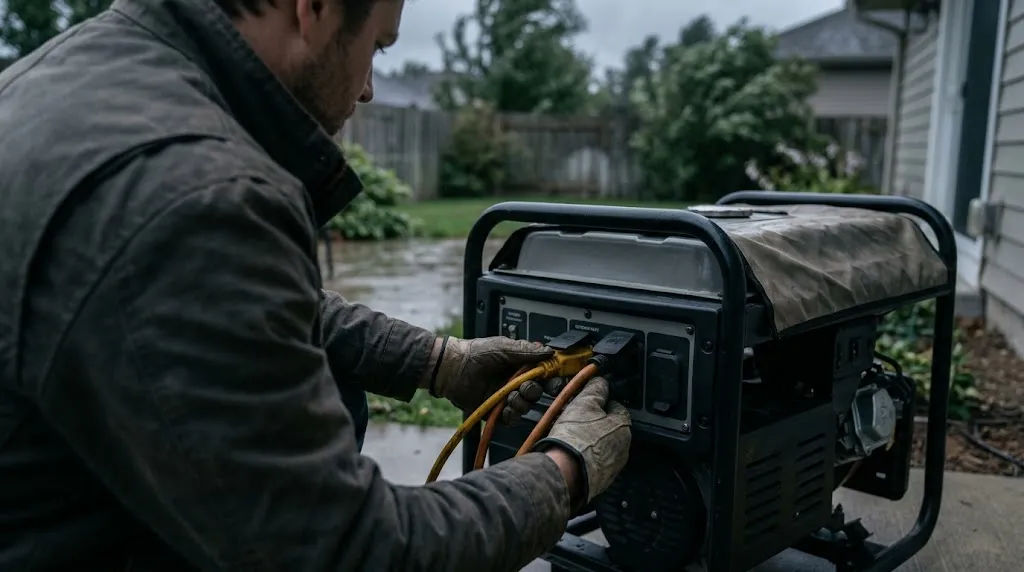
The safest approach is to prepare the operating location before the storm arrives. If rain begins unexpectedly, do not rush to handle wet electrical equipment or improvise a shelter around a running engine.
- Check the owner’s manual. Confirm whether the generator can operate in wet weather, what protection is permitted, and which clearances and grounding arrangements apply. If the manual prohibits wet-weather operation, wait until conditions are suitable.
- Choose a suitable outdoor location. Position the generator outdoors, away from standing water and places where runoff may collect. The surface should be stable and dry, and the location must meet the manufacturer’s requirements.
- Protect it with an approved shelter. Use a suitable noncombustible generator tent or compatible running cover when permitted. Do not block cooling airflow, exhaust outlets, or access to controls.
- Maintain safe distance from buildings. The CPSC advises placing portable generators at least 20 feet from the home, directing exhaust away from buildings, and keeping exhaust away from windows, doors, and vents. A rain shelter must not compromise this separation.
- Inspect electrical connections. Use heavy-duty extension cords rated for outdoor use and the connected load. Check for damaged insulation, cuts, missing grounding pins, or other defects before use.
- Keep people away from water and electrical hazards. Do not stand in puddles while handling cords or controls. Never touch the generator with wet hands, and do not connect or disconnect equipment in unsafe wet conditions.
- Check the setup during operation. Watch for shifting shelter materials, water pooling, unusual noises, smoke, or signs of electrical damage. If conditions become unsafe, stop using the generator only if you can do so without exposing yourself to electrical or other hazards.
Grounding and ground-fault circuit interrupter (GFCI) protection may also be relevant to your installation. Follow the generator manufacturer’s instructions and applicable electrical requirements; a GFCI does not make a wet, damaged, or improperly installed generator safe.
What Should You Do If Rain Starts While the Generator Is Running?
If the generator is exposed to rain and its weather protection is inadequate, do not assume it is safe to continue operating. Your next action should depend on the conditions and whether you can shut it down without touching wet or potentially energized equipment.
- If rain reaches the generator: Follow the manufacturer’s shutdown instructions if it is safe to do so. Keep clear of wet equipment and electrical connections.
- If water collects around the base: Do not walk through the water to reach the controls or attempt to move the running generator. Keep others away and wait for a safe way to isolate the hazard.
- If a cord is damaged or an outlet appears wet: Stop using the affected equipment. Do not handle the connection while wet or standing in water.
- If you notice smoke, sparks, burning smells, or unusual electrical behavior: Keep your distance. Do not touch the generator or attempt repairs while it is energized.
- If the generator becomes submerged: Do not restart it when the water recedes. It needs appropriate inspection and evaluation before being returned to service.
Once conditions are safe, follow the manufacturer’s shutdown and inspection instructions. Allow the equipment to cool before any permitted maintenance. If water may have entered electrical components, have the unit assessed by a qualified service provider before using it again.
How Far Should a Generator Be From Your House in the Rain?
Rain does not reduce the required separation between a portable generator and an occupied building. The CPSC recommends operating portable generators outdoors at least 20 feet from the house, with exhaust directed away from doors, windows, vents, and other openings.
A covered porch or carport may seem convenient because it offers protection from precipitation. However, these locations can put exhaust too close to the home, allowing carbon monoxide to enter. Do not choose a sheltered location at the expense of safe exhaust clearance.
Install working carbon monoxide alarms according to their instructions, including on each level of the home and outside separate sleeping areas. These alarms are an additional safeguard, not permission to operate a generator closer to the house or in an enclosed area.
If anyone develops dizziness, weakness, nausea, or other possible symptoms of carbon monoxide exposure, get everyone into fresh air immediately and contact emergency services. Do not re-enter a potentially contaminated building until authorities say it is safe.
Common Mistakes to Avoid When Using a Generator in Wet Weather
- Using a storage cover while the engine runs: It may block cooling airflow or trap heat.
- Assuming a running cover makes every generator weatherproof: Compatibility and the manufacturer’s instructions still matter.
- Placing the generator in a garage to keep it dry: This creates a potentially fatal carbon monoxide hazard.
- Ignoring puddles and runoff: Water can create dangerous conditions around electrical connections and the operating surface.
- Handling wet cords or controls: Wet hands and wet surroundings increase the risk of electrical injury.
- Refueling while the engine is hot or running: Shut down the generator and allow it to cool before refueling, following the manual’s instructions.
- Restarting a water-damaged generator without inspection: Drying the exterior does not establish that internal electrical components are safe.
A safer plan is to arrange the generator’s location, approved weather protection, fuel storage, and cord routing before severe weather begins. If you cannot maintain a dry operating setup while meeting the manufacturer’s requirements, waiting until the rain passes is the safer decision.
Practical Tip
Prepare a weather plan before an outage: identify an outdoor operating location, verify an approved running shelter, inspect extension cords, and keep the generator’s manual available. Never improvise a cover after rain has already made the equipment or surrounding ground wet.
Related Equipment: Generator Running Tent
If your generator’s manual permits protected operation in wet weather, look for a purpose-built generator tent or running cover designed for your specific model. Confirm its material, compatibility, ventilation, and clearance requirements before purchasing.
Frequently Asked Questions
1. Can a portable generator get wet?
Portable generators should be protected from rain and standing water unless the specific equipment is designed and approved for those conditions. If water reaches electrical components, stop using the equipment until it can be assessed safely.
2. Can I run a generator in light rain?
Light rain is still moisture exposure. Follow the owner’s manual and use only approved weather protection if operation is permitted. If you cannot protect the equipment adequately, wait for the rain to pass.
3. Is a tarp enough to protect a generator from rain?
A loose tarp is not a reliable substitute for an approved running shelter. It can shift in the wind, obstruct cooling airflow, trap heat, or interfere with exhaust. Use protection specifically suitable for operating a generator.
4. Can I run a generator under a carport during a storm?
Do not assume a carport is safe simply because it is open on some sides. The generator must meet the manufacturer’s requirements and remain far enough from occupied buildings to prevent exhaust from entering. The CPSC advises against operating portable generators in carports because they can be too close to the home.
5. What should I do if my generator gets soaked?
Keep away from potentially energized equipment, and do not restart it or touch wet electrical connections. Once the situation is safe, arrange an appropriate inspection and evaluation before returning the generator to service.
6. Can I cover a running generator with its original storage cover?
Only if the manufacturer explicitly approves that cover for operation. Many storage covers are not designed to accommodate engine heat, cooling airflow, or exhaust while the generator is running.
Conclusion
Running a portable generator safely in the rain requires more than putting a cover over the engine. The generator must be suitable for the conditions, protected by an approved shelter when permitted, placed on a stable and dry surface, and operated with adequate cooling and exhaust clearance.
Always follow the manufacturer’s instructions, keep the generator outdoors at least 20 feet from the home as advised by the CPSC, and never operate it in a garage or other enclosed space. If safe weather protection is unavailable, wait until the rain passes. When electrical components may have been exposed to water, have the generator evaluated before using it again.

Hi, I’m Michael Turner. I own a generator workshop in the United States and founded HomeGeneratorBlog to share practical, hands-on guidance about generator installation, maintenance, troubleshooting, safety, and backup power solutions. My goal is to help homeowners make smarter, more confident decisions through clear and reliable information