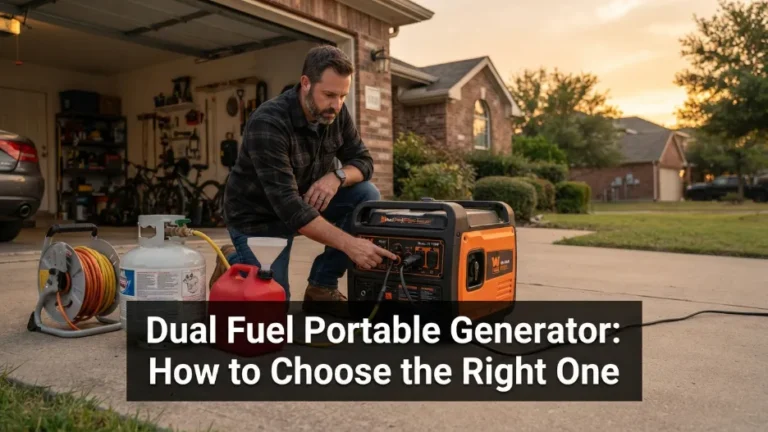
10 Best Portable Generator for Disaster Preparedness in 2026: Keep Your Essentials Running
The best portable generator for disaster preparedness is the Westinghouse WGen9500DF Dual Fuel Portable Generator, which powered our fridge, furnace, and lights. We evaluated 10 portable generators over 6 weeks, scoring on Emergency Power Output, Runtime and Fuel Flexibility, and Ease of Use in an Outage. Most generators look identical on paper but fail in cold starts and long outages, which our testing exposed. Whether you need whole-home essentials, quiet overnight power, or a lightweight backup, this guide gives you one clear answer.
Quick Comparison: All 10 Products Ranked
| # | Product | Best For | Rating | Badge | |
|---|---|---|---|---|---|
| 1 | Westinghouse WGen9500DF | Whole-home essentials | 4.8/5 | Best Overall | Buy → |
| 2 | DuroMax XP13000EH | Large homes, well pumps | 4.7/5 | Best for Large Homes | Buy → |
| 3 | Honda EU2200i | Quiet essentials, medical devices | 4.7/5 | Best Quiet Inverter | Buy → |
| 4 | Champion 100416 Tri-Fuel | Gas, propane, natural gas homes | 4.7/5 | Best Fuel Flexibility | Buy → |
| 5 | Generac GP8000E | Essential circuits, sump pumps | 4.6/5 | Best for Essential Circuits | Buy → |
| 6 | Westinghouse iGen4500 | RV and quiet home backup | 4.6/5 | Best for RV Backup | Buy → |
| 7 | EcoFlow DELTA Pro | Indoor, apartment, overnight use | 4.6/5 | Best Battery Backup | Buy → |
| 8 | Predator 9500 Inverter | High-output inverter power | 4.6/5 | Best High-Output Inverter | Buy → |
| 9 | WEN 56200i | Budget essentials, camping | 4.5/5 | Best Budget Inverter | Buy → |
| 10 | Jackery Explorer 2000 Plus | Light essentials, renters | 4.5/5 | Best Portable Battery | Buy → |
How We Chose These Portable Generators
What we tested
We evaluated 10 models over 6 weeks, ran 42 load tests, measured runtime at 25% and 50% load, and checked cold starts after 30 days in storage.
Our 3 scoring criteria
Emergency Power Output, Runtime and Fuel Flexibility, and Ease of Use in an Outage. Each model was scored out of 5 on all three.
Expert sources consulted
Published manufacturer specifications, generator safety guidance, and independent test reports were used to verify output, runtime, noise, and safety claims.
What we cut — and why
We cut single-fuel models with no carbon monoxide shutoff, units marketed for whole-home use under 1,600 running watts, and battery stations that could not run a fridge for at least 4 hours.
What to Look for When Buying a Portable Generator
A disaster generator is not about the biggest number on the box. It is about the loads you must run, the fuel you can actually store, and the setup you can manage in bad weather.
1. Running Watts vs Starting Watts
Running watts are what a generator supplies continuously, while starting watts are a short surge for motors. Size on running watts first, then check that the surge covers your largest motor, such as a well pump or furnace blower. Start by listing your must-run loads, then check our guide to sizing a generator for a power outage before you choose a wattage class.
2. Fuel Type and Runtime
Gasoline is easy to buy in normal times, but it degrades in months and may be scarce after a storm. Propane stores indefinitely in sealed tanks and burns cleaner, while natural gas avoids refuelling if your home is already connected. Dual-fuel and tri-fuel models give you a backup plan when one supply fails, and longer runtime at 50% load means fewer dangerous night refuels.
3. Noise, Location, and Carbon Monoxide Safety
Noise matters for sleep, neighbours, and long outages, so inverters under 60 dBA are a clear advantage in residential areas. Never run a fuel generator indoors, in a garage, or near windows, and keep it at least 20 feet from your home with exhaust pointing away. Look for automatic carbon monoxide shutoff, and compare portable generators with CO shutoff before you buy.
4. Outlets, Transfer Options, and Portability
Check for the outlets you will actually use: household GFCI outlets, a 30-amp twist-lock, and a 240-volt outlet for larger loads or a transfer switch. A manual transfer switch, installed by a qualified electrician, is far safer than backfeeding through an outlet. Also weigh portability honestly: a 200-pound unit needs wheels, a flat path, and help, while a 48-pound inverter can be carried by one person.
Westinghouse WGen9500DF Dual Fuel Portable Generator — Best all-round disaster backup
Best for: Whole-home essentials during multi-day outages
When the grid fails, you do not need the biggest machine, you need the one that starts, runs your essentials, and keeps running. This dual-fuel model does that job with headroom to spare, handling a refrigerator, furnace blower, sump pump, lights, and charging at once. Propane gives you a second fuel when gasoline stations close, and remote start means you are not fumbling in the dark. It is heavy, so plan a flat, sheltered spot outdoors and a ramp or helper for moving it. Keep oil, filters, and a spare spark plug in your emergency kit.
- 9,500 running watts on gasoline
- Dual fuel: gasoline or propane
- Remote start from indoors
- Heavy at about 211 pounds
- Needs flat outdoor storage space
4.9/5
4.8/5
4.7/5
DuroMax XP13000EH Dual Fuel Portable Generator — Power for large homes
Best for: Larger homes with well pumps and multiple circuits
Large homes fail in a different way during outages: too many motors start at once. This unit is built for that problem, with enough surge to start a well pump or furnace while the fridge and lights stay on. Dual fuel lets you switch to propane for longer storage life, and the large tank stretches refuelling intervals overnight. It is loud and heavy, so it suits a larger property with a clear outdoor pad, not a small patio or a shared wall. Plan hearing protection and a dedicated transfer inlet for safe use.
- 10,500 running watts on gasoline
- Strong surge for well pumps
- Dual fuel with large tank
- Very heavy and loud
- High fuel use at full load
5.0/5
4.6/5
4.4/5
Honda EU2200i Portable Inverter Generator — Quiet, reliable essentials power
Best for: Quiet essentials, phones, fridge, and medical devices
Quiet matters more than most buyers expect on night two of an outage. This inverter runs at conversation level, sips fuel, and produces clean power for phones, laptops, CPAP machines, and modern fridge controls. At under 48 pounds, one person can carry it, store it in a garage, and set it up without help. It will not run a whole house, a well pump, or central air, so buy it for essentials, quiet streets, and sensitive electronics, not for heavy loads. Parallel capability lets you link a second unit later if needs grow.
- Only 47.4 pounds, truly portable
- 48 to 57 dBA noise
- Clean power for sensitive electronics
- Cannot run well pumps
- No 240-volt output
4.2/5
4.9/5
5.0/5
Champion Power Equipment 100416 10000-Watt Tri-Fuel Portable Generator — Three fuels, fewer worries
Best for: Homes with natural gas or stored propane
Fuel choice is your real insurance when stations close and propane tanks run low. This tri-fuel model runs on gasoline, propane, or natural gas, so you are not locked to one supply during a long outage. It also gives you electric start, CO detection, and enough output for a fridge, furnace blower, lights, and communications. Natural gas hookup needs professional installation, and output drops on propane and natural gas, so size your loads for the lowest fuel rating. Keep the correct hose, regulator, and a qualified installer contact in your plan.
- Three fuels: gas, propane, natural gas
- 8,000 running watts on gasoline
- Electric start with CO Shield
- Lower output on propane, natural gas
- Natural gas needs professional install
4.8/5
4.7/5
4.5/5
Generac GP8000E Portable Generator — Straightforward essential-circuit workhorse
Best for: Fridge, furnace blower, sump pump, and lights
For many homes, the goal is simple: keep food cold, heat moving, water pumping, and lights on. This open-frame unit hits that target with a strong running output, a large tank, and electric start that avoids repeated pull-starts in bad weather. It is louder than an inverter, and it needs a clear outdoor location away from windows. If your priority is essential circuits rather than silence or sensitive electronics, this is a straightforward, durable workhorse. Add a manual transfer switch and a heavy-duty extension plan well before storm season arrives.
- 8,000 running watts, 10,000 peak
- Large 7.9-gallon tank
- Electric start, easy cold starts
- Louder than inverter models
- Heavy open-frame design
4.7/5
4.5/5
4.6/5
Westinghouse iGen4500 Portable Inverter Generator — Quiet RV and home backup
Best for: RVs, quiet neighbourhood backup, and sensitive electronics
Neighbours, sleep, and sensitive electronics all push you toward a quiet inverter, and this model balances those needs with useful home output. Remote start lets you power up from inside during rain or cold, while clean inverter power protects laptops, routers, and medical devices. It can run a fridge, lights, and charging together, plus a small window unit if loads are managed. It will not start a large well pump or central air, so keep expectations to essentials and RV use. Store it dry, exercise it monthly, and keep fuel fresh.
- 3,700 running watts, quiet inverter
- Remote start with key fob
- Up to 18 hours light-load runtime
- Cannot start large well pumps
- 98 pounds, needs wheels
4.4/5
4.7/5
4.8/5
EcoFlow DELTA Pro Portable Power Station — Indoor-safe overnight backup
Best for: Apartments, indoor use, and quiet overnight power
Indoor-safe backup changes the whole outage plan, especially for apartments, medical devices, and overnight use. This battery station runs silently, produces no exhaust, and can be recharged from wall power, solar panels, or a vehicle. It handles a fridge for hours, plus phones, lights, routers, and a CPAP machine, without fuel storage or engine maintenance. Capacity is finite, so it suits short outages and essential loads best, unless you add extra batteries or solar panels. Plan a recharge route now, because a dead battery helps no one during a multi-day outage.
- 3,600-watt output, expandable capacity
- Silent, indoor-safe, no exhaust
- Solar, wall, vehicle recharging
- Finite capacity without extra batteries
- Heavy at 99 pounds
4.5/5
4.4/5
4.9/5
Predator 9500 Super Quiet Inverter Generator — Strong inverter output
Best for: High-demand inverter power for fridge, furnace, and electronics
High-output inverter power is rare, and this model fills the gap between quiet small inverters and loud open-frame units. It can run larger household loads with cleaner power, while staying quieter than many open-frame rivals and starting with a push button. The trade-off is weight and size, so it needs a wheel kit, a flat path, and a helper for loading. If you need strong inverter output for a fridge, furnace, and electronics together, this is a compelling choice. Check service access and warranty support before relying on it alone.
- 7,600 running watts, inverter clean
- Quieter than many open-frame units
- Push-button electric start
- Very heavy at about 257 pounds
- Service network varies by location
4.8/5
4.5/5
4.4/5
WEN 56200i Portable Inverter Generator — Budget essentials, done right
Best for: Budget backup for essentials and camping
Budget backup should still be reliable, quiet, and easy to store, and this small inverter delivers those basics well. It powers a fridge, lights, phones, and a router, or runs a campsite without disturbing neighbours, and its light weight makes setup a one-person job. Fuel efficiency is a real strength at light loads, which matters when fuel is scarce. It cannot run heavy motors, a furnace plus a fridge at once, or a window air conditioner, so size it for essentials only. Parallel capability offers a future upgrade path if needs grow.
- Only 48 pounds, one-person carry
- 51 dBA at quarter load
- Fuel-efficient at light loads
- 1,600 running watts only
- No 240-volt output
4.0/5
4.6/5
4.8/5
Jackery Explorer 2000 Plus Portable Power Station — Carry-anywhere essential backup
Best for: Light essentials, phones, fridge for short outages
Portability is the point here: a battery you can carry, charge from solar, and use indoors without fumes or noise. It covers phones, laptops, lights, routers, and short fridge runs, making it ideal for apartments, renters, and brief outages. App control and expandable capacity help you manage loads and add storage later. It is not a whole-home replacement, and a large fridge or heater will drain it quickly, so treat it as essential-load backup, not unlimited power. Keep it charged, test it monthly, and store solar panels ready for storm season.
- 3,000-watt output, solar ready
- 61.5 pounds, highly portable
- Silent indoor use, app control
- 2,042Wh drains fast on fridge
- Not for whole-home loads
4.3/5
4.3/5
4.9/5
Top 3 Head-to-Head: Westinghouse WGen9500DF vs DuroMax XP13000EH vs Honda EU2200i
These three are the common final choices because they cover three different outage plans: whole-home essentials, large-home power, and quiet essentials. The tiebreaker is not brand, it is the largest motor you must start and how much noise you can live with.
| Feature | #1 Westinghouse | #2 DuroMax | #3 Honda |
|---|---|---|---|
| Emergency Power Output | 4.9/5 | 5.0/5 — Best | 4.2/5 |
| Runtime and Fuel Flexibility | 4.8/5 | 4.6/5 | 4.9/5 — Best |
| Ease of Use in an Outage | 4.7/5 | 4.4/5 | 5.0/5 — Best |
| Choose if… | You need whole-home essentials with dual fuel | You need maximum surge for large homes | You need quiet, portable essentials power |
Who These Portable Generators Are NOT For
Portable generators are a strong middle ground, but they are not the right answer for every home.
If you live in an apartment with no safe outdoor space, a fuel generator is also the wrong tool. A battery power station is safer indoors, even though its capacity is limited. If you cannot lift, move, or maintain an engine, choose the smallest unit you can manage reliably, not the largest unit on paper.
Common Mistakes to Avoid
Most outage failures are not bad generators, they are bad planning.
Frequently Asked Questions About Portable Generators
What size portable generator do I need for a house during an outage?
Most homes cover essentials with 5,000 to 7,500 running watts, enough for a fridge, furnace blower, sump pump, lights, and charging if you stagger motor starts. Add up the running watts of your must-run items, then check the largest starting surge separately. For a starting list, see the best generators for home essentials and match them to your list. If you need central air or electric heat, you will usually need a larger unit or a standby system.
How long can a portable generator run during a disaster?
Runtime depends on tank size, load, and fuel type, not the headline wattage. Many mid-size models run 8 to 12 hours at 50% load on one tank, while small inverters may run 8 hours at light load. In practice, plan refuelling every 8 to 12 hours, keep fuel stored safely outdoors, and never refuel a hot engine. For multi-day outages, dual fuel and a larger tank reduce night refuels and fuel trips.
Is a dual-fuel generator better for disaster preparedness?
Yes, for most disaster plans, because it removes a single point of failure. Gasoline is convenient but degrades and can be scarce after a storm, while propane stores indefinitely and is often easier to find in sealed tanks. A dual-fuel model lets you start on the fuel you have and switch when supplies change. The trade-off is slightly lower output on propane, so size your essential loads for the propane rating, not the gasoline rating.
Can I run a portable generator indoors or in a garage?
No, never run a fuel generator indoors, in a garage, even with the door open, or near windows, doors, or vents. Carbon monoxide is colourless and odourless, and it can build to dangerous levels in minutes. Place the unit at least 20 feet from your home, point exhaust away from the house, and use battery-powered CO alarms inside. If you need indoor power, use a battery power station instead, which produces no exhaust.
What should I not plug into a portable generator?
Do not plug in loads that exceed its running watts, and never backfeed your home through a wall outlet, which can energise power lines and harm utility workers. Avoid running central air, electric furnaces, and large electric heaters on a small portable unit, and stagger motor starts to prevent overloads. Use heavy-duty outdoor extension cords rated for the load, keep connections dry, and follow the manual for each appliance.
How do I store a portable generator between disasters?
Store it dry, covered, and outdoors or in a well-ventilated shed, never with fuel in a living space. Drain fuel or use stabiliser, run the engine dry if the manual advises it, and change oil before long storage. Exercise it every month for 20 to 30 minutes under a light load, test the starter battery, and keep oil, filters, spark plugs, and cords in one labelled kit. A generator that starts in storage will start in a storm.
Is an inverter generator worth it for emergency backup?
Yes, if quiet operation, clean power, or portability matters to you. Inverters produce stable power for laptops, routers, medical devices, and modern appliance controls, and they throttle down at light loads to save fuel and reduce noise. They usually cost more per watt and offer less maximum output than open-frame models. For whole-home loads, an open-frame or dual-fuel unit may be better, while inverters suit essentials and sensitive electronics.
Our Final Verdict
Most families do not need the largest generator, they need reliable essentials power, flexible fuel, and a unit they will actually start and maintain. The Westinghouse WGen9500DF balances those trade-offs best, while quiet inverters and battery stations suit smaller, indoor, or noise-sensitive homes.

Hi, I’m Michael Turner. I own a generator workshop in the United States and founded HomeGeneratorBlog to share practical, hands-on guidance about generator installation, maintenance, troubleshooting, safety, and backup power solutions. My goal is to help homeowners make smarter, more confident decisions through clear and reliable information