Generator for Air Conditioner: What Size Do You Actually Need?
Quick Answer Most window and portable AC units need a 2,000–3,500 watt generator, while a 3-ton central air conditioner can…

Welcome to the Generators hub at HomeGeneratorBlog. Explore expert guides on portable, standby, inverter, whole-house, solar, dual-fuel, and commercial generators. Learn how generators work, compare different types, understand key features, and discover practical advice to help you choose the right backup power solution for your home, business, RV, or outdoor adventures.
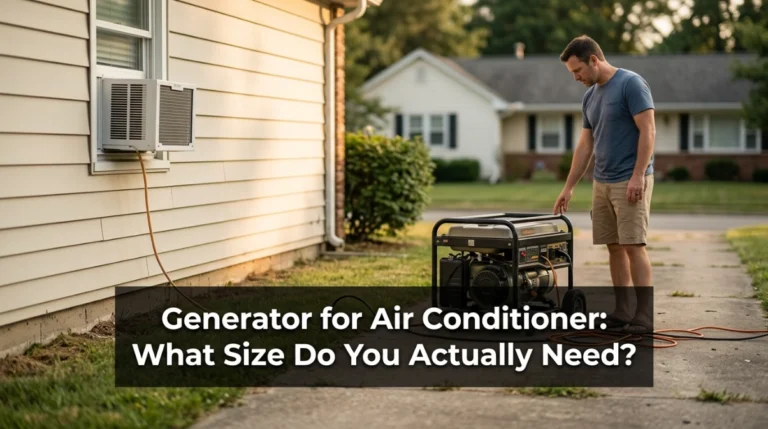
Quick Answer Most window and portable AC units need a 2,000–3,500 watt generator, while a 3-ton central air conditioner can…
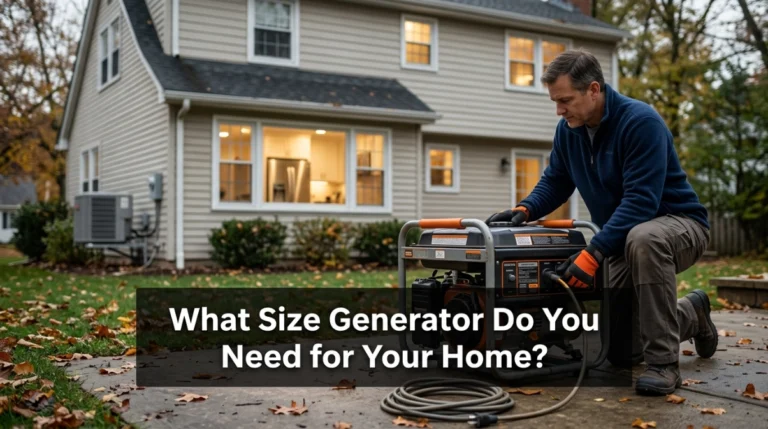
Quick Answer Most homes need somewhere between 5,000 and 8,500 running watts to cover the essentials (fridge, well pump, furnace…
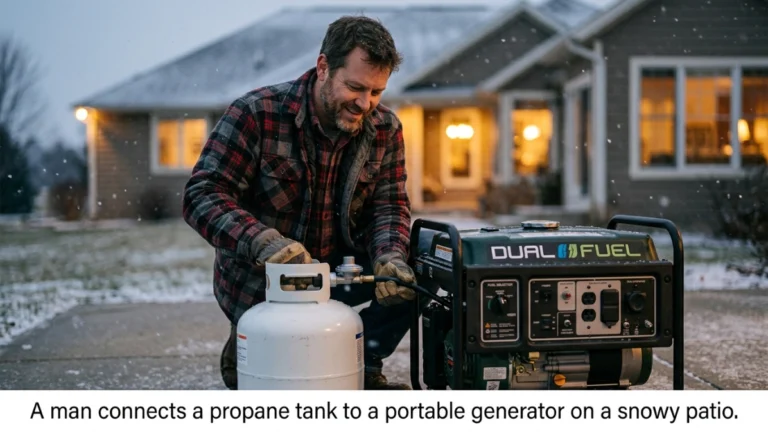
Quick Answer A propane portable generator runs on liquid propane instead of gasoline, which means it starts easier in cold…
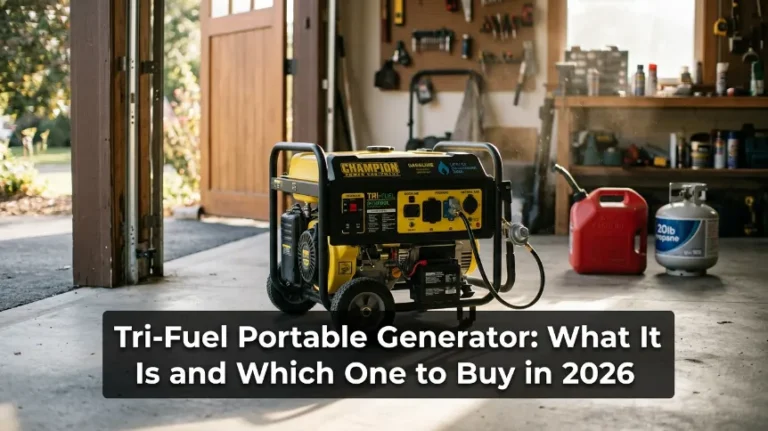
Quick Answer A tri-fuel portable generator runs on gasoline, propane, or natural gas, so you’re never stuck if one fuel…
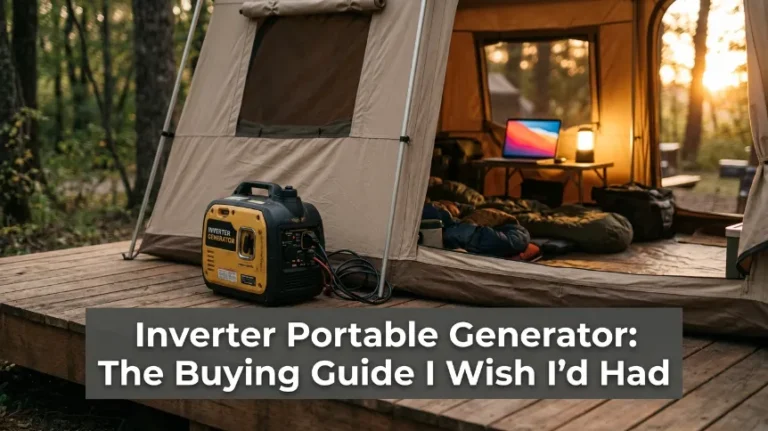
Quick Answer For most people, the right-sized inverter generator in the 2,000 to 2,200-watt range covers phones, laptops, a fridge,…
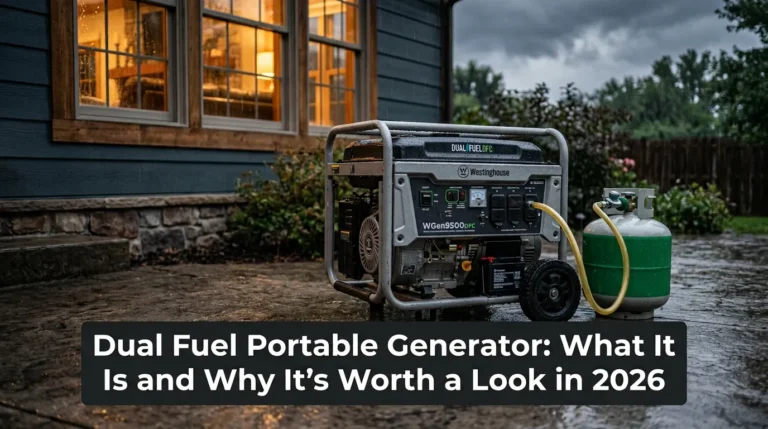
Quick Answer A dual fuel portable generator runs on either gasoline or propane, giving you a backup if one fuel…
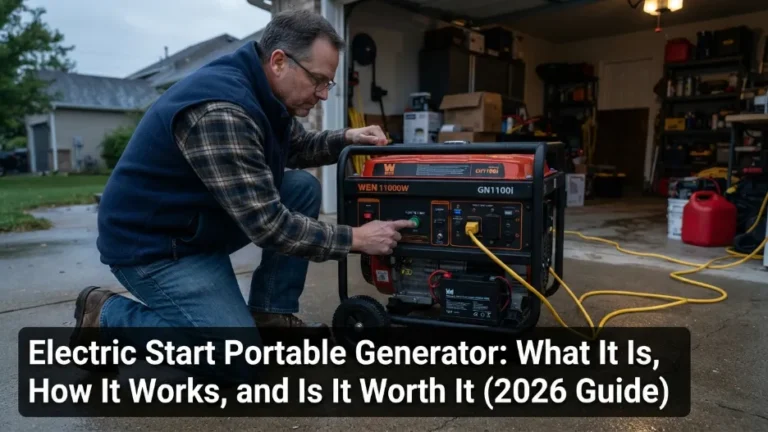
I’ve owned three generators over the past decade, and the jump from a pull-start 2,000-watt unit to an electric start…
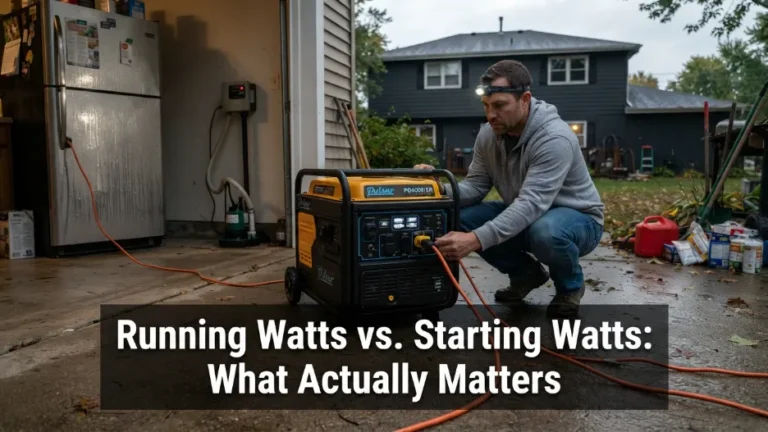
Quick answer: Running watts are the steady power a device needs once it’s already on. Starting watts (also called surge…
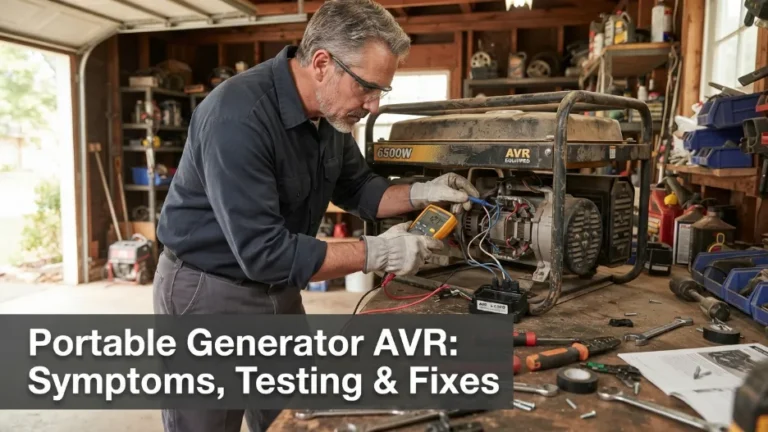
Quick answer: The AVR (automatic voltage regulator) keeps your generator’s output steady by adjusting the excitation current to the rotor….
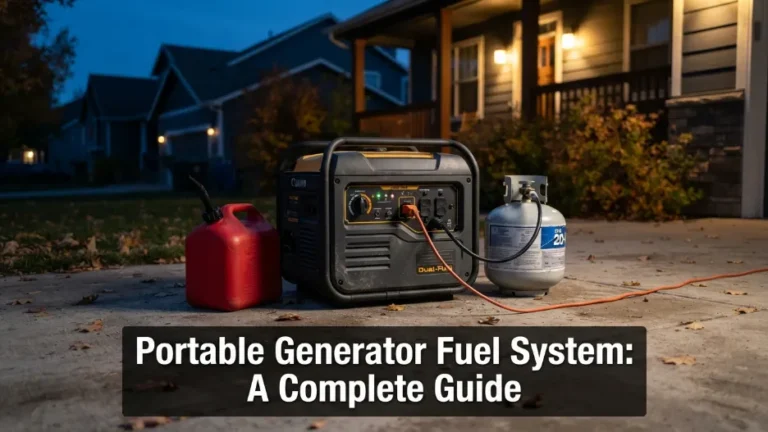
Quick answer: Most portable generators run on gasoline, but dual-fuel and tri-fuel models let you switch to propane or natural…