Can You Hook Up a Generator to Your House Without a Transfer Switch?
Quick Answer Yes, you can use a generator without a transfer switch by plugging individual appliances directly into it with…

Welcome to the Generators hub at HomeGeneratorBlog. Explore expert guides on portable, standby, inverter, whole-house, solar, dual-fuel, and commercial generators. Learn how generators work, compare different types, understand key features, and discover practical advice to help you choose the right backup power solution for your home, business, RV, or outdoor adventures.
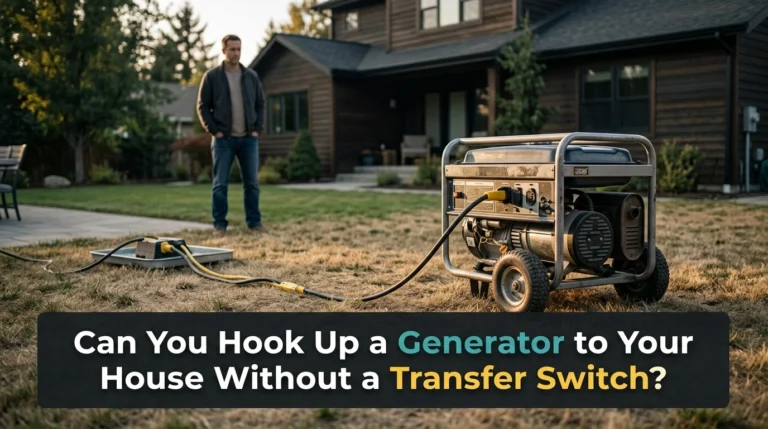
Quick Answer Yes, you can use a generator without a transfer switch by plugging individual appliances directly into it with…
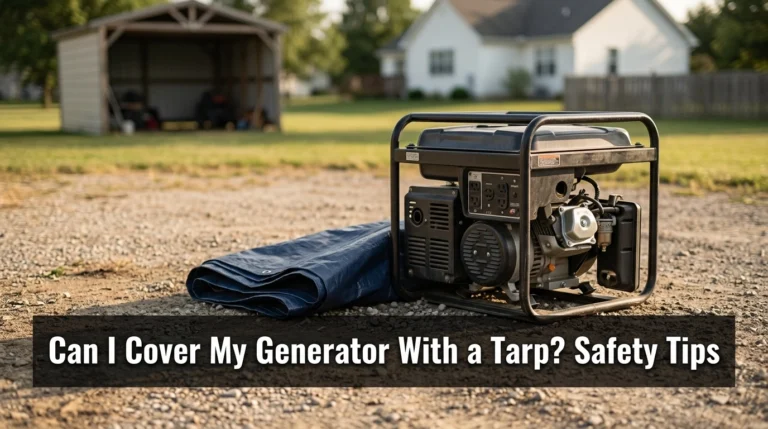
Quick Answer Yes, you can use a tarp to protect a portable generator after it is switched off and completely…
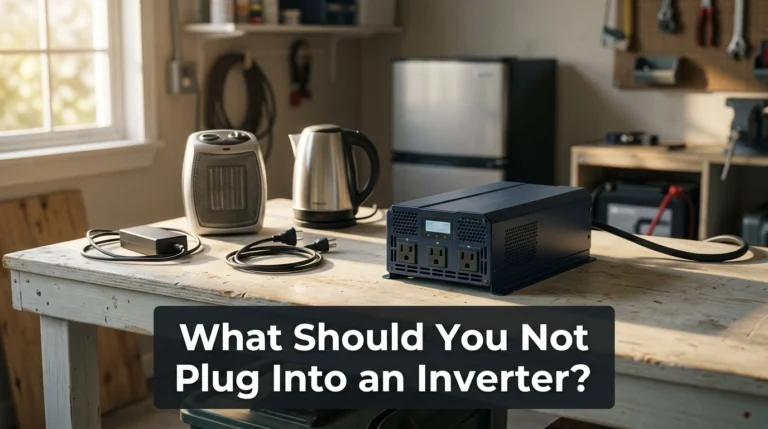
Quick Answer You should not plug oversized appliances, incompatible medical equipment, or devices requiring pure sine wave power into an…
Quick Answer If utility power comes back while your generator is running, what happens depends on how it’s connected. A…
Quick Answer Costco sells Honeywell-branded standby generators built by Generac, and as of 2026 the most common whole-home model is…
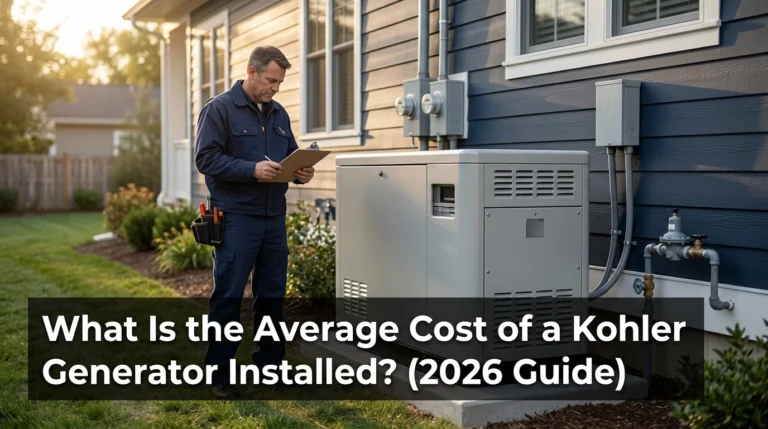
Quick Answer The average cost of a Kohler generator installed is best budgeted at $10,000 to $20,000 for a typical…
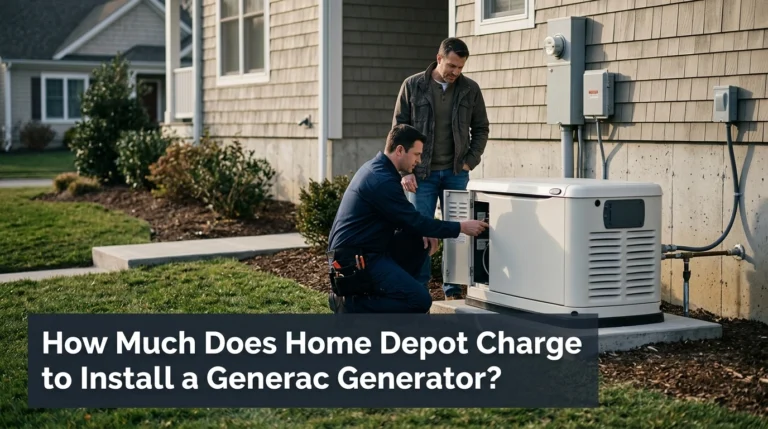
Quick Answer Home Depot lists an average of $6,897 for air-cooled generator installation and materials. The generator itself costs extra,…
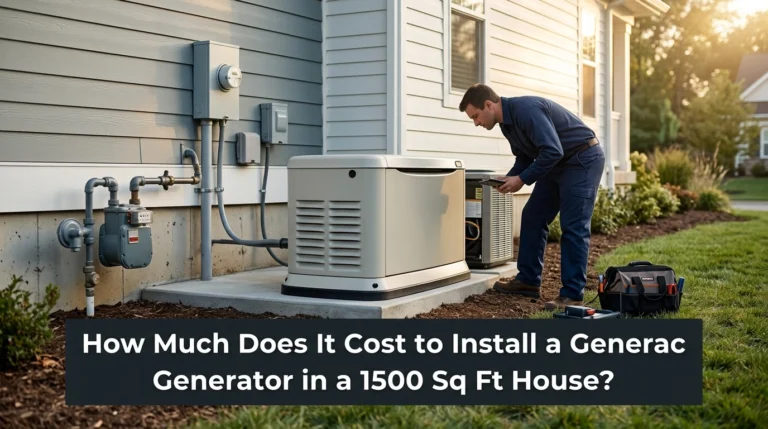
Quick Answer A Generac standby generator installation for a 1,500 sq ft house typically costs $7,000 to $11,500 fully installed…
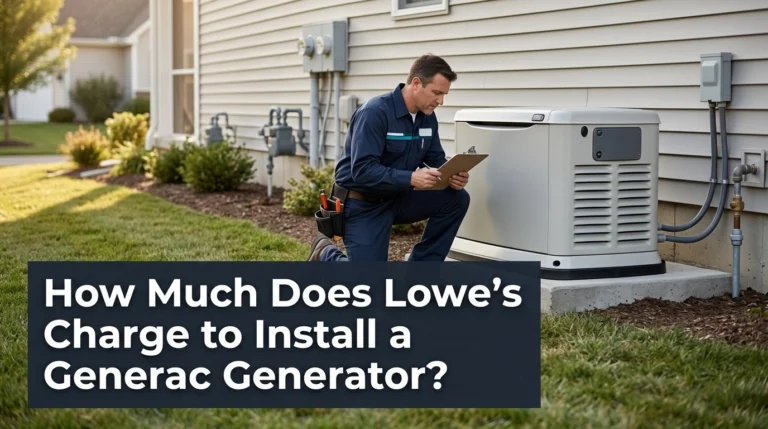
Quick Answer Lowe’s doesn’t charge a flat installation fee. Instead, you pay a bundled price that includes the Generac unit,…
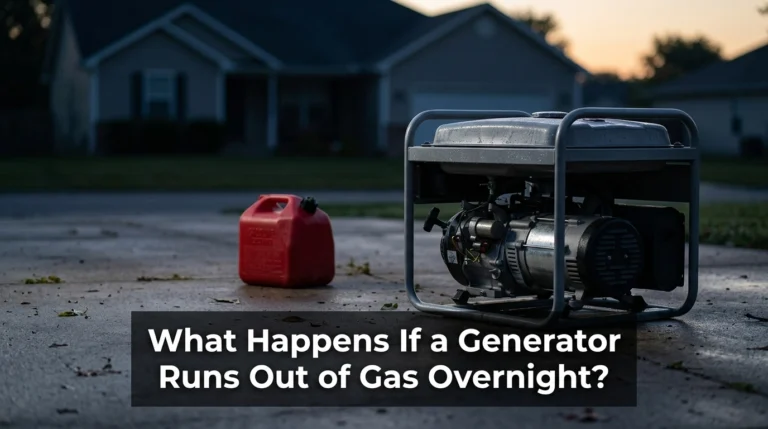
Quick Answer If a gasoline generator runs out of gas overnight, the engine usually sputters, loses power, and shuts off….