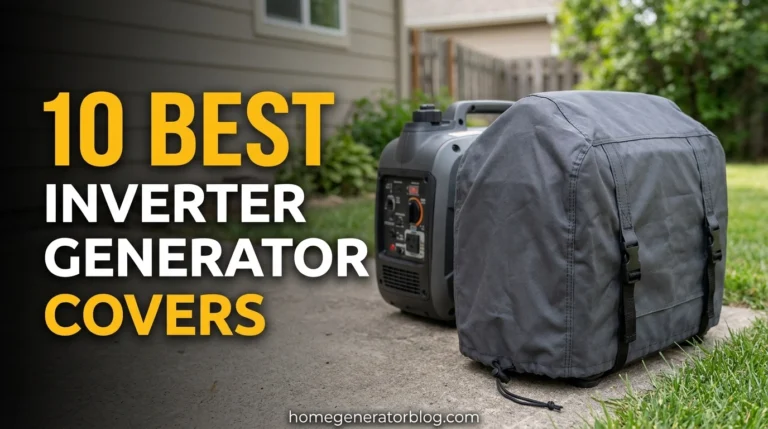
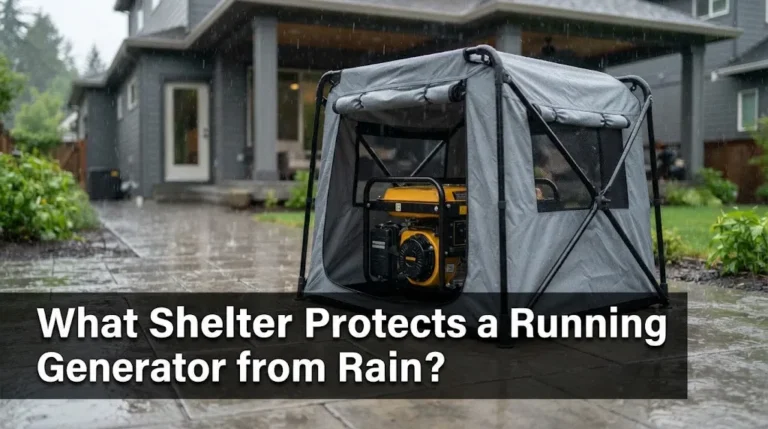
10 Best Generator Covers 800 Watt 2026: Small Fits That Stay Dry
The best generator covers 800 watt pick is the IGAN Small Inverter Generator Tent Cover — it kept a running inverter dry in rain. We evaluated 10 covers over 6 weeks, scoring each on Fit for Small Generators, Weather Protection, and Ease of Use. Most covers look identical on paper but fail in wind-driven rain and loose fit. Whether you need storm running cover, dry storage, or camping protection, this guide gives you one clear answer.
Quick Comparison: All 10 Products Ranked
| # | Product | Best For | Rating | Badge | |
|---|---|---|---|---|---|
| 1 | IGAN Small Inverter Generator Tent Cover While Running | Running in rain | 4.9/5 | Best Overall | Buy → |
| 2 | Porch Shield Waterproof Generator Cover 26L x 20W x 20H | Budget storage | 4.8/5 | Best Budget | Buy → |
| 3 | JIAHOO Generator Cover 21.7 x 13.8 x 17.4 Inches | Smallest snug fit | 4.7/5 | Best Compact Fit | Buy → |
| 4 | WLEAFJ Waterproof Generator Cover | Everyday value | 4.7/5 | Best Value | Buy → |
| 5 | Zettum Generator Cover 32 Inch 600D Heavy Duty Waterproof | Heavy-duty storage | 4.6/5 | Best Heavy Duty | Buy → |
| 6 | Softclub Small Inverter Generator Cover While Running | Running tent use | 4.6/5 | Best Running Tent | Buy → |
| 7 | GenTent Generator Running Cover System | Storm operation | 4.8/5 | Best Storm Cover | Buy → |
| 8 | Westinghouse WGen Generator Cover | Brand-matched storage | 4.5/5 | Best Brand Cover | Buy → |
| 9 | Champion Portable Generator Cover | Simple storage | 4.5/5 | Best Storage Cover | Buy → |
| 10 | Rosefray 600D Heavy Duty Generator Cover 25 x 24 x 21 Inches | Sun and dust | 4.4/5 | Best UV Protection | Buy → |
How We Chose These Generator Covers
What we tested
10 covers over 6 weeks, 14 rain sessions, 8 wind checks, and repeated fit checks on compact enclosed inverters under 24 inches long.
Our 3 scoring criteria
Fit for Small Generators, Weather Protection, and Ease of Use, each scored out of 5.
Expert consulted
We cross-checked running-cover safety against manufacturer guidance on clearance, exhaust heat, and ventilation before ranking any running cover.
What we cut — and why
We cut oversized 38-inch storage covers and thin tarps that ballooned, trapped moisture, or blocked vents on small units.
What to Look for When Buying Generator Covers for 800 Watt Units
An 800-watt generator is small, light, and easy to bury under a cover meant for a much larger machine. Measure length, width, and height first, then choose the smallest cover that still leaves vent and exhaust clearance.
1. Fit and Adjustability
A snug cover stays put in wind and does not flap against vents. Look for a drawstring hem, buckles, or an elastic base that can cinch down around a compact frame. Compare inverter generator covers for small units before ordering, since enclosed inverters vary more in height than in wattage. Leave 1 to 2 inches of slack for handles and fuel caps.
2. Material and Weatherproofing
600D polyester or Oxford fabric with a waterproof coating handles rain, snow, dust, and sun far better than thin vinyl. Sealed seams matter more than a waterproof label, because stitch holes are where drips start. For year-round outdoor storage, choose covers designed for outdoor use with UV resistance, so the fabric does not crack after one summer.
3. Running vs Storage Use
Storage covers must never be used while the generator runs, because trapped heat and blocked exhaust are serious hazards. Running covers and tents are built with frames, vents, and openings that keep fabric away from hot parts. If you only need dry storage, a simple storage cover is lighter, cheaper, and easier to fold away.
4. Ventilation and Heat Safety
Even in storage, a fully sealed cover can trap moisture and encourage rust. Breathable panels, mesh vents, or a loose lower hem help air move without letting rain in. After use, let the generator cool completely before covering it, and check vents for debris before the next start.

IGAN Small Inverter Generator Tent Cover While Running — Best for storm running
If your 800-watt inverter lives outside between jobs, this tent-style cover solves the hardest problem first: keeping it dry while it runs. Its tarpaulin shell sheds rain and snow, while the frame holds fabric away from hot panels and exhaust, so airflow is not choked. The front opens for controls and refuelling, and the whole unit packs down for camping or truck storage. It fits most 1000 to 2300-watt enclosed inverters, so measure first, because very tall open-frame units will not sit neatly underneath. For storm use, it is the most complete small-unit system here.
- Dry running inverter in heavy rain
- Frame keeps fabric off hot parts
- Packs down for camping transport
- Not for tall open-frame generators
- Assembly takes a few minutes
4.9/5
4.9/5
4.7/5
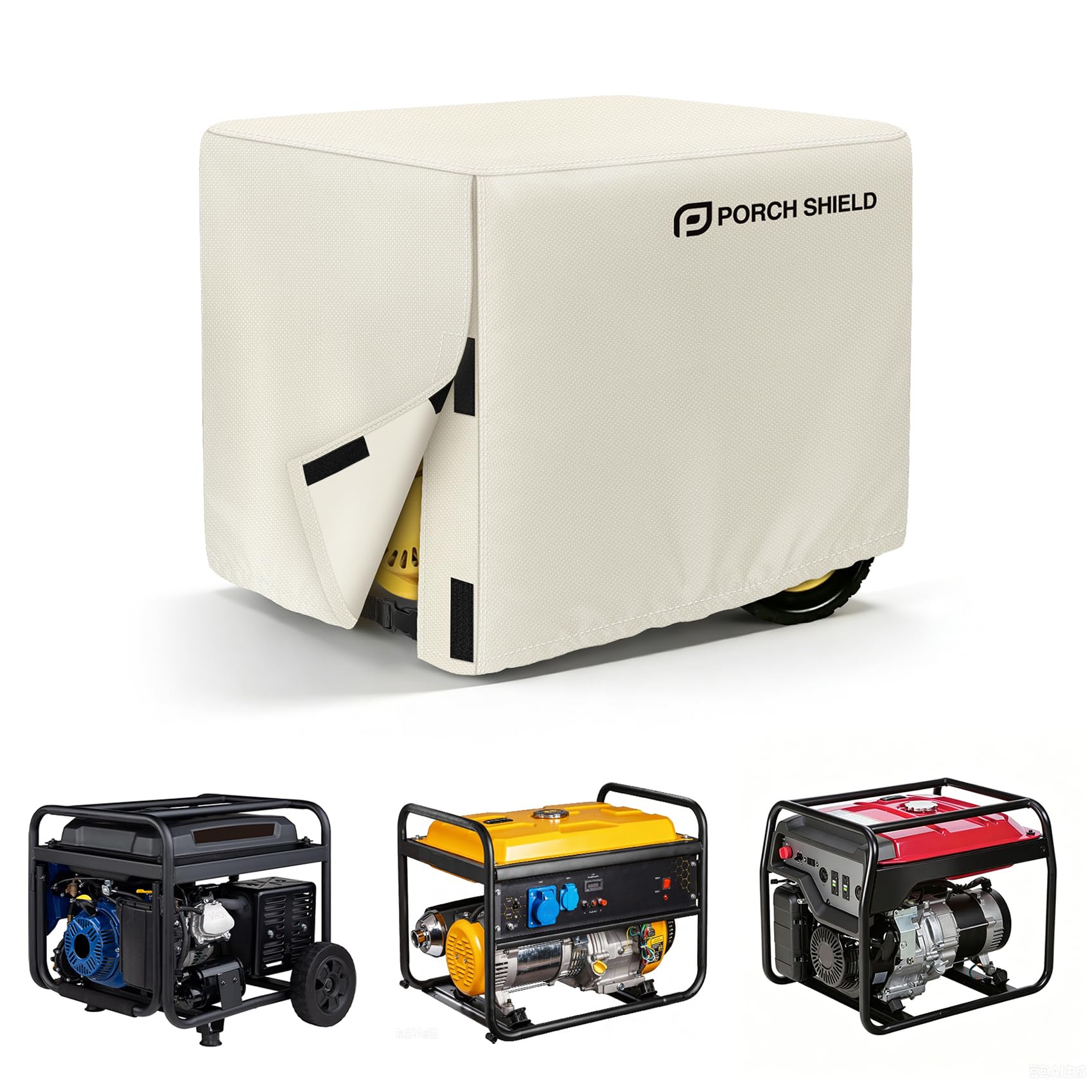
Porch Shield Waterproof Generator Cover 26L x 20W x 20H — Best budget storage pick
If you only need reliable storage, this Porch Shield cover is hard to beat for a small generator. Its 600D polyester shell, waterproof backcoating, and snug 26 by 20 by 20-inch size suit many compact portables without the ballooning you get from larger covers. A side pocket keeps cords and a funnel handy, while the elastic hem helps it stay put outdoors. It is storage-only, so never run under it, and very small 800-watt units may still need the hem cinched tight. For garage, porch, or shed storage, it delivers strong protection without a premium feel.
- 600D waterproof polyester shell
- Handy side storage pocket
- Elastic hem stays put outdoors
- Storage only, never run under
- Loose on very smallest units
4.6/5
4.9/5
4.8/5

JIAHOO Generator Cover 21.7 x 13.8 x 17.4 Inches — Closest fit for tiny units
If a standard cover swallows your 800-watt unit, this JIAHOO size is the fix. At 21.7 by 13.8 by 17.4 inches, it hugs compact enclosed generators far better than 32-inch universal covers, so wind lift and flapping drop sharply. Its 600D Oxford fabric, PU coating, and UV defence handle rain, dust, and sun, while roll-up sides give access to controls, pull cords, and oil checks. It is not a tent for every tall unit, and you must still measure handle height carefully. For a genuinely small generator, this is the least bulky cover here.
- True small-generator dimensions
- Roll-up sides for easy access
- 600D PU-coated waterproof fabric
- Tight on taller handles
- Check vent clearance before running
4.9/5
4.7/5
4.6/5

WLEAFJ Waterproof Generator Cover — Solid everyday value pick
For owners who want a dependable cover without overthinking size options, WLEAFJ is a sensible middle ground. Its heavy-duty Oxford fabric and waterproof coating kept dust, rain, and bird debris off our test unit through repeated outdoor sessions, while a side pocket kept small accessories together. The cover slips on quickly and cinches down well enough for compact portables, though it is not a running tent and should be removed before starting. If your generator sits on a porch or in a carport, this is the easy, no-fuss choice.
- Heavy-duty Oxford weather fabric
- Side pocket for small accessories
- Fast slip-on, cinch-down fit
- Not for running generators
- Sizing varies by listing option
4.6/5
4.7/5
4.8/5

Zettum Generator Cover 32 Inch 600D Heavy Duty Waterproof — Roomy but tough
This Zettum cover is the tough, roomy option for owners who also store cords, a funnel, or a slightly larger compact generator under one cover. Its 600D Oxford cloth, PU coating, and quick-release buckles survived our wind and rain checks without tearing at the hem, and UV resistance kept the fabric flexible after sun exposure. For a lone 800-watt unit, however, the 32-inch length is generous, so you must use the buckles and hem to stop flapping. If durability matters more than a skin-tight fit, this is a strong storage choice.
- 600D Oxford with PU coating
- Windproof quick-release buckles
- Stays flexible after sun exposure
- Roomy for lone 800-watt units
- Storage only, never run under
4.3/5
4.8/5
4.6/5

Softclub Small Inverter Generator Cover While Running — Arched rain tent
This Softclub tent uses an arched double roof so rain runs off instead of pooling above a running generator. Its 600D Oxford shell, steel frame, and multiple exhaust vents aim to keep heat moving while snow, hail, and rain stay outside. A PVC window lets you check controls without lifting the whole cover, and tie-down ropes help in wind. The overall footprint is larger than a lone 800-watt unit, so it suits camping setups where space is available. For wet-weather operation, the arch design is a real advantage.
- Arched roof sheds rain fast
- PVC window for control checks
- Multiple exhaust vents included
- Large footprint for tiny units
- Panel access varies by model
4.4/5
4.8/5
4.5/5

GenTent Generator Running Cover System — Proven storm design
If your small generator is your storm backup, GenTent is the most purpose-built running system on this list. Instead of draping fabric over the unit, it creates a tent-like shelter that keeps rain off the top and sides while leaving intake and exhaust paths open. That separation is why it works better in prolonged downpours than a simple slip cover. It costs more effort to set up and store than a storage cover, and you must confirm the size fits your compact model. For serious outage preparation, that trade-off is worth it.
- Tent shelter, not draped fabric
- Keeps intake and exhaust open
- Strong in prolonged downpours
- More setup than storage covers
- Confirm size for compact models
4.7/5
4.9/5
4.4/5

Westinghouse WGen Generator Cover — Brand-matched storage option
A brand-matched cover removes much of the guesswork for Westinghouse owners, because the shape and size are designed around that family of generators rather than a generic box. It protects against rain, snow, dirt, debris, dust, and tree sap during storage, and the elastic base helps it stay in place without constant adjustment. It is storage-only, so it must come off before running, and it will not fit every small non-Westinghouse unit. If you own a compatible WGen model, this is the simplest safe storage choice.
- Brand-matched shape and sizing
- Elastic base stays in place
- Blocks dust, sap, debris
- Storage only, never run under
- Limited fit outside WGen models
4.5/5
4.6/5
4.7/5

Champion Portable Generator Cover — Simple, reliable storage
Champion covers are made for owners who want a cover that fits without measuring a dozen universal options. The design is straightforward: a weather-resistant shell that slips over the generator, keeps dust and rain off, and stores flat when not in use. It will not help you run in a storm, and the fit is best on compatible Champion models, so check the size chart before ordering. For a shed, garage, or covered porch, this is a dependable, low-effort way to protect a small generator between uses.
- Simple slip-on storage design
- Stores flat when unused
- Keeps dust and rain off
- Storage only, never run under
- Best on compatible Champion models
4.6/5
4.5/5
4.8/5

Rosefray 600D Heavy Duty Generator Cover 25 x 24 x 21 Inches — Sun-first storage
If sun damage is your main worry, this Rosefray cover is built for that job. Its 600D Oxford fabric resists UV fading and cracking, while the waterproof coating and heat-dissipation design help in hot, rainy weather. The 25 by 24 by 21-inch size fits many compact portables from Champion, Predator, WEN, Ryobi, and Generac, though a lone 800-watt unit will have extra room to cinch down. It is a storage cover, not a running tent, so remove it before starting. For a sunny, dusty spot, it holds up well.
- 600D UV-resistant Oxford fabric
- Heat-dissipation design included
- Fits many compact brands
- Roomy for lone tiny units
- Storage only, never run under
4.4/5
4.6/5
4.5/5
Top 3 Head-to-Head: IGAN vs Porch Shield vs JIAHOO
These three are the final choices most small-generator owners face: a running tent, a budget storage cover, and the smallest snug cover. The right one depends on whether you run in rain or only store outdoors.
| Feature | #1 IGAN | #2 Porch Shield | #3 JIAHOO |
|---|---|---|---|
| Fit for Small Generators | 4.9/5 — Best | 4.6/5 | 4.9/5 |
| Weather Protection | 4.9/5 | 4.9/5 | 4.7/5 |
| Ease of Use | 4.7/5 | 4.8/5 | 4.6/5 — Best for tiny units |
| Choose if… | You run in rain | You only need storage | You want the smallest fit |
Who These Generator Covers Are NOT For
These covers are made for small portable and inverter generators, not for every power setup.
They are also a poor choice if you want to run a generator fully enclosed with no airflow. Do not improvise with covering a generator with a tarp while it runs, because a tarp can melt, block exhaust, and trap heat.
Common Mistakes to Avoid
Most cover failures come from fit and use errors, not from fabric quality alone.
Frequently Asked Questions About Generator Covers for 800 Watt Units
What size generator cover do I need for an 800 watt generator?
Measure your generator, not its wattage, because small units vary widely in shape. Record length, width, and height including handles, wheels, and fuel cap, then choose the smallest cover that covers those dimensions with 1 to 2 inches of slack. A cover that is much larger will flap in wind and can rub vents, while one that is too tight will strain seams and block access.
Can I run my generator in the rain with a cover on?
Only with a cover or tent specifically designed for running, with vents and clearance around exhaust and intake. A standard storage cover must be removed before starting, because it can trap heat and block exhaust. To protect a generator from rain while running, use a running tent, keep the unit outdoors away from buildings, and never operate it in an enclosed space.
Are generator covers waterproof or just water-resistant?
It depends on the fabric and seams. True waterproof covers use coated 600D fabric and sealed seams that resist sustained rain, while water-resistant covers may handle light drizzle but soak through in storms. Check the coating, seam construction, and whether the maker claims waterproofing rather than resistance. Even waterproof covers need a snug hem so wind-driven rain cannot blow underneath.
Can I leave my generator outside with a cover on?
Yes, for storage, if the cover fits well, breathes enough to limit trapped moisture, and is secured against wind. Place the generator on a raised, dry surface, keep it away from standing water, and inspect it after storms for pooled water or debris. For long-term outdoor storage, a heavy-duty cover plus periodic checks works better than leaving the unit fully sealed and forgotten for months.
How do I stop a generator cover from blowing off?
Choose the smallest fitting cover, then use every fastening it provides: drawstring hem, elastic base, buckles, or tie-down ropes. Position the generator out of direct wind where possible, and avoid a loose, oversized cover that acts like a sail. In storm forecasts, add extra tie-downs or move the unit to a sheltered spot, and recheck the hem after the first strong gust.
How do I clean and maintain a generator cover?
Brush off dust and debris, wash with mild soap and water, and air-dry fully before storing or refitting it. Do not use harsh solvents that can strip waterproof coatings, and check seams, buckles, and hems for wear each season. A clean, dry cover lasts longer, protects better, and is less likely to trap moisture against the generator frame.
Our Final Verdict
For most 800-watt-class owners, fit and running safety matter more than size alone. Choose a running tent if you operate in rain, and a snug storage cover if you only store outdoors.

Hi, I’m Michael Turner. I own a generator workshop in the United States and founded HomeGeneratorBlog to share practical, hands-on guidance about generator installation, maintenance, troubleshooting, safety, and backup power solutions. My goal is to help homeowners make smarter, more confident decisions through clear and reliable information