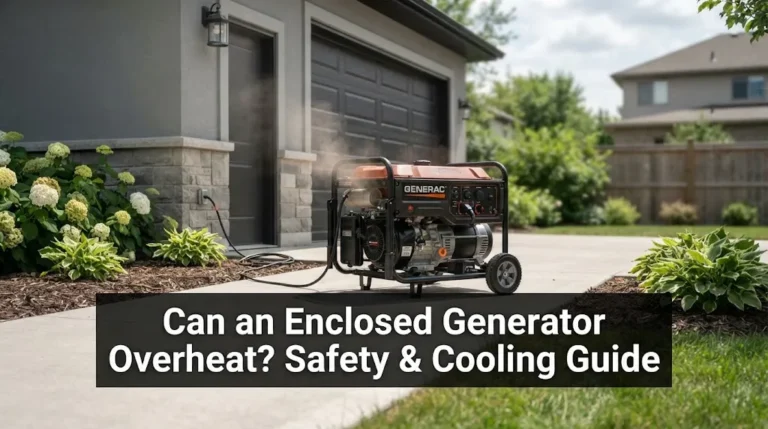
Generator Shelter Clearance Rules: Safe Distances & Guidelines
Quick Answer
A running generator needs at least 3 to 5 feet of clearance on all sides and a minimum of 5 feet of overhead clearance from a shelter roof or overhang. Furthermore, it must never be enclosed on all sides or operated in an unventilated lean-to, porch, or garage, as exhaust buildup creates a lethal carbon monoxide hazard.
Understanding Generator Shelter Clearance Requirements
Operating a generator during a storm or power outage often requires shielding it from rain, snow, and direct moisture. However, placing any combustion engine under a structure introduces severe fire and health risks if clearance rules are ignored.
When evaluating how much space a running generator requires under a shelter, you must balance two competing demands: weather protection and absolute exhaust ventilation. A tight enclosure traps deadly carbon monoxide (CO) gas and intense engine heat, while an open structure provides the airflow necessary for safe mechanical operation.
Minimum Clearance Distances Under a Roof or Awning
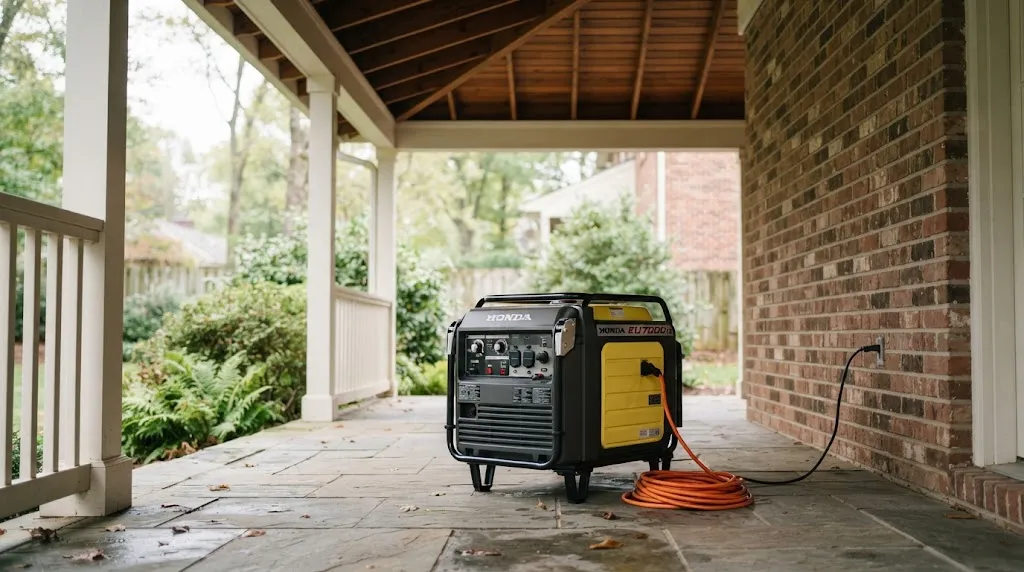
Industry safety standards and National Fire Protection Association (NFPA) guidelines establish specific separation boundaries for combustion engines. When a generator sits beneath a roof, porch overhang, or custom canopy, specific vertical and horizontal thresholds apply.
- Overhead Clearance: Maintain at least 5 feet of open vertical space above the top of the generator. This prevents intense exhaust heat from scorching rafters, melting siding, or igniting low-hanging eaves.
- Side and End Clearances: Keep a minimum of 3 feet of unobstructed space around the front, back, and sides of the unit to ensure adequate cooling airflow.
- Distance from Walls: Stationary walls or combustible building materials typically require a 5-foot buffer, though certain certified residential units with specific testing labels permit closer placement (such as 18 inches for the back panel) based on manufacturer instructions and local codes.
The Dangers of Enclosing a Generator Too Closely
Many homeowners make the mistake of treating a portable generator like an outdoor appliance that can be tucked neatly inside a shed or tight alcove as long as the door is propped open. This practice is extremely dangerous.
Warning
Never run a portable generator inside a garage, carport, crawl space, or enclosed shed—even with doors and windows wide open. Carbon monoxide is an odorless, colorless gas that can accumulate to lethal levels within minutes in partially enclosed spaces.
When a generator operates under a shelter, exhaust fumes must have an immediate, unhindered path to the open atmosphere. If structural walls block cross-ventilation, exhaust turbulence can push gases backward into living spaces or cause the engine to overheat from recirculated hot air.
Safe Shelter Design: What Works and What Fails
Choosing the right type of shelter makes a significant difference in how safely your generator performs during inclement weather. Makeshift setups often restrict airflow in ways that compromise safety.
| Shelter Type | Safety & Compliance Status | Key Operational Consideration |
|---|---|---|
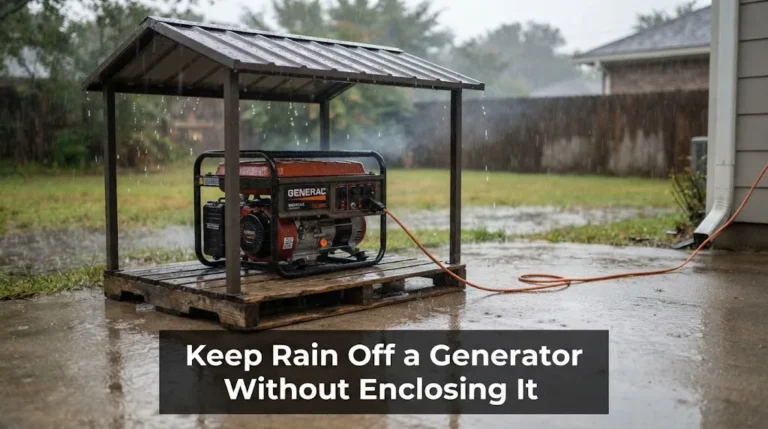
| Open-Sided Canopy / Awning | Safe if clearances are met | Must have at least three fully open sides to let exhaust escape freely. |
| Under a Wooden Deck | Unsafe / Prohibited | Traps heat and exhaust directly beneath flooring materials, creating an extreme fire hazard. |
| Enclosed Shed or Garage | Lethal Hazard | Builds up toxic carbon monoxide rapidly, risking fatal poisoning. |
| Dedicated Generator Tent | Acceptable if manufacturer-approved | Flexible fabric covers designed specifically for running generators while shielding them from heavy rain. |
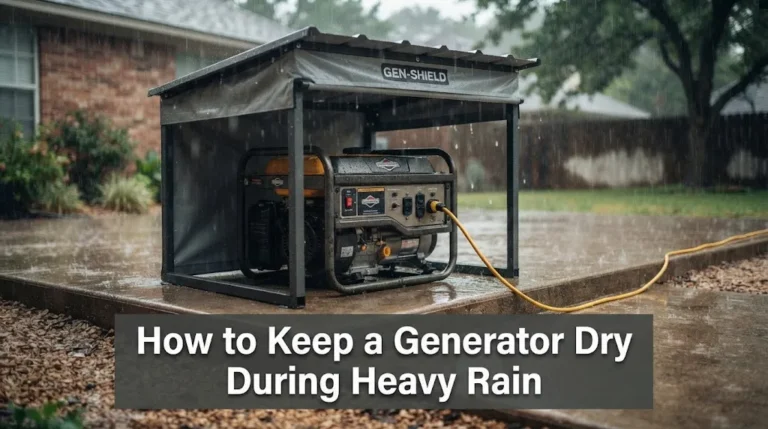
When utilizing a specialized generator tent or fabric enclosure, ensure the flaps remain rolled up or open during operation. The shelter should protect the sensitive electrical panel and top housing from direct moisture without acting as a windbreak that traps exhaust.
Critical Factors Beyond Overhead Clearance
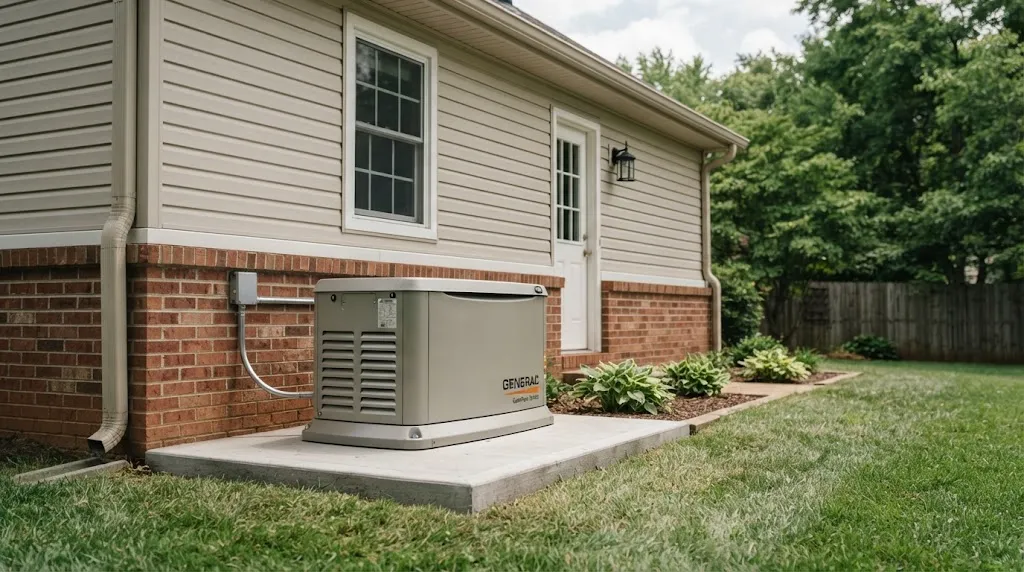
Horizontal positioning is just as vital as vertical clearance. Even if your shelter provides ample roof height, proximity to structural entry points can pull hazardous fumes indoors.
Key Insight
Always position your generator so that the exhaust stream points completely away from doors, windows, crawl space vents, and air conditioning intakes—ideally keeping the unit at least 15 to 20 feet away from occupied dwelling walls.
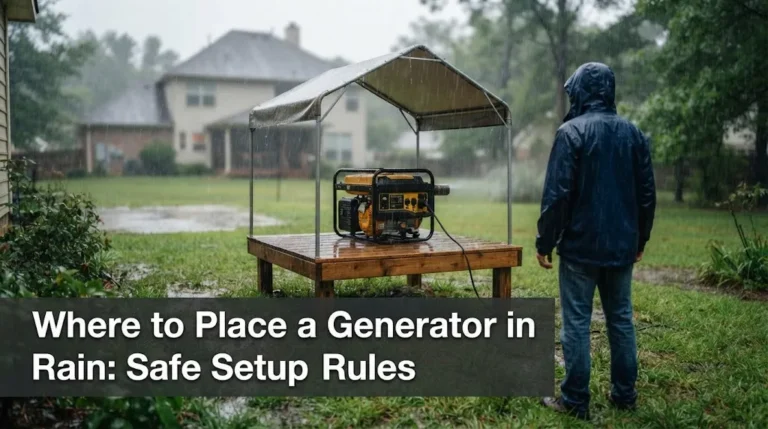
Furthermore, pay close attention to ground conditions under the shelter. Operating a generator on wet soil or standing water increases the risk of electrical shock. Ensure the shelter area is placed on a dry, elevated, and stable concrete pad or composite platform that prevents moisture pooling around the frame.
Related Product
Portable Generator Cover & Tent Accessories
Weather-resistant running covers designed to protect your unit from rain and snow while maintaining proper open-air ventilation clearances.
As an Amazon Associate, we earn from qualifying purchases.
Frequently Asked Questions
Can I run a generator under a covered patio?
You can only run a generator under a covered patio if the patio is completely open on at least three sides with high ceilings providing a minimum of 5 feet of vertical clearance. If the patio resembles a closed porch or alcove, exhaust and heat will accumulate dangerously.
What happens if a generator has insufficient overhead clearance?
Inadequate overhead space traps high-temperature exhaust gases against the shelter roof. This can warp metal, melt vinyl siding, scorch wood framing, and cause the generator to overheat or trip thermal protection switches.
How far away from windows and doors should a sheltered generator be?
Even when sheltered, the generator should be placed at least 15 to 20 feet away from any operable windows, doors, or fresh air intakes to prevent carbon monoxide from drifting inside the home.
Can I use a standard tarp to shelter my generator?
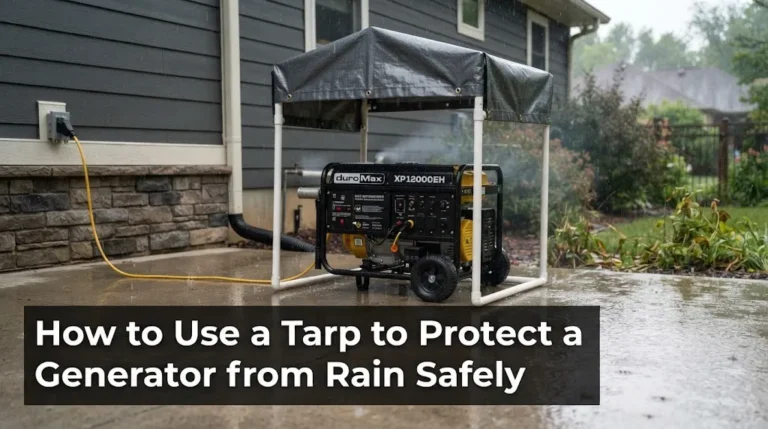
Never drape a loose plastic tarp directly over a running generator. A tarp restricts airflow, traps heat, creates a severe fire hazard, and can easily melt or catch fire from hot exhaust components.
Do standby generators require the same shelter clearances as portable models?
Permanent standby generators feature weather-resistant factory enclosures and must strictly adhere to NFPA 37 and manufacturer installation specs—typically maintaining 5 feet from operable openings and property lines. Portable generators require even more conservative placement due to lack of built-in structural cooling channels.
How do I know if carbon monoxide is building up near my shelter?
You cannot smell or see carbon monoxide. Always install and test battery-operated carbon monoxide detectors inside your home near sleeping areas before running any emergency generator outdoors.
Conclusion
Operating a generator under a shelter requires strict adherence to safety clearances to prevent fire hazards and lethal carbon monoxide accumulation. By maintaining at least 5 feet of vertical overhead space, ensuring robust cross-ventilation on all sides, and keeping the unit safely away from household windows and doors, you can protect your equipment from weather while safeguarding your home and family during an emergency outage.

Hi, I’m Michael Turner. I own a generator workshop in the United States and founded HomeGeneratorBlog to share practical, hands-on guidance about generator installation, maintenance, troubleshooting, safety, and backup power solutions. My goal is to help homeowners make smarter, more confident decisions through clear and reliable information