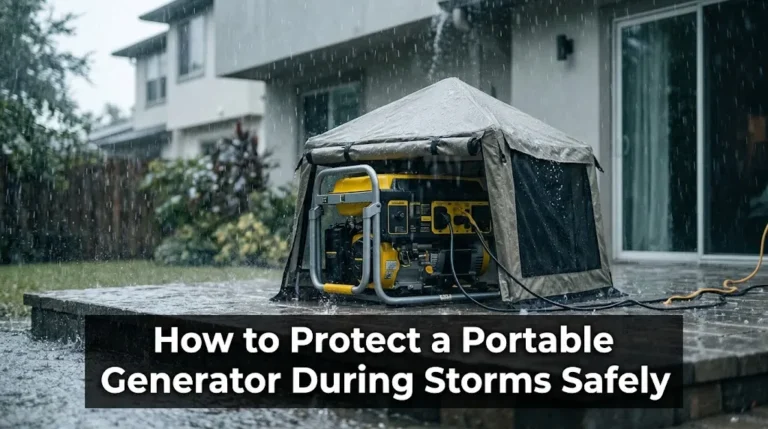
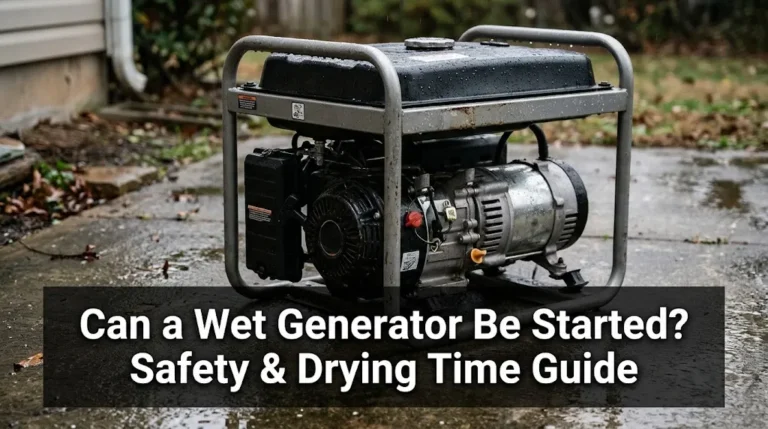
Generator Weather Protection: Inverter, Generac & Standby
Weather protection for inverter, Generac portable, and standby generators means preventing rain, snow, moisture, wind damage, and flooding without blocking ventilation or creating carbon monoxide and fire hazards. The correct protection depends on the generator type, its manufacturer’s instructions, and whether the unit is operating or stored.
Quick Answer
Never assume a generator is safe to operate in wet weather simply because it has a cover or enclosure. Portable inverter and conventional generators generally need a manufacturer-approved weather shelter when operating in precipitation, while permanently installed standby generators usually have purpose-built outdoor enclosures. Keep every generator away from standing water, preserve airflow, and follow the exact model’s manual.
Why Generator Weather Protection Depends on the Type
Not all generators are designed for the same outdoor conditions. A portable inverter generator, a conventional Generac portable generator, and a permanently installed standby generator can have different enclosure designs, ventilation requirements, and weather restrictions.
Before buying a cover or building a shelter, identify the generator model and check its owner’s manual. A solution suitable for protecting a stored generator may be unsafe when the engine is running.
Inverter Generators
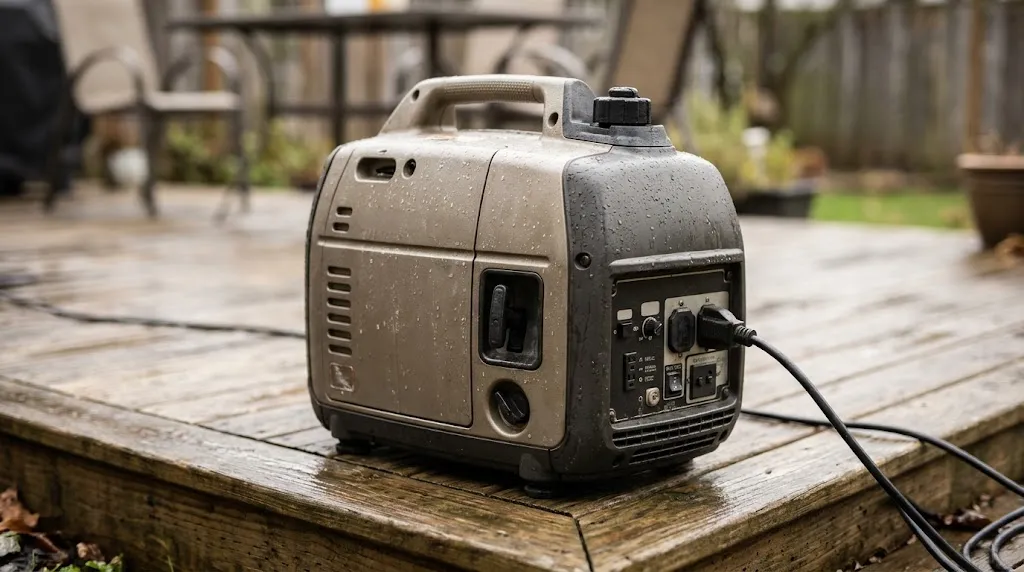
Portable inverter generators are commonly used for camping, recreation, backup power, and outdoor activities. Their compact housings protect internal components during normal use, but that does not automatically make the entire unit waterproof or suitable for operation in rain.
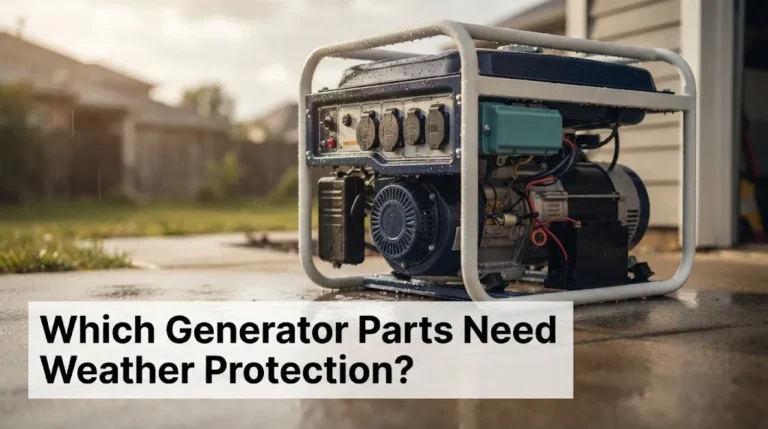
Water can enter through openings, reach electrical connections, or create a shock hazard. Use only a shelter or weather-protection system that the manufacturer permits for the specific model. Keep exhaust outlets unobstructed and provide the required clearance around the unit.
Generac Portable Generators
Generac portable generators must be protected from moisture according to the manufacturer’s operating instructions. Generac advises against operating its portable generators in inclement weather, including rain, sleet, and snow.
If weather threatens during an outage, do not improvise by wrapping the running generator in a tarp or placing it inside a garage. Follow the instructions for your model and use only an appropriate, well-ventilated protection arrangement that meets all applicable clearance and outdoor-placement requirements.
Permanently Installed Standby Generators
Home standby generators are designed for permanent outdoor installation and commonly have weather-protective enclosures. Some Generac air-cooled standby models use corrosion-resistant aluminum enclosures, but enclosure construction and permitted environmental conditions vary by model.
An outdoor-rated enclosure does not make a standby generator floodproof. Installation location, drainage, airflow, and clearance remain important. The unit should not be installed where rising water can reach it or where roof runoff, sprinklers, or downspouts repeatedly direct water toward it.
Important distinction: A protective cover for a stored portable generator is not necessarily suitable for a running generator. Likewise, a standby generator’s factory enclosure is not permission to expose the unit to flooding or disregard its installation instructions.
What Weather Conditions Can Damage a Generator?
Rain and Wind-Driven Rain
Rain can create electrical hazards when water reaches components or connections that are not designed for wet conditions. Wind can drive water sideways beneath a shelter, making a roof alone insufficient protection.
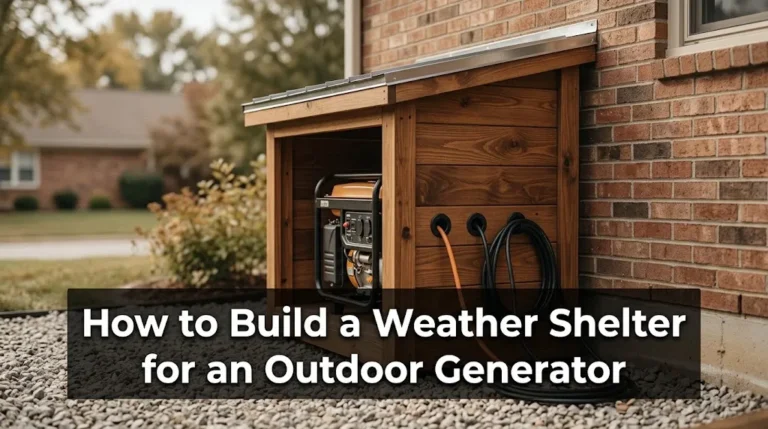
For a portable generator, use only a manufacturer-approved operating shelter when one is permitted. Keep the shelter stable, preserve the required ventilation, and ensure that exhaust cannot collect near a building or occupied area.
Snow and Ice
Snow can accumulate around a generator, block air openings, restrict exhaust flow, and interfere with safe operation. Ice can also make access and maintenance more difficult.
Follow the manual’s cold-weather and snow-clearance instructions. Do not pile snow against the enclosure or cover openings to keep precipitation out. If the manufacturer prohibits operation in the current conditions, shut the generator down safely and wait until operation is permitted.
Flooding and Standing Water
Floodwater is a serious hazard because it can reach electrical components, damage the engine, and create dangerous conditions around the equipment. Even a generator designed for outdoor use should not be treated as safe to operate in standing water.
Install standby equipment on a suitable location that is not vulnerable to water accumulation. Direct roof runoff, downspouts, sprinklers, and sump-pump discharge away from the generator. Never approach or operate electrical equipment in a flooded area.
Strong Wind and Flying Debris
Strong wind can move lightweight covers, damage temporary shelters, and carry debris into ventilation openings. An unsecured shelter can also become a hazard during a storm.
Use a stable, appropriately rated shelter where permitted, and secure it according to the manufacturer’s instructions. Do not attach a cover in a way that blocks cooling air or exhaust flow. If conditions exceed the shelter’s rating, prioritize safe shutdown and sheltering people rather than trying to keep the generator running.
Which Generator Weather Protection Is Appropriate?
| Protection Type | Best Use | Important Limitation |
|---|---|---|
| Storage cover | Protecting a cool, shut-down portable generator from dust and weather during storage | Remove it before operation unless the manufacturer explicitly approves its use while running. |
| Manufacturer-approved running shelter | Protecting a compatible portable generator from permitted precipitation | Must preserve airflow, exhaust clearance, electrical safety, and required distance from buildings. |
| Purpose-built standby enclosure | Protecting a permanently installed standby generator during normal outdoor operation | Does not make the unit floodproof or remove installation and maintenance requirements. |
| Ordinary tarp or improvised wrapping | Not a safe default for a running generator | Can obstruct ventilation, trap heat, or interfere with exhaust discharge. |
| Permanent weather canopy or shelter | A properly designed installation where the generator manufacturer permits it | Must comply with clearances, airflow, fire safety, exhaust requirements, and local codes. |
The safest choice is not necessarily the cover that blocks the most rain. It is the protection system that the generator manufacturer permits while maintaining safe airflow, exhaust discharge, and electrical conditions.
How to Protect a Portable Generator Before a Storm
Preparing before severe weather is safer than trying to cover or move a running generator in heavy rain. Use this checklist before a storm arrives.
- Read the owner’s manual. Confirm whether operation in precipitation is prohibited and whether the manufacturer approves a particular running shelter.
- Choose a safe outdoor location. Follow the required distance from your home and other structures. U.S. Consumer Product Safety Commission guidance says portable generators should be operated at least 20 feet from a house, with exhaust directed away from buildings.
- Keep the generator above water risk. Select a stable location where rainwater will not pool around the unit.
- Check the shelter. Confirm that it is compatible with the generator and that its roof, sides, and openings do not block ventilation or exhaust.
- Inspect cords and connections. Use outdoor-rated equipment and follow the generator and connected-device instructions. Do not handle electrical connections with wet hands or while standing in water.
- Plan for worsening conditions. Know how to shut down the generator safely if wind, flooding, or precipitation makes continued operation unsafe.
Never compromise on carbon monoxide safety.
A generator must never operate inside a home, garage, basement, shed, or another enclosed or partly enclosed space. Do not move it closer to the house just to make weather protection easier. Follow the manufacturer’s instructions and the applicable outdoor-clearance guidance.
How to Protect a Standby Generator From Rain and Flooding
Standby generators are generally installed outdoors with a manufacturer-designed enclosure, so their protection needs differ from those of portable generators. The goal is to preserve the approved installation and prevent water from accumulating around the equipment.
Keep Drainage Away From the Enclosure
Check the area around the unit after heavy rain. Roof runoff, downspouts, landscape drainage, sprinklers, and sump-pump discharge should not direct water toward the generator.
If water repeatedly collects near the installation, have a qualified installer assess the drainage and location. Do not assume that a weather-resistant enclosure can withstand rising floodwater.
Maintain Airflow and Required Clearances
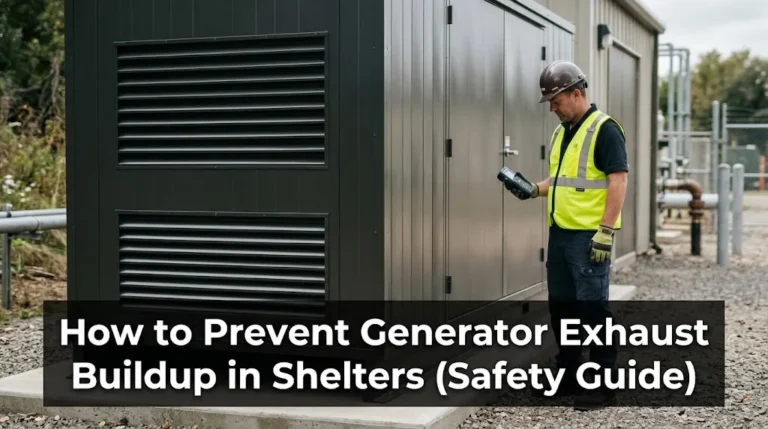
Standby generators need unobstructed airflow for cooling and safe operation. Keep leaves, snow, vegetation, stored items, and other debris away from air openings and exhaust areas.
Do not add a tarp, decorative cover, or aftermarket enclosure that changes the approved ventilation arrangement. Any permanent shelter or modification should be permitted by the manufacturer and installed in accordance with applicable codes.
Inspect the Enclosure After Severe Weather
Once conditions are safe, check for visible debris, damaged panels, blocked openings, shifted components, and signs of water accumulation. Do not open electrical compartments or attempt repairs unless qualified to do so.
If the unit has been submerged, exposed to flooding, or appears damaged, do not start it simply to test whether it still works. Contact the manufacturer or a qualified service professional for guidance.
Can You Use a Tarp to Protect a Running Generator?
An ordinary tarp is not a safe default for covering a running generator. It may block cooling air, trap heat, interfere with exhaust discharge, or become displaced in high winds.
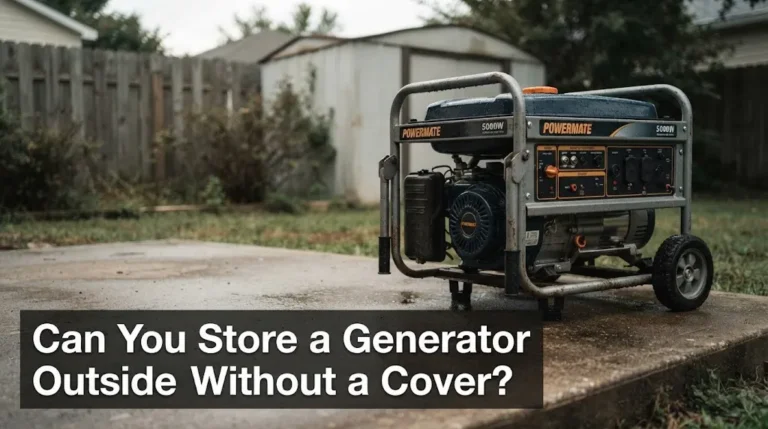
A tarp may be suitable for some storage situations when the generator is fully shut down and cool, but follow the storage instructions for the specific model. For operation during precipitation, use only a shelter or protection system the manufacturer explicitly permits.
Do not confuse water resistance with safe operation. A cover that sheds rain may still create dangerous operating conditions.
Electrical and Carbon Monoxide Safety During Bad Weather
Weather protection must never create a new safety hazard. Portable generators produce carbon monoxide, an odorless and potentially fatal gas, and wet conditions can increase the risk of electric shock.
- Operate portable generators outdoors, at least 20 feet from the home under CPSC guidance, with exhaust directed away from buildings.
- Never operate a generator indoors or in an enclosed or partly enclosed space.
- Keep the generator and electrical connections away from standing water.
- Follow the manufacturer’s wet-weather instructions; if safe operation is not permitted, do not run the generator in those conditions.
- Use working carbon monoxide alarms in the home, following their placement and maintenance instructions.
- Do not refuel a hot or running generator. Shut it down and allow it to cool as directed by the manufacturer.
- Do not overload the generator or use damaged cords, plugs, or connectors.
There can be differences between general safety guidance and the conditions permitted by a particular manufacturer. Follow the more restrictive requirement when necessary, and never interpret a shelter recommendation as permission to operate a generator closer to a home than safety guidance allows.
How to Store a Generator Between Uses
When a portable generator is not in use, storage protection helps reduce exposure to rain, dust, moisture, and debris. Shut the generator down and allow it to cool completely before fitting a storage cover.
- Store the generator in a dry, secure, well-ventilated location permitted by its manual.
- Use a compatible storage cover to protect against dust and precipitation.
- Keep the unit off the ground where appropriate, using a stable surface that does not create a tipping or drainage hazard.
- Inspect the cover for tears, trapped moisture, and signs of deterioration.
- Before the next use, remove the storage cover and inspect the generator, fuel system, cords, and ventilation openings.
Fuel-storage rules vary by generator type and fuel. Follow the owner’s manual and local requirements for gasoline, propane, diesel, or other fuels. Never store fuel or operate a generator in a way that creates an indoor fire or carbon monoxide hazard.
Common Generator Weather-Protection Mistakes
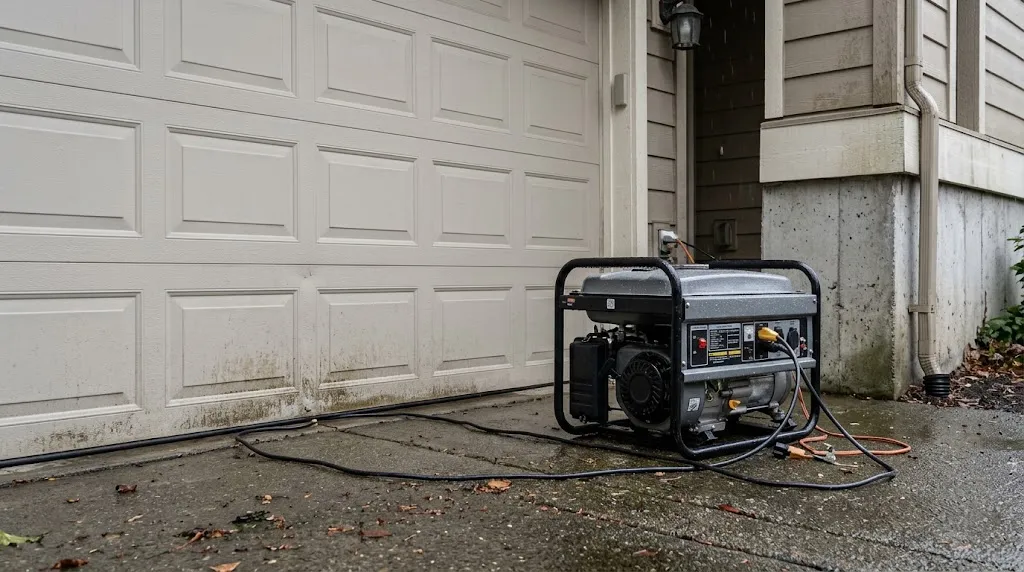
- Using a storage cover while running: A cover designed for storage may restrict airflow or trap heat during operation.
- Placing the generator in a garage: Opening a garage door does not make indoor or partly enclosed operation safe.
- Ignoring flood risk: A weather-resistant enclosure does not protect every component from submersion.
- Blocking ventilation with a shelter: Rain protection must not interfere with cooling air or exhaust discharge.
- Moving the generator too close to the house: Weather protection is not a reason to disregard safe outdoor placement.
- Assuming all models have the same rating: Protection requirements vary by manufacturer and model.
- Making changes without checking the manual: Aftermarket covers, canopies, and enclosure modifications can conflict with approved installation requirements.
Frequently Asked Questions
Can an inverter generator run in the rain?
Do not assume that an inverter generator can safely run in rain. Many portable generators are not designed for direct exposure to wet conditions. Check the owner’s manual and use only a manufacturer-approved running shelter where permitted.
Can a Generac portable generator run in bad weather?
Generac advises against operating its portable generators in inclement weather such as rain, sleet, and snow. Consult the manual for your exact model and follow its restrictions rather than improvising a cover or shelter.
Do standby generators need a weather cover?
Most permanently installed standby generators have a purpose-built outdoor enclosure. An additional cover is not automatically necessary or appropriate. Keep the enclosure clear, maintain drainage and ventilation, and follow the manufacturer’s installation and maintenance instructions.
Can I cover a generator with a tarp during a storm?
Do not use an ordinary tarp as a default cover for a running generator. It can restrict airflow, trap heat, or interfere with exhaust. Use only a running shelter approved for the specific generator, and do not operate the unit if the manufacturer prohibits use in the current weather.
How far should a portable generator be from a house?
The U.S. Consumer Product Safety Commission recommends operating portable generators at least 20 feet from the home, with exhaust directed away from buildings. Follow the exact generator manual and applicable safety guidance, and never operate a generator inside a home, garage, or other enclosed or partly enclosed area.
What should I do if floodwater reaches my standby generator?
Do not start or operate a generator that has been submerged or exposed to flooding. Keep away from hazardous water and electrical equipment, and contact the manufacturer or a qualified service professional to assess the unit before use.
Final Takeaway
Safe weather protection starts with knowing whether you have a portable inverter generator, a Generac portable model, or a permanently installed standby system. Each type has different enclosure and operating requirements, so the owner’s manual should guide your decision.
For portable generators, never trade ventilation, safe outdoor placement, or electrical safety for protection from rain. For standby generators, maintain the approved enclosure, drainage, and clearances, and keep the unit away from standing water. When weather exceeds the conditions permitted by the manufacturer, shut down safely rather than improvising a cover.
Official Safety Resources
- Generac: Preparing a Portable Generator for a Storm
- U.S. Consumer Product Safety Commission: Generator Safety Guidance
- Generac: Air-Cooled Standby Generator Owner’s Manual
“`

Hi, I’m Michael Turner. I own a generator workshop in the United States and founded HomeGeneratorBlog to share practical, hands-on guidance about generator installation, maintenance, troubleshooting, safety, and backup power solutions. My goal is to help homeowners make smarter, more confident decisions through clear and reliable information