What Are the Different Types of Inverter Generators?
Quick Answer
The main types of inverter generators are portable suitcase models, open-frame models, dual-fuel models, tri-fuel models, parallel-capable and RV-ready models, and battery-based solar generators that are often grouped with them. Most buyers should start with size and fuel, then check noise, outlets, and clean-power output. This inverter portable generator buying guide covers those buying checks in more detail.
Pick by use first
- Camping and tailgating: Choose a small, quiet suitcase model that is easy to carry.
- Home backup: Choose a larger open-frame model or a parallel pair with enough starting watts.
- Fuel flexibility: Choose dual-fuel or tri-fuel if you want propane or natural gas as well as gasoline.
- RV air conditioning: Choose a parallel-capable pair or a larger RV-ready model with a 30-amp outlet.
- Sensitive electronics: Choose a true inverter model with low total harmonic distortion, not a conventional open-frame unit.
Before you buy
- Add your running watts, then add the largest starting surge.
- Check the spec sheet for THD, runtime, noise, and outlet types.
I’ve carried a suitcase inverter generator to a quiet campsite, run one through a long outage at home, and watched a neighbour’s open-frame unit drown out every conversation at a tailgate.
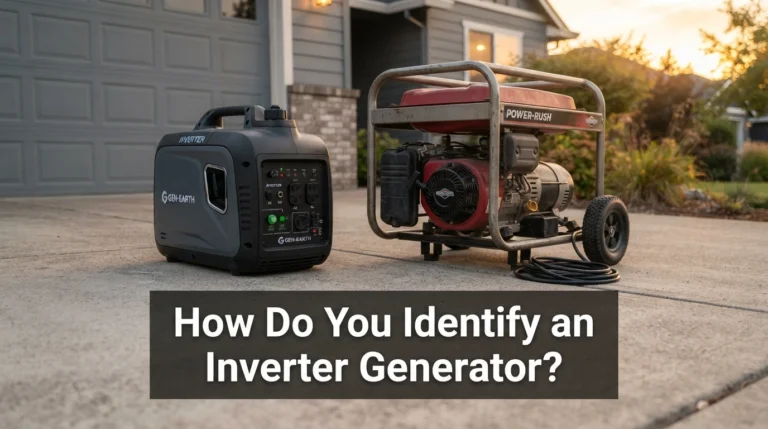
An inverter generator is not one product. It is a family of machines that share the same clean-power idea, but differ in size, frame, fuel, and job.
In This Guide
- What Is an Inverter Generator?
- What Are the Different Types of Inverter Generators at a Glance?
- Portable Suitcase Inverter Generators
- Open-Frame Inverter Generators
- Dual-Fuel and Tri-Fuel Inverter Generators
- Parallel-Capable and RV-Ready Inverter Generators
- Solar Generators and Portable Power Stations: Are They Inverter Generators?
- How Do I Choose the Right Type of Inverter Generator?
- Conclusion
- Frequently Asked Questions
What Is an Inverter Generator?
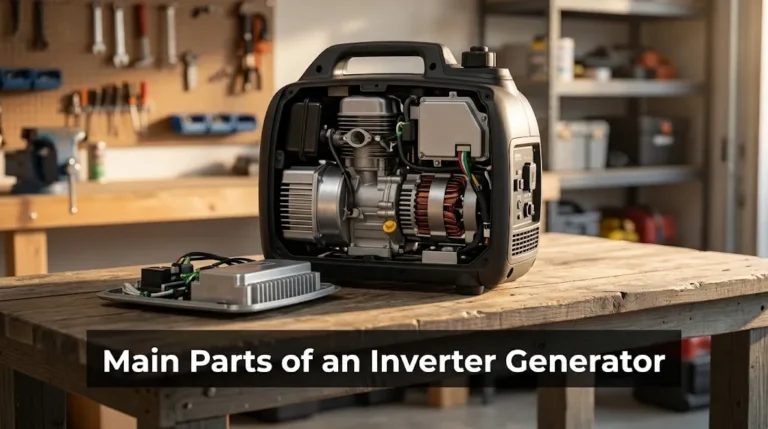
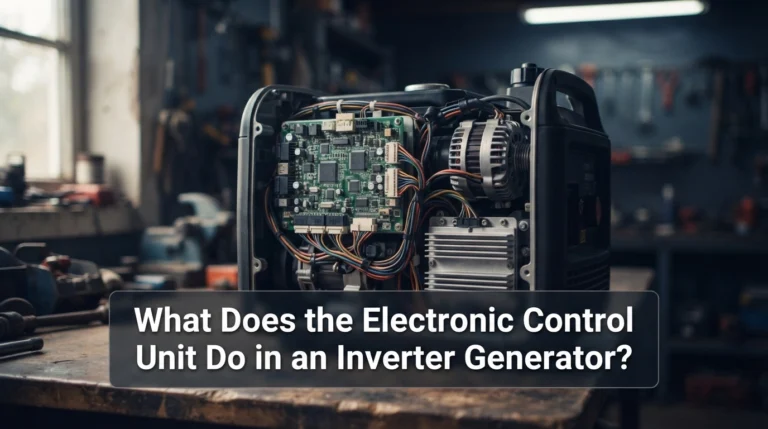
An inverter generator is a fuel-powered generator that converts raw alternator power to direct current (DC), then rebuilds it as clean alternating current (AC) at a steady voltage and frequency.
That AC-DC-AC path is the key idea. A conventional generator sends alternator power straight to the outlets, so it must hold about 3,600 RPM to keep 60-hertz output.
An inverter generator breaks that link. Its electronics rebuild the output, so the engine can slow down under a light load.
That slow-down is why inverter models are often quieter and use less fuel at partial load. It also explains their clean power.
Total harmonic distortion, or THD, measures unwanted harmonic energy in the output. Many inverter generators keep THD under 3 percent.
Conventional portable generators, by contrast, often run much higher, commonly in the 10 to 25 percent range depending on design and load. High THD can overheat motors, buzz in audio gear, and confuse microprocessor controls.
That difference is why I reach for an inverter model for laptops, phones, CPAP machines, and modern fridges. A conventional unit can still run tough loads, but it is a poorer match for sensitive electronics.
Section takeaway: An inverter generator is defined by its electronics, not its size or fuel, and that clean-power step is what separates it from a conventional generator.
What Are the Different Types of Inverter Generators at a Glance?
Most types differ in four ways: frame, size, fuel, and connection options. Use this table to narrow the field before you compare brands.
| Type | Typical running watts | Best for | Fuel | Watch out for |
|---|---|---|---|---|
| Portable suitcase | 1,000 to 2,200 | Camping, tailgating, light backup | Gasoline, some dual-fuel | Too small for large motors |
| Open-frame inverter | 3,000 to 7,500 or more | Home backup, job sites, large loads | Gasoline, propane, or dual-fuel | Louder and heavier than suitcase models |
| Dual-fuel inverter | 2,000 to 7,500 or more | Outages, RV use, fuel storage | Gasoline and propane | Slightly lower watts on propane |
| Tri-fuel inverter | 3,000 to 7,500 or more | Long outages, fixed home fuel | Gasoline, propane, natural gas | Natural gas needs a proper hookup |
| Parallel-capable / RV-ready | 2,200 alone, about double in parallel | RV air conditioning, larger loads | Gasoline or dual-fuel | Needs a matching unit and kit |
| Solar generator / power station | Varies widely by battery size | Indoor use, quiet charging, short loads | Battery, solar, wall charging | Limited runtime, no fuel engine |
Wattage ranges above are typical, not guarantees. Check the spec sheet for the exact model, because running watts and starting watts can differ by hundreds of watts between similar-looking units.
Size is the first filter. Fuel is the second.
Section takeaway: Start with the table, then read only the type sections that match your use, and you will avoid comparing machines built for different jobs.
Portable Suitcase Inverter Generators
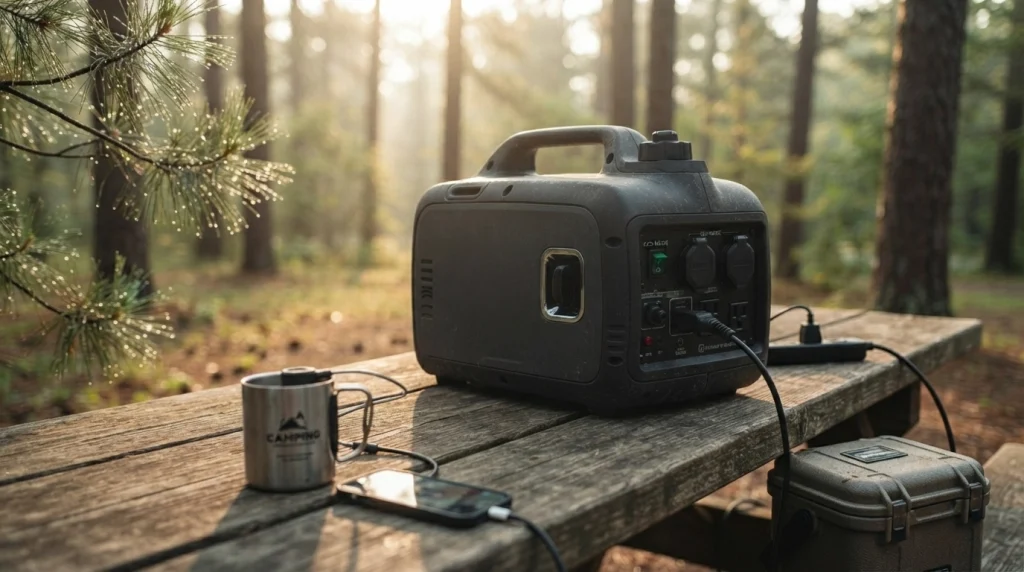
A portable suitcase inverter generator is a small, enclosed unit with a carry handle, usually rated at 1,000 to 2,200 running watts. It is the type most people picture when they hear “inverter generator.”
The enclosure does two jobs. It damps engine noise, and it keeps the unit compact enough to lift with one hand.
These models suit camping, tailgating, and light home backup. They run phones, laptops, lights, a CPAP machine, a small fan, and a modest fridge with care.
They do not suit a full-size air conditioner or a well pump. That is a job for a larger frame.
Eco mode is where they shine. With only a phone charger plugged in, the engine drops to a low idle.
Plug in a fridge compressor, and the control board raises engine speed within a second or two. That slow-down saves fuel and keeps campsite noise down.
At a quiet site last summer, my suitcase unit in eco mode was easy to talk over. The open-frame unit two sites away was not.
Watch the outlets. Most suitcase models have standard 120-volt household outlets, plus USB or 12-volt DC outlets on some models.
Few have a 30-amp RV outlet, so check before you plan an RV trip around one. Runtime also depends on load and tank size, so check runtime at 25 percent load.
If you want a shortlist to compare, see the best inverter generators roundup. Compare THD, weight, and runtime, not just the headline wattage.
Safety note: run any fuel-powered generator outdoors, at least 20 feet from doors, windows, and vents, with exhaust pointed away from people and buildings.
Section takeaway: A suitcase inverter generator is the right pick when portability and quiet running matter more than raw watts.
Open-Frame Inverter Generators
An open-frame inverter generator uses the same inverter electronics as a suitcase model, but in a steel tube frame with no sound-damping enclosure. It is built for bigger loads.
Typical running watts range from about 3,000 to 7,500, with some models higher. That range covers a fridge, furnace blower, sump pump, lights, and charging, often at the same time.
The open frame helps cooling and service access. It also lets more sound escape.
An open-frame inverter is usually quieter than a conventional open-frame generator. It is still louder than a suitcase inverter at the same load.
These models suit home backup, job sites, and food trucks. They suit a homeowner who needs real watts and can place the unit well away from the house.
Weight is the trade-off. Many open-frame inverters weigh 90 pounds or more, and larger ones need wheels and a second person to load.
Outlets are often richer here. Look for a 30-amp RV outlet, a twist-lock outlet, GFCI household outlets, and a 12-volt DC outlet.
How does an open-frame inverter differ from a conventional open-frame generator? The answer is the electronics, not the frame.
Read the inverter vs generator comparison if that line still feels blurry, because the frame alone does not tell you how clean the power is.
Safety note: keep the unit outdoors and well away from windows, doors, and vents, and use a transfer switch or interlock installed by a licensed electrician for any home wiring connection.
Section takeaway: An open-frame inverter generator trades quiet and portability for watts, so it fits home backup and work sites better than campsites.
Dual-Fuel and Tri-Fuel Inverter Generators
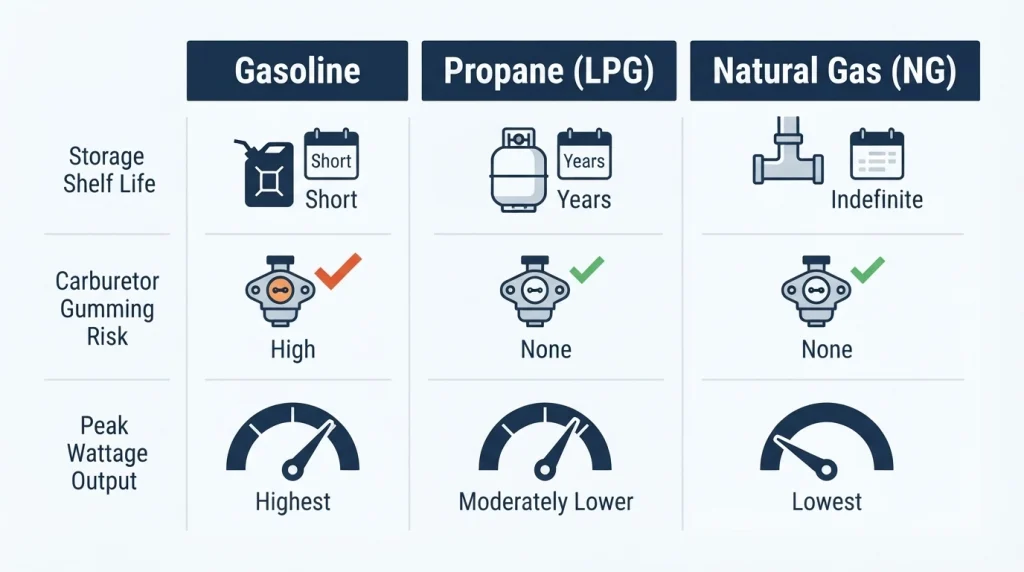
A dual-fuel inverter generator runs on gasoline and propane. A tri-fuel inverter generator adds natural gas as a third option.
Propane has two clear strengths. It stores for years without going stale, and it leaves no carburetor bowl to gum up.
That matters when a unit sits for months between outages. Gasoline is easier to buy, and it usually gives slightly higher watts than propane on the same unit.
Check both fuel ratings on the spec sheet, because the propane figure is often lower. Natural gas suits a home with a fixed gas line.
It can run for a long outage without refuelling, but it needs a proper connection and local code approval. Do not improvise a gas hookup.
When does dual-fuel make sense?
Dual-fuel makes sense when you already store propane for a grill or RV. It also makes sense when you worry about stale gasoline, or when you want a backup fuel if one supply runs out.
It makes less sense for a light camping unit. The propane regulator, hose, and tank add weight and setup time.
What changes when you switch fuels?
Switching fuels usually means turning a selector dial, connecting the propane regulator, and starting on the chosen fuel. Some models need a short purge or a restart to change fuels, so read your manual before an outage.
Runtime changes too. A 20-pound propane tank holds less energy than a full gasoline tank on many mid-size units, so plan your fuel stock by hours, not by tanks.
For a deeper fuel guide, see the dual-fuel portable generator guide. It covers propane storage, wattage on each fuel, and the regulator parts that most buyers overlook.
Safety note: store propane outdoors, never indoors or in a garage, and check hoses and regulators for leaks and damage before each use.
Section takeaway: Dual-fuel and tri-fuel models buy fuel flexibility, and that flexibility is worth the extra setup only if you will use the second or third fuel.
Parallel-Capable and RV-Ready Inverter Generators
A parallel-capable inverter generator has ports that let two compatible units sync their output and share a load. Together, they give roughly double the power of one unit.
That trick solves a common RV problem. One 2,200-watt suitcase unit can run lights, charging, and a small fridge, but it often cannot start a 13,500 BTU RV air conditioner.
Two in parallel usually can, if the combined starting watts cover the compressor surge. Parallel use only works with compatible models and the correct kit.
Mixing brands, mixing sizes, or using a homemade cable is not a safe shortcut. The kit syncs voltage and frequency, and the wrong setup can damage both units.
RV-ready means more than parallel ports. Look for a TT-30 outlet, which is the 30-amp RV plug, plus enough running watts for the air conditioner once it is running.
Two small units have a practical edge over one large unit. You can carry one alone, run one for light loads, and bring the second out only when the air conditioner needs it.
Two small units also have a cost edge to weigh. The parallel kit, a second unit, and extra fuel cans add up, so compare that total with a single larger open-frame inverter.
For sizing help, see the generator size guide for RVs. It walks through RV air conditioner starting watts, which is the number that trips most buyers up.
Section takeaway: Parallel-capable and RV-ready models are the flexible middle path, giving you small-unit portability with large-unit power when you need it.
Solar Generators and Portable Power Stations: Are They Inverter Generators?
A solar generator or portable power station is not a fuel-powered inverter generator, even though shops often group them together. It stores energy in a large lithium battery and makes AC power with an internal inverter.
That difference changes where you can use it. A power station has no engine, no exhaust, and no carbon monoxide risk from fuel.
You can run it indoors, in a tent, or in an apartment, which you must never do with a fuel generator. Runtime is the limit.
A power station runs until its battery is empty, then it needs recharging from a wall outlet, a car, or solar panels. A fuel generator runs as long as you have fuel, so it suits multi-day outages better.
Power stations suit short, quiet loads. They charge phones and laptops, run a CPAP machine overnight, power lights, and run a small fridge for a limited time.
They do not suit a large air conditioner, a well pump, or a full home backup load unless the battery is very large. Solar charging adds a useful trickle, but it is slow.
A 200-watt panel in good sun may take many hours to recharge a mid-size station, so do not plan a solar-only outage kit around one panel. Check the station’s solar input limit and the panel wattage together.
Some buyers pair the two types. They use a power station indoors for overnight CPAP and phone charging, and a fuel inverter generator outdoors during the day for the fridge and larger loads.
Do not confuse a power station with an inverter generator when you shop for THD. Both can offer clean sine wave output, but only a fuel inverter generator needs fuel, oil, and outdoor placement.
The U.S. Department of Energy has general guidance on home energy and backup power that helps frame that choice.
Section takeaway: A solar generator is a battery with an inverter, not a fuel generator, so it wins on quiet indoor use and loses on long, heavy loads.
How Do I Choose the Right Type of Inverter Generator?
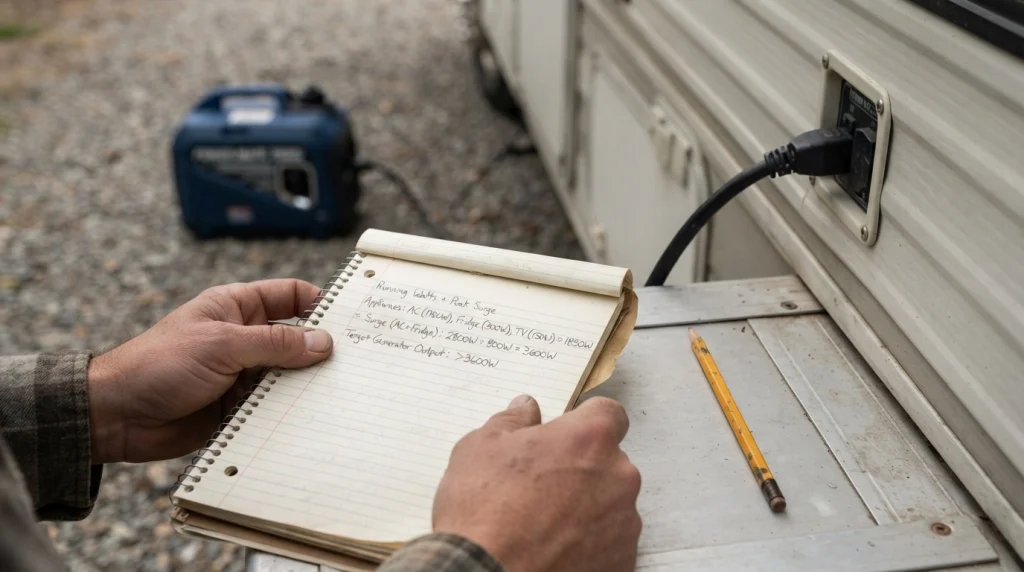
Choose by load first, fuel second, and noise third. That order keeps you from buying a quiet unit that cannot start your largest motor, or a large unit you cannot lift.
Start with a must-run list. Write down each load, its running watts, and its starting watts.
Add the running watts together, then add the largest starting surge once. Here is a worked RV example, different from a home fridge outage.
- Lights and charging: About 100 running watts, with no large surge.
- Small fridge: About 150 running watts, with a short starting surge.
- RV air conditioner: About 1,500 running watts, with a starting surge near 2,800 to 3,000 watts.
- Total at start: About 3,050 to 3,250 watts, which is above one 2,200-watt unit.
The outcome is clear. One suitcase unit will likely trip or stall when the compressor starts.
Two in parallel, or one larger RV-ready inverter, is the honest fix. Turn eco mode off for that air conditioner start.
Eco mode saves fuel at light load, but a low idle can stumble when a large motor needs a fast surge. Many manuals say the same thing, and it is worth following.
Next, check noise, weight, and outlets together. A unit that is quiet on paper may still be loud at full load, so check the noise rating at quarter load and at full load.
Finally, check the clean-power figure. Look for THD under 3 percent for sensitive electronics, and treat “under 5 percent” as a useful rule of thumb, not a guarantee.
For wattage math, the running watts vs starting watts guide shows how those two numbers work together. As of 2026, most quality inverter models follow the same clean-power idea, so brand matters less than the spec sheet for your exact load.
Safety note: never plug a generator into a household outlet to power the house, and never run a fuel generator indoors, in a garage, or in an enclosed shed.
Section takeaway: Size for your largest motor start, then pick the fuel and frame that fit how you will carry, store, and run the unit.
Conclusion
Suitcase, open-frame, dual-fuel, tri-fuel, parallel-capable, and solar power stations all share the inverter idea, but they serve different jobs. The right type is the one that starts your largest load, fits your fuel plan, and stays quiet enough for where you will use it.
Write your must-run list, add the largest surge, and check THD, noise, and outlets before you buy. I am Michael Turner, and that wattage check is still the first one I do before I recommend any portable unit.
If you want quiet, clean power for camping, RV use, or home backup, a portable inverter generator is a solid option to compare. Look for low THD, eco mode, parallel capability where you need it, and CO shutoff, not just the biggest wattage number.
Frequently Asked Questions
What is the best type of inverter generator for camping?
A small suitcase inverter generator is usually best for camping, because it is light, quiet in eco mode, and easy to carry. Choose 1,000 to 2,200 running watts for lights, charging, and small appliances, and check campsite noise rules before you go.
What is the best type of inverter generator for home backup?
A larger open-frame inverter, or two parallel suitcase units, is usually best for home backup. It can cover a fridge, furnace blower, sump pump, and lights together, but you must size it for the largest motor start and use a transfer switch or interlock.
Are dual-fuel inverter generators worth it?
Dual-fuel models are worth it if you store propane or worry about stale gasoline, because propane stores well and avoids carburetor gumming. They are less useful for light camping, where the extra regulator and tank add weight and setup time.
Can I run a solar generator and a fuel inverter generator together?
You can use them side by side for different loads, but do not wire them together as one power source. Use the power station indoors for quiet overnight loads, and the fuel generator outdoors during the day for the fridge and larger loads.
Do I need a parallel kit to run two inverter generators?
Yes, you need the correct parallel kit for your exact models, and both units must be parallel-compatible. The kit syncs voltage and frequency so the two units can share a load safely, and mixing brands or mismatched units is not a safe shortcut.
How far away should I run an inverter generator from my home?
Run it outdoors at least 20 feet from doors, windows, and vents, with exhaust pointed away from the house. Follow CDC guidance on carbon monoxide and CPSC generator safety guidance, and never run a fuel generator indoors or in a garage.
What THD should I look for in an inverter generator?
Look for THD under 3 percent for laptops, phones, CPAP machines, and modern fridges, and check the exact figure on the spec sheet. Conventional generators often run 10 to 25 percent, which is why they are a poorer match for sensitive electronics.

Hi, I’m Michael Turner. I own a generator workshop in the United States and founded HomeGeneratorBlog to share practical, hands-on guidance about generator installation, maintenance, troubleshooting, safety, and backup power solutions. My goal is to help homeowners make smarter, more confident decisions through clear and reliable information