10 Best Generator for Window AC 2026: Cool Rooms in Outages
The best generator for window AC right now is Westinghouse iGen4500, with 4,500 starting watts for larger window units. We compared 10 generators on AC startup power, runtime and fuel efficiency, and noise and ease of use. Most generators look identical on paper but fail at compressor startup, and that gap is what this guide exposes. Whether you need a small bedroom unit, a larger living-room unit, or outage backup, this guide gives you one clear answer.
Quick Comparison: All 10 Products Ranked
| # | Product | Best For | Rating | Badge | |
|---|---|---|---|---|---|
| 1 | Westinghouse iGen4500 Super Quiet Portable Inverter Generator | Most window AC sizes and outage backup | 4.9/5 | Best Overall | Buy → |
| 2 | Champion Power Equipment 4500-Watt Dual Fuel Portable Inverter Generator | Fuel flexibility during longer outages | 4.8/5 | Best Dual Fuel | Buy → |
| 3 | Honda EU2200i Super Quiet Portable Inverter Generator | Small window units and quiet neighbourhoods | 4.7/5 | Best Quiet Premium | Buy → |
| 4 | Predator 3500-Watt Super Quiet Inverter Generator | Mid-size window AC on a budget | 4.7/5 | Best Value | Buy → |
| 5 | Generac iQ3500 Portable Inverter Generator | Longer evening and overnight cooling | 4.6/5 | Best for Long Runtime | Buy → |
| 6 | WEN 56235i Super Quiet 2350-Watt Portable Inverter Generator | Small rooms and easy carrying | 4.6/5 | Best Lightweight | Buy → |
| 7 | Yamaha EF2200iS Portable Inverter Generator | Small AC plus sensitive electronics | 4.5/5 | Best for Sensitive Electronics | Buy → |
| 8 | Westinghouse iGen5000 Super Quiet Portable Inverter Generator | Larger window units and extra loads | 4.5/5 | Best for Larger Window AC | Buy → |
| 9 | Champion Power Equipment 3400-Watt Dual Fuel Portable Inverter Generator | Mid-size AC with propane backup | 4.4/5 | Best Mid-Size Dual Fuel | Buy → |
| 10 | Westinghouse WGen3600v Portable Generator | Budget backup for AC alone | 4.3/5 | Best Budget Conventional | Buy → |
How We Chose These Generators
What we compared
10 portable generators against manufacturer-rated starting watts, running watts, noise, tank size, and light-load runtime, plus typical window AC draws by BTU size.
Our 3 scoring criteria
AC startup power, runtime and fuel efficiency, and noise and ease of use. Scores are editorial estimates from specifications, not laboratory test results.
Limits of this comparison
No hands-on testing is claimed. Always check your AC nameplate for running amps and locked-rotor amps before buying, because older and larger units vary widely.
What we cut — and why
Small power stations with low surge headroom and large whole-home standby units were cut, because this guide is for portable window AC backup.
What to Look for When Buying a Generator for a Window AC
The compressor surge is the decision. Running watts tell you what the AC uses once it is cool; starting watts decide whether it starts at all.
1. Match starting watts, not just running watts
A 5,000 BTU unit may run on about 500 watts but need roughly double that for a moment at startup, and larger units climb fast. Leave headroom above the surge, and turn off other heavy loads for the first seconds. For a wider sizing check, see what size generator you need for a house.
2. Inverter versus conventional
Inverter generators produce cleaner, steadier power for AC controls and for electronics you may run alongside the unit. Conventional generators can offer more watts for less money, but they are louder and less suited to sensitive gear. If quiet operation matters, start with best inverter generators for quiet backup.
3. Runtime and fuel type
Light-load runtime matters more than tank size alone, because an AC cycles on and off. Dual fuel adds propane storage and longer light-load options on some models, but propane output is usually lower, so check both fuel ratings before you rely on propane for a large unit.
4. Noise, weight, outlets, and safe placement
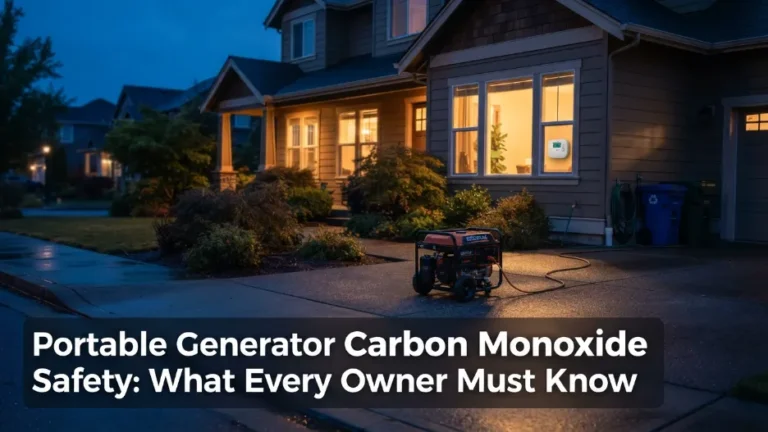
A generator must run outdoors, away from windows, doors, and vents, with exhaust pointed away from the home. That makes wheels, weight, cord length, and a household outlet layout practical factors, not extras. A quieter unit placed correctly is far more useful than a louder unit you cannot run at night.
Westinghouse iGen4500 Super Quiet Portable Inverter Generator — Strongest all-round window AC backup
For a reader who wants one generator that covers a small bedroom unit and a larger living-room unit, this Westinghouse is the safest starting point. Its 4,500 starting watts and 3,700 running watts give a useful margin above the compressor surge on many mid-size window units, while inverter output keeps controls and electronics steadier. Remote start and a long light-load runtime make overnight use more practical, although the unit is heavier than a compact 2,000-watt model and needs outdoor placement with a suitable extension setup. Check the AC label first, because an older unit can need more surge than a newer efficient model of the same BTU size.
- 4,500 starting watts for compressor surge
- 3,700 running watts for larger units
- Remote start plus long light-load runtime
- Heavier than compact inverter models
- Gasoline only, no propane option
4.9/5
4.8/5
4.8/5

Champion Power Equipment 4500-Watt Dual Fuel Portable Inverter Generator — Best choice when fuel choice matters
This Champion suits a reader who wants backup that does not depend on one fuel alone. On gasoline it offers 4,500 starting watts and 3,500 running watts, while propane gives 4,050 starting watts and 3,150 running watts, so a larger window unit still needs careful sizing on propane. Propane also stores well and can extend light-load runtime, but the unit is close to 100 pounds with wheels, and its propane output is lower than its gasoline output. Before buying, match the generator to your AC label, because surge needs vary with age, efficiency, and compressor type for the same BTU size.
- Gasoline or propane operation
- 4,500 starting watts on gasoline
- Up to 21 hours on propane
- Lower running watts on propane
- Near 100 pounds despite wheels
4.8/5
4.7/5
4.6/5

Honda EU2200i Super Quiet Portable Inverter Generator — Quietest small-unit option
This Honda is for a reader with a small window unit who values quiet operation and a compact, easy-to-carry generator above raw wattage. Its 2,200 starting watts and 1,800 running watts suit many 5,000 to 8,000 BTU units, but it is not the right pick for a large window unit plus other heavy loads. Clean inverter output, a 48 to 57 dBA noise range, and a 47.4-pound weight are its main strengths, while its small tank and premium positioning are the clear trade-offs. Check the AC label first, because an older unit can need more surge than a newer efficient model of the same BTU size.
- 48 to 57 dBA noise range
- Only 47.4 pounds to carry
- Clean inverter power for electronics
- Limited for large window units
- Small 0.95-gallon fuel tank
4.2/5
4.6/5
4.9/5

Predator 3500-Watt Super Quiet Inverter Generator — Strong mid-size value pick
This Predator is a practical middle ground for a reader who wants enough surge headroom for a mid-size window unit without paying for a premium brand. Its 3,500 starting watts and 3,000 running watts cover many 8,000 to 10,000 BTU units, and its enclosed design keeps noise at 56 dBA. Electric start is a useful bonus, but availability is tied to one retailer family, the unit weighs about 102 pounds, and it offers gasoline only. Before buying, match the generator to your AC label, because surge needs vary with age, efficiency, and compressor type for the same BTU size.
- 3,500 starting watts, 3,000 running
- 56 dBA enclosed inverter design
- Electric start with recoil backup
- Gasoline only, no dual fuel
- About 102 pounds to move
4.7/5
4.6/5
4.7/5

Generac iQ3500 Portable Inverter Generator — Long runtime, mid-size power
This Generac suits a reader who plans to run a mid-size window unit for a long evening rather than just through a brief outage. Its 3,500 starting watts and 3,000 running watts match many 8,000 to 10,000 BTU units, while a 2.6-gallon tank supports up to 14.1 hours at 25% load. A digital display and electric start help with setup and monitoring, but at about 109 pounds it is a two-person lift for many readers, and it is gasoline only. Check the AC label first, because an older unit can need more surge than a newer efficient model of the same BTU size.
- Up to 14.1 hours at 25% load
- Digital display for load monitoring
- Electric start with recoil backup
- About 109 pounds to lift
- Gasoline only, no propane option
4.7/5
4.8/5
4.5/5

WEN 56235i Super Quiet 2350-Watt Portable Inverter Generator — Lightest small-unit pick
This WEN is for a reader who will carry the generator often and only needs to cool a small room. At 39 pounds it is far easier to move than most models here, and its 2,350 starting watts and 1,900 running watts suit many 5,000 BTU units and some efficient 6,000 BTU units. Noise is rated at 51 dBA and light-load runtime reaches 10.5 hours, but its small tank, recoil-only start, and limited surge headroom rule out larger window units. Before buying, match the generator to your AC label, because surge needs vary with age, efficiency, and compressor type for the same BTU size.
- Only 39 pounds to carry
- 51 dBA quiet operation
- Up to 10.5 hours at 25% load
- Recoil start only
- Limited surge for larger units
4.2/5
4.8/5
4.7/5
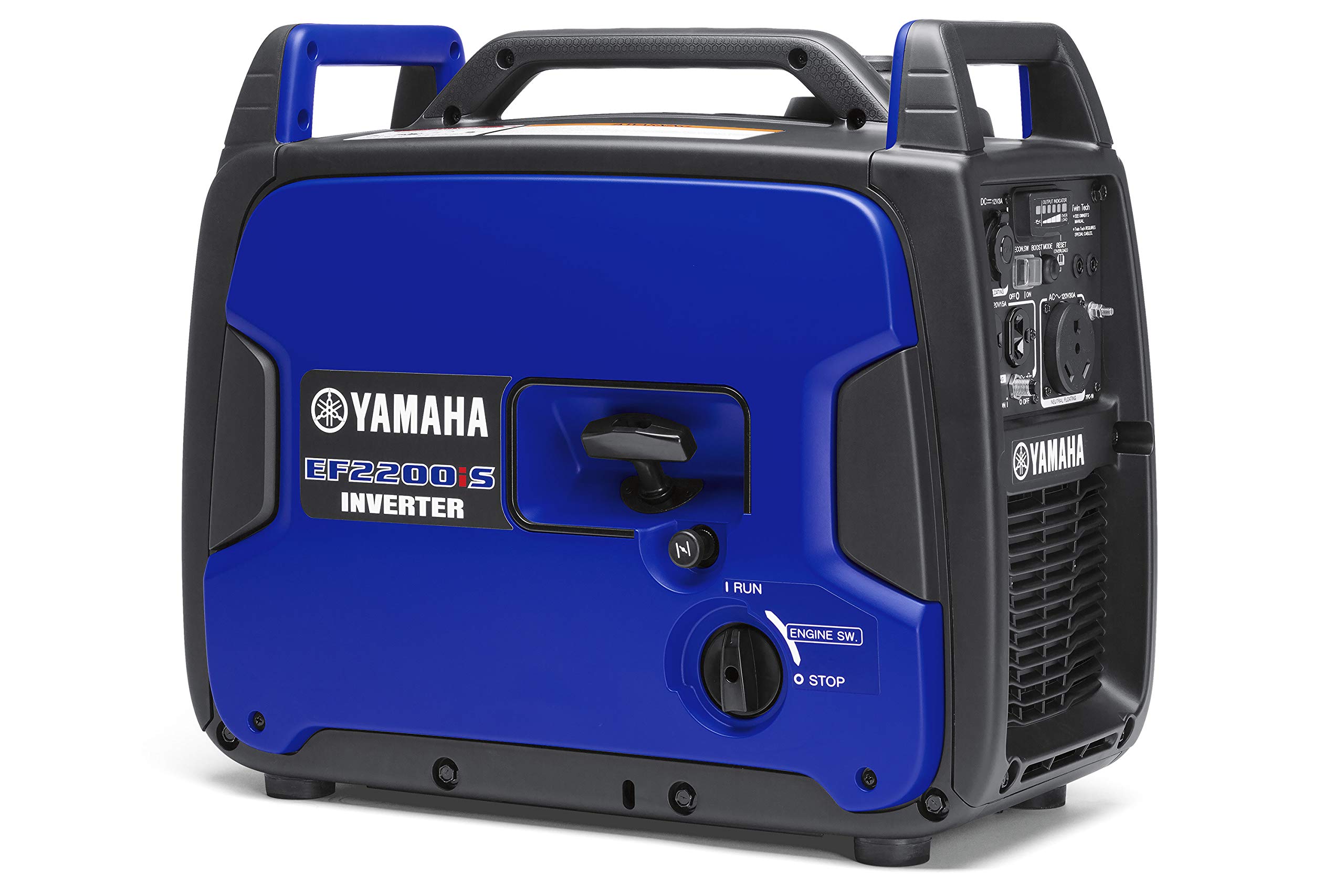
Yamaha EF2200iS Portable Inverter Generator — Clean power, longer small-unit runtime
This Yamaha suits a reader who wants clean inverter power for a small window unit and for phones, laptops, or other sensitive gear at the same time. Its 2,200 starting watts and 1,800 running watts cover many small units, while a 1.24-gallon tank gives up to 10.5 hours at 25% load, longer than the Honda on light load. The trade-offs are a higher full-load noise range of 57 to 65 dBA, recoil-only starting, and about 55 pounds of weight. Check the AC label first, because an older unit can need more surge than a newer efficient model of the same BTU size.
- Clean inverter output under 2.5% THD
- Up to 10.5 hours at 25% load
- Fuel gauge and Smart Throttle
- 57 to 65 dBA at full load
- Recoil start only
4.2/5
4.7/5
4.6/5

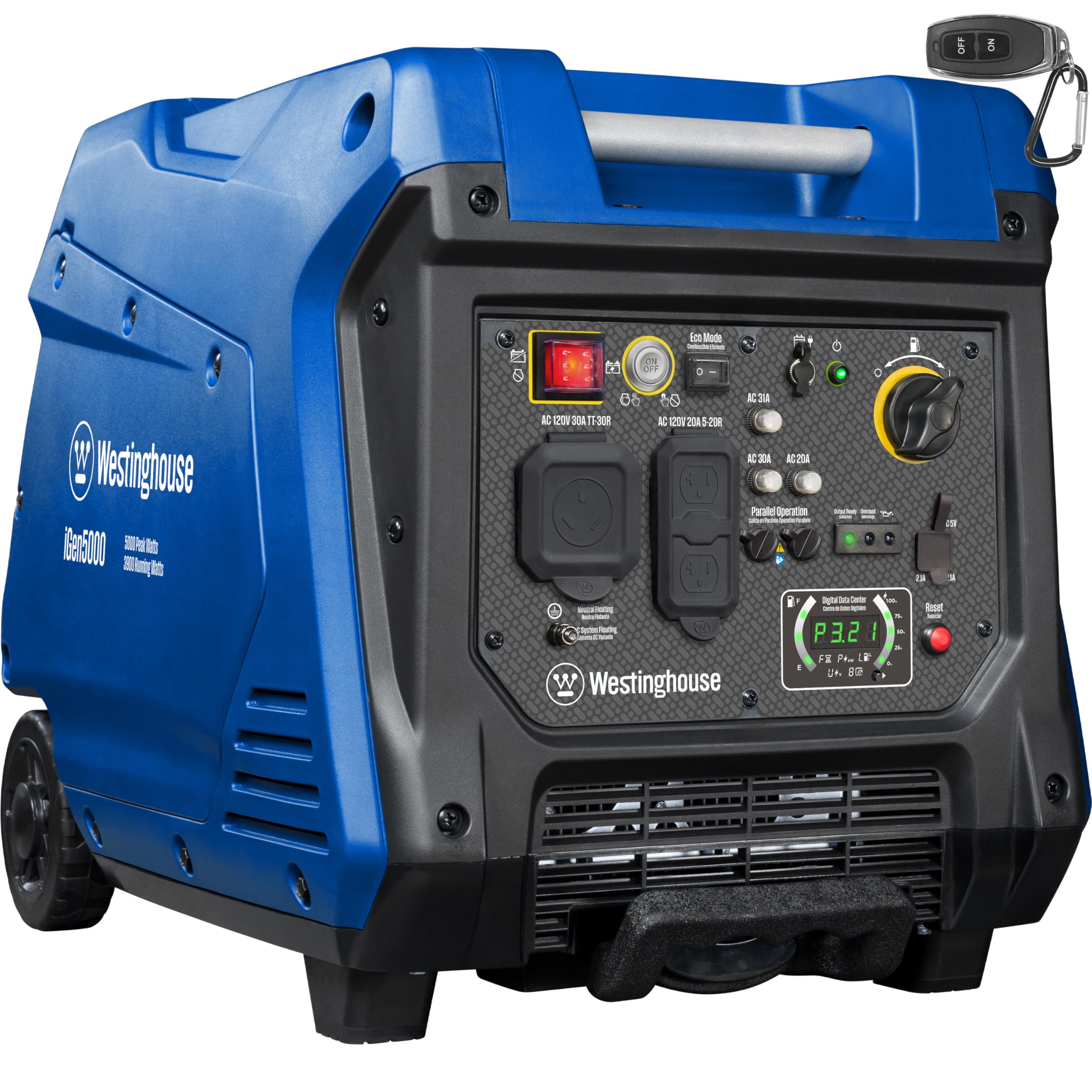
Westinghouse iGen5000 Super Quiet Portable Inverter Generator — Most headroom for large units
This Westinghouse is the pick for a reader with a larger window unit, or a mid-size unit plus a refrigerator and lights that must share the load. Its 5,000 starting watts and 3,900 running watts give the most compressor headroom in this list, and remote start plus a 52 dBA rating keep it practical for home backup. The cost is size and weight: at over 100 pounds it needs wheels and a clear outdoor path, and it is gasoline only in this version. Before buying, match the generator to your AC label, because surge needs vary with age, efficiency, and compressor type for the same BTU size.
- 5,000 starting watts for large units
- 3,900 running watts for extra loads
- Remote start and 52 dBA rating
- Over 100 pounds to position
- Gasoline only in this version
4.9/5
4.5/5
4.4/5

Champion Power Equipment 3400-Watt Dual Fuel Portable Inverter Generator — Compact dual-fuel middle ground
This Champion gives a reader dual-fuel flexibility in a smaller package than the 4,500-watt Champion above. Its 3,400 starting watts and 3,100 running watts on gasoline suit many mid-size window units, and propane extends storage options for outages. Light-load runtime is shorter than the larger dual-fuel model, at 7.5 hours on gasoline, and propane runtime depends on tank size, so fuel planning still matters for overnight use. Check the AC label first, because an older unit can need more surge than a newer efficient model of the same BTU size.
- Dual fuel in mid-size package
- 3,400 starting watts on gasoline
- 59 dBA quiet inverter design
- Shorter gasoline runtime than larger model
- Propane output lower than gasoline
4.6/5
4.4/5
4.5/5

Westinghouse WGen3600v Portable Generator — Budget power, louder and conventional
This Westinghouse is for a reader whose priority is budget wattage for a window unit alone, rather than quiet inverter power for sensitive electronics. Its 4,650 starting watts and 3,600 running watts are strong for the class, and a 4-gallon tank supports up to 14 hours at 25% load. The compromises are clear: it is a conventional generator at 68 dBA, with recoil-only starting and higher harmonic distortion, so it is not the best match for sensitive gear. Before buying, match the generator to your AC label, because surge needs vary with age, efficiency, and compressor type for the same BTU size.
- 4,650 starting watts for budget class
- 3,600 running watts, 4-gallon tank
- Up to 14 hours at 25% load
- 68 dBA, louder than inverters
- Not ideal for sensitive electronics
4.6/5
4.3/5
4.0/5
Top 3 Head-to-Head: Westinghouse iGen4500 vs Champion 4500 Dual Fuel vs Honda EU2200i
These three cover the usual final choice: maximum headroom, fuel flexibility, or quiet small-unit power.
| Feature | #1 Westinghouse iGen4500 | #2 Champion 4500 Dual Fuel | #3 Honda EU2200i |
|---|---|---|---|
| AC Startup Power | 4,500 starting watts — Best | 4,500 starting watts, gasoline | 2,200 starting watts |
| Runtime and Fuel Efficiency | Up to 18 hours at 25% load | Up to 21 hours on propane — Best | Up to 8.1 hours at 25% load |
| Noise and Ease of Use | 52 dBA, remote start | 61 dBA, electric start | 48 to 57 dBA, lightest here — Best |
| Choose if… | You want the widest AC coverage | You want gasoline or propane | Your unit is small and quiet matters |
Who These Generators Are NOT For
These portable models are not a substitute for whole-home backup or for central air conditioning.
They are also a poor fit if you need indoor power, silent operation, or a unit that can run without fuel, ventilation, and outdoor clearance. A battery station may suit lights and phones, but it will not match these generators for sustained AC compressor loads.
Common Mistakes to Avoid
Most window AC generator problems are sizing and placement problems, not brand problems.
Frequently Asked Questions About Generators for Window AC
What size generator do I need for a window AC?
Size by your AC, not by a generic rule. A 5,000 BTU unit may run on about 500 watts, a 10,000 BTU unit on about 1,000 watts, and a 12,000 BTU unit on about 1,200 watts, with higher surge at startup. Check the nameplate for running amps and locked-rotor amps, then choose a generator whose starting watts exceed the surge with headroom for one or two small loads. For related AC sizing, see generator options for RV air conditioners.
Can a 2000-watt generator run a window AC?
Yes, for many small window units, but not for every unit. A 2,000-watt class generator with 2,200 starting watts can suit many 5,000 to 8,000 BTU models, especially efficient newer units. It becomes risky for older, larger, or hard-starting units, and for running a fridge at the same time. If your AC label shows high locked-rotor amps, move to a 3,000 to 3,500 running-watt class instead.
Do I need an inverter generator for a window AC?
An inverter generator is strongly recommended, though a conventional generator can run a basic AC motor. Inverter output is cleaner and steadier, which helps modern AC controls and any electronics sharing the load. Conventional models are louder and can have much higher harmonic distortion, so they are a budget compromise, not an equal substitute, when sensitive gear is also powered.
Can I run a window AC and a refrigerator on the same generator?
Often yes, if you size for both surges and stagger the starts. Add the AC running watts and fridge running watts, then check that the larger startup surge still fits within the generator starting rating. Start the AC first, wait for it to settle, then add the fridge. A 3,500 to 4,500 starting-watt model gives far more room for this combination than a small 2,000-watt model.
How do I stop my generator tripping when the AC compressor starts?
First, reduce other loads and turn off eco mode for the startup, because eco mode can slow the engine response. Use a short, heavy-gauge outdoor extension cord and avoid long, thin cords that drop voltage. If an older unit still trips, a soft-start kit fitted to the AC can reduce the compressor surge, but it must be installed correctly for your model.
Can I run a window AC indoors with a generator?
No. The generator must stay outdoors, away from windows, doors, vents, and occupied spaces, with exhaust pointed away from the home. The AC itself stays in the window, and power reaches it by an outdoor-rated extension cord or a proper inlet setup. Never run a fuel generator in a garage, basement, or enclosed porch, even with a door open.
Is dual fuel better for window AC backup?
Dual fuel is better for fuel planning, not automatically better for AC power. Propane stores longer than gasoline and avoids stale-fuel problems, which helps during long outages. The trade-off is lower output on propane on many models, so a large window unit that starts easily on gasoline may struggle on propane. Check both fuel ratings and size the AC to the weaker fuel if propane is your backup plan.
Our Final Verdict
For most readers, the iGen4500 is the safest balance of surge headroom, running watts, and runtime. Smaller units suit small rooms, dual fuel suits long outages, but the core trade-off is always the same: buy surge headroom first, then runtime.

Hi, I’m Michael Turner. I own a generator workshop in the United States and founded HomeGeneratorBlog to share practical, hands-on guidance about generator installation, maintenance, troubleshooting, safety, and backup power solutions. My goal is to help homeowners make smarter, more confident decisions through clear and reliable information