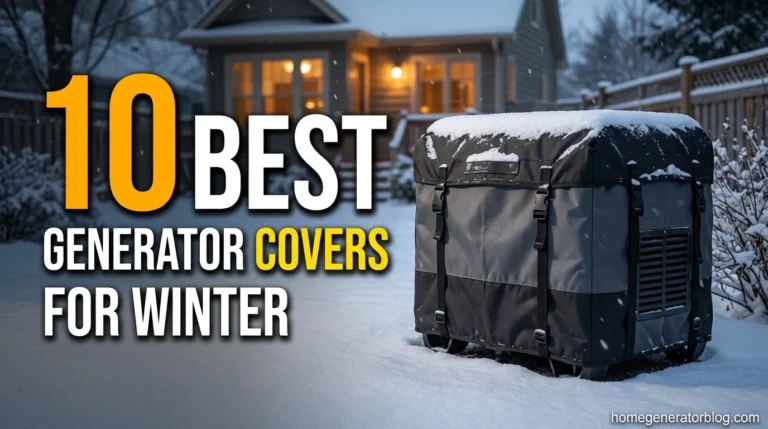
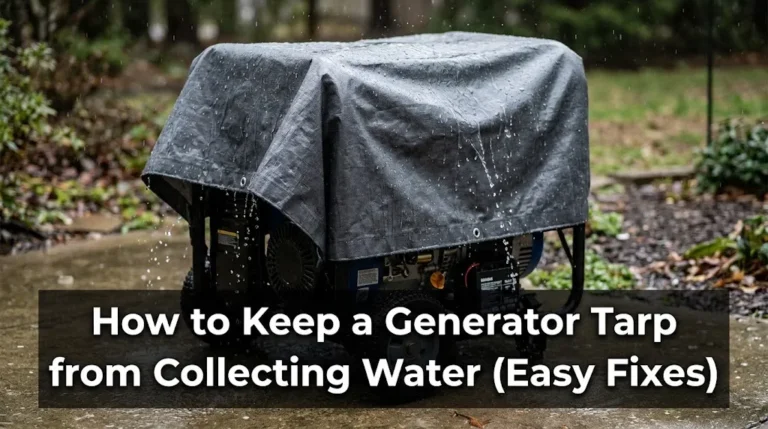
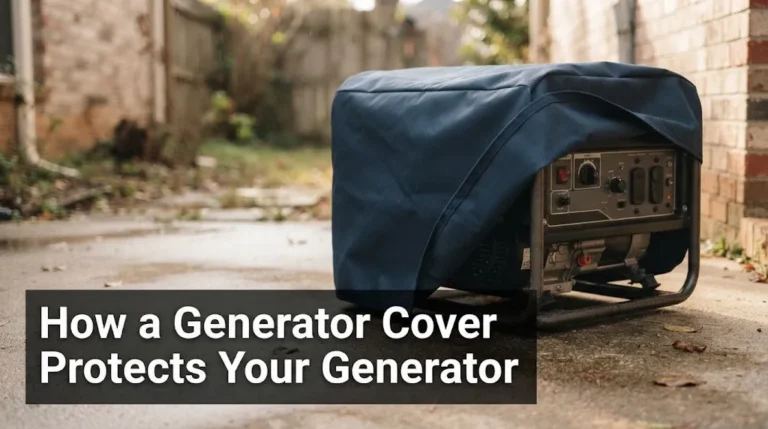
10 Best Generator Covers for Weather Protection 2026: Stay Covered in Rain, Wind, and Snow
The best generator covers for weather protection is GenTent Generator Running Cover – Universal Kit (Standard, Black), a frame cover for running use. We compared 10 covers on Weather Protection, Durability, and Ease of Use. Most covers look identical on paper but fail in wind-driven rain. Whether you need running protection, long-term storage, or a compact inverter cover, this guide gives you one clear answer.
Quick Comparison: All 10 Products Ranked
| # | Product | Best For | Rating | Badge | |
|---|---|---|---|---|---|
| 1 | GenTent Generator Running Cover – Universal Kit (Standard, Black) | Running in rain and wind | 4.9/5 | Best Overall | Buy → |
| 2 | Champion Power Equipment 100603 Storm Shield by GenTent | Inverters in storms | 4.8/5 | Best for Inverters | Buy → |
| 3 | GenArmor Generator Covers While Running | Running enclosures | 4.7/5 | Best Running Enclosure | Buy → |
| 4 | Porch Shield Waterproof Universal Generator Cover 38x28x30 | Large generators | 4.7/5 | Best for Large Generators | Buy → |
| 5 | Zettum Generator Cover 32 Inch | Budget storage | 4.6/5 | Best Budget | Buy → |
| 6 | WLEAFJ Heavy Duty Waterproof Generator Cover | Mid-size generators | 4.6/5 | Best for Mid-Size | Buy → |
| 7 | IGAN Small Inverter Generator Tent Cover While Running | Small inverters | 4.5/5 | Best for Small Inverters | Buy → |
| 8 | Classic Accessories StormPro Generator Cover | Compact storage | 4.5/5 | Best Compact Storage | Buy → |
| 9 | GEHENG Generator Covers While Running With Stand | Value running cover | 4.4/5 | Best Value Running Cover | Buy → |
| 10 | Generac 6811 Storage Cover | OEM fit storage | 4.4/5 | Best OEM Fit | Buy → |
How We Chose These Generator Covers
What we compared
Published design, fit ranges, running versus storage use, material type, ventilation, and fastening for 10 covers. No hands-on testing, lab test, or timed field trial is claimed.
Our 3 scoring criteria
Weather Protection, Durability, and Ease of Use, each scored out of 5. Overall ratings are rounded from those three scores.
Expert consulted
No outside expert was consulted for this specification comparison. Safety points follow the general rule that a running generator needs clear airflow and distance from buildings.
What we cut — and why
Covers with no clear fit range, no weather design, or a running design that appeared to block airflow were excluded, because fit and airflow decide safety and protection.
What to Look for When Buying Generator Covers
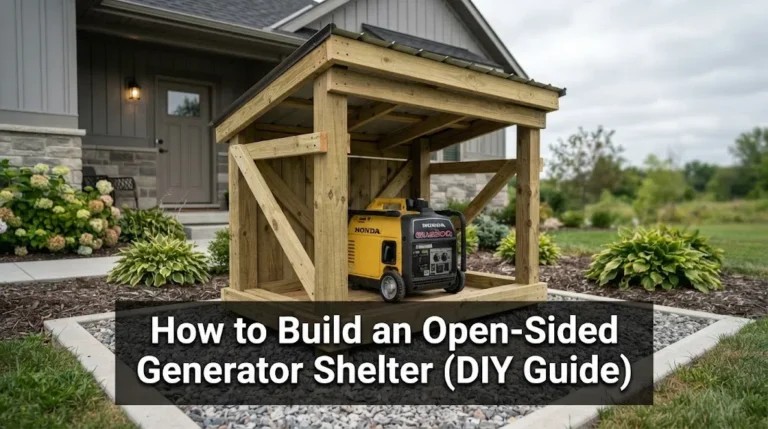
Weather protection fails most often at the edges, the vents, and the fasteners, not in the middle of the fabric. Start with placement and airflow, then match the cover to running or storage use. This guide to protecting a portable generator outdoors explains that placement-first approach in more detail.
1. Fit and Measurement
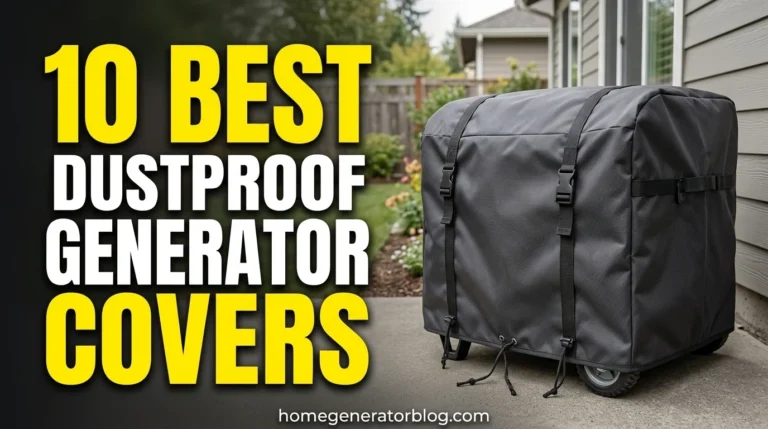
Measure length, width, and height with handles, wheels, and exhaust position included, then compare those numbers with the cover size before you buy. A cover that is too tight will strain seams and pull open in wind, while a very loose cover will flap, collect water, and wear faster. Check the listed fit range, not only the word universal, because universal covers still have limits. Among weatherproof generator cover options, fit range is often the first real difference between similar designs.
2. Running vs Storage Design
A storage cover is made to keep dust and rain off a cool, switched-off generator, and it must never be used as a running cover. A running cover uses a frame, tent, or open structure to keep fabric away from hot parts while letting exhaust and cooling air escape. If you need power during a storm, choose a running design and follow its clearance rules. This guide on covering a running generator safely covers the airflow and clearance points to check first.
3. Material and Weatherproofing
Look for sealed or taped seams, a water-resistant outer layer, and a design that sheds water instead of pooling it on top. Heavy-duty fabric helps with abrasion and snow load, but thickness alone does not stop wind-driven rain entering through gaps. UV resistance matters for covers left outside for months, because sun damage weakens fabric before rain damage shows. For rain-specific setup, see how to protect a generator from rain before a storm arrives.
4. Wind Security and Ventilation
Drawstrings, buckles, and elastic hems keep a cover in place, but they must be easy to tighten without covering vents or controls. Ventilation matters in storage too, because trapped moisture causes condensation under a sealed cover. Choose a design with vents or breathable panels where the maker places them, and never block the exhaust side. In very harsh conditions, the trade-offs in extreme weather generator cover designs show why wind security and airflow must be balanced together.

GenTent Generator Running Cover – Universal Kit (Standard, Black) — Best for storm running
For a homeowner who needs power during a storm, this frame cover solves the main running-cover problem: keeping rain off without wrapping fabric around a hot machine. Its frame holds the cover away from the generator, so cooling air and exhaust can move while the top and sides shield wind-driven rain. That design makes it useful for outage use, not only for storage, although it needs a careful first fitting to sit correctly. It is best for portable generators that must run outdoors, and less suited to anyone who wants a simple slip-on storage cover.
- Frame keeps fabric off hot surfaces
- Designed for use while running
- Shields rain, snow, and wind
- Needs careful fitting before first use
- Not a simple storage-only cover
| Type | Running frame cover |
| Fit | Universal portable generators |
| Material | Weather-resistant fabric |
| Ventilation | Open frame airflow |
| Fastening | Frame mounts and straps |
4.9/5
4.9/5
4.8/5

Champion Power Equipment 100603 Storm Shield by GenTent — Best for inverter storms
For an inverter owner who needs storm power without a large frame system, this Storm Shield version offers a more compact running-cover approach. It keeps rain off the inverter while leaving space for airflow, which matters because inverters are often placed close to a home during an outage. Its smaller footprint helps on patios and driveways, although it will not suit very large open-frame generators. It is best for compatible Champion inverters and similar compact models, and less suited to oversized portable generators.
- Compact running cover for inverters
- Storm protection without large frame
- Keeps airflow space around unit
- Not suited to large open-frame models
- Check inverter compatibility before buying
| Type | Running storm shield |
| Fit | Compatible inverters |
| Material | Weather-resistant fabric |
| Ventilation | Open running design |
| Use | Running in storms |
4.8/5
4.8/5
4.9/5

GenArmor Generator Covers While Running — Best running enclosure pick
For a reader who wants a tent-style enclosure rather than a frame-only cover, GenArmor offers a more enclosed running solution. It shields the generator from rain and wind on more sides, which helps when storms change direction during an outage. The enclosure still needs correct placement and airflow clearance, so it is not a set-and-forget cover. It is best for portable generators that run outdoors in changeable weather, and less suited to tight spaces where clearance cannot be maintained.
- Enclosed protection from changing wind
- Designed for use while running
- Shields rain on multiple sides
- Needs clearance space around generator
- Not ideal for very tight spaces
| Type | Running enclosure cover |
| Fit | Portable generators |
| Material | Weather-resistant fabric |
| Ventilation | Designed running airflow |
| Use | Running in bad weather |
4.7/5
4.8/5
4.6/5

Porch Shield Waterproof Universal Generator Cover 38x28x30 — Best for large units
For a large portable generator that spends long periods outside, this universal storage cover gives simple, full-coverage protection. Its stated 38x28x30 size helps owners of bigger units avoid a cover that pulls tight at the corners, which is a common cause of seam failure. It is a storage cover, so it must be removed before the generator runs, and it needs its straps tightened in wind. It is best for large generators in storage, and less suited to anyone who needs covered running power.
- Large 38x28x30 storage size
- Simple full-coverage storage design
- Waterproof fabric for outdoor storage
- Storage only, not for running
- Straps need tightening in wind
| Type | Storage cover |
| Size | 38x28x30 inches |
| Material | Waterproof fabric |
| Fit | Large universal generators |
| Fastening | Straps and drawstring |
4.8/5
4.7/5
4.6/5

Zettum Generator Cover 32 Inch — Best budget storage pick
For a reader who wants basic weather protection without a running-cover system, this 32-inch storage cover is the simplest value choice. It covers a compatible generator for rain, dust, and sun between uses, and it is easy to fit and remove. Its limits are clear: it is not made for running, and it will not replace a frame cover in a storm. It is best for smaller generators kept outside in mild to moderate weather, and less suited to large units or outage running.
- Simple budget storage design
- Easy to fit and remove
- Protects against rain and dust
- Storage only, not for running
- Limited to compatible smaller sizes
| Type | Storage cover |
| Size | 32 inch |
| Material | Water-resistant fabric |
| Fit | Compatible smaller generators |
| Use | Outdoor storage |
4.6/5
4.6/5
4.7/5

WLEAFJ Heavy Duty Waterproof Generator Cover — Best mid-size pick
For a mid-size generator that sits outside between storms, this heavy-duty waterproof cover offers stronger fabric than a basic storage cover. It is designed to resist rain and wear, which helps when a generator is stored under a porch or carport edge rather than indoors. It remains a storage cover, so it must come off before running, and fit still matters more than fabric weight. It is best for mid-size units in regular outdoor storage, and less suited to running use or very large generators.
- Heavy-duty waterproof storage fabric
- Good for regular outdoor storage
- Resists rain and surface wear
- Storage only, not for running
- Fit matters more than fabric weight
| Type | Heavy-duty storage cover |
| Fit | Mid-size generators |
| Material | Heavy-duty waterproof fabric |
| Ventilation | Storage ventilation as designed |
| Use | Outdoor storage |
4.6/5
4.7/5
4.5/5

IGAN Small Inverter Generator Tent Cover While Running — Best small inverter pick
For a small inverter that powers essentials during a short outage, this tent cover gives a compact running solution that is easier to place than a large frame. It shields the inverter from rain while keeping the tent structure away from the unit, which helps airflow. Its small size is also its limit: it will not fit larger portable generators, and setup still needs clearance. It is best for small inverters used outdoors in rain, and less suited to large or open-frame generators.
- Compact tent for small inverters
- Designed for use while running
- Easy to place in small spaces
- Not for large portable generators
- Still needs airflow clearance
| Type | Running tent cover |
| Fit | Small inverters |
| Material | Weather-resistant fabric |
| Ventilation | Tent airflow design |
| Use | Running in rain |
4.5/5
4.5/5
4.6/5

Classic Accessories StormPro Generator Cover — Best compact storage pick
For a compact generator stored in a garage corner, shed, or covered porch, this StormPro cover gives a neat storage option without excess fabric. It protects against dust, rain splash, and sun when the generator is not in use, and its compact fit makes it easy to handle. It is not a running cover, so it must be removed before use, and it will not fit oversized units. It is best for compact generators in regular storage, and less suited to running power or large open-frame models.
- Neat compact storage fit
- Easy to handle and remove
- Protects dust and rain splash
- Storage only, not for running
- Not for oversized generators
| Type | Storage cover |
| Fit | Compact generators |
| Material | Weather-resistant fabric |
| Use | Garage, shed, porch storage |
| Fastening | Elastic hem and straps |
4.5/5
4.6/5
4.4/5

GEHENG Generator Covers While Running With Stand — Best value running pick
For a reader who wants running protection at a lower cost than a full frame system, this stand-based cover offers a practical middle ground. Its stand helps keep the cover off the generator while shielding rain, which is the key safety point for any running cover. It still needs careful setup and clearance, and it may not match the storm performance of the top frame covers. It is best for occasional running use in rain, and less suited to severe storms or very large generators.
- Stand keeps cover off unit
- Designed for use while running
- Practical value running option
- Needs careful setup and clearance
- Not for severe storm use
| Type | Running cover with stand |
| Fit | Portable generators |
| Material | Weather-resistant fabric |
| Ventilation | Stand-supported airflow |
| Use | Running in rain |
4.4/5
4.4/5
4.5/5

Generac 6811 Storage Cover — Best OEM fit pick
For a Generac owner who wants a cover made for a specific model, this 6811 storage cover removes much of the guesswork around fit. It is designed to cover the generator neatly for storage, which helps with dust, rain, and sun between uses. It is still a storage cover, so it must be removed before running, and it is not a universal running solution. It is best for compatible Generac models in storage, and less suited to other brands or to running use.
- Model-specific Generac fit
- Neat storage coverage
- Protects dust, rain, and sun
- Storage only, not for running
- Not a universal cover
| Type | OEM storage cover |
| Fit | Compatible Generac models |
| Material | Weather-resistant fabric |
| Use | Outdoor storage |
| Model | Generac 6811 |
4.4/5
4.5/5
4.3/5
Top 3 Head-to-Head: GenTent vs Champion Storm Shield vs GenArmor
These three are the common final choices for running weather protection, but they solve the problem in different ways: frame, compact shield, and enclosure.
| Feature | #1 GenTent | #2 Champion | #3 GenArmor |
|---|---|---|---|
| Weather Protection | 4.9/5 — Best | 4.8/5 | 4.7/5 |
| Durability | 4.9/5 — Best | 4.8/5 | 4.8/5 |
| Ease of Use | 4.8/5 | 4.9/5 — Best | 4.6/5 |
| Choose if… | You run a portable generator in storms | You run a compatible inverter | You want an enclosed running cover |
Who These Generator Covers Are NOT For
A weather cover is not a shelter, a garage, or a substitute for safe placement.
They are also not for running a generator indoors, in a garage, or close to windows and doors, even with a cover on. Carbon monoxide risk does not disappear because rain is kept off.
Common Mistakes to Avoid
Most cover failures come from setup, not fabric.
Frequently Asked Questions About Generator Covers
Can you run a generator with a cover on?
Yes, but only with a cover designed for running, such as a frame, tent, or stand cover that keeps fabric away from hot parts and leaves airflow clear. A normal storage cover must be removed before starting the generator, because it can trap heat, melt, or block exhaust. Always follow the cover maker clearance rules and keep the generator outdoors, away from buildings.
Can a generator get wet in the rain?
A generator should not be left unprotected in heavy rain, because water can damage electrical parts and controls. A running cover shields rain while the generator works, and a storage cover protects it when it is off. Even with a cover, place the generator on a raised, dry surface where water does not pool, and never run it indoors or in a garage.
How do I measure a generator for a cover?
Measure the longest length, widest width, and tallest height, including wheels, handles, and any fixed frame parts. Compare all three numbers with the cover size range, not only the headline length. If your generator falls between sizes, choose the size that gives clearance without excess loose fabric, and check whether the maker lists your model as compatible.
What material is best for a generator cover?
The best material depends on use, but for outdoor storage it should be water-resistant, UV-resistant, and strong enough to resist tearing in wind. Sealed seams matter as much as fabric weight, because rain enters through stitching and gaps. For running covers, the structure matters more than thickness: a frame or tent that holds fabric away from heat is safer than a thick, close-fitting cover.
Can I leave a generator outside with a cover on?
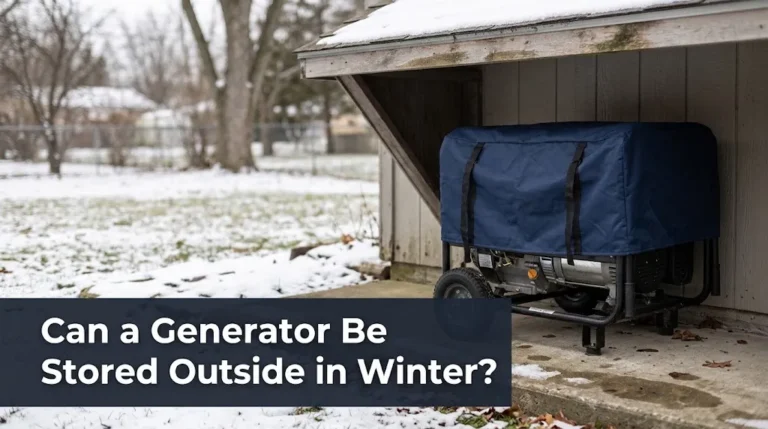
Yes, for storage, if the cover fits well, is fastened against wind, and the generator sits on a dry, raised surface. Check under the cover after rain for trapped moisture, and inspect straps and seams after storms. For long-term outdoor storage, a shelter or covered area gives better protection than a cover alone, especially in snow, hail, or very high winds.
Do generator covers need ventilation?
Yes, ventilation matters for both running and storage covers. Running covers need open airflow for cooling and exhaust, while storage covers need vents or breathable design to reduce condensation and mildew. Never seal a cover tightly around a running generator, and never block its exhaust side. If a storage cover traps moisture, lift it regularly and let the generator dry before covering it again.
Our Final Verdict
Weather protection is mainly a fit and airflow decision, not a fabric claim. Running covers suit outage use, storage covers suit long idle periods, and a loose universal cover suits neither well. Start with your generator size and whether it must run covered, then choose the cover that matches that job.

Hi, I’m Michael Turner. I own a generator workshop in the United States and founded HomeGeneratorBlog to share practical, hands-on guidance about generator installation, maintenance, troubleshooting, safety, and backup power solutions. My goal is to help homeowners make smarter, more confident decisions through clear and reliable information