Efurden 2500 Watt Portable Generator Review: Power & Pros
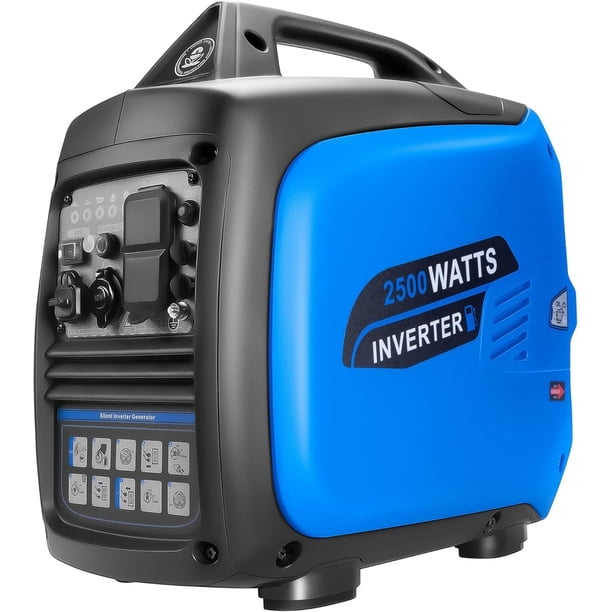
The Efurden 2500 watt portable generator is a gasoline-powered inverter generator rated for 2,500 starting watts and 1,800 running watts. It is designed to supply portable electricity for camping, outdoor activities, and a limited selection of household essentials during outages.
This compact model targets buyers who prioritize manageable weight, electronic-device charging, and basic backup capability over whole-house power. This Efurden 2500 watt portable generator review examines its published specifications, practical limitations, safety features, and competing choices without claiming hands-on testing.
🏆 My Quick Verdict
💡 Best For: Campers and occasional backup users powering modest loads individually or in carefully planned combinations.
⚡ Key Specs:
2,500 starting watts; 1,800 running watts; 1.1-gallon gasoline tank; advertised CO shutoff and ECO mode.
✅ Bottom Line: This Efurden offers a useful combination of portable output and convenience features. The modest continuous wattage, limited documented support information, and uncertainty around listing details deserve attention before purchase.
At a Glance
- Its 1,800-watt continuous rating matters more than the larger 2,500-watt headline.
- The published 1.1-gallon tank suits occasional use rather than unlimited backup.
- ECO mode adjusts engine speed when electrical demand is lower.
- A built-in carbon monoxide shutdown system is advertised.
- Two AC outlets and additional charging ports improve everyday versatility.
- Parallel capability is advertised, but kit compatibility requires confirmation.
Efurden 2500W Specifications
| Specification | Published Detail |
|---|---|
| Generator type | Gasoline inverter generator |
| Starting / running output | 2,500W / 1,800W |
| Fuel tank | 1.1 US gallons |
| Advertised runtime | Up to 9 hours at 25% load on one US listing |
| Advertised noise | 58 dB at 23 feet on one US listing |
| Outlets | Two 120V AC, one USB, one USB-C, one 12V DC |
| Safety feature | Advertised carbon monoxide auto-shutdown |
| Additional capability | ECO mode; advertised parallel readiness |
Design & Build Quality
The Efurden uses an enclosed, suitcase-style design with an integrated carrying handle. This configuration is better suited to moving between storage and a campsite than an exposed, heavy-duty jobsite frame.
Retail listings place its weight at roughly 40 pounds, a manageable lift for many adults but not effortless for everyone. Think about stairs, vehicle cargo height, and the distance from your safe outdoor operating position.
- A compact case makes storage planning simpler than a full-size wheeled generator.
- Access to oil service points and ventilation openings remains important during ownership.
- Published dimensions vary between listings, so measure against the seller’s current specification sheet.
There is insufficient independent evidence here to rate long-term plastic durability, handle strength, or internal component quality. Those remain sensible checks during the return period rather than assumptions.
Setup, Installation & Ease of Use
- Inspect the carton and generator for shipping damage before adding fluids.
- Identify the supplied tools and compare the contents against the included manual.
- Add the specified engine oil before the first start, following the manual’s fill procedure.
- Use fresh gasoline approved for this engine and avoid overfilling the tank.
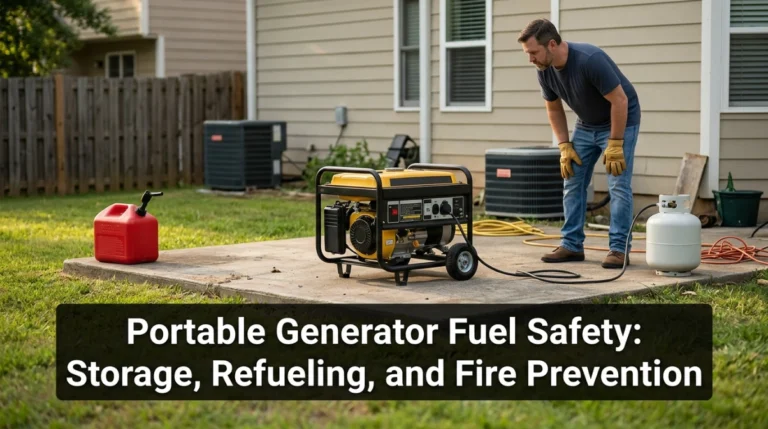
- Place the generator outdoors at least 20 feet from openings, with exhaust facing away.
- Keep the unit level and protect its electrical outlets from rain and standing water.
- Start without connected appliances, then attach loads individually after stable operation.
- Use properly rated, outdoor-approved cords and keep them clear of heat.
- Cool the engine completely before refueling, transporting, or covering it.
- For extended storage, follow the manual’s fuel stabilization and maintenance directions.
Core Performance & Feature Breakdown
The decisive performance figure is 1,800 running watts. This is the electrical output available for sustained operation, while the 2,500-watt starting rating accommodates brief surge demand.
A laptop, lights, communications equipment, and some small appliances can fit within that capacity. Refrigerators, pumps, heaters, and power tools require individual nameplate checks because startup demand or continuous draw may exceed the available output.
- Load planning: Add simultaneous running watts and allow for the largest motor-starting surge.
- Headroom: Avoid treating the full rated capacity as a permanent operating target.
- Startup behavior: Switch on motor-driven equipment separately to reduce simultaneous surge demand.
For a deeper sizing method, read our inverter generator sizing guide. A load list is more useful than choosing a generator by its model name alone.
The seller advertises nine hours at a quarter load on a 1.1-gallon tank. A different regional listing mentions ten hours, so buyers should regard both as low-load marketing estimates rather than guaranteed runtime.
Expert Insight
A generator rated at 1,800 running watts cannot deliver 2,500 watts continuously; verify appliance starting loads and leave capacity for unexpected surges.
The advertised 58 dB noise measurement is tied to a stated 23-foot distance. Actual loudness changes with load, positioning, surroundings, and whether ECO mode is engaged.
Key Features Explained
ECO Mode
ECO mode adjusts engine speed when demand falls, potentially reducing fuel consumption and noise. For sudden high-startup loads, consult the operating manual about when to disengage the mode.
Carbon Monoxide Shutdown
The advertised CO sensor can stop the engine when the system detects hazardous conditions near the unit. It is a backup safeguard, never permission to operate indoors or near open windows.
Multiple Charging Connections
Two 120V receptacles and USB, USB-C, and 12V DC connections give users more ways to power suitable devices. Check each port’s individual rating before charging high-demand equipment.
Parallel Capability
Parallel readiness potentially allows more combined output when connected to a compatible inverter generator. The correct pairing, cable kit, and resulting usable wattage must be confirmed with Efurden first.
Real-World Usability & Maintenance
Ownership involves more than pulling the starter cord. Periodic oil changes, air-filter inspection, fuel management, and proper storage directly affect dependable operation.
Run the generator outdoors and keep working carbon monoxide alarms inside the home. Never connect it to building wiring without an electrician-installed transfer device that meets applicable rules.
Before relying on it for an emergency, test your own approved load combination under safe conditions. Record which devices start successfully, and inspect the extension cords for overheating or damage.
Pros & Cons
Pros
- The inverter format suits appropriately rated electronic devices.
- Approximately 40-pound weight makes occasional transportation feasible.
- Separate USB and AC connections increase charging flexibility.
- Advertised CO protection adds a useful secondary safety layer.
Cons
- The 1,800-watt running limit restricts simultaneous appliance use.
- Runtime and dimensions vary across current retailer descriptions.
- Warranty terms and parallel-kit compatibility need confirmation before ordering.
Common Issues & Fixes
- Generator starts but an appliance trips the output: Disconnect loads and check combined running and startup requirements before resetting protection.
- Engine stops unexpectedly: Check fuel and oil levels, review CO-shutdown indicators, and correct unsafe placement before attempting a restart.
- Runtime seems shorter than advertised: Measure the actual load and remember that quoted runtime assumes only quarter-load operation.
What to Know Before You Buy
The product’s 2,500-watt headline is a surge number, not its continuous output. A buyer expecting to power a space heater, refrigerator, and kitchen appliance simultaneously could be disappointed.
Also verify the exact socket configuration shown for the seller’s current variant. An advertised RV use case does not automatically mean a dedicated 30-amp RV receptacle is included.
- Check your appliance labels, including motor startup requirements.
- Confirm the current seller’s return policy and written warranty coverage.
- Ask whether compatible parallel kits and replacement parts are actually available.
- Confirm the exact model designation, documentation, and dimensions supplied.
For connecting compatible units safely, see our parallel generator kit guide. If backup power is your main priority, compare the total required wattage before deciding that this size is sufficient.
Who Should Buy It / Who Should Skip It
✅ Who Should Buy It
- Campers needing several small electrical conveniences.
- Households preparing selective backup for essentials.
- Buyers comfortable with routine gasoline-engine maintenance.
✗ Who Should Skip It
- Households expecting full-home outage coverage.
- Users needing high-startup motor loads or 240V equipment.
- Buyers who require confirmed nationwide service infrastructure.
Alternatives to Consider
WEN 56235i 2350W Inverter Generator
Best For: Buyers prioritizing fuel-system storage convenience.
Main Advantage: Fuel shutoff helps clear the carburetor before storage.
Trade-off: Its starting-watt rating is below Efurden’s advertised peak.
Key Spec: 2,350 surge / 1,900 running watts.
Champion 201317 2500W Inverter Generator
Best For: Buyers prioritizing manufacturer support details.
Main Advantage: Champion advertises a three-year limited warranty and CO Shield.
Trade-off: It provides only slightly more continuous output than Efurden.
Key Spec: 2,500 starting / 1,850 running watts.
Is It Worth It?
The Efurden could represent sensible value if its current selling price meaningfully undercuts established alternatives. Compare total ownership costs, not just the advertised percentage discount.
Those costs include engine oil, fuel, suitable outdoor extension cords, and any optional parallel hardware. A clearer warranty or better local parts availability may justify paying more for another brand.
Final Verdict
The Efurden 2500W is worth considering for carefully planned camping power and light backup duties, provided your sustained load stays below its 1,800-watt rating. Confirm the exact listing, warranty, and accessory support before committing; buyers with larger loads should choose a higher-capacity model.
Frequently Asked Questions
Can the Efurden 2500W run a refrigerator?
Possibly, if its running and starting requirements fit the generator. Check the refrigerator’s actual wattage data and keep other loads disconnected during startup if necessary.
Can it power an RV air conditioner?
Do not assume it can. Many RV air conditioners exceed this generator’s starting capacity, and compatibility depends on the exact unit and any approved soft-start system.
How large is the Efurden 2500 watt generator?
It is a compact, roughly 40-pound portable model. Seller-published dimensions differ, so verify the current product sheet before choosing a storage compartment.
What warranty comes with this generator?
Confirmed warranty terms were not consistently available from primary product listings. Request written coverage, exclusions, and service instructions from the seller before purchasing.
What maintenance does the generator need?
Routine oil, filter, fuel, and spark-plug care are essential. Follow the exact schedule in the supplied manual, and never service a running or hot engine.
Can two Efurden 2500W generators work in parallel?
Parallel capability is advertised, but compatibility must be checked. Use only manufacturer-approved pairings and connecting equipment, never improvised cables.
Affiliate disclosure: HomeGeneratorBlog earns a small commission when you purchase through links on this page — at no extra cost to you. Our editorial process is independent: affiliate relationships never influence which products we recommend or how we rank them.

Hi, I’m Michael Turner. I own a generator workshop in the United States and founded HomeGeneratorBlog to share practical, hands-on guidance about generator installation, maintenance, troubleshooting, safety, and backup power solutions. My goal is to help homeowners make smarter, more confident decisions through clear and reliable information