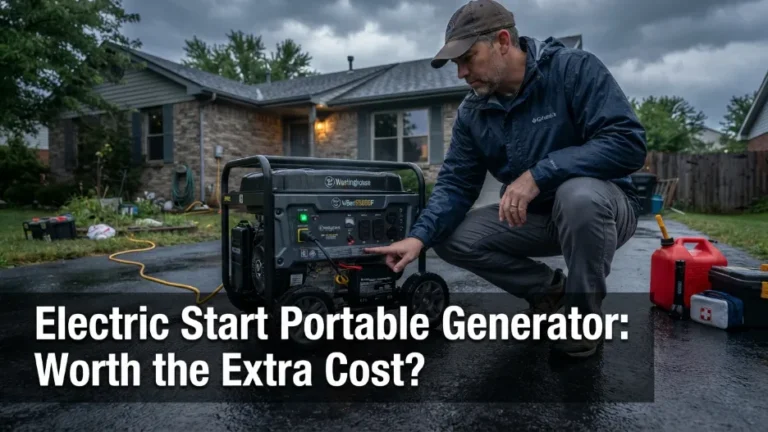
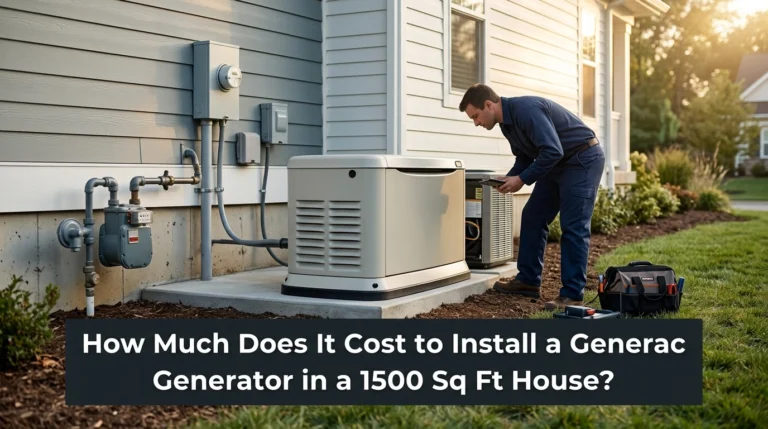
Can You Hook Up a Generator to Your House Without a Transfer Switch?
Quick Answer
Yes, you can use a generator without a transfer switch by plugging individual appliances directly into it with properly rated extension cords. You can also power household circuits through a professionally installed, approved panel interlock system where local codes permit. However, connecting a generator directly to home wiring without approved isolation equipment is dangerous. A portable generator transfer switch is another safe option for powering permanent household circuits.
Your Safe Connection Options
- Extension cords: Power individual plug-in appliances without connecting to household wiring.
- Panel interlock: Use an approved, panel-compatible interlock professionally installed with a suitable generator inlet.
- Transfer switch: Safely supply selected household circuits through professionally installed equipment.
- Never backfeed: Do not connect a generator to a dryer outlet or ordinary wall receptacle.
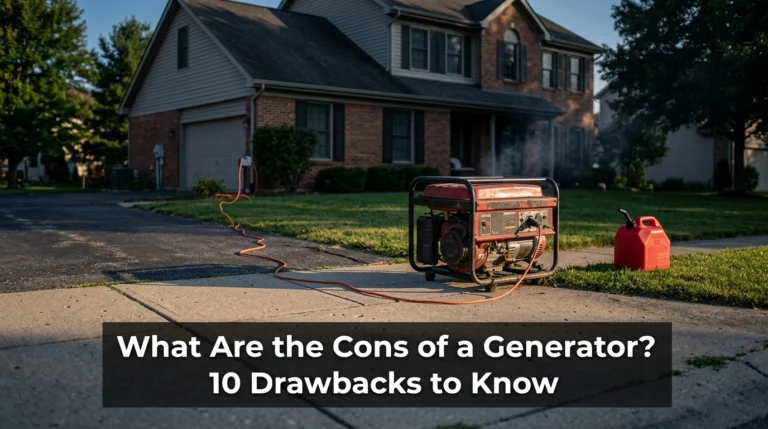
- Outdoor operation: Keep fuel-powered generators outside, at least 20 feet from the home, with exhaust directed away.
My Recommendation
- For a few appliances: Choose correctly sized, outdoor-rated extension cords.
- For built-in home circuits: Have an electrician install approved transfer or interlock equipment.
A portable generator can keep essential equipment running during a power outage, but connecting it incorrectly can create serious electrical hazards. I’ll explain which methods actually work, what equipment you need, and why some popular shortcuts should never be attempted.
Can You Connect a Generator Without a Transfer Switch?
Yes, but the answer depends on whether you’re powering individual appliances or your home’s electrical circuits. These are two different electrical arrangements.
If you’re connecting a refrigerator directly to a generator receptacle, you aren’t energizing the building’s wiring. Supplying a home’s breaker panel requires approved equipment that isolates generator power from utility power.
The key distinction: A generator can operate appliances without a transfer switch, but it cannot safely backfeed household wiring through an ordinary outlet.
What Does a Transfer Switch Actually Do?
A transfer switch is electrical equipment that changes a circuit’s power source between utility electricity and generator electricity. It prevents both sources from being connected to the same loads simultaneously.
That separation protects utility workers, the homeowner, and connected electrical equipment. It also creates a predictable process for restoring power after an outage.
- Utility mode: Household circuits receive electricity from the utility.
- Generator mode: Selected circuits receive electricity from the generator.
- Electrical isolation: Proper transfer equipment prevents dangerous connections between the two sources.
What Are the Safe Ways to Power Your House Without a Transfer Switch?
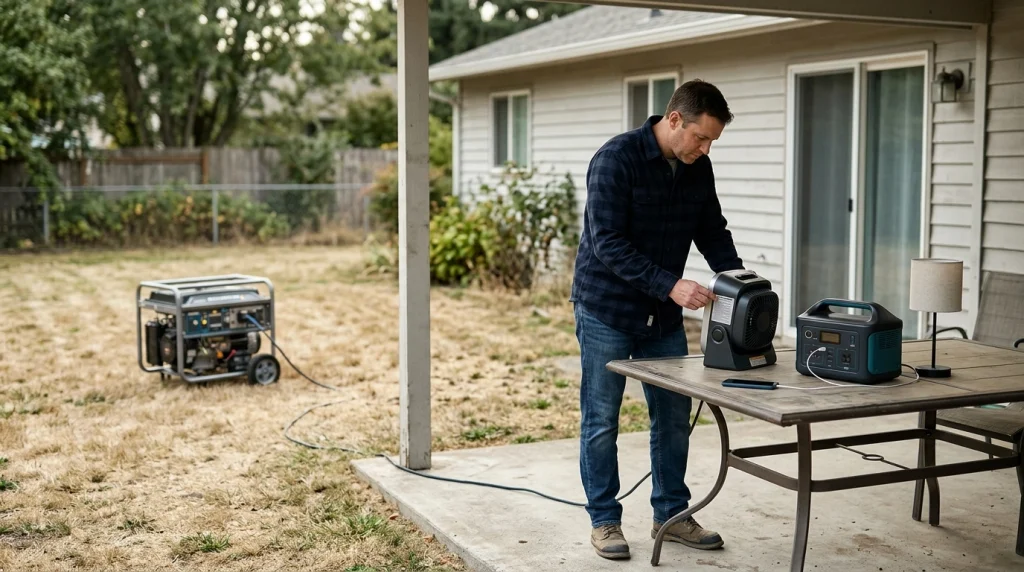
There are two practical approaches worth considering: direct appliance connections and approved panel interlocks. Their installation requirements and limitations differ considerably.
1. Use Heavy-Duty Extension Cords for Individual Appliances
Direct generator-to-appliance connections are generally the simplest option when you don’t have permanent transfer equipment. They work for many essential devices that use standard plugs.
The OSHA generator safety guidance recommends plugging appliances directly into generator receptacles with intact, grounded, appropriately rated cords.
Here’s a practical setup checklist:
- Identify essential appliances: Prioritize refrigeration, lighting, communications, and other necessary loads.
- Check appliance ratings: Read the wattage or amperage labels and account for motor-starting demands.
- Select suitable cords: Use grounded, outdoor-rated cords compatible with the generator outlet and connected load.
- Position the generator safely: Operate it outdoors, well away from the home and its openings.
- Connect appliances directly: Follow the generator’s instructions and remain within each receptacle’s capacity.
- Manage electrical loads: Disconnect unnecessary equipment before the generator becomes overloaded.
I prefer this approach when someone needs temporary power for only two or three plug-in appliances. It avoids modifying a breaker panel while keeping the electrical arrangement straightforward.
However, choosing the correct cord matters. My generator extension cord guide explains wire gauge, length, outlet compatibility, and voltage drop.
Important: Never run a generator indoors just to shorten an extension cord. Generator placement takes priority over convenience.
2. Use an Approved Generator Interlock Kit
A generator interlock is a mechanical safety device fitted to a compatible electrical panel. It prevents the utility main breaker and generator supply breaker from being switched on simultaneously.
Unlike a separate transfer switch, an approved interlock arrangement can allow generator power to supply circuits through the existing breaker panel. Your generator’s capacity still limits which loads can operate together.
An appropriate installation normally involves:
- A panel-specific interlock approved for the exact electrical panel.
- A properly sized generator breaker and compatible power inlet.
- Correctly selected conductors and generator connection equipment.
- Professional evaluation of grounding and neutral-bonding requirements.
- Required permits, inspection, and utility approval where applicable.
The CDC’s 2025 NIOSH disaster-safety publication identifies properly installed panel interlocks and transfer switches as controls against generator backfeeding. However, not every panel supports an acceptable interlock arrangement.
I would have a qualified electrician verify the panel model and local requirements before buying a kit. A generic piece of metal attached to a breaker panel is not an acceptable substitute for approved equipment.
3. Use a Portable Power Station for Small Loads
A battery-powered portable power station offers another way to run small plug-in devices without a transfer switch. Because it doesn’t burn fuel, it also avoids engine-exhaust carbon monoxide hazards.
Its useful runtime depends on battery capacity, inverter output, and appliance consumption. Larger refrigerators or heating equipment can drain small units surprisingly quickly.
- Good applications: Phones, routers, laptops, lamps, and compatible small appliances.
- Main limitation: Available energy decreases as connected equipment consumes electricity.
- Safety boundary: Do not connect a power station to household wiring unless its manufacturer supports an approved installation method.
Generator Connection Methods Compared
The best option depends on the equipment you need to power. Here’s how the main approaches compare.
| Method | Best For | Main Requirement |
|---|---|---|
| Extension cords | Plug-in appliances | Rated, grounded cords |
| Panel interlock | Existing home circuits | Approved professional installation |
| Transfer switch | Selected home circuits | Professional installation |
| Battery power station | Small plug-in loads | Adequate battery capacity |
| Outlet backfeeding | Never use | Dangerous and unacceptable |
My practical choice: Use extension cords for a few portable appliances and professional transfer or interlock equipment for permanent household circuits. Neither approach increases the generator’s available wattage.
Why Is Backfeeding a Generator Into Your House Dangerous?
Backfeeding occurs when generator electricity flows backward through wiring toward the electrical supply instead of following its intended path. An improper connection can energize utility lines that workers believe are disconnected.
That electricity may travel through distribution transformers and create deadly shock hazards. It can also damage equipment, cause fires, or expose household occupants to energized conductors.
The U.S. Consumer Product Safety Commission provides generator-related safety information, including electrical and carbon monoxide hazards.
Can You Plug a Generator Into a Dryer Outlet?
No. A dryer receptacle is designed to supply power to equipment, not accept electricity from a portable generator.
Connecting a generator through that receptacle bypasses proper source-isolation equipment. Switching off the main breaker manually does not provide the dependable mechanical protection of an approved interlock or transfer system.
Never attempt these shortcuts:
- Connecting a generator to a dryer or range outlet.
- Using a male-to-male extension cord with exposed energized prongs.
- Installing an ordinary receptacle as an improvised generator inlet.
- Assuming that switching off the main breaker makes an unapproved connection safe.
- Modifying generator plugs or bypassing grounding connections.
These aren’t harmless workarounds during emergencies. For additional precautions, see my generator electrical safety guide.
How Much Power Can You Run Without a Transfer Switch?
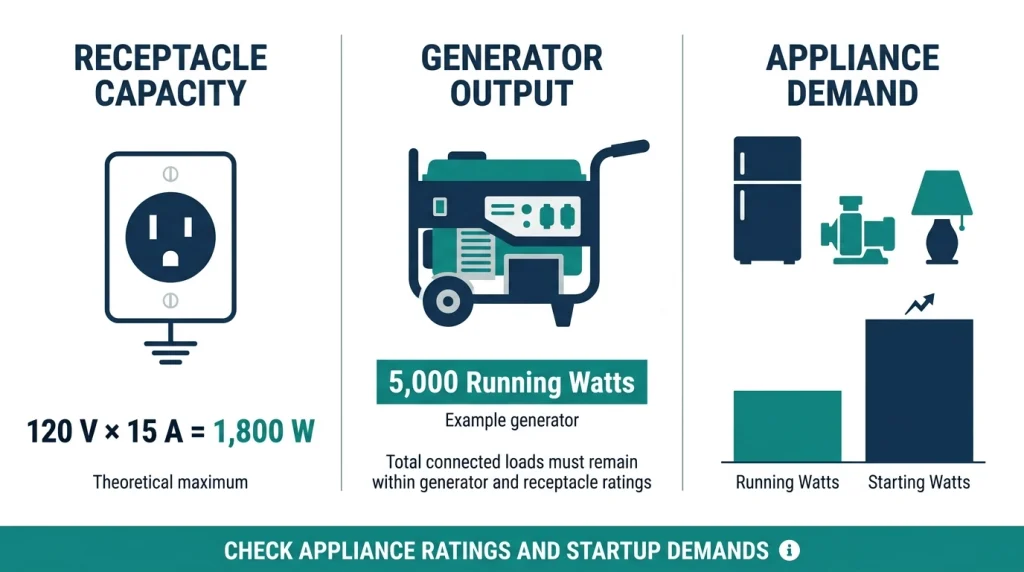
The connection method doesn’t determine a generator’s actual output. Available power depends on the generator’s continuous wattage rating, receptacle limits, connected appliances, and startup demands.
For example, a 120-volt, 15-amp receptacle has a theoretical capacity of 1,800 watts. That figure doesn’t mean the generator can deliver 1,800 watts from every receptacle simultaneously.
Running Watts vs Starting Watts
Running watts measure power consumed during normal operation. Starting watts describe the higher demand some electrical motors create when starting.
A refrigerator, freezer, air compressor, or water pump may briefly require substantially more power than its running rating. Always use appliance labels or manufacturer specifications when planning loads.
For a hypothetical 5,000-running-watt generator, I would begin with essential equipment rather than attempting to power everything. My planning checklist would include:
- Refrigerator and freezer running requirements.
- Motor startup demand for refrigeration or pumps.
- Lighting and communications equipment.
- Required medical equipment and its backup-power specifications.
- Generator output under the fuel and operating conditions being used.
Leave reasonable capacity for startup surges and avoid switching on several motor-driven appliances together. Check the generator’s manual for continuous and peak output ratings.
Can You Run a Furnace or Well Pump Without a Transfer Switch?
A permanently wired furnace or well pump generally cannot be powered through an ordinary extension cord. These appliances typically require an appropriately designed connection to the home’s electrical system.
An approved transfer switch or compatible interlock arrangement can make those circuits available during an outage. The electrician must verify voltage, breaker configuration, startup current, and the generator’s capabilities.
Do not disconnect hardwired appliances or improvise plugs merely to avoid installing suitable transfer equipment. An incorrect connection can defeat grounding, overcurrent protection, or other essential safeguards.
Where Should You Place a Generator While Powering Your House?
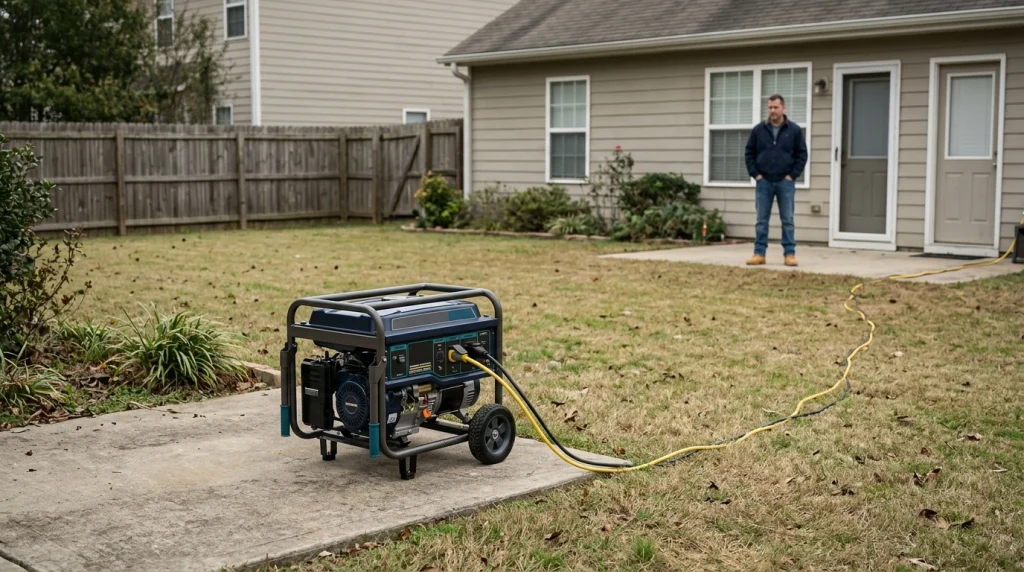
Electrical connections are only one part of generator safety. A fuel-powered generator also produces carbon monoxide, an invisible, odorless gas that can cause fatal poisoning.
The CDC’s carbon monoxide guidance advises operating generators outdoors, more than 20 feet from windows, doors, and vents. It also recommends battery-powered or battery-backup CO detectors.
Follow this safety checklist:
- Stay outdoors: Never operate a generator in a garage, basement, shed, or enclosed porch.
- Keep your distance: Maintain at least 20 feet from the home and openings, and increase the distance when possible.
- Direct exhaust away: Keep fumes away from your home and neighboring buildings.
- Use a stable surface: Choose dry, level ground away from standing water.
- Protect against CO: Install working carbon monoxide alarms throughout the home, including near sleeping areas.
- Refuel safely: Shut down the generator and let it cool before adding fuel.
I recommend choosing the generator’s outdoor operating location before purchasing extension cords or planning an inlet. The safest position is not necessarily the position closest to your electrical panel.
My guide on safe portable generator placement covers distance, airflow, weather protection, and exhaust direction in more detail.
What Are the Biggest Mistakes When Connecting a Generator?
Most connection problems begin with shortcuts, overloaded circuits, or incompatible equipment. These mistakes are especially tempting during a long power outage.
- Improvised backfeeding: Feeding generator electricity into an ordinary household receptacle.
- Undersized cords: Using extension cords that cannot safely carry the connected load.
- Overloaded generators: Ignoring motor startup demands and receptacle limits.
- Wrong interlock hardware: Installing equipment that isn’t approved for the specific breaker panel.
- Improper grounding: Assuming all generator connection arrangements require identical neutral and grounding configurations.
- Unsafe generator placement: Operating too close to a home, garage, window, or air intake.
- Skipped inspections: Using permanently connected equipment before required testing and approval.
As of 2026, the basic safety principle remains unchanged: generator power must never be allowed to energize utility wiring unintentionally. Choose approved equipment and follow applicable electrical codes.
Do You Need an Electrician to Connect a Generator?
You generally don’t need an electrician just to plug a compatible appliance into a properly rated generator extension cord. Permanent electrical-panel connections are a different matter.
Have a qualified electrician handle transfer switches, panel interlocks, permanent inlets, and related wiring. These installations require electrical knowledge beyond matching plug shapes.
An electrician should evaluate:
- Existing electrical-panel compatibility and condition.
- Generator voltage, amperage, and available receptacles.
- Neutral bonding, grounding, and GFCI compatibility.
- Correct breaker, conductor, inlet, and connector ratings.
- Applicable local electrical codes and permit requirements.
- Proper source isolation, equipment labeling, and operational testing.
I would also ask the electrician to demonstrate the completed system’s approved operating procedure. That gives everyone in the household a clear reference before an actual outage.
Generator Connection Products Worth Considering
If you’re planning a safe backup-power setup, these two products serve very different needs. Confirm electrical compatibility and your intended loads before buying either one.
🔌 Best for Plug-In Appliances
Southwire 2588SW0002 50-Foot Extension Cord
★★★★☆ 4/5 Editorial Fit
This 12/3 SJTW outdoor-rated cord supports up to 15 amps at 125 volts and includes a lighted connector. I’d consider it for compatible 120-volt plug-in appliances when a 50-foot run is appropriate. Check the complete load and connector ratings before use.
⚡ Best for Hardwired Circuits
Generac HomeLink 6852 Manual Transfer Switch
★★★★☆ 4/5 Editorial Fit
This 30-amp manual transfer switch provides eight circuits initially, expandable to ten, for compatible generator systems. I like it as an alternative to improvised connections when essential hardwired circuits need backup power. Professional installation and compatibility verification are required.
Editorial fit scores reflect suitability for the stated use case, not customer ratings or hands-on product test results. Product selection should be based on your generator, electrical system, and installation requirements.
Frequently Asked Questions
Can I hook up a generator without a transfer switch legally?
Using a generator to power individual appliances through appropriate extension cords is generally permitted when operated safely. Supplying permanent household wiring requires approved electrical equipment and compliance with applicable local codes. A properly installed panel interlock may be an accepted alternative to a separate transfer switch in some jurisdictions.
Can I plug a generator directly into my house outlet?
No. Plugging a generator into an ordinary household outlet can backfeed electricity through home wiring and potentially into utility lines. This creates serious electrocution and fire hazards. Use generator receptacles for compatible individual appliances or professionally installed, approved transfer equipment for household circuits.
Is a generator interlock as safe as a transfer switch?
A properly selected, approved, and installed generator interlock can provide the required source isolation where local authorities permit it. However, installation quality, panel compatibility, operating instructions, and load management remain important. A transfer switch and interlock are different designs, so a qualified electrician should determine which suits your system.
Can a 5,000-watt generator power a house?
A 5,000-running-watt generator can support selected essential household loads when their combined running and startup demands stay within its limits. It usually cannot operate every large appliance simultaneously. A transfer switch or approved interlock can distribute the available power, but neither increases the generator’s actual output.
What happens if utility power returns while my generator is running?
Properly installed transfer or interlock equipment prevents generator power from being connected to utility power simultaneously. Without suitable isolation, an improper connection can create dangerous electrical conditions. Follow your installed system’s approved operating instructions when changing power sources, and never improvise breaker operations.
Final Takeaway: What’s the Safest Option?
You can use a portable generator without a transfer switch when you’re powering individual plug-in appliances through correctly rated extension cords. A professionally installed, approved panel interlock may also provide a code-compliant alternative for supplying household circuits.
What you should never do is connect a generator directly to a household outlet or rely on an improvised backfeeding arrangement. That shortcut puts your household and utility workers at risk.
My recommendation is to start with your essential loads, confirm your generator’s actual capacity, and choose an approved connection method. If your goal includes hardwired appliances or breaker-panel circuits, speak with a qualified electrician before purchasing installation hardware.

Hi, I’m Michael Turner. I own a generator workshop in the United States and founded HomeGeneratorBlog to share practical, hands-on guidance about generator installation, maintenance, troubleshooting, safety, and backup power solutions. My goal is to help homeowners make smarter, more confident decisions through clear and reliable information