Can a Generator Be Left Outside If Covered? Safety Guide
Quick Answer
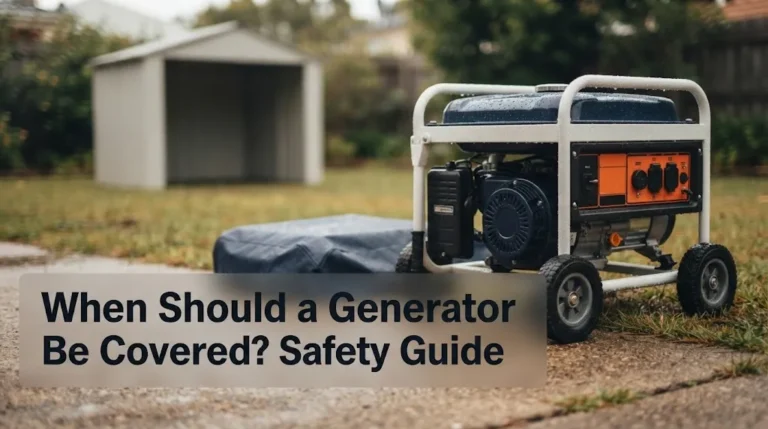
No, standard portable generators should never be left outside unprotected or covered with a standard tarp while running or stored permanently outdoors. While specialized running tents can protect a generator from light rain during active use, long-term outdoor exposure to humidity, condensation, and temperature shifts causes internal rust, electrical failure, and severe safety hazards.
Understanding the Risks of Outdoor Generator Storage
When severe weather strikes and power outages occur, portable generators become essential tools. Because these units are noisy and emit dangerous exhaust gases, homeowners naturally look to place them outdoors. However, leaving a portable generator outside indefinitely introduces significant environmental and mechanical risks.
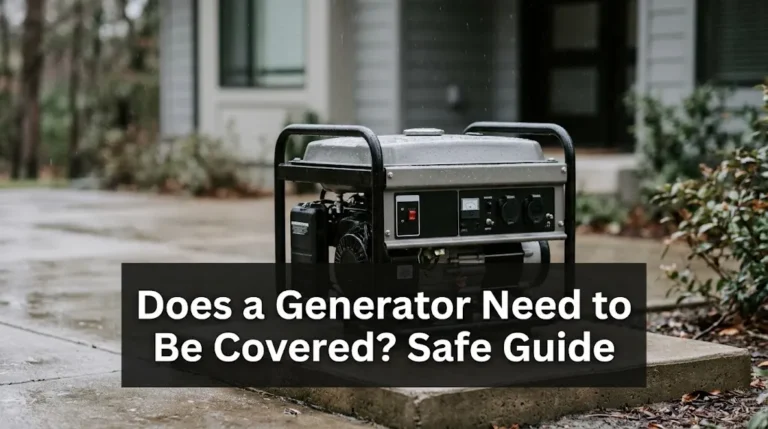
Unlike permanent standby generators that are engineered, housed, and weatherproofed for permanent outdoor installation, portable generators have exposed frames, standard electrical outlets, and air intake vents that are vulnerable to moisture. Even when fitted with a generic fabric cover, outdoor elements can easily degrade the unit over time.
Warning
Never run a portable generator under a standard plastic tarp or inside an enclosed space like a garage, shed, or tightly sealed porch. Trapped exhaust creates lethal carbon monoxide buildup, while improper plastic covers trap condensation that leads directly to electrical shorts.
Can You Run a Generator Outside Under a Cover?
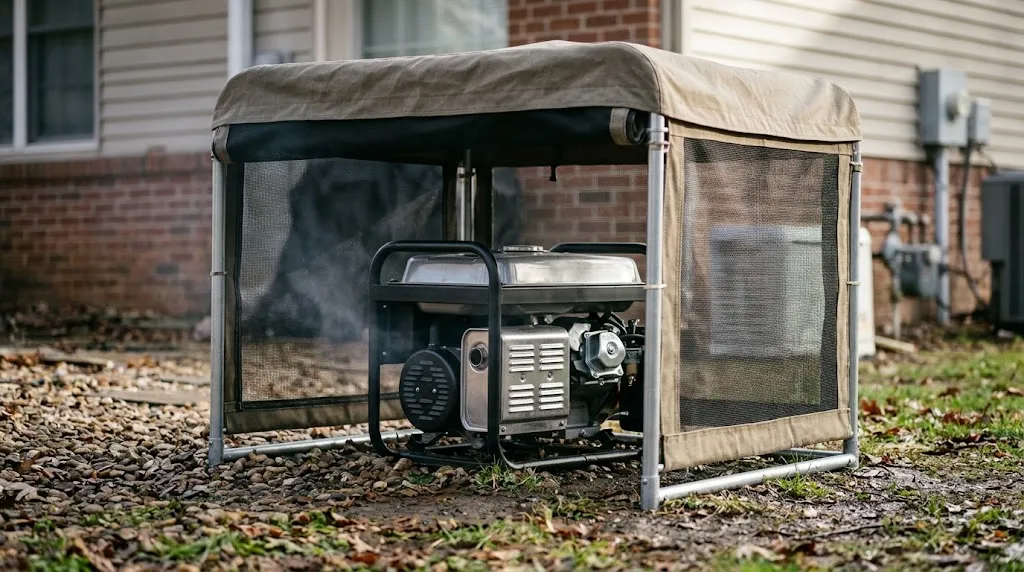
Operating a generator in the rain requires careful balance. You need to keep moisture away from the electrical control panel and outlets, but you also need completely unobstructed airflow for the engine to breathe and exhaust fumes to escape.
Using a standard canvas or plastic cover directly over a running generator is dangerous because it restricts airflow, causing the engine to overheat. Overheating can damage the inverter or alternator, melt plastic components, and create a serious fire hazard.
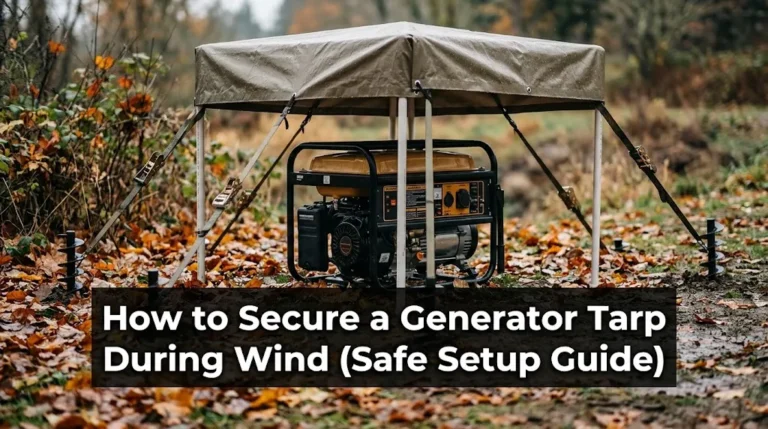
If you must operate a generator during wet weather, you should use a certified generator running tent or a specially engineered canopy shelter. These structures feature open or mesh sides that allow air to circulate freely while deflecting rain and snow away from the sensitive electrical components.
What Happens When a Generator Is Left Outside Long-Term?
Leaving a portable generator sitting outside permanently—even underneath a heavy-duty storage cover—leads to gradual deterioration. Environmental factors interact with the machine in several destructive ways:
- Humidity and Condensation: Daily temperature swings cause moisture to condense inside the alternator windings and engine block, leading to internal rust.
- Electrical Degradation: Moisture entering standard outlet receptacles causes corrosion on the contact points, increasing the risk of arcing or circuit failure.
- Fuel Contamination: Outdoor temperature fluctuations can draw moisture into the fuel tank or carburetor, degrading gasoline and clogging fuel lines.
- Cosmetic and Structural Rust: Rain and morning dew attack the exposed steel frame, wheels, and muffler, weakening the unit’s structural integrity.
Key Insight
A storage cover protects your generator from dust and light debris when parked in a shed, but it cannot stop ambient humidity from causing internal corrosion if the unit is left exposed to the outdoor elements permanently.
Best Practices for Outdoor Generator Placement and Protection
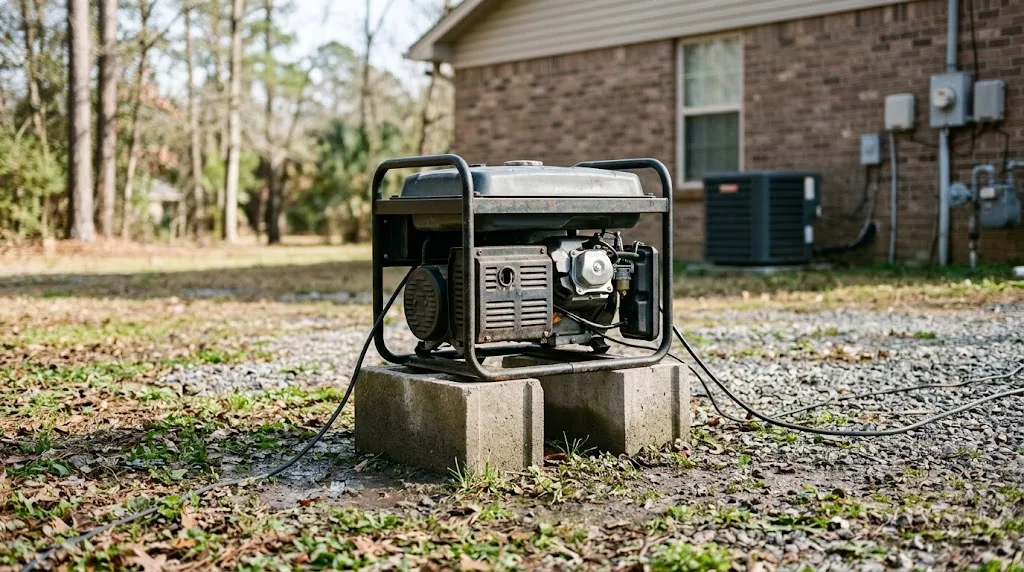
To maximize the lifespan of your portable generator while ensuring safe operation during an outage, proper placement and maintenance procedures are essential.
First, maintain a safe distance from your home. Position the unit at least 15 to 20 feet away from doors, windows, and intake vents to eliminate the risk of carbon monoxide poisoning. Point the exhaust muffler away from any living areas.
Second, place the generator on a flat, elevated, and dry surface, such as concrete blocks or a dedicated generator pad, to prevent pooling water from reaching the base of the unit.
Finally, always allow the engine to cool down completely before putting any storage cover over it. Trapping heat against a hot engine block damages the protective coating of the cover and creates a fire hazard.
Related Product
Generator Tent and Running Covers
A weather-resistant running cover shields your portable generator from rain and snow while maintaining safe ventilation during emergency operation.
As an Amazon Associate, we earn from qualifying purchases.
Frequently Asked Questions
Can a portable generator be left outside in the rain?
No, standard portable generators should never be run directly in rain, snow, or wet conditions due to the severe risk of electrocution and permanent electrical damage. To operate a generator outdoors safely during inclement weather, you must use a specialized generator tent, running cover, or a permanent shelter that allows proper ventilation while shielding the unit from moisture.
What kind of cover is safe to use while a generator is running?
You should only use a specially designed generator tent or weatherproof running cover made of fire-retardant material. These shelters feature open sides or mesh flaps that allow exhaust gases to dissipate and cool air to circulate while keeping rain away from the electrical outlets and control panel. Never throw a standard plastic tarp over a running generator, as it traps heat and moisture.
Can I leave my generator outside permanently if it is covered?
Leaving a portable generator outside permanently—even with a weather cover—is generally discouraged. Constant exposure to humidity, extreme temperature shifts, wind, and condensation can cause internal corrosion, rust on the frame and fuel tank, and degradation of electrical components. If you need a permanent outdoor power source, a standby generator engineered for permanent outdoor installation is the appropriate choice.
How does moisture damage an outdoor generator?
Moisture can infiltrate the generator’s alternator windings, control panel, and electrical receptacles. When water enters these components, it creates short circuits, rusts metal parts, and can ruin the alternator. Furthermore, damp fuel or a contaminated carburetor can prevent the engine from starting when you need it most.
What is the safest distance to keep a generator from my house?
A portable generator should always be operated outdoors at least 15 to 20 feet away from your home, with the exhaust pointing away from all doors, windows, and vents. This prevents carbon monoxide—a colorless, odorless, and deadly gas—from accumulating inside your living spaces.
How should I store a portable generator outside between uses?
When the generator is turned off and completely cooled down, you can use a heavy-duty, weather-resistant storage cover to protect it from dust and occasional moisture while parked outdoors or in an open-sided shed. However, for long-term off-season storage, it should be kept in a dry garage or outbuilding after draining the fuel system or adding a fuel stabilizer.
Conclusion
Leaving a portable generator outside unprotected or covered improperly invites mechanical failure and safety hazards. While specialized running tents make it possible to use a generator during wet weather safely, long-term outdoor storage should be avoided to prevent rust, electrical damage, and fuel contamination. Always store your portable unit in a dry, covered area between uses, and follow proper placement guidelines whenever you bring it out for emergency power.

Hi, I’m Michael Turner. I own a generator workshop in the United States and founded HomeGeneratorBlog to share practical, hands-on guidance about generator installation, maintenance, troubleshooting, safety, and backup power solutions. My goal is to help homeowners make smarter, more confident decisions through clear and reliable information