How to Protect an Outdoor Portable Generator from Moisture
Quick Answer
To protect an outdoor portable generator from moisture, you must keep it dry while it runs by using a dedicated generator tent, enclosure, or a well-ventilated shelter. Never operate a portable generator in rain, snow, or standing water, and always cover it with a breathable, heavy-duty storage cover once the unit has completely cooled down after use.
Why Moisture Is Dangerous for Portable Generators
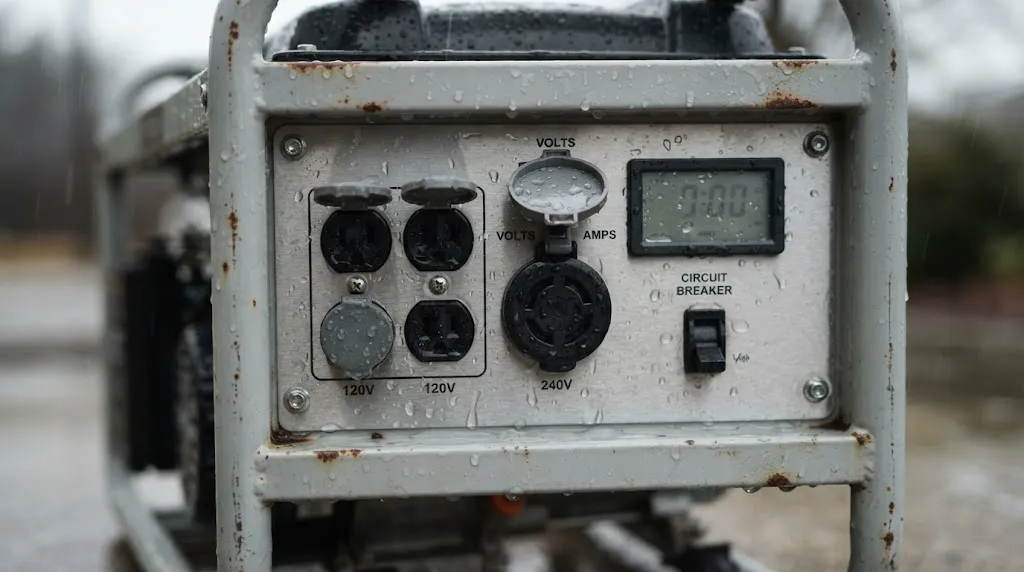
Moisture is one of the primary threats to the lifespan, reliability, and safety of an outdoor portable generator. When water penetrates sensitive electrical components, it creates severe hazards that go beyond simple equipment failure.
Water infiltration into the control panel, electrical outlets, or internal alternator windings can cause direct short circuits. These shorts can permanently fry the generator’s voltage regulator, control board, and attached appliances or electronics when power is restored. More critically, wet electrical components create an extreme risk of electrical shock or electrocution for anyone operating or standing near the unit.
Beyond immediate electrical failures, prolonged exposure to humidity, rain, and condensation accelerates corrosion. Metal frames rust, fuel systems accumulate water, and internal engine components degrade prematurely. Protecting your generator from moisture is therefore both a critical safety measure and an essential step in preserving your equipment investment.
Operating Safely in Wet Weather: The Shelter Challenge
The most difficult challenge in generator weather protection is keeping the unit dry while it is actively running. Generators require massive amounts of ambient airflow for combustion and cooling, and they produce deadly carbon monoxide gas, meaning they can never be placed inside an enclosed garage, shed, or home.
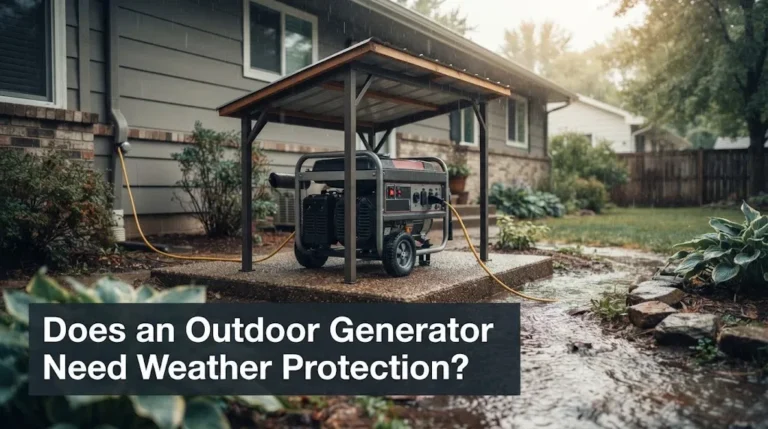
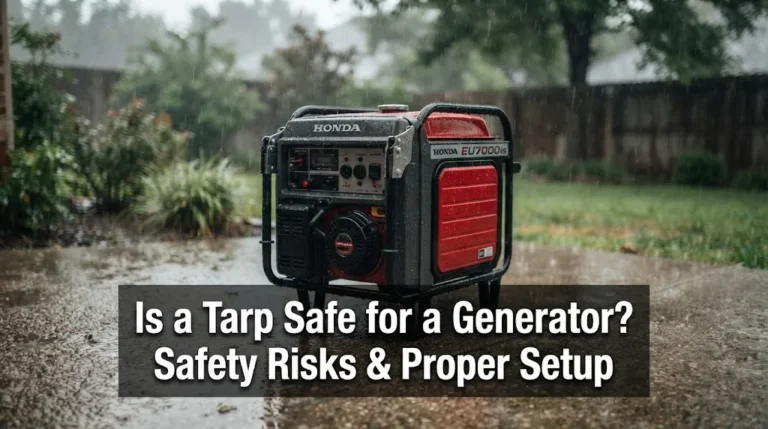
Running a portable generator completely exposed to heavy rain, sleet, or snow is dangerous and will quickly ruin the electrical system. However, throwing a standard plastic tarp directly over a running generator is equally hazardous.
Warning
Never drape a plastic sheet, garbage bag, or flat tarp directly onto a running generator. This restricts necessary exhaust airflow, causes dangerous overheating, melts plastic against hot engine parts, and creates a severe fire hazard.
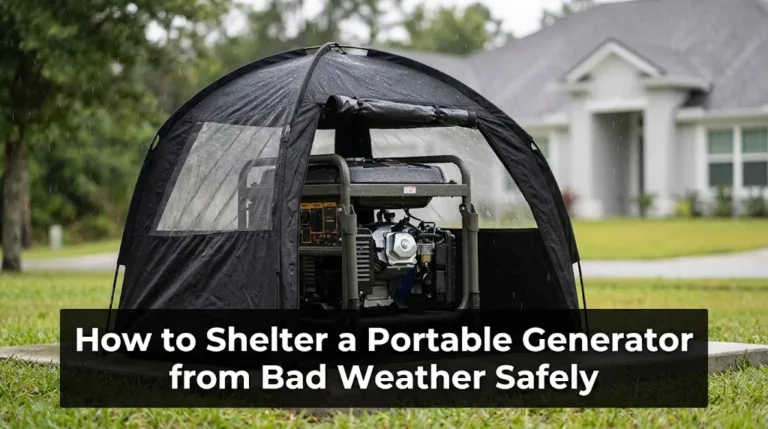
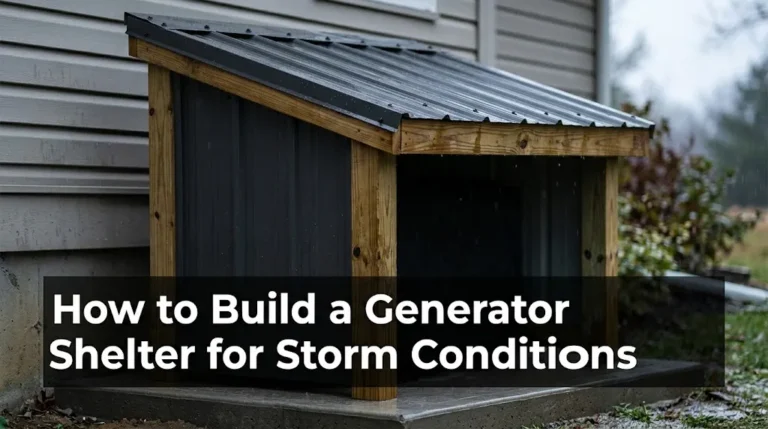
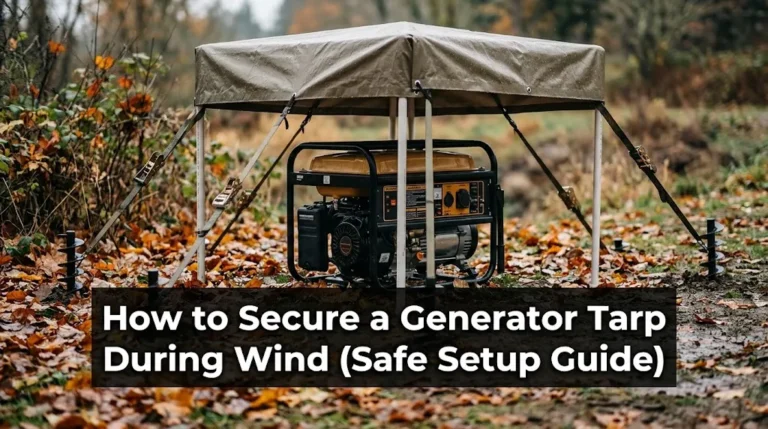
To run a generator safely during wet weather, you must use a specialized shelter designed specifically for portable generators, such as a weather-resistant generator tent or canopy. These structures feature flame-retardant fabric, open sides or specialized venting for exhaust and airflow, and sturdy frames that withstand wind and precipitation while keeping the electrical panel dry.
Step-by-Step Guide to Wet-Weather Generator Operation
When emergency power is required during a storm, following a structured setup process ensures both personal safety and equipment protection.
- Position the generator on high, dry ground: Choose a level, well-drained outdoor location at least 15 to 20 feet away from your home, with the exhaust pointing away from doors, windows, and vents. Ensure the unit is never standing in puddles or pooling water.
- Set up a dedicated generator tent or canopy: If rain or snow is falling, assemble a breathable, manufacturer-approved generator tent over the unit before starting it. Verify that the exhaust side remains completely unobstructed and open to the outdoors.
- Inspect cords and connections: Check all heavy-duty extension cords and transfer switch cables for cracks, cuts, or damaged insulation. Ensure all plugs and outlets are rated for outdoor use and free of moisture before plugging them in.
- Ground the unit if required: Follow the manufacturer guidelines regarding grounding. Many portable generators require a dedicated earth ground rod depending on how they are connected to a transfer switch or loads.
- Start the generator: Start the engine according to the manufacturer’s instructions while it is safely positioned under the protective canopy and disconnected from heavy loads.
- Connect appliances incrementally: Once the engine is idling smoothly, plug in your essential devices one by one to prevent overloading circuits.
Protecting Your Generator During Long-Term Storage
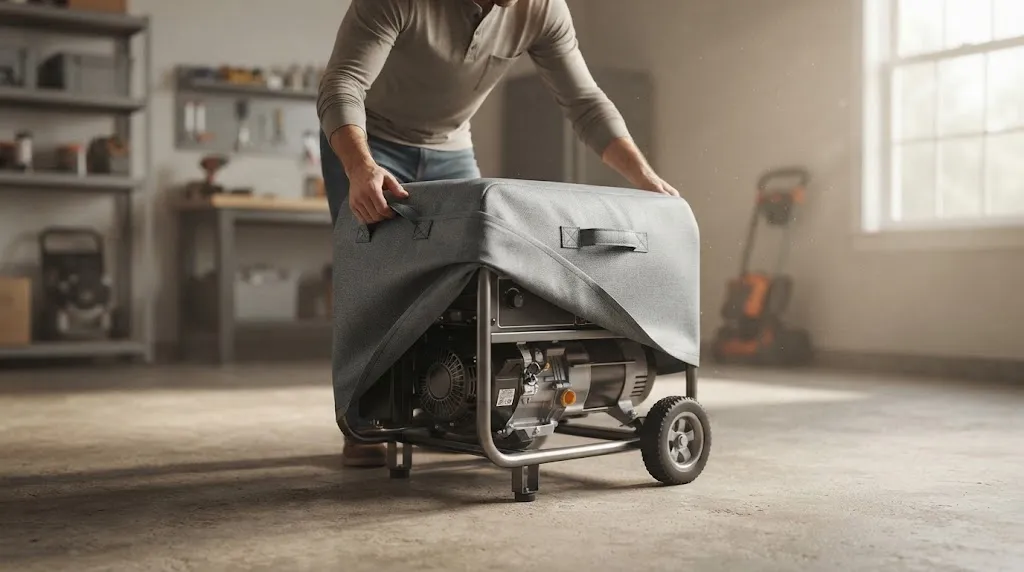
When the storm passes and the emergency ends, proper storage is vital to prevent ambient moisture, dew, and humidity from damaging the unit while it sits idle.
Allow the generator to cool down completely before handling it. A hot exhaust muffler can melt storage covers or ignite residual fumes. Once cool, clean off any dirt, salt, or debris, and check the fuel tank. For extended storage, treat the gasoline with a fuel stabilizer and run the engine for a few minutes to circulate it through the carburetor, or drain the fuel system entirely to prevent varnish and moisture accumulation.
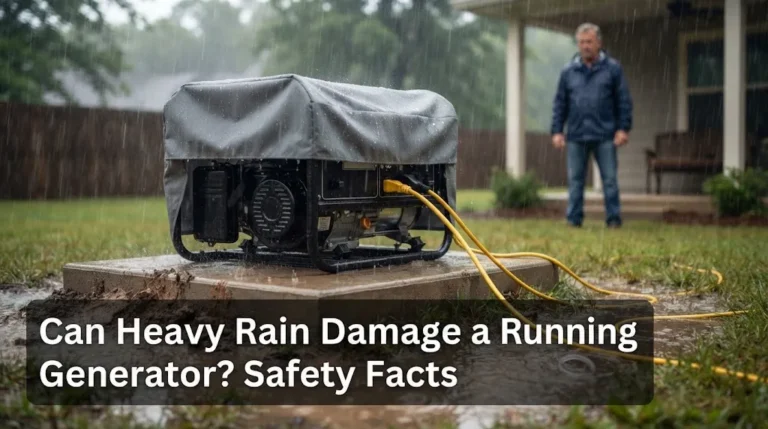
Invest in a heavy-duty, weather-resistant, and breathable storage cover designed for portable generators. Avoid cheap, non-breathable plastic covers that trap condensation underneath against the metal frame, which actually accelerates rust formation.
Tip
Store your covered generator inside a dry garage, shed, or carport off the concrete floor. Placing a wooden pallet or rubber mat underneath the wheels prevents ground dampness from seeping up into the frame and alternator.
Common Mistakes to Avoid When Protecting Generators
Homeowners often make critical errors when trying to shield their portable generators from adverse weather conditions. Avoiding these common mistakes prevents equipment damage and dangerous safety hazards.
- Operating inside enclosed spaces: Never place a generator in a closed garage, crawlspace, or tent without proper ventilation. Carbon monoxide poisoning can occur within minutes.
- Using standard plastic tarps improperly: Tying a household tarp tightly over a running generator blocks exhaust airflow and traps intense heat, risking engine failure or fire.
- Ignoring ground moisture: Placing a generator directly onto wet grass, mud, or puddles increases corrosion and creates severe grounding and shock hazards.
- Covering a hot engine: Placing a tight storage cover over a hot generator traps residual heat and can cause fabric damage or fire. Always wait for full cool-down.
- Neglecting post-storm maintenance: Leaving a generator damp or dirty after a heavy storm invites rapid rust formation on the frame and electrical contacts.
Key Differences Between Running and Storage Protection
| Protection Phase | Primary Goal | Recommended Method | Key Precaution |
|---|---|---|---|
| Active Operation | Keep rain off electrical panel while allowing ventilation | Open-frame generator tent or ventilated running canopy | Never block exhaust or intake vents |
| Idle Storage | Prevent dust, humidity, and dew accumulation | Breathable, fitted canvas storage cover | Ensure engine is completely cool before covering |
Understanding how protection requirements shift between active running and long-term storage ensures you use the correct gear for each situation without compromising safety.
Related Product
Portable Generator Tent and Canopy Covers
A weather-resistant running tent shields your generator’s electrical outlets and control panel from rain and snow while maintaining proper airflow for safe operation.
As an Amazon Associate, we earn from qualifying purchases.
Frequently Asked Questions
Can I run my portable generator in the rain without a cover?
No, running an uncovered portable generator in rain or snow is extremely dangerous. Water can enter the electrical outlets and control panel, causing short circuits, severe damage to connected electronics, and a high risk of electrical shock to anyone nearby.
Is it safe to use a blue plastic tarp over my generator while it runs?
Standard flat plastic tarps should never be draped directly over a running generator. They restrict vital exhaust airflow, cause the engine to overheat rapidly, and can melt against hot engine parts. Always use a specialized, open-frame generator tent designed for wet weather operation.
How do I protect my generator from high winds during a storm?
Position the generator in a sheltered area away from falling branches, but ensure it remains in a well-ventilated outdoor space. If using a generator canopy, make sure the frame is securely anchored or weighted down so high winds cannot blow it away or collapse it onto the unit.
What should I do if my generator gets soaked in a heavy downpour?
If your generator gets accidentally soaked while turned off, do not attempt to start it immediately. Move it to a dry, covered outdoor location, disconnect all loads, open maintenance panels to let air circulate, and allow it to dry completely for at least 24 hours. Have a qualified technician inspect the electrical windings if you suspect water entered the alternator.
Does humidity alone damage a portable generator during storage?
Yes, prolonged high humidity causes internal condensation, leading to rust on metal components, fouled spark plugs, and corrosion in the fuel system and electrical wiring. Storing the unit in a dry garage with a breathable cover and using fuel stabilizer minimizes this risk.
How far away from the house should a generator be placed when running in the rain?
A portable generator should always be operated at least 15 to 20 feet away from your home with the exhaust pointing away from all doors, windows, and fresh air intakes to prevent carbon monoxide from entering living spaces, regardless of weather conditions.
Conclusion
Protecting an outdoor portable generator from moisture requires a two-fold strategy: using specialized, well-ventilated canopies or tents to keep the unit dry while it is actively running during storms, and utilizing breathable, high-quality covers for safe long-term storage. By preventing water infiltration, you protect sensitive electrical components against short circuits, eliminate dangerous shock hazards, and significantly extend the operating lifespan of your generator.

Hi, I’m Michael Turner. I own a generator workshop in the United States and founded HomeGeneratorBlog to share practical, hands-on guidance about generator installation, maintenance, troubleshooting, safety, and backup power solutions. My goal is to help homeowners make smarter, more confident decisions through clear and reliable information