10 Best Portable Generator for Refrigerator 2026: Keep Food Cold in an Outage
The 10 best portable generator for refrigerator list is led by the Westinghouse iGen4500DF — its 4500 peak watts cover fridge startup easily. We compared 10 portable generators on starting power, runtime and fuel, and quiet operation and ease of use. Most generators look strong on paper but trip when a fridge compressor surges at startup. Whether you need one fridge, a fridge and freezer, or whole-kitchen backup, this guide gives you one clear answer.
Quick Comparison: All 10 Products Ranked
| # | Product | Best For | Rating | Badge | |
|---|---|---|---|---|---|
| 1 | Westinghouse iGen4500DF | Most homes, fridge plus lights | 4.9/5 | Best Overall | Buy → |
| 2 | Champion 100889 Dual Fuel Inverter | Propane-first backup | 4.8/5 | Best Dual Fuel | Buy → |
| 3 | Honda EU2200i | One fridge, quiet neighborhoods | 4.8/5 | Best Premium Quiet | Buy → |
| 4 | Predator 3500 Inverter | Fridge plus small essentials | 4.7/5 | Best Value | Buy → |
| 5 | Generac GP3000i | Light, easy to move | 4.7/5 | Best Lightweight | Buy → |
| 6 | WEN 56203i | Single fridge on a budget | 4.6/5 | Best Budget | Buy → |
| 7 | Yamaha EF2200iS | Small, quiet, premium build | 4.6/5 | Best Small Premium | Buy → |
| 8 | DuroMax XP4500iH Dual Fuel | Longer outages, dual fuel | 4.5/5 | Best Long Runtime | Buy → |
| 9 | Pulsar G4500BN Dual Fuel | Fridge plus freezer | 4.5/5 | Best Fridge Plus Freezer | Buy → |
| 10 | Westinghouse WGen7500 | Whole-kitchen essentials | 4.4/5 | Best High Output | Buy → |
How We Chose These Portable Generators
What we compared
Manufacturer-rated peak and running watts, noise ratings, tank size and rated runtime, weight, fuel type, and outlets for 10 fridge-suitable models.
Our 3 scoring criteria
Starting power, runtime and fuel, and quiet operation and ease of use. The same three criteria were applied to every model.
Expert consulted
No outside expert was consulted for this specification comparison. Fridge sizing follows standard appliance guidance: check your fridge label for running watts and allow extra headroom for compressor startup.
What we cut — and why
Battery-only power stations and standby generators were cut because they do not match a portable gasoline or propane brief. Models under 1600 running watts were cut because they leave too little headroom for compressor surge.
What to Look for When Buying a Portable Generator for a Refrigerator
A fridge is not a steady light bulb. It idles, then surges when the compressor starts, and that surge is where undersized generators fail. Size for startup first, then check runtime, noise, and safe connection.
1. Starting vs. Running Watts
Most modern fridges run on roughly 100 to 800 watts, but startup can be two to three times that for a few seconds. A generator with at least 2000 peak watts gives a single standard fridge comfortable headroom. If you also run a freezer, choose 3500 peak watts or more. For a wider home load, read what size generator you need for a house before you size up.
2. Clean Inverter Power
Inverter generators produce steadier power with lower total harmonic distortion, which is kinder to modern fridge controls and ice makers. Open-frame conventional generators can run a basic fridge motor, but they are louder and less steady for sensitive electronics. If your fridge has digital controls, prioritize an inverter model. It also makes it easier to add a phone charger or router without a second power source.
3. Runtime and Fuel Type
Runtime at a light fridge load is what matters in a real outage, not the headline tank size alone. Dual-fuel models let you switch to propane when gasoline is scarce, and propane stores longer. Check rated runtime at 25 percent load, then plan refueling in daylight. For broader outage planning, see emergency generator options for home backup and keep fuel, oil, and a flashlight together.
4. Noise, Placement, and Safety
Generators must run outdoors, at least 20 feet from your home, with exhaust pointed away from windows and doors. Never run one in a garage, even with the door open. Quieter inverter models are easier to live with overnight and less likely to disturb neighbors. For quieter choices, compare best inverter generators for quiet backup and use a heavy-duty outdoor-rated extension cord.

Westinghouse iGen4500DF Dual Fuel Portable Inverter Generator — Best All-Round Fridge Backup
For most homes, this is the easiest fridge backup to live with during an outage. Its 4500 peak watts handle the surge when a compressor starts, while 3700 running watts leave room for lights, a phone charger, and a small fan. Dual-fuel operation means you can switch to propane when gasoline is hard to find or store. Remote start helps on cold nights, and the enclosed inverter design keeps noise down for neighbors. The trade-off is weight, so plan a flat storage spot and a short, safe outdoor run.
- 4500 peak watts for compressor surge
- Dual fuel: gasoline or propane
- Remote start for cold nights
- Quiet enclosed inverter design
- Heavy at over 100 pounds
- Needs outdoor ventilation and clearance
4.9/5
4.9/5
4.8/5

Champion Power Equipment 100889 4500-Watt Dual Fuel Portable Inverter Generator — Flexible Propane Backup
If propane matters to you, this Champion is the more flexible 4500-watt choice. It starts a standard fridge compressor without forcing you to turn everything else off first, then settles into a steady running load for food storage. Dual-fuel switching, electric start, and a covered outlet panel make outage use less fiddly, especially after dark. It is louder than the quietest inverters here, and it is heavy to move alone. For a garage-to-driveway setup with propane on hand, that balance works well.
- 4500 peak watts, 3500 running watts
- Electric start, dual fuel switching
- Covered outlets for outdoor use
- Louder than quietest inverter models
- Heavy to move without help
4.8/5
4.8/5
4.7/5
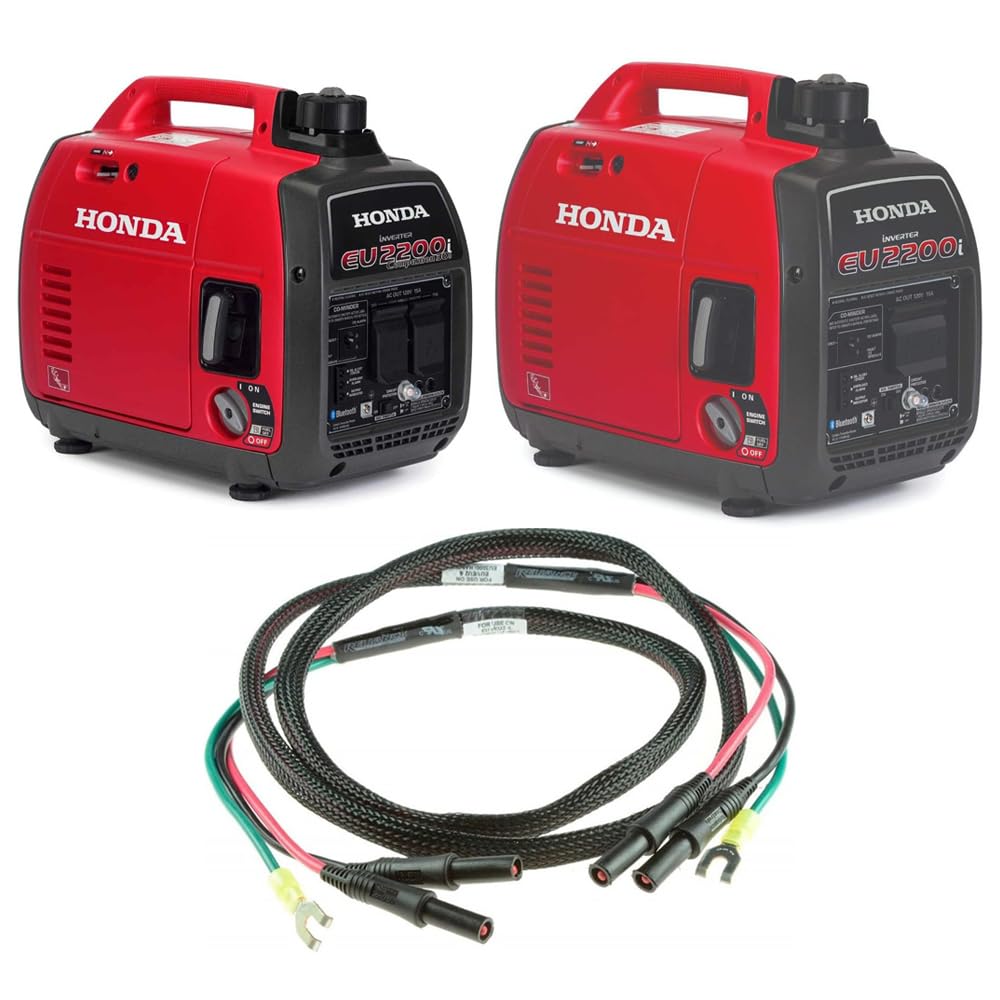
Honda EU2200i Portable Inverter Generator — Quiet Single-Fridge Pick
For a single standard fridge, the EU2200i is the calmest way to keep food cold. Its 2200 peak watts cover most compressor startups, while 1800 running watts suit a fridge plus a phone charger or small light. At about 47 pounds, one person can carry it to a safe outdoor spot without a ramp or second pair of hands. Fuel economy is strong at light loads, which helps during a long, uncertain outage. The limit is headroom: add a freezer or large fridge and you should step up in size.
- Very quiet at light loads
- Light at about 47 pounds
- Clean inverter power for controls
- Limited headroom for fridge plus freezer
- Small tank needs more refills
4.5/5
4.8/5
5.0/5

Predator 3500 Super Quiet Portable Inverter Generator — Strong Mid-Size Value
If you want 3500-watt capability without a premium brand budget, this Predator is the practical middle ground. Its 3500 peak watts handle fridge startup, while 3000 running watts leave room for lights and charging. The enclosed design keeps noise lower than open-frame models, and electric start removes pull-start frustration during a stressful outage. It is heavy, and service and parts support vary by retailer. For a set-it-and-run fridge backup at home, that trade-off is easy to accept.
- 3500 peak watts, 3000 running watts
- Electric start, enclosed quiet design
- Good value for mid-size power
- Heavy at about 99 pounds
- Gasoline only, no propane option
4.7/5
4.7/5
4.6/5

Generac GP3000i Portable Inverter Generator — Light Fridge Backup
For anyone who moves a generator alone, the GP3000i removes the biggest barrier to fridge backup. At under 60 pounds, it is easy to carry from storage to a safe outdoor spot, and its 3000 peak watts cover most single-fridge startups. Running watts of 2300 suit a fridge plus a light or charger, but not a second large appliance at the same time. Noise is low for its class, and the design is simple to start and refuel. The trade-off is modest headroom, so keep other loads off when the compressor starts.
- Light at under 60 pounds
- 3000 peak watts for one fridge
- Quiet, simple inverter design
- Modest headroom for extra loads
- Small tank needs frequent refills
4.6/5
4.6/5
4.8/5

WEN 56203i Super Quiet 2000-Watt Portable Inverter Generator — Budget Single-Fridge Option
For a tight budget and a standard fridge, the WEN 56203i is a sensible starting point. Its 2000 peak watts cover many single-fridge startups, while 1600 running watts keep a modern, efficient fridge cold. At about 39 pounds, it is one of the easiest models here to store, carry, and set up. Noise is low at light loads, which helps in close neighborhoods. The clear limit is size: a large or older fridge, or a fridge plus freezer, needs a bigger generator. Check your fridge label before buying.
- Budget-friendly for single fridge
- Very light at 39 pounds
- Quiet inverter power output
- Too small for large older fridges
- No room for freezer plus fridge
4.3/5
4.5/5
4.8/5
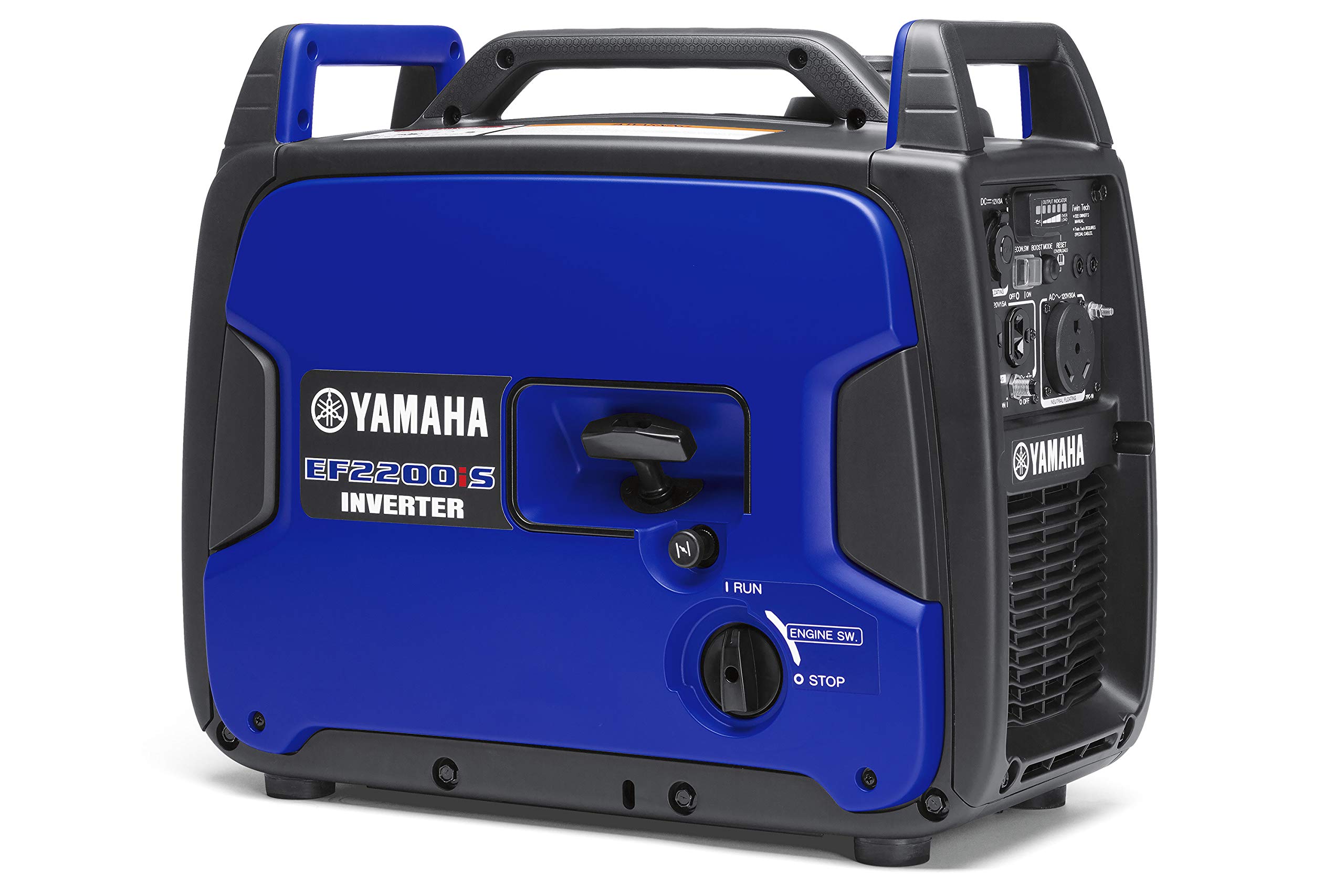
Yamaha EF2200iS Portable Inverter Generator — Premium Small Fridge Backup
Yamaha offers a refined small alternative to the Honda, with similar power for a single fridge. Its 2200 peak watts and 1800 running watts suit a standard fridge plus a charger, and the inverter output is steady for modern controls. At about 55 pounds, it remains portable for most adults, and the build feels solid for long-term storage and occasional outage use. The main drawback is the same as other 2200-watt models: limited headroom. For a fridge plus freezer, choose a 3500-watt or larger model instead.
- 2200 peak watts, 1800 running watts
- Quiet, refined small design
- Steady inverter power for controls
- Limited headroom for extra appliances
- Premium cost for small output
4.5/5
4.6/5
4.7/5

DuroMax XP4500iH Dual Fuel Portable Inverter Generator — Long Outage Pick
For outages that stretch past a day, fuel flexibility and runtime matter more than a small weight saving. This DuroMax delivers 4500 peak watts and 3600 running watts on gasoline, with propane as a longer-storing backup fuel. That is enough for a fridge plus lights and charging, with headroom for startup surge. It is heavier than small inverters and louder than the quietest models, so plan a fixed outdoor spot. If you already keep propane for a grill, this is a practical match.
- 4500 peak watts, 3600 running watts
- Dual fuel for longer outages
- Good fridge plus lights headroom
- Heavy for frequent moving
- Louder than smallest inverters
4.7/5
4.6/5
4.2/5

Pulsar G4500BN Dual Fuel Portable Inverter Generator — Fridge and Freezer Backup
When two cold appliances must stay running, a 2000-watt model is not enough. The Pulsar G4500BN gives you 4500 peak watts and 3600 running watts, so a fridge and a freezer can cycle without constant overload worry. Dual fuel adds propane flexibility, and the inverter output suits modern appliance controls. It is heavier than small models and needs a clear outdoor space. For a kitchen plus garage freezer setup, that extra capacity is the point.
- 4500 peak watts for two appliances
- Dual fuel: gasoline or propane
- Inverter power for modern controls
- Heavy for one-person moving
- Larger footprint in storage
4.7/5
4.5/5
4.3/5

Westinghouse WGen7500 Portable Generator — Whole-Kitchen Essentials Power
If one fridge is only the start, the WGen7500 gives you room for much more. With 9500 peak watts and 7500 running watts, it can handle a fridge, freezer, lights, and other essentials without constant load juggling. Electric start and a large tank suit longer outages, and the open-frame design keeps the build simpler. The trade-offs are real: it is loud, heavy, and not an inverter, so it is best for basic fridge motors and essentials, not sensitive electronics. For whole-kitchen backup, it is the strongest choice here.
- 9500 peak watts, 7500 running watts
- Electric start, large fuel tank
- Runs fridge, freezer, lights together
- Loud open-frame design
- Not an inverter generator
- Very heavy to move
5.0/5
4.5/5
3.6/5
Top 3 Head-to-Head: Westinghouse iGen4500DF vs Champion 100889 vs Honda EU2200i
These three are the most common final choices because they cover the three real fridge jobs: flexible whole-home backup, propane-first backup, and quiet single-fridge backup.
| Feature | #1 Westinghouse | #2 Champion | #3 Honda |
|---|---|---|---|
| Starting Power | 4500 peak watts — Best | 4500 peak watts | 2200 peak watts |
| Runtime and Fuel | Up to 18 hours, dual fuel | Up to 14 hours, dual fuel | Up to 8.1 hours, gasoline |
| Quiet and Ease | 52 dBA, remote start | 61 dBA, electric start | 48 to 57 dBA — Best |
| Choose if… | You want fridge plus lights, quietly | You want propane flexibility | You need one quiet fridge only |
Who These Portable Generators Are NOT For
Portable generators are a strong fridge solution, but they are not automatic whole-house backup.
They are also not for indoor use, for running a fridge through a wall outlet backfeed, or for anyone who cannot safely move, fuel, and store a gasoline or propane machine outdoors. If that sounds like your situation, a professionally installed standby system is safer.
Common Mistakes to Avoid
Most fridge-generator failures are sizing and setup mistakes, not bad machines.
Frequently Asked Questions About Portable Generators for Refrigerators
What size generator do I need to run a refrigerator?
Most standard fridges need a generator with at least 2000 peak watts, and 3500 peak watts is safer for larger or older models. Check the fridge label for running watts, then allow two to three times that amount for compressor startup. If you also run a freezer, lights, or a fan, add those running watts to the total before you choose.
Can a 2000-watt generator run a refrigerator?
Yes, a 2000-watt generator can run many modern, efficient fridges on its own. It works best when the fridge is the only large load and the compressor startup is within the peak rating. It may struggle with a large, older, or side-by-side fridge, or if a freezer starts at the same time. For those cases, choose a 3000-watt or larger model.
How long can a portable generator run a refrigerator?
A portable generator can run a fridge for as long as it has fuel and is refueled safely. At a light fridge load, many models in this guide are rated for 8 to 18 hours on a tank at low load. In practice, runtime depends on tank size, load, and how often the compressor cycles. Keep the fridge closed, refuel outdoors after shutdown, and plan fuel for multi-day outages.
Can I plug my refrigerator directly into a generator?
Yes, you can plug a fridge directly into a generator outlet, or use a short, heavy-duty, outdoor-rated extension cord. Keep the cord as short as practical, check that it is rated for the fridge load, and keep connections dry and off wet ground. Never plug a generator into a wall outlet to backfeed your home wiring, as that is dangerous and illegal in many areas.
Do I need an inverter generator for a refrigerator?
An inverter generator is the safer choice for a modern fridge with digital controls, an ice maker, or sensitive electronics. It produces cleaner, steadier power than a conventional open-frame generator. A basic fridge motor can run on a conventional generator, but the inverter models here are also quieter and more fuel-efficient at light loads, which matters during a long outage.
Will a generator damage my refrigerator?
A properly sized generator should not damage a fridge, especially an inverter model with clean power output. Damage risk rises with an undersized generator that overloads and drops voltage, a damaged cord, or unstable power from a worn machine. Size for startup surge, use a suitable cord, and stop the generator if it surges, stalls, or repeatedly trips its overload protection.
Is it safe to run a refrigerator on a generator overnight?
Yes, it can be safe overnight if the generator runs outdoors, at least 20 feet from your home, with working carbon monoxide alarms inside. Never run it in a garage, basement, or enclosed porch. Check fuel before dark, use a stable outdoor setup, and refuel only after shutdown in daylight. For a broader home choice, compare best generator to buy for home options before a long outage.
Our Final Verdict
For most homes, the trade-off is simple: small models are quiet and easy to move but leave little surge headroom, while larger dual-fuel models cost more space and weight but keep a fridge safe through longer outages. The Westinghouse iGen4500DF balances that trade-off best.

Hi, I’m Michael Turner. I own a generator workshop in the United States and founded HomeGeneratorBlog to share practical, hands-on guidance about generator installation, maintenance, troubleshooting, safety, and backup power solutions. My goal is to help homeowners make smarter, more confident decisions through clear and reliable information