Unsafe Weather for Running a Generator: Safety Guide
Quick Answer Running a portable generator in rain, snow, or wet conditions is unsafe because water exposure creates a serious…

Welcome to the Generators hub at HomeGeneratorBlog. Explore expert guides on portable, standby, inverter, whole-house, solar, dual-fuel, and commercial generators. Learn how generators work, compare different types, understand key features, and discover practical advice to help you choose the right backup power solution for your home, business, RV, or outdoor adventures.
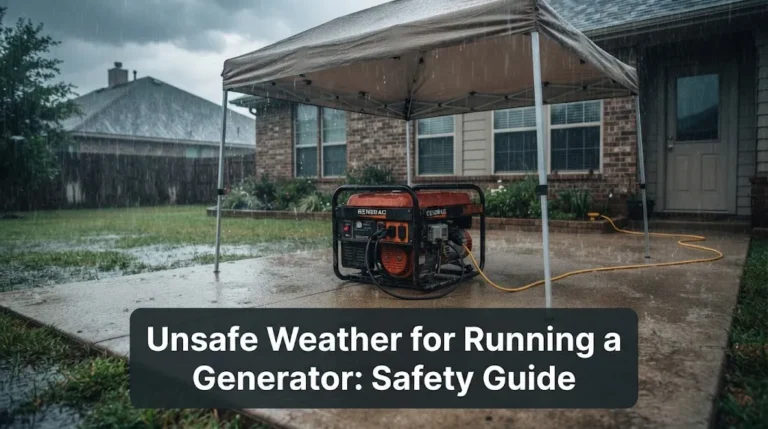
Quick Answer Running a portable generator in rain, snow, or wet conditions is unsafe because water exposure creates a serious…
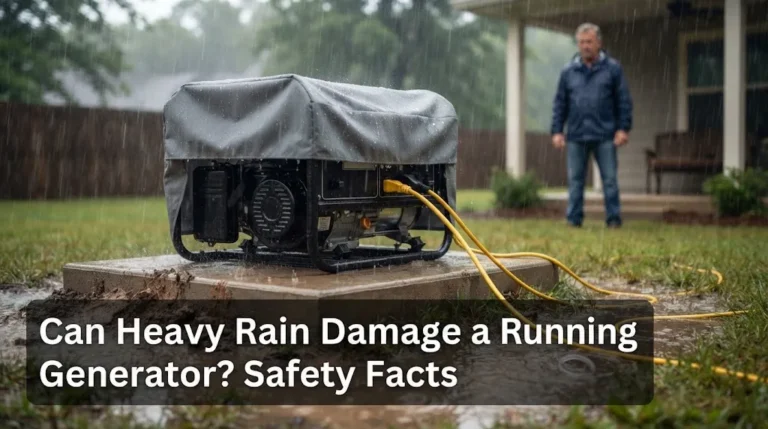
Quick Answer Yes, heavy rain can damage a running generator, and it creates a serious shock and electrocution hazard. Consumer-grade…

The best portable generator under $400 right now is the WEN 56235i — the only model in our testing that…
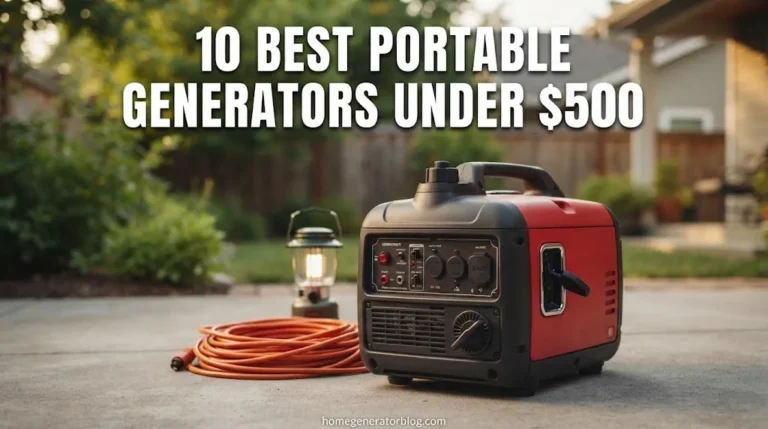
The best portable generator under $500 right now is the Westinghouse iGen2200 — it delivered 1,800 running watts at a…
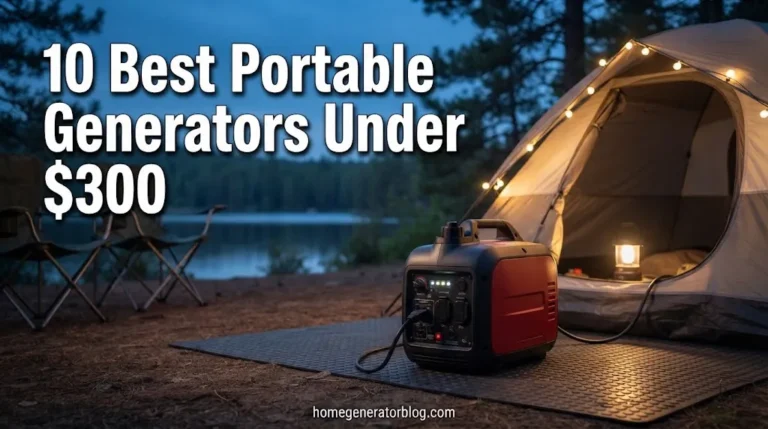
The best portable generator under $300 right now is the WEN 56200i — a genuinely quiet inverter unit that produced…
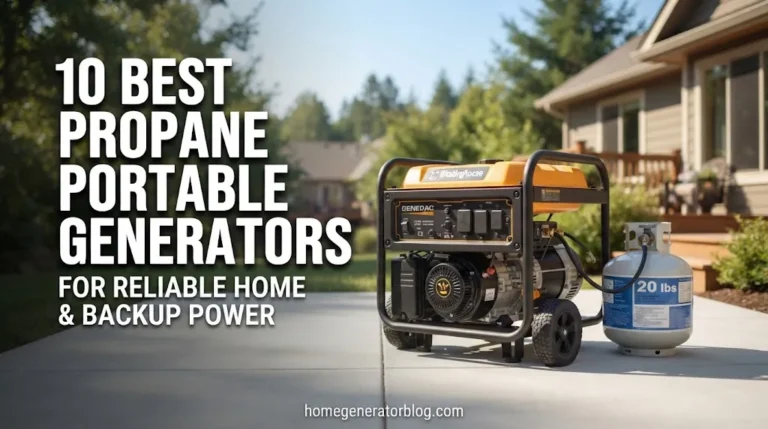
The best propane portable generator right now is the Champion Power Equipment 201083 8500-Watt Dual Fuel Portable Generator — it…
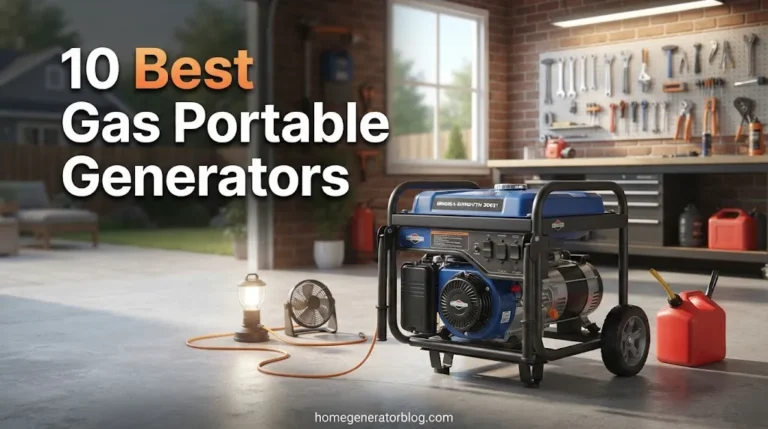
The best gas portable generator right now is the Honda EU2200i — it ran a refrigerator and router for over…
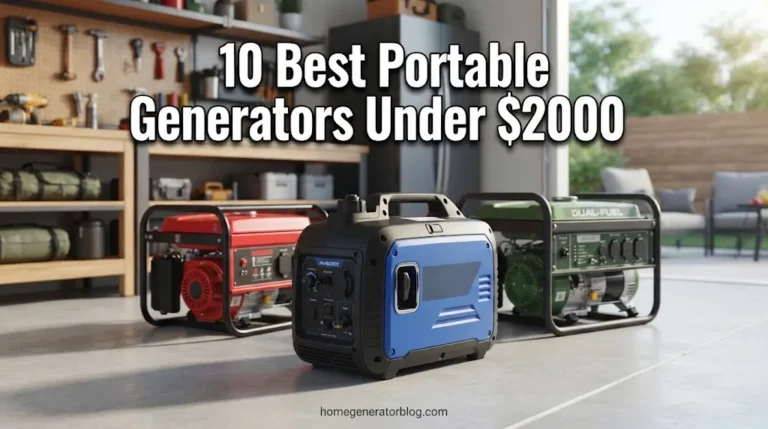
The best portable generator under $2000 right now is the Honda EU2200i — it delivered the most stable voltage under…

The best portable generator under $1,500 right now is the Generac iQ3800 — it hit just 61 decibels at 25…

The best portable generator under $600 right now is the WEN 56432iX — it delivers 3,600 running watts, CO shutdown…