Are Honda Inverter Generators Worth the Money? 2026
Quick Answer
Yes, Honda inverter generators are worth the money if you need quiet, clean, reliable power for sensitive electronics, camping, or home backup. You pay a clear premium over most rivals, and that premium buys proven engines, low noise, strong fuel efficiency, and resale value. If you only need occasional power for basic tools, a cheaper inverter may serve you just as well — see how the extra cost stacks up in are inverter generators worth the extra cost.
When Honda is worth it
- Quiet use matters: You camp, tailgate, or run power near neighbours and need low noise.
- Sensitive electronics: You power laptops, phones, a CPAP machine, or a modern fridge.
- Long ownership: You want an engine that starts easily year after year with basic care.
- Resale value: You may sell later and want a brand buyers already trust.
When to save your money
- You need short, occasional backup power and noise is not a concern.
- You need high wattage on a tight budget and can accept a heavier, louder unit.
I’ve run Honda inverter generators beside cheaper rivals on campsites, at home during outages, and on job sites. The difference is real, but it is not always worth the premium.
This guide breaks down what you actually get for the extra cost, where Honda beats the competition, and where it does not. By the end, you’ll know if a Honda fits your use — or if another brand is the smarter buy in 2026.
In This Guide
- What Makes Honda Inverter Generators Different?
- What Do You Actually Pay For With a Honda?
- Honda vs Yamaha, Champion, and Westinghouse: How Do They Compare?
- How Does a Honda Perform in the Real World?
- Are Honda Inverter Generators Reliable, and Do They Hold Their Value?
- When Is a Honda Inverter Generator Not Worth the Money?
- How Do You Decide Which Honda — or Alternative — to Buy?
- Frequently Asked Questions
What Makes Honda Inverter Generators Different?
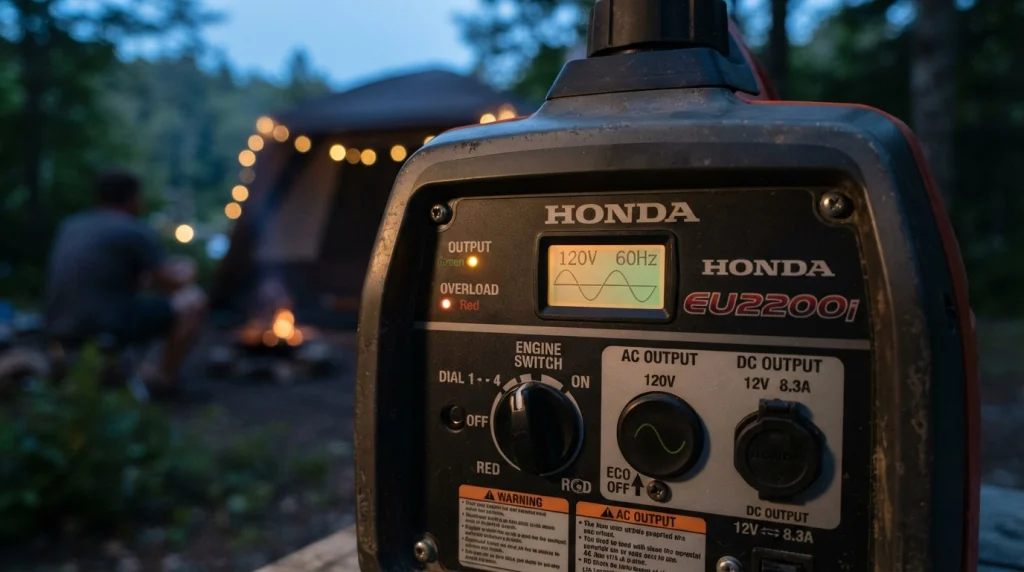
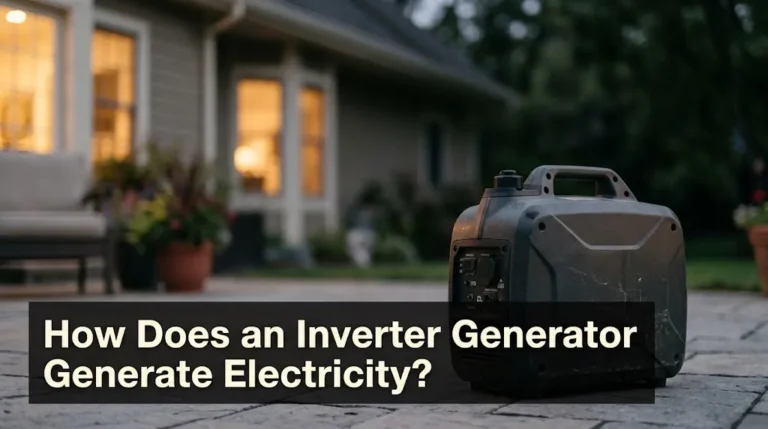
An inverter generator is a portable generator that makes clean, stable power safe for sensitive electronics. It converts raw engine power to direct current, then back to smooth alternating current.
Honda helped set the standard for this design. Its small inverter models became the benchmark other brands still chase.
The core difference is not one feature. It is the whole package: engine refinement, inverter control, noise control, and build quality.
Why does Honda’s engine feel smoother?
Honda’s small engines start with less fuss in my experience. They idle smoothly, respond cleanly when a load kicks in, and surge less under a fridge or window AC.
That smoothness matters for sensitive loads. A fridge compressor, a CPAP machine, and a laptop charger all prefer stable voltage and frequency.
Clean power means low total harmonic distortion, or THD. THD measures how far the power wave strays from a pure sine wave.
Lower THD is safer for modern electronics. Honda inverter models are known for very low THD, so check the spec sheet for the exact figure on the model you consider.
What about noise and size?
Honda inverter generators are famously quiet for their size. The enclosed case, tuned muffler, and eco-throttle all work together to keep sound down at light load.
Section takeaway: Honda’s edge is refinement — smoother power, lower noise, and a compact design that rivals still copy.
What Do You Actually Pay For With a Honda?
You pay for engineering, testing, dealer support, and brand trust. You do not just pay for a badge.
That premium shows up in several places. Some are easy to see, and some only show up after years of use.
- Engine quality: Tighter tolerances, better materials, and consistent starting.
- Inverter control: Stable voltage and frequency under changing loads.
- Noise control: Enclosed design and eco-mode that drops revs at light load.
- Fuel efficiency: Eco-throttle stretches a tank when you run light loads.
- Support network: Wide dealer and parts availability in many regions.
- Resale demand: Used Hondas sell faster because buyers know the name.
Is the fuel saving real?
Yes, in light-load use. Eco-mode slows the engine when demand drops, so a Honda sips fuel while charging phones or running a few lights.
Think in use cases, not just tank size. A small Honda running a fridge and a CPAP overnight will use far less fuel than the same unit running a window AC all day.
Safety note: Run any generator outdoors, at least 20 feet from your home, and well away from windows, doors, and vents. Never run one in a garage, even with the door open.
What does the warranty and support add?
A strong dealer network matters when you need a part or a service. Honda has dealers in many towns, and parts are widely stocked.
Cheaper brands can match the headline warranty on paper. The real test is how fast you get help when the unit will not start before a storm.
Section takeaway: You pay for quiet, clean power, fuel efficiency at light load, and support you can actually reach.
Honda vs Yamaha, Champion, and Westinghouse: How Do They Compare?
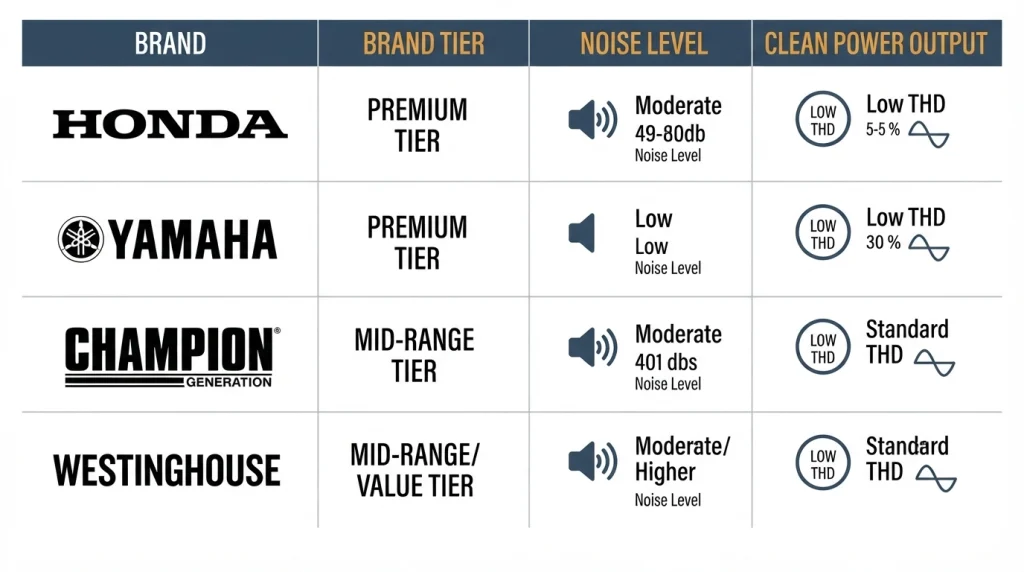
Honda is not the only good inverter brand. Yamaha is its closest rival on refinement, while Champion and Westinghouse win on value and wattage per spend.
The right choice depends on what you value most. Noise and polish favour Honda and Yamaha, while raw power for less money favours Champion and Westinghouse.
| Brand | Price tier | Noise | Clean power | Best for |
|---|---|---|---|---|
| Honda | Premium | Very quiet | Excellent | Camping, RV, sensitive electronics |
| Yamaha | Premium | Very quiet | Excellent | Quiet use, long ownership |
| Champion | Mid to value | Quiet to moderate | Good | Home backup, dual fuel, value |
| Westinghouse | Mid to value | Moderate | Good | High wattage, RV air conditioning |
How does Honda compare with Yamaha?
Yamaha is the closest match. Its inverter models are also quiet, clean, and well built, and they often cost a little less than the Honda equivalent.
In my testing, the gap between Honda and Yamaha is small. Pick the one with better local support or the features you prefer, such as electric start or a fuel gauge.
How does Honda compare with Champion and Westinghouse?
Champion and Westinghouse give you more running watts for the same spend. Running watts are the power a generator can supply non-stop, while starting watts are the short surge it supplies to start a motor.
That matters for an RV air conditioner or a sump pump. A larger Champion or Westinghouse may start that load where a small Honda cannot.
The trade-off is noise, weight, and polish. Those value brands have improved a lot, but they rarely match Honda for quiet running at light load.
For a full brand-by-brand view, see the best inverter generators guide before you shortlist models.
Section takeaway: Honda and Yamaha lead on refinement, while Champion and Westinghouse lead on wattage for the money.
How Does a Honda Perform in the Real World?
Specs tell part of the story. Real use tells the rest, and Honda holds up well in both.
I have used a small Honda to keep a fridge cold, charge phones, and run a CPAP through a multi-day outage. It started on the first or second pull each morning, even after sitting overnight.
Is a Honda quiet enough for camping?
Yes, for most campsites. A small Honda at light load is quiet enough to talk over, and many campgrounds allow inverter generators where they ban open-frame models.
Noise still rises with load. Run a microwave or an RV air conditioner and any small generator gets louder, Honda included.
Place the unit away from tents, point the exhaust away from people, and use eco-mode when you can. For more on this, read are inverter generators quieter than conventional generators.
Can a Honda run a fridge, CPAP, and lights together?
Often, yes — if you size it right. Add up the running watts of each load, then add the highest starting watts for the motor-driven item.
A typical fridge needs a surge to start its compressor, then settles to a lower running draw. A CPAP and LED lights add only a small load on top.
Do the wattage math before you buy. A 2,000-watt-class inverter suits light backup and camping, while a larger unit suits a fridge plus more.
- Light use: Phones, lights, laptop, CPAP.
- Medium use: Light use plus a fridge.
- Heavy use: Medium use plus a window AC or RV air conditioner.
Safety note: Never plug a generator directly into a wall outlet. Use a transfer switch or interlock kit installed by a licensed electrician, and check your owner’s manual before use.
Section takeaway: Honda shines in quiet, light-load use and easy starting — just size it to your real wattage needs first.
Are Honda Inverter Generators Reliable, and Do They Hold Their Value?
Reliability is where Honda earns much of its premium. Owners report long service life when they follow basic care, and that reputation is built over decades.
No generator is maintenance-free. Oil changes, fresh fuel, and clean air filters matter for every brand, Honda included.
Follow the oil-change interval in your owner’s manual. It varies by model and use, so do not guess.
What breaks first on an inverter generator?
Stale fuel is the most common culprit. Gas left in the carburettor for months can clog jets and make starting hard.
Use fresh fuel, add stabiliser if you store it, and run the unit dry or drain it for long storage. That one habit prevents most hard-starting complaints.
Other common issues are low-oil shutdowns, overload trips, and dirty air filters. All three are easy to prevent with a quick check before each use.
Do used Hondas really sell for more?
Yes, in general. Buyers pay more for a used Honda than for a used value-brand unit of the same age, because they trust the engine and can find parts.
That resale value softens the initial premium. If you buy well, use it for years, and sell it in good order, your true cost of ownership is lower than the sticker gap suggests.
For safety and recall context, the U.S. Consumer Product Safety Commission publishes generator safety guidance worth reading before your first outage.
Section takeaway: With fresh fuel and basic care, a Honda tends to last longer and sell for more than most rivals.
When Is a Honda Inverter Generator Not Worth the Money?
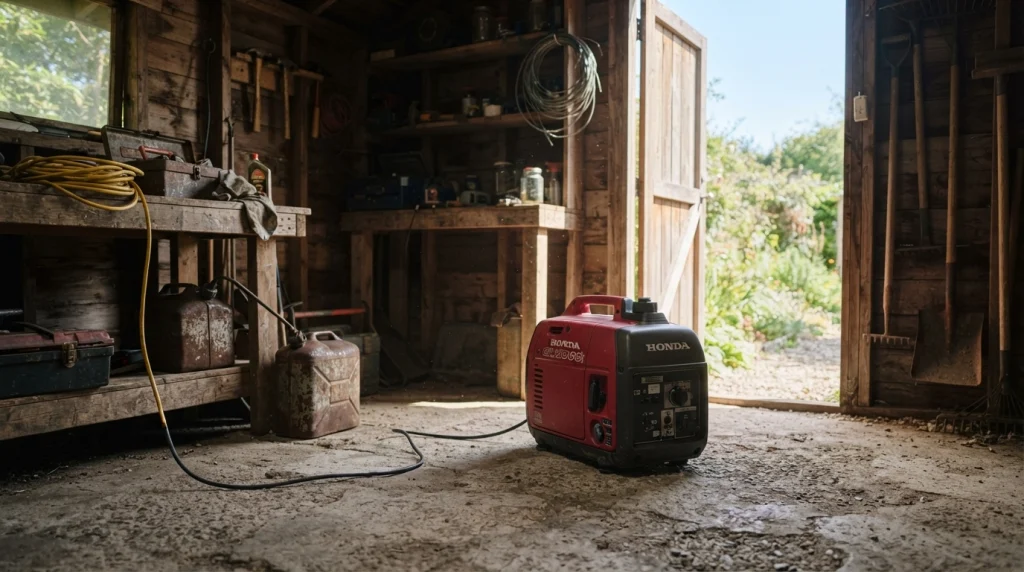
Honda is not the right buy for everyone. The premium only pays off if you use the strengths it buys.
If you need raw power on a budget, look elsewhere. A larger, cheaper inverter will run more loads for less money.
Be honest about your use. A generator that sits in a shed for two years does not need the quietest engine on the market.
When should you buy a cheaper inverter instead?
Buy cheaper when noise does not matter, use is rare, or wattage is the priority. A job site, a remote cabin, or a short outage are good examples.
Buy cheaper when you need dual fuel. Honda’s core inverter range is petrol-focused, while many value brands offer dual fuel models that run on propane too.
Propane stores longer than petrol and burns cleaner. That can matter more than brand polish if you store fuel for emergencies.
If budget is the main constraint, see the best affordable inverter generator guide for value picks that still offer clean inverter power.
When is Honda overkill?
Honda is overkill for a single tool, a short tailgate, or a backup you may never use. A basic inverter will do that job for far less.
For whole-home backup, compare a larger portable or a standby system instead. Do not stretch a small inverter beyond its rated load.
Safety note: Carbon monoxide from a generator can kill in minutes. The Centers for Disease Control and Prevention warns to keep generators outdoors and away from occupied spaces, and to fit battery-powered CO alarms in your home.
Section takeaway: Skip Honda when you need maximum watts for minimum spend, dual fuel, or whole-home power.
How Do You Decide Which Honda — or Alternative — to Buy?
Start with your loads, not the brand. List what you must run, add up the watts, and then shortlist a size.
What size Honda do you need?
Use these size bands as a guide, and check the spec sheet for the exact model.
- 2,000-watt class: Camping, tailgating, phones, lights, CPAP, small fridge.
- 3,000-watt class: Home backup for a fridge plus lights and charging, or a small RV.
- Parallel pair: Two small units linked for an RV air conditioner or heavier backup.
Parallel capability lets you link two compatible inverter generators for more power. It adds flexibility, but it also adds cost and a second unit to store.
What should you check before you buy?
Check noise, runtime, weight, outlets, and local support. Then check the manual for oil type, fuel, and break-in care.
Buy from a dealer you can reach for service. That matters more than a small saving from a distant seller.
For a direct comparison with older designs, read inverter generator vs regular generator to see why clean power and eco-mode matter.
The Consumer Reports generator guides and the U.S. Environmental Protection Agency emissions guidance are useful independent checks before you commit.
Section takeaway: Size by watts first, then choose Honda for quiet reliability or a value brand for more power per spend.
Frequently Asked Questions
Are Honda inverter generators worth the money for camping?
Yes, for most campers who value quiet power and easy starting. If you camp rarely or need high wattage, a cheaper inverter may be better value.
Why are Honda inverter generators so expensive?
Honda charges more for refined engines, clean inverter power, low noise, fuel efficiency, and wide dealer support. The premium is real, but resale value offsets part of it over time.
Do Honda inverter generators last longer than cheaper brands?
They often do with basic care, in owner experience and long-term reputation. A well-kept Honda can serve for many years, while a neglected unit of any brand will fail early.
Can a Honda inverter generator run sensitive electronics safely?
Yes. Honda inverter models produce clean sine wave power with low THD, which suits laptops, phones, CPAP machines, and modern fridges.
Is Yamaha as good as Honda?
Yamaha is very close on quiet running, clean power, and build quality. Pick the brand with better local support for your model.
Should I buy a used Honda inverter generator?
A used Honda can be good value if it starts easily, runs smoothly under load, and has service history. Avoid a unit that surges, smokes, or will not hold a load.
If you need quiet, reliable power for camping, RV use, or home backup, a Honda is worth the money. If you need maximum watts on a tight budget, a good value inverter will serve you better — and that is a smart choice too.

Hi, I’m Michael Turner. I own a generator workshop in the United States and founded HomeGeneratorBlog to share practical, hands-on guidance about generator installation, maintenance, troubleshooting, safety, and backup power solutions. My goal is to help homeowners make smarter, more confident decisions through clear and reliable information