Is It Safe to Leave a Generator on All Night? 2026 Safety Guide
Quick Answer
A generator can sometimes run through the night, but only when the manufacturer permits extended operation and the setup is safe. A fuel-burning portable generator must remain outdoors, more than 20 feet from doors, windows, and vents, with its exhaust pointed away from the home; review these portable generator carbon monoxide safety rules before relying on one overnight.
Before running a generator overnight
- Keep it outside: Never run a portable generator in a house, garage, shed, basement, carport, or other enclosed area.
- Use the 20-foot rule: Keep the generator more than 20 feet from windows, doors, vents, and occupied buildings.
- Point exhaust away: Exhaust should face away from your home and neighboring buildings.
- Test CO alarms: Use working battery-powered or battery-backup carbon monoxide alarms inside the house.
- Check the manual: Confirm the generator’s runtime, oil, maintenance, weather, and loading requirements.
- Never refuel hot: Shut the generator off and let it cool before adding gasoline.
My overnight rule
- If the setup depends on waking up in the middle of the night to refuel a hot generator, I don’t consider it an unattended overnight plan.
When an outage stretches past bedtime, leaving the generator running can seem easier than shutting down the refrigerator, furnace, sump pump, or medical equipment. I treat overnight operation as a safety checklist rather than a simple yes-or-no decision.
The biggest concern isn’t whether the engine can physically keep running. It’s whether carbon monoxide, fuel, weather, electrical loads, and maintenance are controlled while everyone inside is asleep.
Is It Safe to Leave a Generator Running Overnight?
It can be, but only under the correct conditions. A portable generator that is badly positioned or improperly connected can become dangerous long before the engine runs out of fuel.
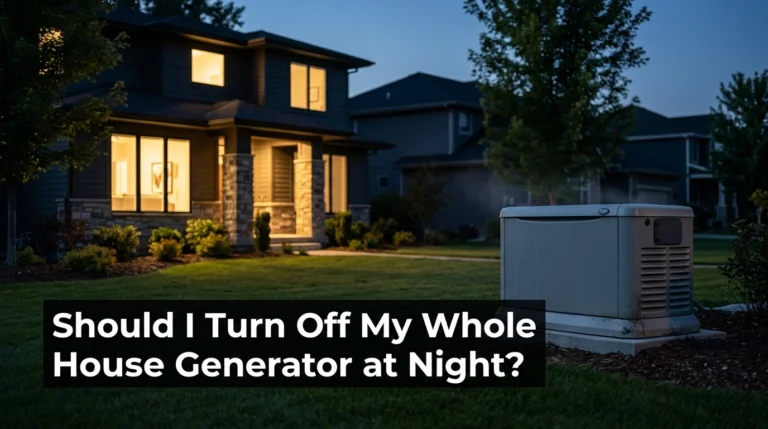
A permanently installed standby generator is different. These systems are designed for automatic backup and extended operation, but they still require correct installation, maintenance, ventilation, and an adequate fuel supply.
Definition: Overnight generator operation means allowing a generator to supply power for several continuous hours while household occupants may be sleeping. Safe operation depends on generator type, placement, exhaust control, fuel, electrical connections, weather protection, loading, maintenance, and the manufacturer’s operating instructions.
For a portable fuel-burning generator, I would want every item below handled before going to bed:
- Generator is outdoors and more than 20 feet from building openings.
- Exhaust points away from the house and neighboring occupied spaces.
- Working CO alarms protect the home and sleeping areas.
- The generator sits on a dry, stable surface.
- Electrical loads remain below the generator’s rated continuous output.
- Extension cords and connections are rated for their actual loads.
- There is enough fuel to reach the planned shutdown without unsafe refueling.
- Oil level and required maintenance have been checked.
Can You Sleep While a Generator Is Running?
Sleeping while a portable generator operates requires extra caution because you cannot watch the machine or notice developing problems. Carbon monoxide makes this especially serious.
The CDC’s carbon monoxide guidance warns that people who are sleeping can die from CO poisoning before they notice symptoms. Carbon monoxide has no color or smell.
Common CO poisoning symptoms include:
- Headache
- Dizziness
- Weakness
- Nausea or vomiting
- Chest pain
- Confusion
If a CO alarm sounds, don’t investigate the generator first. Get everyone into fresh outdoor air and contact emergency services from a safe location.
The U.S. Consumer Product Safety Commission warns that generator exhaust can incapacitate or kill within minutes. An open garage door does not make indoor operation safe.
How Far Should a Generator Be From the House Overnight?
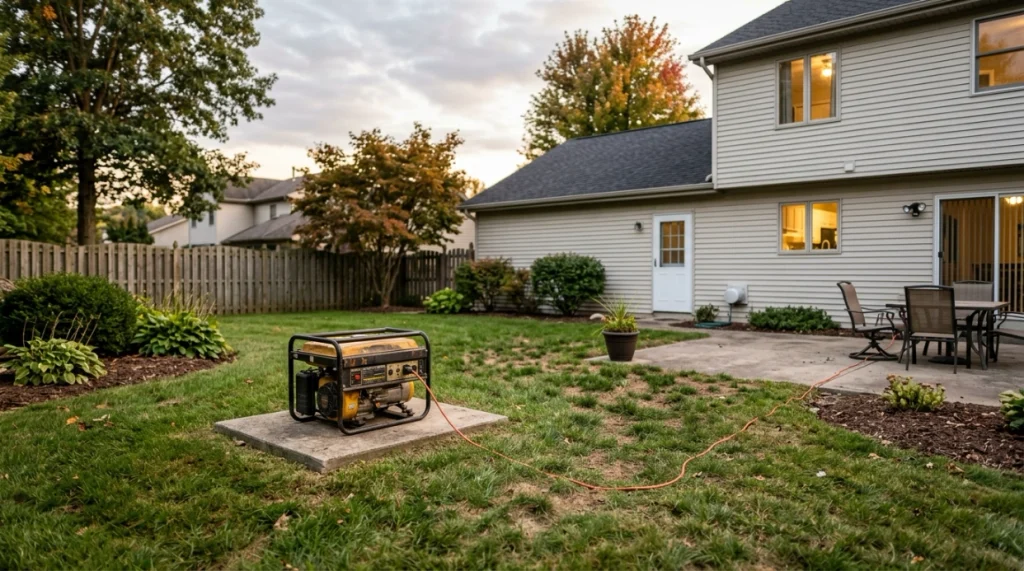
Keep a portable generator outdoors, more than 20 feet from windows, doors, and vents. Direct the exhaust away from the house rather than toward an opening.
Distance is only part of the setup. My full guide on where to place a portable generator safely covers surfaces, exhaust direction, nearby structures, and other common placement mistakes.
| Overnight Setup | Suitable? | Main Issue | What I Would Do |
|---|---|---|---|
| Portable generator outdoors, 20+ ft away | Potentially | CO, fuel, weather, runtime | Check manual, CO alarms, exhaust, fuel, oil, and load |
| Portable generator in open garage | No | Deadly CO accumulation | Move it completely outdoors |
| Portable generator on covered porch | No | Too close to occupied building | Relocate to a proper outdoor operating area |
| Properly installed standby generator | Generally yes | Maintenance and fuel supply | Follow installer and manufacturer service requirements |
How Long Can a Generator Run Continuously?
There is no universal safe runtime for every generator. Tank size, fuel type, electrical load, engine design, oil capacity, temperature, and manufacturer instructions all matter.
Some portable generators can run for many hours at a moderate load. That does not automatically mean every model should operate unattended from bedtime until morning.
Before an extended run, check:
- Rated runtime: Manufacturers often specify runtime at a particular percentage of load.
- Oil requirements: Extended operation can consume oil, especially on older engines.
- Maintenance interval: Oil-change and inspection schedules vary by engine.
- Electrical load: Running near maximum output creates more heat and leaves little surge capacity.
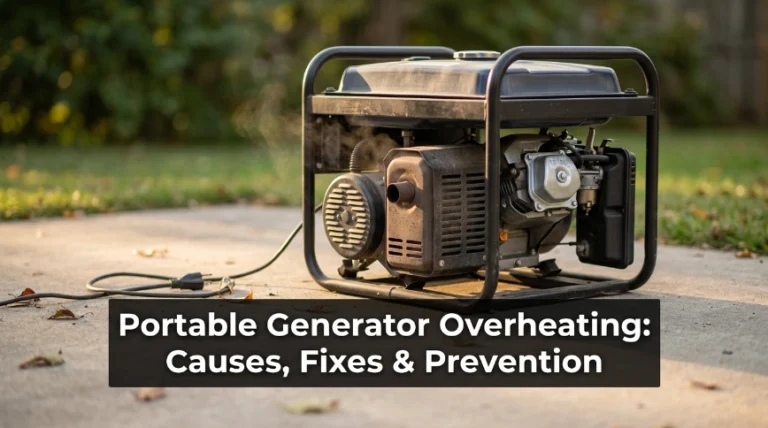
- Ambient temperature: Hot weather and restricted cooling airflow increase thermal stress.
I don’t treat a low-oil shutdown sensor as permission to ignore oil checks. It’s a backup protection feature, not a replacement for the maintenance schedule in the owner’s manual.
Should You Refuel a Generator During the Night?
Never add gasoline while a generator is running or still hot. Fuel spilled onto hot engine or exhaust parts can ignite.
My portable generator fuel safety guide covers safe fuel storage and refueling in more detail. The safest plan is to avoid scheduling a gasoline refill while everyone else is asleep.
- Reduce or disconnect electrical loads.
- Shut the generator off.
- Allow the engine and exhaust to cool as the manufacturer directs.
- Move flames, cigarettes, and other ignition sources away.
- Add fuel carefully without overfilling.
- Clean up spills before restarting.
- Move the fuel container away from the operating generator.
If the tank cannot cover the desired overnight period, I would rather schedule a controlled shutdown than plan a rushed 3 a.m. refueling session in the dark.
Can a Generator Run All Night in Rain or Snow?
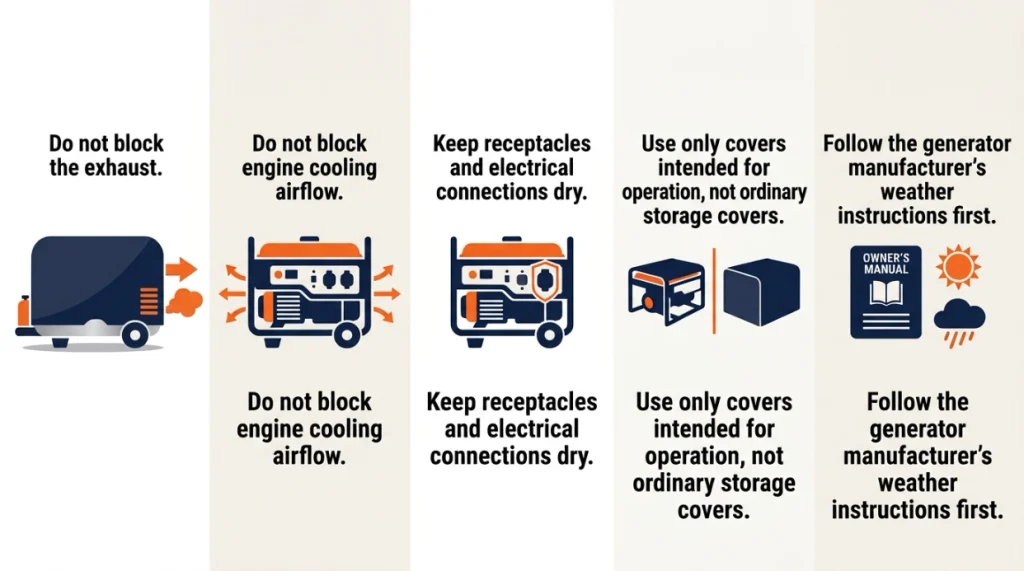
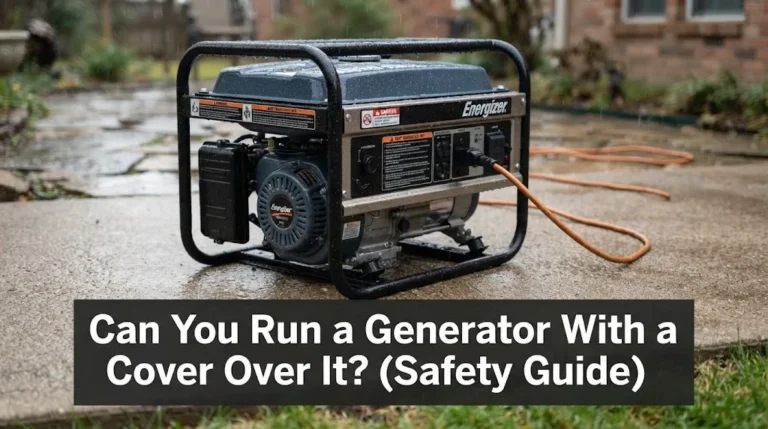
A generator must stay dry while operating, but moving it into a garage or shed is not the solution. Electrical components and wet conditions create shock and electrocution hazards.
The American Red Cross generator guidance recommends keeping the generator dry and operating it on a dry surface under suitable open protection when conditions require it.
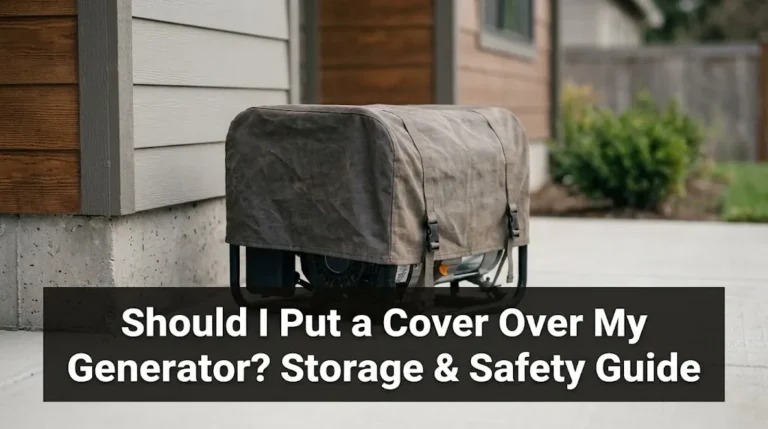
If your manufacturer permits operation with a weather enclosure, use a purpose-built running cover that maintains cooling and exhaust clearance. Never throw a tarp directly over a running generator.
- Do not block the exhaust.
- Do not block engine cooling airflow.
- Keep receptacles and electrical connections dry.
- Use only covers intended for operation, not ordinary storage covers.
- Follow the generator manufacturer’s weather instructions first.
What Electrical Problems Make Overnight Generator Use Dangerous?
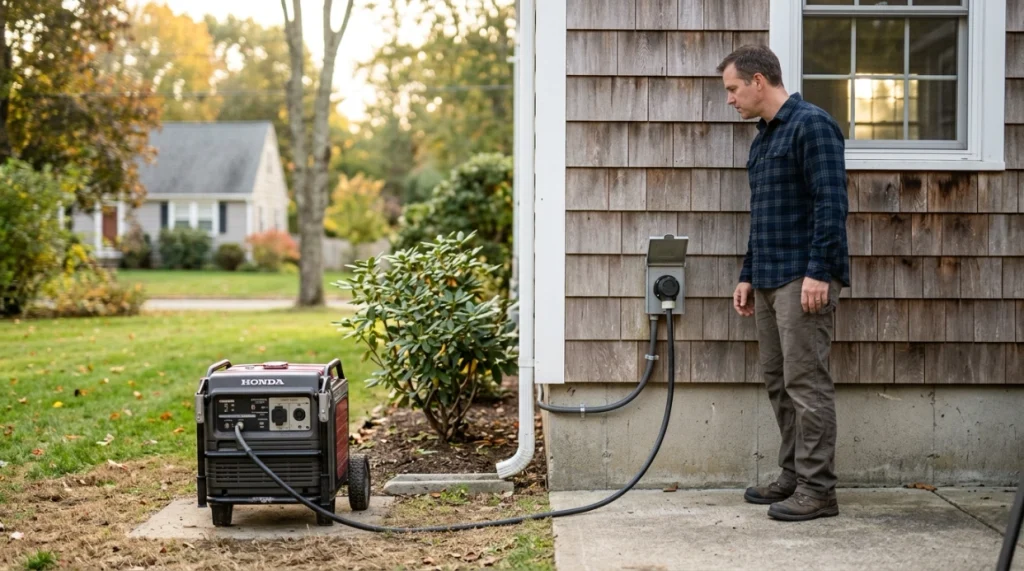
Backfeeding, overloaded cords, wet connections, and excessive generator load can turn an outage into an electrical emergency. Never connect a portable generator to a household receptacle to power the house.
For household circuits, use correctly installed transfer equipment. My portable generator electrical safety guide explains backfeeding, grounding, GFCI protection, and cord selection.
The OSHA portable generator safety guidance also identifies carbon monoxide, electrical shock, electrocution, and fire as major generator hazards.
My overnight generator checklist
I run through this list before considering an extended overnight run. Missing one of the critical items means I fix the setup or shut the generator down.
- Generator is completely outdoors.
- It is more than 20 feet from doors, windows, and vents.
- Exhaust points away from occupied structures.
- CO alarms are installed and tested.
- The generator is dry and protected according to its manual.
- Oil level is correct.
- Fuel is sufficient for the planned operating period.
- No gasoline refill is planned while the engine is hot.
- Loads stay within continuous rated capacity.
- Extension cords are outdoor-rated and correctly sized.
- No cord, plug, or receptacle is damaged or wet.
- The manufacturer permits the planned extended runtime.
If you’re preparing for a long outage, a few pieces of safety gear can make a well-planned setup easier to manage. These are the types of products I’d prioritize before convenience accessories.
🛡️ Essential Safety Pick
First Alert CO400 Carbon Monoxide Alarm
★★★★★
The CO400 uses a battery-powered electrochemical sensor and an 85 dB alarm, so it remains active during a utility outage. A working CO alarm is one of the first things I would confirm before operating any fuel-burning generator overnight.
🌧️ Best Weather Protection
GenTent Universal Generator Running Cover
★★★★½
GenTent’s Universal Clamp system is designed for outdoor generator operation during rain and snow, with versions covering many portable units up to roughly 13,000 watts. I would still verify generator compatibility and manufacturer instructions before relying on any enclosure overnight.
🔌 Best Heavy-Duty Cord
Southwire 2587SW8802 25-Foot 12/3 Extension Cord
★★★★½
This 25-foot 12/3 SJTW outdoor cord is rated for up to 15 amps and uses a moisture-resistant jacket with a lighted end. I like heavy-gauge outdoor cords for appropriate 120-volt loads, but cord capacity must always match the connected appliance.
Frequently Asked Questions
Can I leave my portable generator running unattended all night?
I would not treat every portable generator as safe for unattended overnight operation. Confirm the manufacturer’s continuous-operation guidance, outdoor placement, CO alarms, weather protection, fuel supply, oil level, electrical load, and connection method before deciding whether an extended run is appropriate.
Can I run a generator overnight with the garage door open?
No. A portable fuel-burning generator should never operate inside a garage, even when the garage door is open. Carbon monoxide can accumulate or enter the home through doors, windows, vents, and other openings.
Will a carbon monoxide detector make overnight generator use safe?
A CO alarm is essential backup protection, but it does not make an unsafe generator location acceptable. The generator still needs to operate outdoors, more than 20 feet from doors, windows, and vents, with exhaust directed away from occupied buildings.
Should I shut my generator off at night?
Shutting it down is the safer choice when you cannot meet the generator’s placement, weather, fuel, maintenance, electrical, or manufacturer requirements. It also makes sense when an overnight run would require someone to refuel a hot gasoline generator while tired or in poor visibility.
Are standby generators safer to leave running overnight?
A professionally installed standby generator is generally better suited to automatic extended operation than a portable generator. It still needs correct placement, routine maintenance, proper fuel supply, and operation within the manufacturer’s service and runtime requirements.
Bottom Line: Should You Leave a Generator on All Night?
Don’t decide based only on whether the generator has enough fuel. The safe answer depends on where it is running, where the exhaust goes, whether your CO alarms work, and whether the machine is designed for the planned operating period.
As of 2026, my basic rule remains simple: keep portable generators outdoors more than 20 feet from openings, direct exhaust away, keep the unit dry, stay within its rated load, and never refuel it hot.
Prepare the overnight setup while it’s still daylight. A generator should make an outage safer and more manageable, not introduce a silent hazard while your household sleeps.

Hi, I’m Michael Turner. I own a generator workshop in the United States and founded HomeGeneratorBlog to share practical, hands-on guidance about generator installation, maintenance, troubleshooting, safety, and backup power solutions. My goal is to help homeowners make smarter, more confident decisions through clear and reliable information