5 Best Portable Generators for Disaster Power in 2026
The strongest portable generator picks for disaster use are the Honda EU2200i, EcoFlow DELTA 2, and Bluetti AC200MAX. We compared five units against manufacturer specifications and independent reviews, scoring each on runtime, power, and portability. Most generators look similar on paper but differ sharply in how long they run, how loud they are, and how they handle fuel. Whether you need to power a fridge, a medical device, or a whole-home backup circuit, this guide gives you one clear answer for each need.
Quick Comparison: All 5 Products Ranked
How We Chose These Generators
What we compared
Five units against manufacturer specifications and independent reviews.
Our three scoring criteria
Runtime on realistic loads, power output, and portability.
What we cut and why
Units without a clear safety certification or with unclear output ratings.
What to Look for in a Disaster Generator
Start by listing what you need to run and for how long. A fridge, a router, and a sump pump draw very different amounts of power, and that list decides the size you need.
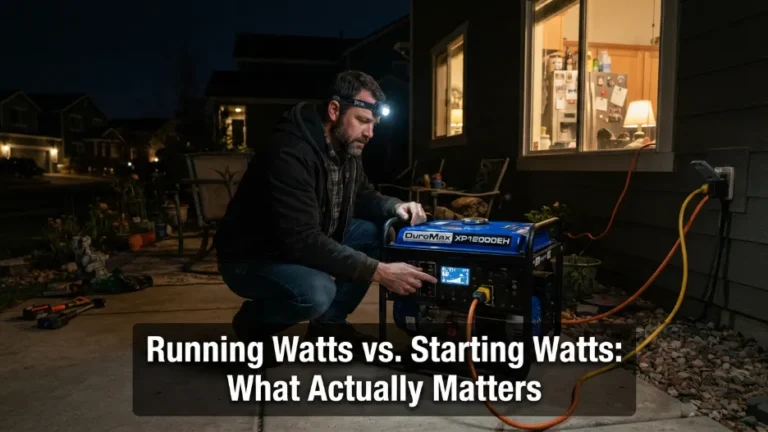
1. Running watts versus starting watts
Motors such as refrigerator compressors and pumps need a short surge to start. Add up the running watts of your essentials, then make sure the generator’s starting rating covers the largest motor.
2. Fuel type and storage
Gas generators give long runtime from a small tank, but fuel goes stale and must be rotated. Battery power stations need no fuel and can be recharged from a wall outlet or solar panels.
3. Noise and indoor safety
Gas engines produce carbon monoxide and must run outdoors, away from windows. If you need power indoors or in a noise-sensitive neighborhood, a battery station is the safer choice.
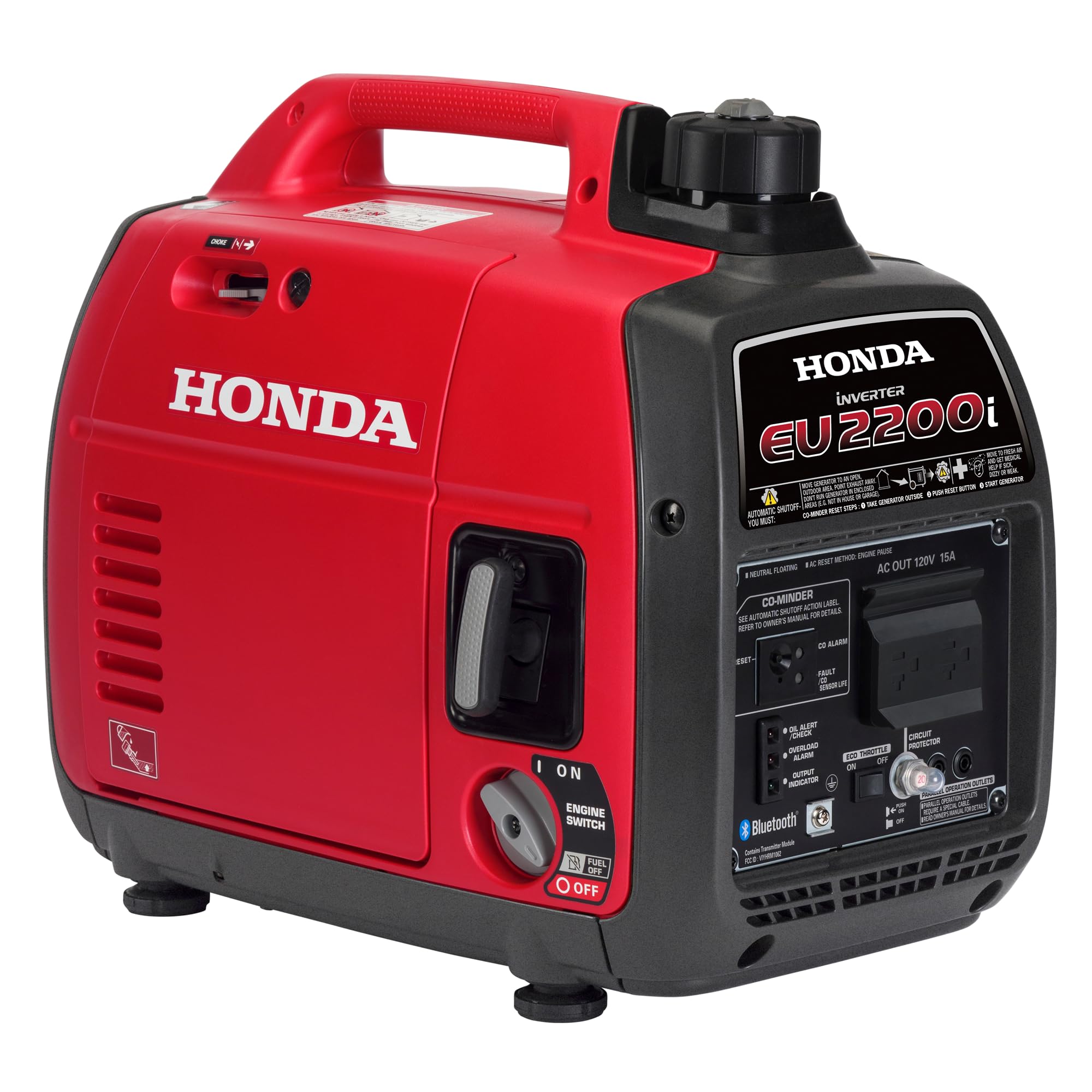
Honda EU2200i Portable Inverter Generator
Best for: Households that want quiet, reliable power for essentials
Most people buying a generator for an outage want something that starts on the first pull and does not wake the neighbors. The EU2200i has earned that reputation over many years of use. Its inverter design produces clean power that is safe for laptops, phones, and modern appliances. The compact body fits in a car trunk, and two units can be paralleled for more output. The trade-off is limited output for large motors, so it is not a whole-home solution. Choose it when you want dependable essentials power and can keep fuel on hand.
- Very quiet for a gas generator
- Clean inverter power for electronics
- Light enough to carry easily
- Cannot start large motors
- Small tank needs frequent refueling
- Rated output: 1,800 running watts
- Fuel: Gasoline
- Type: Inverter
- Weight: about 47 lb
- Parallel capable: Yes

EcoFlow DELTA 2 Portable Power Station
Best for: Indoor use, medical equipment, and apartments
If you cannot run a gas engine indoors, a battery station solves the problem. The DELTA 2 stores about 1,000 watt-hours and produces enough output for a fridge, lights, a router, and a CPAP or similar device for a night or more, depending on load. It recharges from a wall outlet or solar panels and runs silently. Its main limitation is capacity: it will not run a central air conditioner, and extended outages demand solar or a larger battery. It is the strongest choice when quiet, fuel-free operation matters most.
- Completely silent operation
- No fuel storage or carbon monoxide
- Fast recharging options
- Limited capacity for multi-day outages
- Premium price per watt-hour
- Capacity: about 1,024 Wh
- Output: 1,800 W
- Fuel: None (battery)
- Recharge: Wall outlet or solar
- Noise: Silent

Bluetti AC200MAX Power Station
Best for: Households planning for multi-day outages
The AC200MAX carries about 2,000 watt-hours in a single unit, which covers a refrigerator, medical equipment, and charging for several days. Its output is high enough for many common appliances, and expansion batteries can extend runtime further. Recharging from a wall outlet is fast, and solar input makes it practical for longer events. The unit is heavy, so it stays near where you plan to use it. Choose it if you want the most capacity in a portable battery and plan to add solar later.
- Large capacity for a portable unit
- Expandable battery support
- Solar input for long events
- Heavy to move
- Expansion batteries add cost
- Capacity: about 2,048 Wh
- Output: about 2,200 W
- Fuel: None (battery)
- Expandable: Yes
- Solar input: Supported
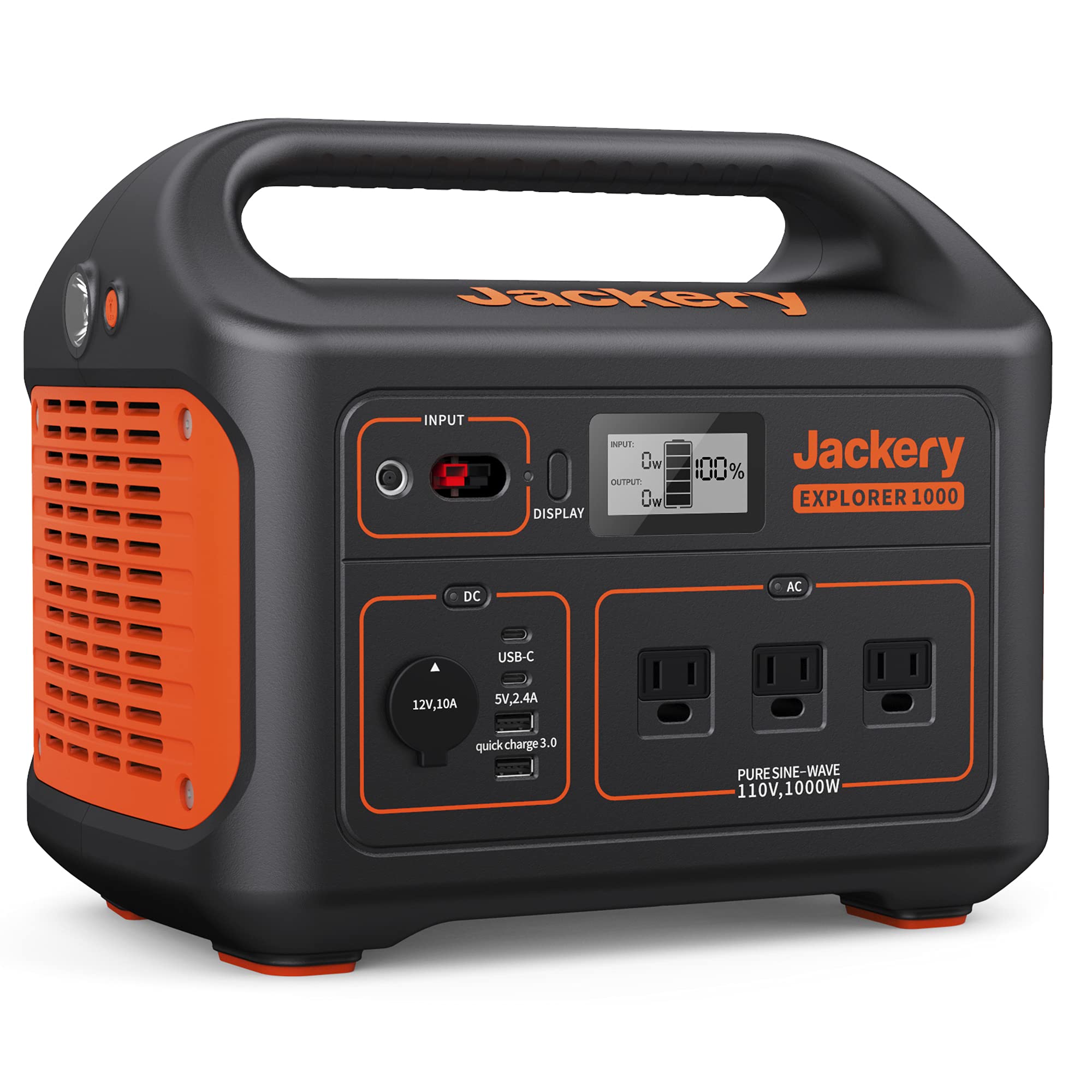
Jackery Explorer 1000 Portable Power Station
Best for: Small emergency kits and camping backup
The Explorer 1000 is a compact power station for keeping phones, a small fan, lights, and a mini-fridge running during a short outage. It is simple to operate and works well as a first step into battery backup. Its capacity is modest, so it will not carry a household through a long blackout on its own. Pair it with a folding solar panel if you expect multi-day events. It suits renters and small apartments that need a no-fuel option.
- Simple, straightforward controls
- Silent, fuel-free operation
- Limited capacity for extended outages
- Will not run large appliances
- Capacity: about 1,000 Wh
- Output: about 1,000 W
- Fuel: None (battery)
- Solar input: Supported

Westinghouse iGen4500 Portable Generator
Best for: Budget backup for a few essential circuits
The iGen4500 offers more output for less money than most inverter alternatives, and it includes features such as electric start on some configurations. It is a good fit for running a fridge, a freezer, and a few lights through a storm. The engine is louder than an inverter model and needs regular maintenance to stay reliable. Buyers who expect frequent extended use should budget for fuel and service. It makes sense when cost matters more than quiet operation.
- Strong output for the cost
- Electric start on some models
- Louder than inverter models
- Needs regular engine maintenance
- Rated output: about 3,700 running W
- Fuel: Gasoline
- Type: Portable generator
- Electric start: Available on some models
Top 3 Head-to-Head: Honda vs EcoFlow vs Bluetti
These three cover the most common choices: a quiet gas inverter, a silent battery, and a high-capacity battery for longer outages.
| Feature | #1 Honda | #2 EcoFlow | #3 Bluetti |
|---|---|---|---|
| Runtime | Good on gas | Moderate | Best |
| Noise | Quiet | Silent — Best | Silent |
| Indoor safe | No | Yes — Best | Yes — Best |
| Choose if… | You can refuel and need essentials | You need quiet, indoor power | You expect multi-day outages |
Who These Generators Are NOT For
No single unit suits every home. Match the tool to the load, not the other way around.
Common Mistakes to Avoid
Frequently Asked Questions About Disaster Generators
What size portable generator do I need for a disaster?
Add the running watts of the devices you must keep on, then add the starting surge of the largest motor. A unit rated about 2,000 watts covers a fridge, lights, a router, and phone charging for most homes. Larger homes with well pumps or medical equipment usually need more capacity or a second unit.
Is a power station better than a gas generator?
A power station is better when you need indoor, silent, fuel-free operation. A gas generator is usually better for long runtime on a single fill and for higher-power loads. Many households keep one of each for different situations.
Can I run a generator inside my garage?
No. Gas generators produce carbon monoxide even with the garage door open. Keep them outdoors and away from openings. Battery power stations are generally safe for indoor use because they produce no exhaust, though you should still follow the manufacturer’s guidance.
How long does gasoline last in a generator?
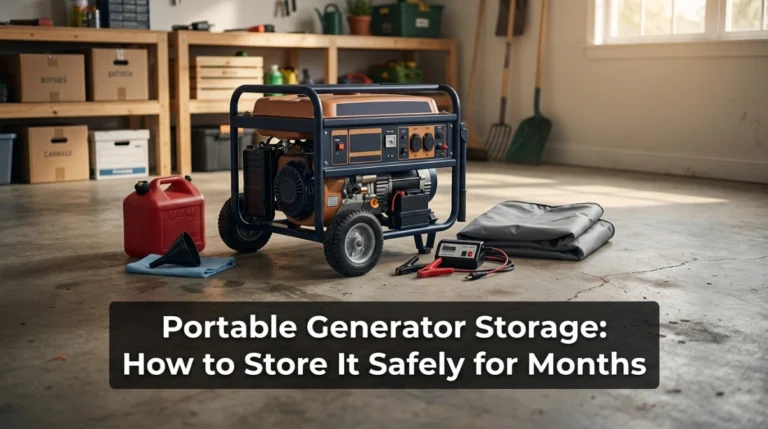
Untreated gasoline typically degrades within three to six months. Adding a fuel stabilizer extends its life considerably. Drain the tank or use stabilized fuel before long storage periods to avoid clogging the carburetor.
Can a portable power station run a refrigerator?
Yes, most mid-size power stations can run a standard refrigerator for many hours. Runtime depends on the fridge’s efficiency and how often the door opens. Keep the door closed as much as possible to extend the time you have.
Do I need solar panels with a battery generator?
Solar is optional for short outages but valuable for longer ones. A portable panel lets you recharge the battery each day without fuel. Check the power station’s maximum solar input before buying panels to ensure compatibility.
Our Final Verdict
The Honda EU2200i suits most households for its reliability and quiet running. Choose the EcoFlow DELTA 2 if indoor, fuel-free operation matters most, and the Bluetti AC200MAX for long outages with many appliances.

Hi, I’m Michael Turner. I own a generator workshop in the United States and founded HomeGeneratorBlog to share practical, hands-on guidance about generator installation, maintenance, troubleshooting, safety, and backup power solutions. My goal is to help homeowners make smarter, more confident decisions through clear and reliable information