How to Keep a Generator Tarp from Collecting Water (Easy Fixes)
Quick Answer
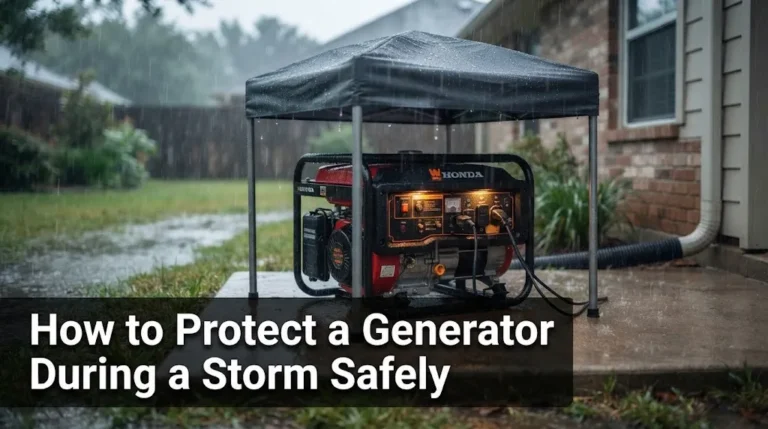
To keep a generator tarp from collecting water, you must eliminate flat, sagging surfaces by creating a center crown, an A-frame slope, or a rigid internal support frame. Pulling a flat tarp tightly across a generator will still allow water to puddle under heavy rain, so establishing continuous downhill drainage is essential.
Why Generator Tarps Collect Water and Why It Matters
When bad weather strikes, throwing a standard tarp over a portable generator is a common temporary fix. However, a loose or flatly suspended sheet quickly turns into a heavy water basin during a steady downpour.
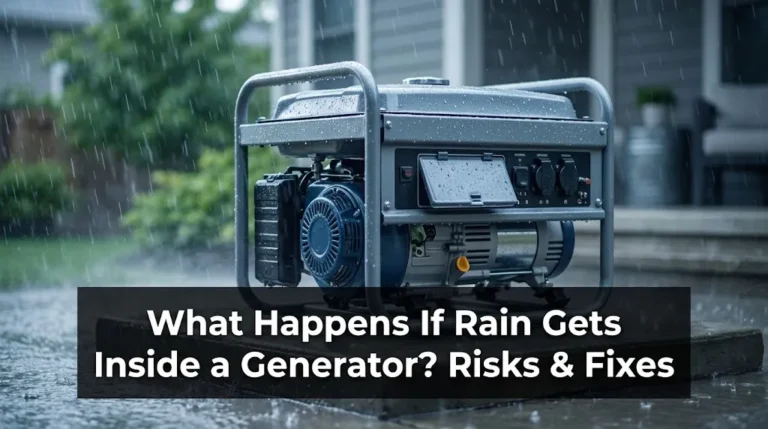
Water pooling on a generator cover creates several major problems. The sheer weight of standing water can cause the tarp to sag until it rests directly against hot exhaust components, a plastic fuel tank, or electrical sockets. Furthermore, a heavy pocket of water can eventually tear grommets, pull tie-down anchors loose, or spill hundreds of gallons of accumulated rain straight onto the engine housing.
Stopping water accumulation requires changing the geometry of the cover. A heavier or thicker tarp alone will not prevent pooling if the surface remains flat or horizontal. Water needs a continuous downhill path to run off the edges completely.
1. Build a Center Crown or Ridge Support
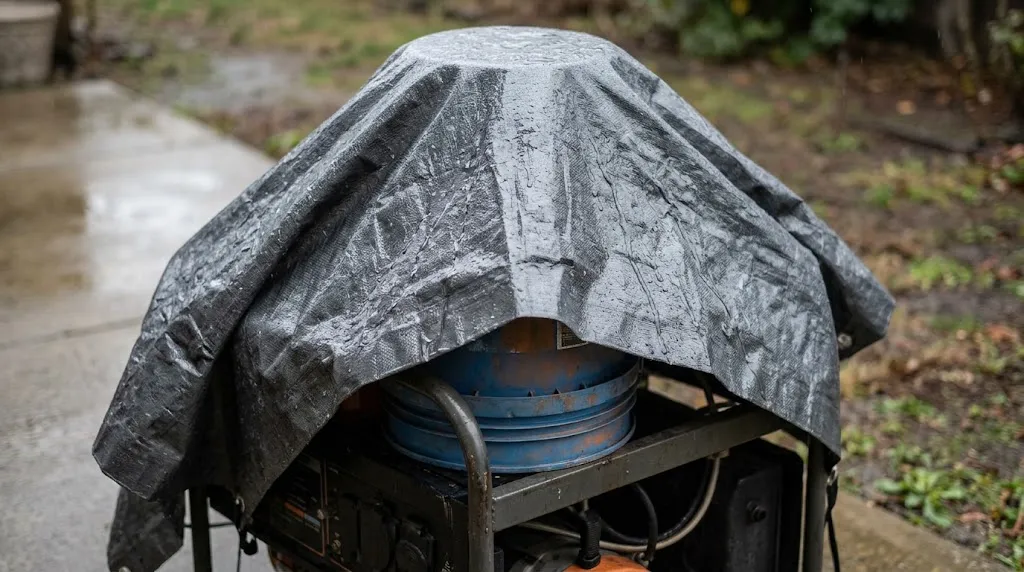
The single most effective way to stop a tarp from collecting water is to raise the center above the height of the generator frame. If the cover has an upward slope in every direction, rain will naturally slide off the sides.
Avoid placing a sharp object directly under the center of the sheet, as wind vibration can easily puncture the material. Instead, use a smooth, padded contact surface. Placing an inverted plastic bucket, a smooth wooden block wrapped in cloth, or a custom PVC pipe ridge pole across the top of the generator creates a reliable high point.
For larger portable units, constructing a simple frame out of PVC pipes or wood slats provides a stable roof slope. A pitched A-frame or a rounded dome shape forces water outward instead of letting it settle into a central depression.
2. Adjust Tarp Tension and Anchor Points
Even with a center support, a sloppy or unevenly pulled cover will develop low spots where puddles can form. Proper tensioning distributes the fabric evenly across the frame.
When securing the cover, work in diagonal pairs rather than pulling one corner completely tight at a time. Make several gradual passes, adjusting bungee cords or ropes evenly. The goal is a firm, controlled shape rather than maximum pulling force that distorts the seams or rips the eyelets.
Tip
Use adjustable bungee cords or rubber tarp straps instead of rigid rope. Bungees absorb high winds without snapping, keeping the tension stable even when heavy rain stretches the fabric.
3. Eliminate Wide Unsupported Spans
Wide, flat bays between the edges of the generator and the control panel are prime locations for sagging. If your generator has a rectangular profile, any horizontal span wider than a couple of feet will eventually dip under the weight of water unless supported from underneath.
Adding intermediate crossbars or cross-straps underneath the tarp prevents the fabric from dipping downward. By breaking one large unsupported span into smaller sections, you maintain a taut surface that sheds water instantly.
4. Lower One Edge to Create a Lean-To Slope
If your generator is placed against an exterior wall or a fence, you do not necessarily need a symmetrical tent shape. A single-slope or lean-to configuration is often much easier to manage.
Raise one side of the cover significantly higher—such as leaning it against a stable bracket or structural post—and anchor the opposite side lower down. This gives the entire sheet a continuous downhill slant, ensuring all runoff drains away in one predictable direction without pooling in the middle.
Warning
Never block the generator’s exhaust path or ventilation louvers with a tarp. Trapped exhaust can cause carbon monoxide buildup, and restricted airflow can cause the engine to overheat rapidly.
5. Water-Test and Inspect After Installation
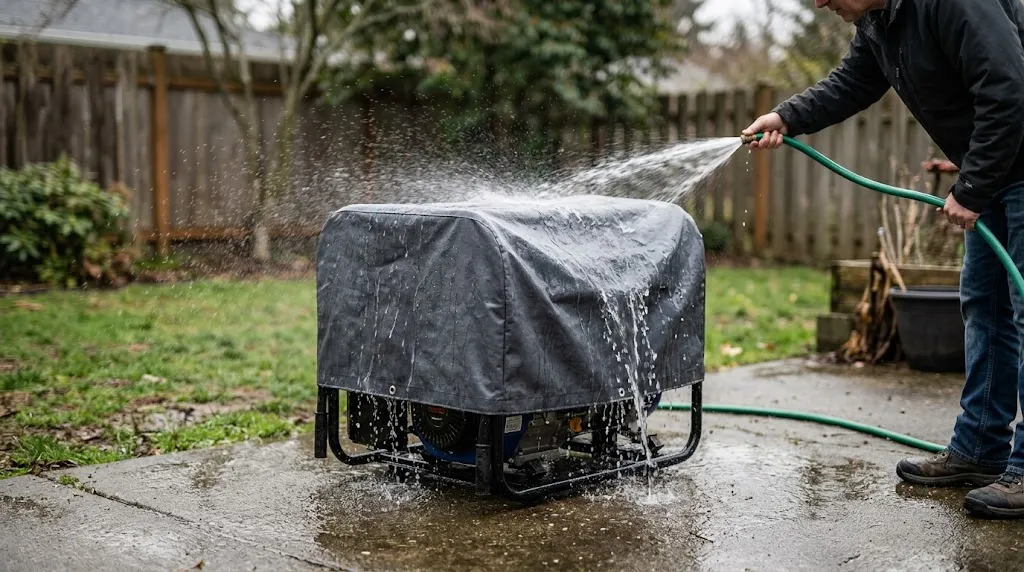
Do not wait for a major storm to find out if your setup works. Once you have secured the tarp over your generator, test it using a garden hose on a light spray setting.
Observe where the water travels. Watch closely to see if any areas slow down, reverse direction, or begin to form small pockets. If a puddle starts to form, adjust the support height or tighten the adjacent anchor point immediately. Correcting the geometry before heavy weather arrives prevents sudden structural failure during a midnight storm.
Related Product
Heavy-Duty Waterproof Tarp with Reinforced Grommets
A durable, UV-resistant waterproof cover with reinforced edges provides reliable weather protection without stretching or sagging under heavy rain.
As an Amazon Associate, we earn from qualifying purchases.
Frequently Asked Questions
Can I let a tarp rest directly on top of my generator?
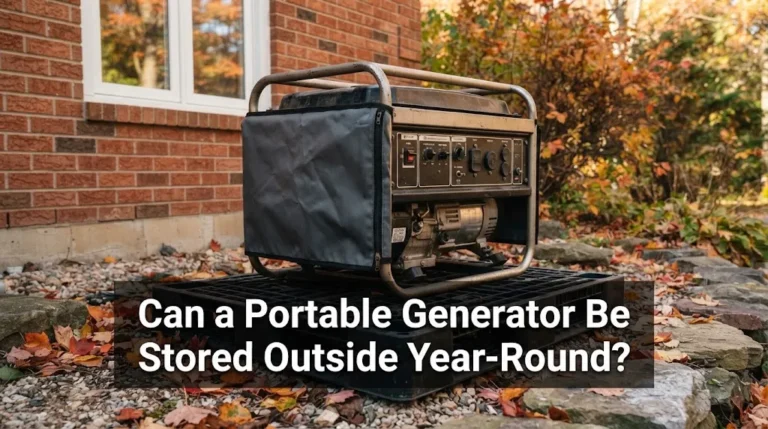
Resting a tarp directly on a generator is risky. It leaves no room for airflow, can trap moisture against metal surfaces, and risks melting if the tarp touches hot engine parts or the exhaust muffler after running.
How do I stop water from pooling in the middle of a flat tarp?
You must break the flat span by introducing a center crown, support pole, or internal frame. Raising the middle ensures that gravity pulls water down and away toward the outer edges rather than allowing it to collect in a sagging depression.
What is the best material for an outdoor generator cover?
A heavy-duty polyethylene, vinyl-coated polyester, or heavy canvas tarp with waterproof treatment works best. Ensure the material is UV-treated so sunlight does not degrade the fabric and cause weak spots where water can pool.
Is it safe to run a generator underneath a tarp?
You can run a generator under a protective cover only if there is sufficient clearance on all sides for exhaust ventilation and cooling. Never enclose a running generator in a tight tent, as this creates extreme fire and carbon monoxide hazards.
How tight should I pull the tie-downs?
Pull the ties firm enough to eliminate loose folds, but avoid maximum tension that distorts the grommets or tears the hems. Leave enough give so the tarp can handle wind gusts without ripping its anchor points.
Why does water keep pooling in the same spot after I tighten the corners?
Tightening only the corners often deepens a central sag if the underlying span lacks vertical support. To fix this, raise the center support structure or add crossbars to eliminate the low bay entirely.
Conclusion
Preventing water from collecting on a generator tarp comes down to proper geometry rather than brute-force tension. By building a center crown, eliminating wide flat spans, and establishing a clear downhill drainage slope, you can protect your equipment from heavy pooling. Taking a few minutes to support and test your cover before a storm ensures your generator stays dry, secure, and ready when you need it most.

Hi, I’m Michael Turner. I own a generator workshop in the United States and founded HomeGeneratorBlog to share practical, hands-on guidance about generator installation, maintenance, troubleshooting, safety, and backup power solutions. My goal is to help homeowners make smarter, more confident decisions through clear and reliable information