How to Design a Safe DIY Generator Shelter: Step-by-Step Guide
Quick Answer
A safe DIY generator shelter must prioritize continuous cross-ventilation, heavy-duty weather protection, secure exhaust clearance, and dry electrical housing to prevent carbon monoxide buildup and fire hazards.
Why a Proper Generator Shelter Matters
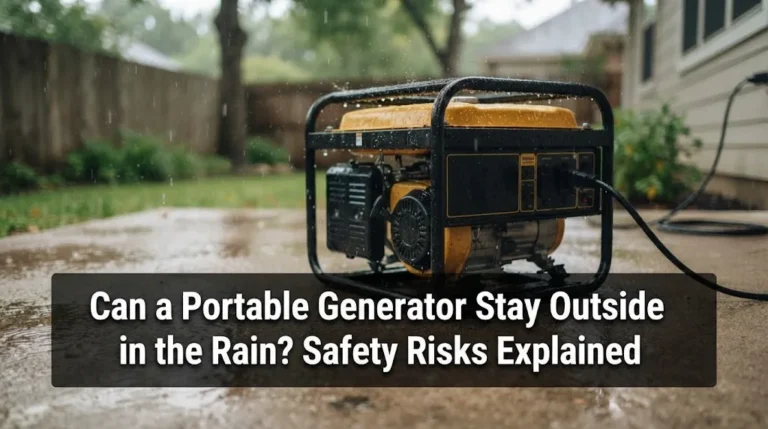
Portable generators provide critical backup power during severe weather and grid failures, but running them improperly introduces severe risks. Without adequate protection, rain can short-circuit electrical components or damage the alternator. At the same time, operating a generator in an enclosed space creates an immediate risk of lethal carbon monoxide accumulation.
Designing a dedicated shelter balances two competing needs: shielding the unit from moisture and debris while providing unrestricted airflow for exhaust and cooling. Getting this balance wrong can damage expensive equipment or create life-threatening conditions.
Core Safety Rules Before You Build
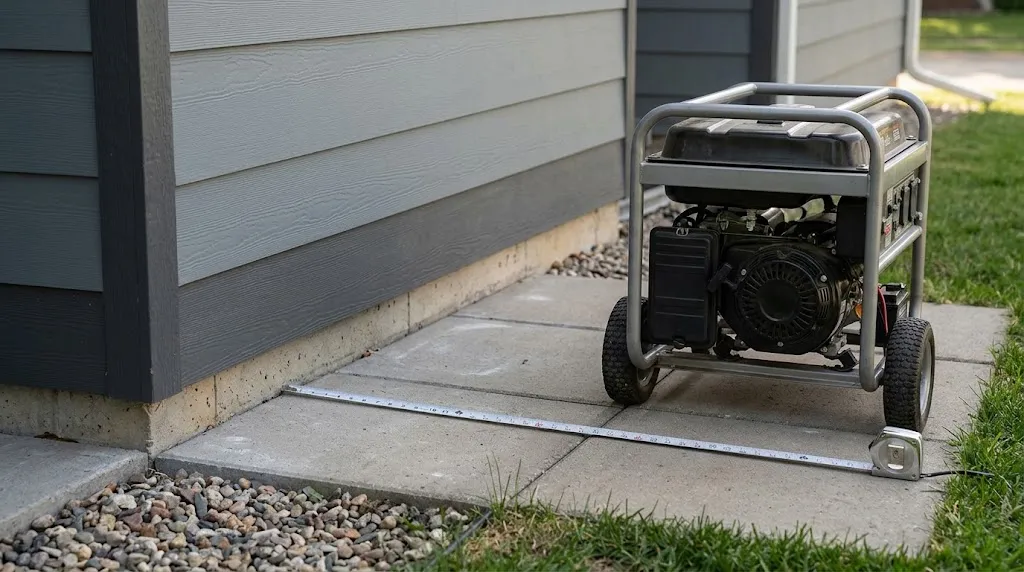
Before planning your shelter layout or purchasing materials, several fundamental safety margins must be established based on manufacturer specifications and safety codes.
- Distance from structures: The shelter must remain at least 15 to 20 feet away from windows, doors, and vents to prevent exhaust fumes from entering living spaces.
- Clearance around the unit: Leave a minimum of 3 to 4 feet of clear space on all sides of the generator for heat dissipation and maintenance access.
- Ground stability: The structure must sit on a level, non-combustible base such as concrete pavers or gravel rather than direct bare soil or wooden decking without proper heat shields.
Designing for Exhaust and Ventilation
Ventilation is the single most important design element of any generator enclosure. Generators pull in cool air to manage engine temperatures and expel hot, toxic exhaust gases containing carbon monoxide.
Your shelter design must incorporate louvered vents or intake openings placed low to the ground near the alternator end, combined with high-level exhaust extraction points. Many builders use automated louvers or dual-side baffling that stays shut during rainstorms but opens wide or provides continuous passive airflow when the engine runs.
Warning
Never run a portable generator inside a fully enclosed shed, garage, or tight makeshift box. Even with passive vents, standard enclosures trap carbon monoxide quickly.
Step-by-Step Design Checklist
Planning your DIY build systematically ensures you account for structural rigidity, weather shedding, and electrical safety.
- Measure your generator: Note the exact footprint, height, and exhaust pipe position so the housing leaves ample clearance.
- Choose weather-resistant framing: Use pressure-treated lumber, galvanized steel framing, or heavy-duty composite panels that withstand prolonged outdoor exposure.
- Plan the roof pitch: Design a sloped roof to shed rain and snow rapidly away from the intake and exhaust vents.
- Incorporate access panels: Add a hinged lid or removable side door so you can refuel safely and check oil levels without crawling inside the structure.
- Install carbon monoxide monitoring: Mount a battery-operated outdoor-rated or nearby indoor CO detector to alert you if fumes drift toward living areas.
Managing Moisture and Electrical Safety
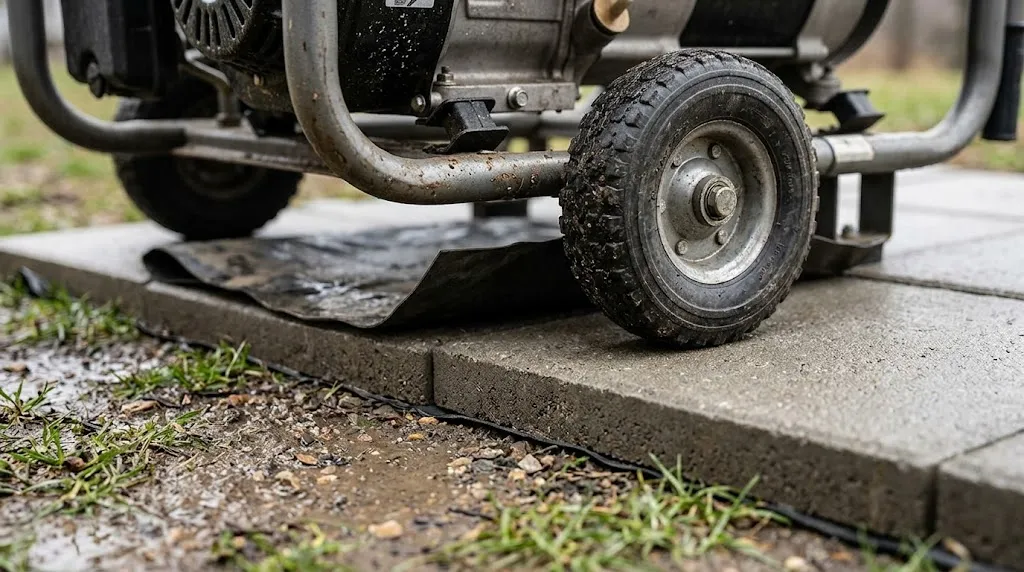
Generators and water do not mix. Even in a covered shelter, blowing rain or high humidity can corrode outlets and sensitive inverter panels.
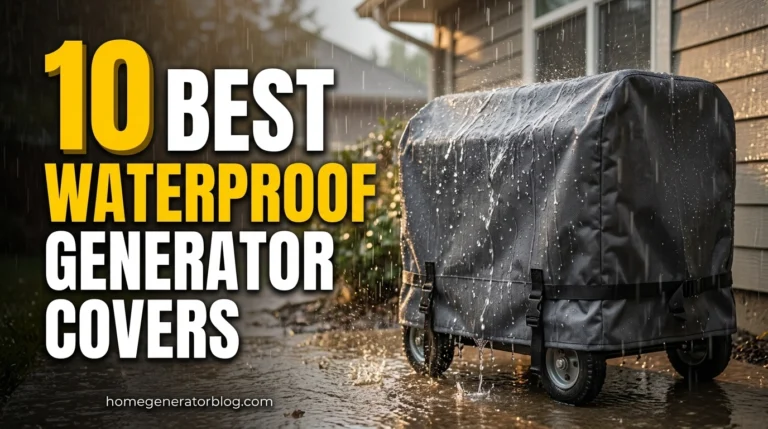
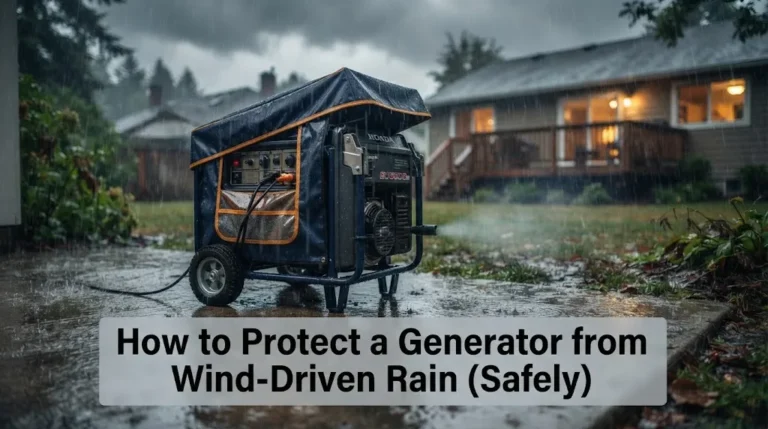
Elevate the generator base slightly above the surrounding ground to prevent pooling water from reaching the frame or wheel assembly. Use weather-resistant covers when the unit is completely cool and turned off, but remove fabric covers entirely before starting the engine to eliminate fire hazards.
Tip
Direct the generator exhaust port outward through a dedicated metal exhaust baffle or louvered opening so hot gases never pool inside the enclosure walls.
Common Mistakes to Avoid
Many DIY generator shelters fail because builders focus solely on weather protection while ignoring thermodynamics and safety codes. Avoid these frequent errors:
- Building a tight box with small drill-hole vents that restrict airflow and cause the engine to overheat.
- Placing the shelter directly against exterior house walls beneath open windows.
- Using flammable interior linings or insulating foam exposed to high exhaust temperatures.
- Failing to provide a secure anchoring system, leaving the shelter vulnerable to high winds during severe storms.
Related Product
Generator Cover and Weather Shield Accessories
Durable weather-resistant covers and frame shields help protect your portable generator from moisture and dust between uses.
As an Amazon Associate, we earn from qualifying purchases.
Frequently Asked Questions
Can I build a generator shelter right next to my house exterior?
No. Generators must be placed at least 15 to 20 feet away from exterior walls, windows, and doors to ensure toxic carbon monoxide exhaust dissipates safely before reaching living spaces.
Do I need active fans to ventilate a generator shelter?
Most portable generator shelters rely on large passive louvered vents for natural airflow. If you use electric ventilation fans, they must be powered by a separate source, not the generator itself, to avoid electrical overload risks.
What materials work best for framing a DIY generator shelter?
Pressure-treated lumber, exterior-grade plywood, and corrugated metal roofing are popular choices because they resist moisture, handle outdoor elements, and provide sturdy structural support.
Should I cover the generator while it is running?
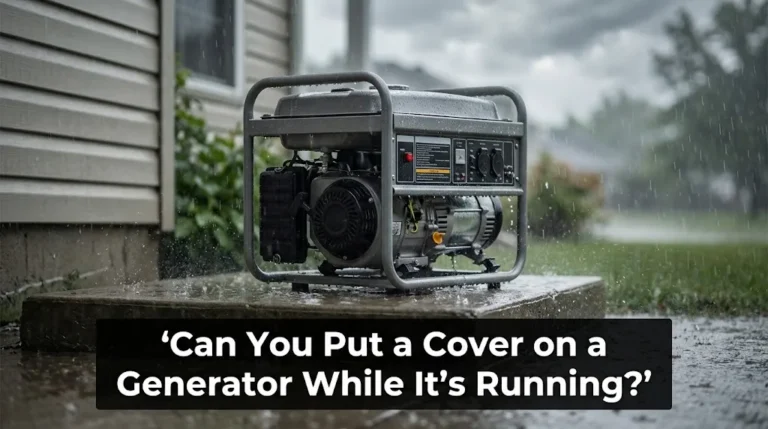
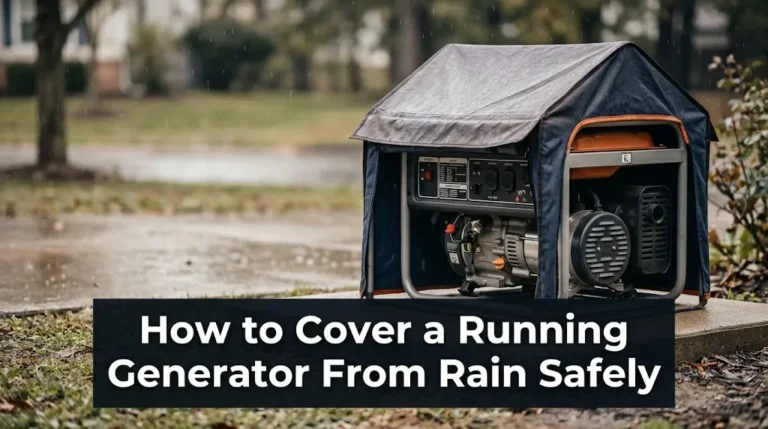
Never run a generator with a standard fitted fabric cover attached. The engine produces extreme heat that requires open airflow and direct ventilation to prevent fire hazards and engine failure.
How do I secure the shelter against high winds during storms?
Anchor the shelter frame securely to heavy concrete pavers, ground anchors, or a poured concrete slab so severe winds cannot lift or shift the structure during severe weather events.
Can rain damage a generator if it is inside a partially open shelter?
Wind-driven rain can reach electrical outlets if proper overhangs and slanted louvers are missing. Using weatherproof outlet covers and maintaining adequate roof overhangs helps keep moisture away from sensitive components.
Conclusion
Designing a safe DIY generator shelter requires careful attention to ventilation, clearance margins, and weather protection. By prioritizing continuous airflow, proper distance from living areas, and sturdy anchoring, you can protect your equipment from harsh weather while maintaining safe operation. Planning your build with safety as the primary focus ensures reliable backup power whenever emergencies strike.

Hi, I’m Michael Turner. I own a generator workshop in the United States and founded HomeGeneratorBlog to share practical, hands-on guidance about generator installation, maintenance, troubleshooting, safety, and backup power solutions. My goal is to help homeowners make smarter, more confident decisions through clear and reliable information