What Is the Best Generator to Buy for a Home?
The best generator for a home depends on which appliances you need to run, how long power outages usually last, and whether you want backup power for a few essentials or most of your house. For many households, a portable inverter generator is worth considering for essential appliances and occasional outages, while a permanently installed standby generator is a better fit for homeowners who want automatic backup for selected circuits or a larger portion of the home.
Before choosing a model, estimate your power requirements, compare available fuel options, and decide whether portability or automatic operation matters more. The right generator should meet your household’s actual needs without encouraging unsafe indoor operation, unsuitable electrical connections, or unnecessary capacity.
Quick Comparison: Which Type of Home Generator Is Best?
| Generator Type | Best For | Main Advantage | Main Consideration |
|---|---|---|---|
| Portable inverter | Essential appliances and smaller loads | Portable design and often quieter operation than conventional portable models | Limited output compared with larger systems |
| Conventional portable | Higher portable power needs | A range of output capacities and configurations | Noise, fuel handling, and manual setup |
| Dual-fuel portable | Homes wanting fuel flexibility | Can operate on two supported fuel types | Output and runtime can vary by fuel |
| Standby generator | Automatic household backup | Designed for permanent installation and automatic transfer when properly configured | Installation, permits, maintenance, and higher overall cost |
| Battery power station | Small electronics and quiet indoor backup | No exhaust emissions during use | Finite stored energy and recharge requirements |
1. Portable Inverter Generator: Best for Essential Home Backup
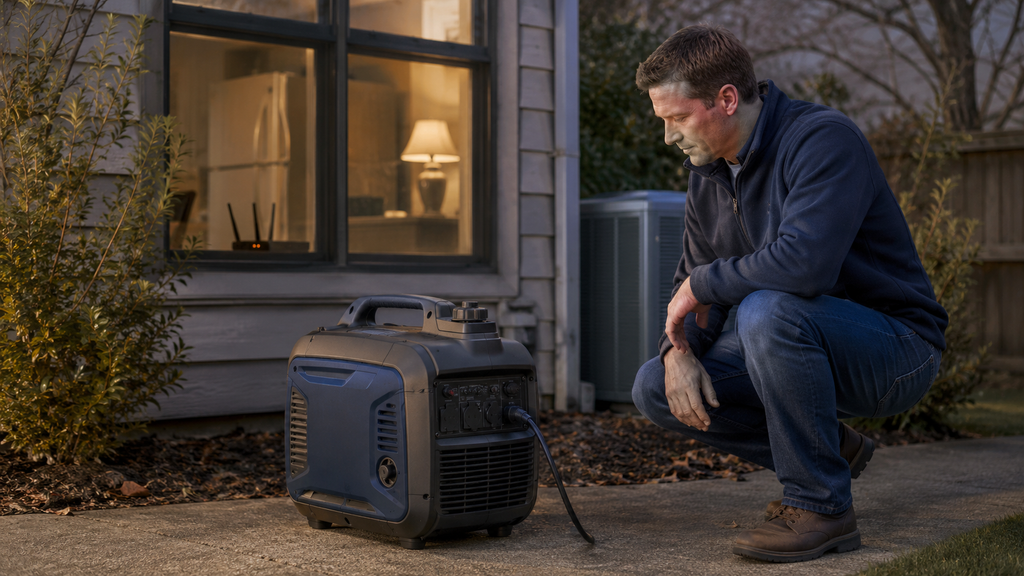
A portable inverter generator is a practical option for homeowners who want to power selected essentials during an outage. Depending on its rated output, it may support items such as lights, phone chargers, a router, a television, or a suitably sized refrigerator. Whether several appliances can run together depends on their running wattage and startup requirements.
Inverter generators produce electricity using electronic power conversion, which can provide stable output suitable for many sensitive electronic devices when the specific model is designed and rated for that use. Many inverter models also adjust engine speed according to demand, helping reduce noise and fuel consumption under lighter loads.
What to check before buying
- Rated wattage: Check the continuous output, not just the advertised starting or peak wattage.
- Starting requirements: Refrigerators, pumps, and other motor-driven equipment may need extra power when starting.
- Noise rating: Compare manufacturer-reported sound levels and the distance at which they were measured.
- Runtime: Look for runtime information at a stated load rather than relying on a maximum-runtime headline alone.
- Outlets: Confirm that the generator has the outlet types and electrical ratings your equipment requires.
An inverter generator is not automatically powerful enough for a whole house. It is usually more appropriate when you have prioritized a small group of appliances and can manage their combined electrical demand.
2. Conventional Portable Generator: Best for Higher Portable Power Needs
A conventional portable generator may be a better fit when you need more output than a smaller inverter unit can provide. Models differ substantially in capacity, fuel type, noise, portability, and outlet configuration, so compare the specifications of individual generators rather than assuming that every portable model has the same capabilities.
This category can suit households that need to run several selected appliances during an outage. However, greater output does not remove the need to calculate loads, follow electrical ratings, and keep the generator outdoors in a safe location.
Important buying considerations
- Power capacity: Match rated output to the appliances you plan to operate simultaneously.
- Portability: Check weight, wheels, handles, and whether one person can move the unit safely.
- Fuel consumption: Compare fuel use at similar loads where the manufacturer provides comparable figures.
- Protection features: Check for documented features such as overload protection and low-oil shutdown.
- Maintenance: Review oil-change intervals, air-filter service, spark-plug requirements, and storage instructions.
A conventional portable generator may be useful for larger loads, but it can be noisy and requires active management. You must also arrange a safe method of powering household circuits; never connect a generator directly to a wall outlet or improvise a connection that can energize utility lines.
3. Dual-Fuel Generator: Best for Fuel Flexibility
A dual-fuel generator can run on two supported fuel types, commonly gasoline and propane in some markets. This flexibility can be useful when one fuel becomes inconvenient to obtain or when you want to choose between available fuel sources. The actual benefit depends on local fuel availability, storage arrangements, and the generator’s performance on each fuel.
Do not assume that a dual-fuel generator delivers identical output or runtime on both fuels. Check the manufacturer’s specifications for each operating mode, the correct fuel connections, and the permitted operating procedure.
Who should consider one?
- Homeowners who want more than one supported fuel option.
- Households that can store and handle fuel safely according to local rules.
- Users who understand that fuel conversion and operating procedures must follow the manufacturer’s instructions.
- People prepared to maintain the generator even when it is not used frequently.
Fuel flexibility is not a substitute for planning. Gasoline requires careful storage and can deteriorate during long periods of storage. Propane cylinders and connections also require appropriate handling and storage. Follow the product manual and local fire-safety requirements.
4. Standby Generator: Best for Automatic Backup
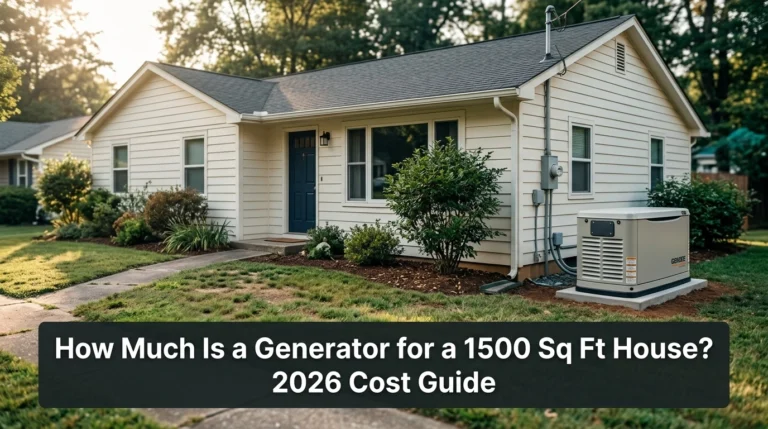
A standby generator is permanently installed outside the home and connected through an appropriate transfer system. When correctly sized and installed, the system can detect a utility outage and supply designated household circuits automatically. Depending on the model and installation, it may support essential circuits or a larger portion of the home’s electrical demand.
This is often the most convenient option for people who want backup power without moving equipment, refueling a portable unit by hand, or setting up cables during an outage. That convenience comes with more installation planning and ongoing maintenance than a typical portable generator.
Before choosing a standby model
- Load calculation: Have a qualified professional assess which circuits and appliances need backup power.
- Fuel supply: Confirm whether the system uses an available permitted fuel source and whether the supply can meet its requirements.
- Transfer equipment: Use a compatible transfer switch or approved transfer arrangement installed by a qualified professional.
- Location: Follow the manufacturer’s clearance instructions and applicable building and fire codes.
- Maintenance: Account for inspections, scheduled servicing, and periodic operation as specified by the manufacturer.
A standby generator may be excessive if you only need to charge phones and power a few lights occasionally. It is more compelling when automatic operation, longer outages, or the need to maintain multiple household systems justifies a permanent installation.
5. Portable Power Station: Best for Quiet, Small-Load Backup
A portable power station stores electricity in a battery and supplies power through its built-in outlets. It can be a useful option for charging phones, powering laptops, running networking equipment, and operating other compatible low-power devices. Because it does not burn fuel while supplying stored battery energy, it produces no exhaust emissions during use.
Unlike a fuel-powered generator, a battery station has a finite amount of stored energy. How long it runs depends on battery capacity, inverter efficiency, the connected load, and any power used by the device itself. High-power appliances and long outages can quickly exceed the capacity of a small unit.
Check these specifications
- Battery capacity: Compare watt-hours (Wh) to estimate how much energy is stored.
- Output rating: Confirm the continuous AC output and any supported surge capacity.
- Charging options: Review wall, vehicle, or solar charging support where relevant.
- Battery chemistry: Check the manufacturer’s cycle-life information, operating limits, and warranty.
- Expansion: Determine whether additional batteries are supported if you expect longer backup periods.
A power station can complement a generator, particularly for quiet overnight use or small electronics. It should not be treated as a direct substitute for a fuel generator when sustained high electrical loads are required.
How Much Generator Power Does a Home Need?
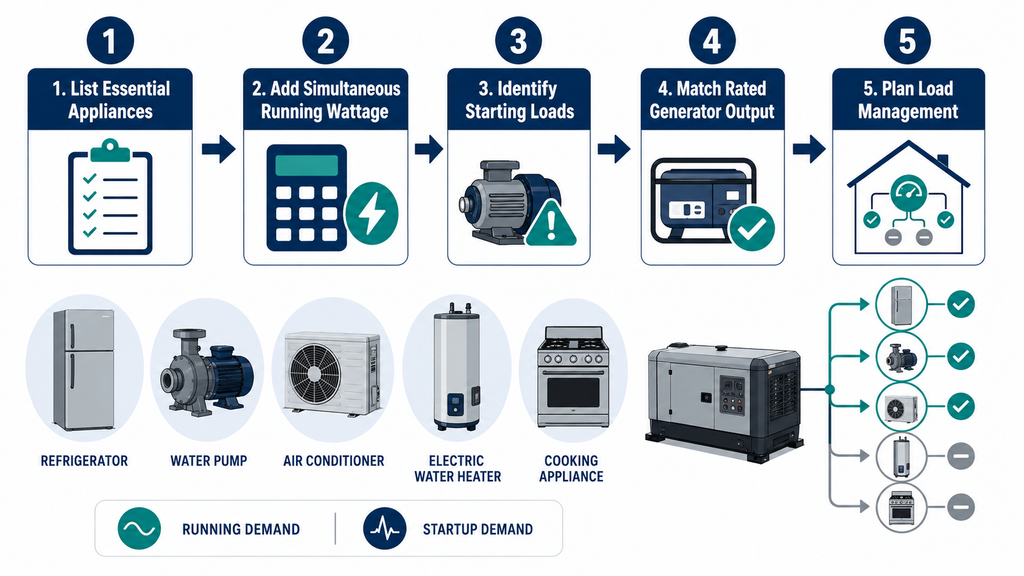
The correct generator size depends on the appliances you want to run together, their electrical requirements, and any large starting loads. Do not choose a generator based only on the size of your home or a general wattage recommendation.
Start by making a list of the essential equipment you expect to use during an outage. For each item, record its running wattage and, where applicable, its starting or surge requirement. Appliance labels and manufacturer manuals are useful starting points, but some equipment requires a more detailed electrical assessment.
A simple generator-sizing method
- List the essential appliances and circuits.
- Add the running wattage of the equipment that will operate simultaneously.
- Identify the largest relevant starting load and account for overlapping startup demands.
- Choose a generator whose rated output can safely handle the intended load.
- Ask a qualified electrician to assess whole-house connections and larger electrical systems.
Leave a suitable operating margin rather than selecting a unit that must run continuously at its maximum rating. Follow the manufacturer’s instructions for load management.
Refrigerators, freezers, well pumps, air conditioners, electric water heaters, and cooking appliances can have very different electrical requirements. Large heating and cooling systems may require substantially more capacity than lights and small electronics. A professional load assessment is particularly important when the plan includes several large appliances or connection to household circuits.
Which Fuel Type Is Best for a Home Generator?
There is no universally best fuel. The right option depends on the generator’s design, local availability, storage conditions, operating duration, and applicable regulations.
- Gasoline: Common for portable generators, but it needs safe storage and careful handling. Stored gasoline can deteriorate, so follow the manual’s fuel-storage and maintenance instructions.
- Propane: Available on compatible generators and can be stored in approved cylinders or tanks. Check the equipment’s fuel requirements and local storage rules.
- Natural gas: Used by some permanently installed standby generators where a suitable gas connection is available. Supply capacity and installation must be professionally assessed.
- Diesel: Used in some larger generator systems. Fuel storage, ventilation, maintenance, noise, and local emissions requirements should be considered.
- Battery storage: Avoids fuel combustion during use, but requires adequate stored energy and a practical recharging plan.
Do not modify a generator to accept an unapproved fuel or connection. Use only the fuels and configurations specified by the manufacturer, and have permanent fuel connections installed by qualified professionals.
Essential Generator Safety Rules
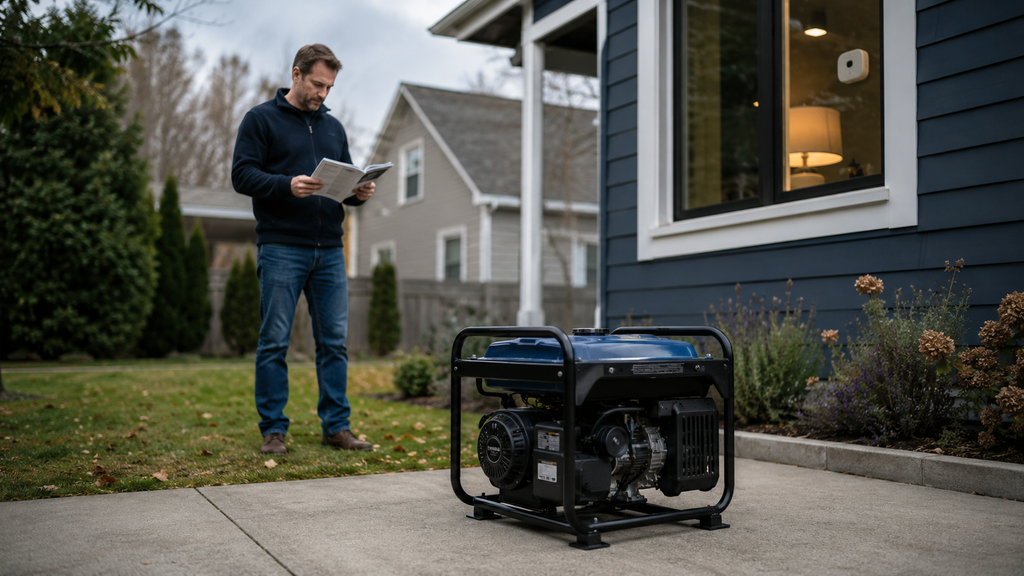
Generator safety should be a deciding factor, not an afterthought. Fuel-powered generators produce carbon monoxide, a poisonous gas that cannot be seen or smelled. Operating one in a house, garage, basement, shed, or other enclosed or partially enclosed space can cause fatal poisoning.
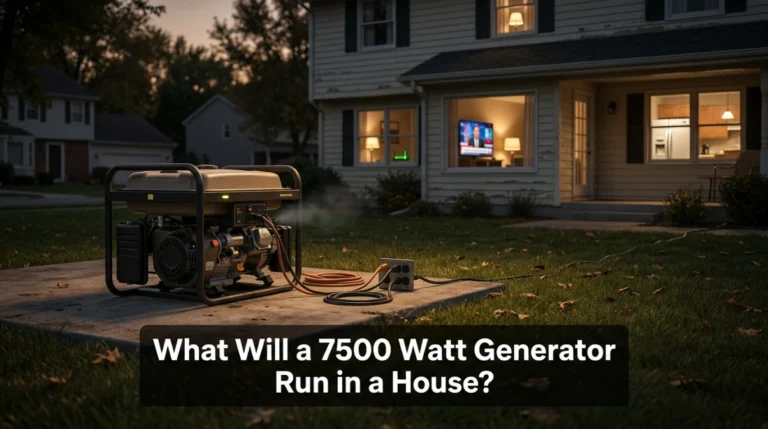
- Operate fuel-powered generators outdoors, well away from doors, windows, and air intakes, following the manufacturer’s clearance instructions and local safety guidance.
- Never run a fuel-powered generator inside a home, garage, basement, shed, or enclosed porch, even if doors or windows are open.
- Install and maintain carbon monoxide alarms according to their instructions and local requirements.
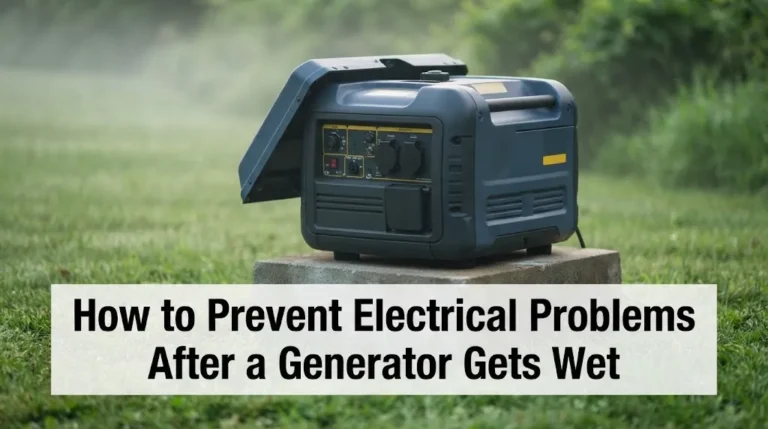
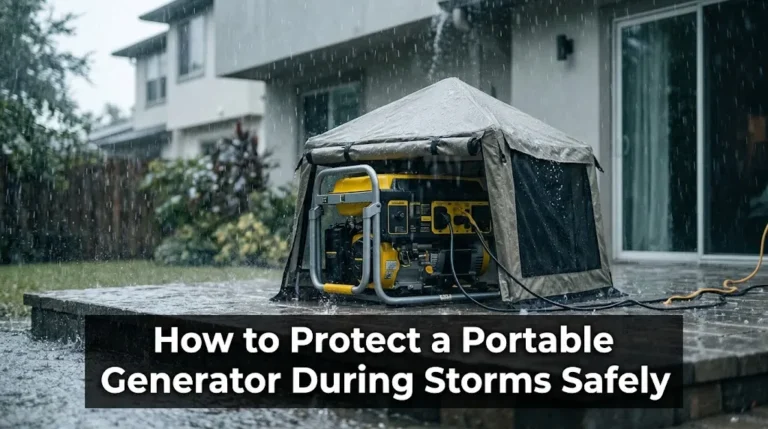
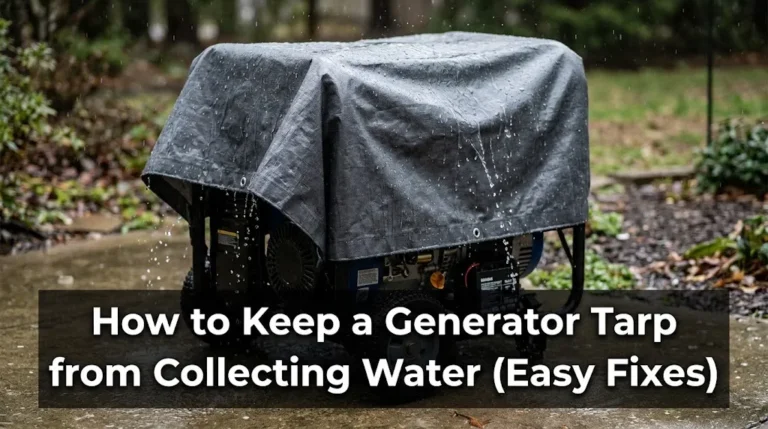
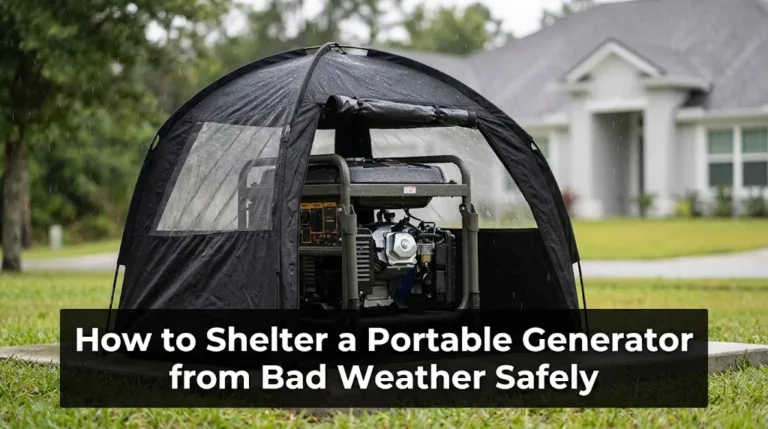
- Keep generators dry and protect them from rain only with a purpose-designed arrangement that does not restrict ventilation or create an electrical hazard.
- Never backfeed a home through a wall outlet. Use a properly installed transfer switch or other approved connection method.
- Let hot equipment cool before refueling, and keep fuel away from flames, sparks, and hot surfaces.
- Follow grounding, extension-cord, electrical-load, and maintenance instructions in the owner’s manual.
For detailed safety guidance, consult the U.S. Consumer Product Safety Commission at CPSC.gov and the generator manufacturer’s official instructions. Local electrical, building, and fire rules may differ by location.
Common Mistakes to Avoid When Buying a Home Generator
- Buying by peak wattage alone: Check the rated continuous output and the requirements of connected equipment.
- Assuming every portable generator can power a whole house: Capacity and connection arrangements vary significantly.
- Ignoring noise: A loud generator can be disruptive, especially in a densely populated neighborhood.
- Overlooking fuel availability: A generator is less useful if its required fuel cannot be obtained or safely stored when needed.
- Forgetting maintenance: Infrequent use does not eliminate the need for scheduled servicing and proper storage.
- Using unsafe household connections: Improvised wiring and backfeeding can cause electric shock, fires, and danger to utility workers.
- Skipping installation planning: Standby systems and home-circuit connections require appropriate equipment and qualified installation.
Frequently Asked Questions
What is the best type of generator for a typical home?
For essential appliances and occasional outages, a suitably sized portable inverter or conventional portable generator may be sufficient. For automatic backup to selected household circuits or a larger load, a professionally installed standby generator may be a better fit. The right choice depends on your power requirements and budget.
Can a portable generator power an entire house?
Some portable generators can support substantial loads, but whether one can power an entire house depends on its rated output and the home’s electrical demand. A safe, code-compliant transfer arrangement is also required for connecting generator power to household circuits.
Is an inverter generator better than a conventional generator?
An inverter generator is often attractive when quieter operation, portability, and power for electronics are priorities. A conventional portable generator may offer a more suitable configuration for some higher-power needs. Compare specific models’ rated output, noise, fuel use, outlets, and safety features.
How long can a home generator run?
Runtime varies by generator design, fuel capacity, load, fuel type, and operating conditions. Check the manufacturer’s runtime figures at a stated load and follow its limits for continuous operation, maintenance, and refueling.
Is a battery power station enough for a power outage?
A battery power station may be enough for small electronics, lights, and other compatible low-power devices if its capacity is adequate. It may not be suitable for large appliances or extended outages without a larger battery system and a reliable recharge source.
Where should a fuel-powered generator be placed?
Place it outdoors in a location that follows the manufacturer’s clearance requirements and applicable local safety guidance, away from doors, windows, and air intakes. Never operate it inside a house, garage, shed, or other enclosed or partially enclosed space.
Final Verdict: What Is the Best Generator to Buy for a Home?
The best home generator is the one that safely supports your priority appliances and matches the way you expect to use backup power. A portable inverter generator is a strong category to investigate for essential loads, a conventional portable or dual-fuel model may suit different portable-power needs, and a standby generator is worth considering when automatic household backup is the priority.
If you only need to keep small electronics running, a portable power station may be simpler and quieter. Before purchasing any fuel-powered generator, confirm the required output, fuel availability, safe outdoor placement, and electrical connection method. For whole-house backup or permanent wiring, consult a qualified electrician or generator installer.
Best next step: List the appliances you need to run during an outage, then compare generator models using their verified rated output, fuel requirements, runtime, noise, safety features, warranty, and service support. This approach is more reliable than choosing a model from its headline wattage or popularity alone.

Hi, I’m Michael Turner. I own a generator workshop in the United States and founded HomeGeneratorBlog to share practical, hands-on guidance about generator installation, maintenance, troubleshooting, safety, and backup power solutions. My goal is to help homeowners make smarter, more confident decisions through clear and reliable information