Should I Get a Portable or Standby Generator? 2026 Guide
Quick Answer
Get a portable generator if you want lower upfront cost, flexible backup power, and don’t mind setting it up during an outage. Choose a standby generator if you want automatic startup, permanent installation, and enough capacity for many or most household circuits. Before deciding, calculate what size generator your house needs.
Portable vs. Standby at a Glance
- Lower budget: Portable generators usually make more sense when you only need essential appliances and selected circuits.
- Automatic backup: Standby generators can detect an outage and transfer your home to generator power automatically.
- Whole-home use: Larger standby systems are better suited to central air, pumps, appliances, and broad circuit coverage.
- Fuel flexibility: Portable models commonly use gasoline, propane, or multiple fuels, while standby systems usually use natural gas or LP.
- Setup effort: Portable units require safe outdoor placement and manual starting, while standby units remain permanently installed.
My Simple Rule
- If you mainly want the refrigerator, furnace, sump pump, lights, and internet running, start by considering a portable generator.
- If you want backup power to happen automatically and feel closer to normal utility service, look seriously at standby.
Choosing between portable and standby backup isn’t mainly about which generator is “better.” It’s about how much power you need and how much work you’re willing to do when the grid goes down.
When I compare these systems, I start with three things: required loads, outage frequency, and how automatic the homeowner wants the system to be. Those answers usually make the right choice surprisingly clear.
What Is the Difference Between a Portable and Standby Generator?

A portable generator is a movable engine-driven power source that you bring outside, start manually, and connect to appliances or an approved home transfer system. A standby generator is permanently installed and can automatically supply your electrical system after utility power fails.
Definition: A standby generator is a permanently installed backup generator connected to a home’s electrical system through transfer equipment, usually with natural gas or propane supplying the engine.
| Feature | Portable Generator | Standby Generator |
|---|---|---|
| Startup | Usually manual | Usually automatic |
| Installation | Temporary placement; transfer equipment optional depending on use | Permanent professional installation |
| Fuel | Gasoline, propane, or multi-fuel | Usually natural gas or LP |
| Current capacity examples | 3,500W running on Champion 201318; 9,500W gasoline running on Westinghouse WGen9500DFc | Generac residential air-cooled models currently span roughly 10–26kW |
| Best use | Essentials, managed circuits, temporary backup | Automatic and broader whole-home backup |
| Mobility | Can be moved or stored | Fixed in one location |
Which Is Cheaper: a Portable or Standby Generator?

A portable generator is normally the less expensive path because you’re buying a generator without a permanent automatic backup system. Standby ownership includes the generator plus site preparation, electrical work, transfer equipment, and often fuel-system work.
The bigger issue is what you’re paying for. Standby systems charge a premium for convenience and integration, not simply more watts.
- Portable: Better value when you can manage a limited number of circuits.
- Standby: Better value when automatic operation is important.
- Installation: Standby installation should be included when comparing total ownership costs.
- Fuel storage: Gasoline and cylinder propane create different planning requirements than a natural-gas connection.
- Maintenance: Both systems still need routine inspections, oil service, batteries, and testing.
I wouldn’t buy portable solely because it’s cheaper. If somebody in the house cannot safely deploy, fuel, start, and connect it during bad weather, the savings may not solve the real problem.
Is a Standby Generator Better for Whole-House Power?
Yes, standby is usually the better choice when your goal is broad whole-house power with minimal intervention. Current residential standby lines include systems well above the capacity of many common portable units.
A whole-house goal may include several of these loads:
- Central air conditioning
- Refrigerator and freezer
- Well or sump pumps
- Furnace blower
- Lighting and receptacle circuits
- Microwave and selected kitchen appliances
- Internet and home-office equipment
- Garage-door opener
The difficult loads are usually motors and large electric heating elements. Air conditioners, pumps, electric water heaters, ranges, and clothes dryers can change your required generator size quickly.
That doesn’t mean every house needs 20kW or more. Load management can let a smaller generator cover important circuits without powering every high-demand appliance simultaneously.
How Big of a Generator Do I Need?

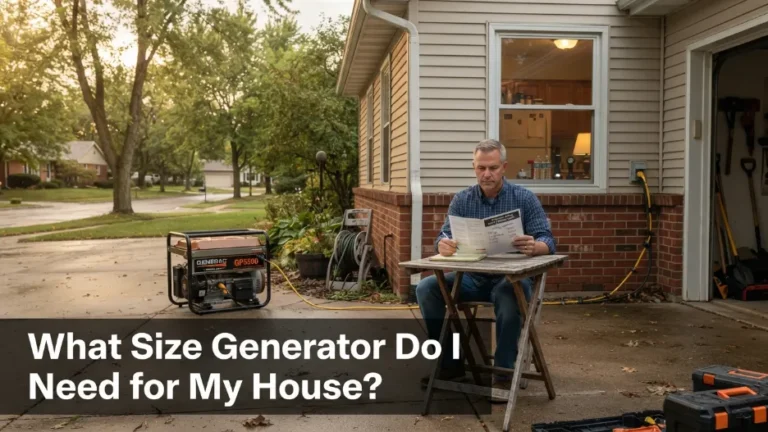
Size the generator from the appliances and circuits you want to operate, not from square footage alone. A practical essentials-only home often falls around 5,000–8,500 running watts, while central air and broader whole-house coverage can move you well above that range.
My basic sizing process is:
- Write down everything that must work during an outage.
- Find each appliance’s running wattage.
- Identify motor loads with higher startup demand.
- Add simultaneous running loads.
- Make sure the generator can handle the largest realistic startup event.
- Leave reasonable operating headroom instead of planning at maximum output.
For a detailed calculation, see my guide to choosing the right generator size for your home.
Portable example
A homeowner running refrigeration, a gas furnace blower, sump pump, several lights, router, television, and chargers may fit comfortably within a medium-to-large portable generator. The exact result depends on the equipment labels and motor starting loads.
Standby example
Add central air, an electric water heater, well equipment, more kitchen circuits, and broad household use, and the calculation changes. That is where a professionally sized standby system becomes much more attractive.
Do I Need a Transfer Switch With a Portable Generator?
You need approved transfer or isolation equipment when a portable generator supplies circuits through your home’s permanent wiring. Never connect a portable generator to a household receptacle to feed electricity backward into the panel.
A transfer switch separates utility power from generator power. This prevents dangerous backfeeding and gives you a controlled way to energize selected circuits.
- Extension-cord setup: Appliances plug into suitable generator outlets using properly rated cords.
- Manual transfer setup: A portable generator connects through an inlet and manually selected power source.
- Automatic transfer setup: Common with permanently installed standby systems.
My portable generator transfer switch guide explains how these systems fit together.
The Federal Emergency Management Agency also recommends using a qualified electrician for the appropriate transfer equipment when connecting generator power to a building. See FEMA’s generator safety guidance.
Is a Standby Generator Safer Than a Portable Generator?
A permanently installed standby system removes much of the manual deployment involved with portable power. Portable generators demand especially careful placement because their exhaust contains dangerous carbon monoxide.
The CDC’s carbon monoxide guidance says portable generators should operate outdoors more than 20 feet from windows, doors, and vents. A battery-powered or battery-backup carbon monoxide detector should also be used inside the home.
- Never run portable units indoors: That includes garages, basements, crawlspaces, and sheds.
- Keep exhaust away: Point exhaust away from occupied buildings and openings.
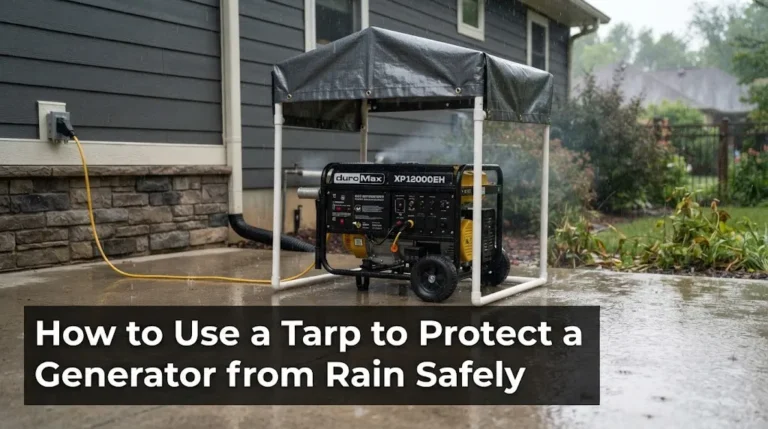
- Keep equipment dry: Follow manufacturer instructions for wet-weather operation.
- Avoid backfeeding: Use approved transfer equipment for building connections.
- Use CO alarms: Test them regularly and maintain battery backup.
The U.S. Consumer Product Safety Commission also warns against operating portable generators in garages or enclosed spaces, even with doors open.
Which Generator Is Better for Long Power Outages?
Standby usually wins for long outages when it has a dependable natural-gas connection or adequately sized LP supply. You don’t have to keep moving gasoline cans or manually restarting the system each time power is needed.
Portable generators still work well during multi-day outages when fuel planning is handled before the storm. Dual-fuel and tri-fuel models give homeowners more options when one fuel becomes difficult to obtain.
You can compare those tradeoffs in my propane portable generator guide.
- Gasoline: Widely available but requires safe storage and fuel-management planning.
- Propane: Useful for longer-term storage and dual-fuel flexibility.
- Natural gas: Convenient for permanently connected standby systems where service remains available.
- LP standby tanks: Runtime depends on tank size, generator load, and fuel consumption.
When Should I Choose a Portable Generator?
Choose portable when you want economical emergency power and can accept manual setup. It’s especially sensible when keeping essential systems alive matters more than making the entire house feel normal.
- You experience occasional outages.
- You mainly need a refrigerator, freezer, furnace, pump, lighting, and electronics.
- You want flexibility between home backup, RV, or other outdoor uses.
- You can safely store and manage fuel.
- You have a safe outdoor operating location.
- You don’t mind starting and connecting the generator manually.
If you’re still learning how portable units fit into everyday backup plans, see these common portable generator uses.
When Should I Choose a Standby Generator?
Choose standby when reliable automatic backup matters more than minimizing initial cost. It is especially useful for frequent outages, larger electrical loads, or homes where manual generator setup would be difficult.
- You want the generator to start automatically.
- You need central air or several large household loads.
- You want many household circuits available during outages.
- Your area experiences frequent or extended outages.
- You have natural gas or adequate LP capacity available.
- You prefer permanent professional installation.
One practical point often decides it for me: imagine the outage happening at 2 a.m. during heavy rain. If the idea of rolling out equipment, connecting cords, and managing fuel sounds unacceptable, standby starts earning its higher cost.
Portable vs. Standby Generator: My Final Decision Checklist
If you’re still split between them, answer these questions before shopping for a specific model. Your answers matter more than brand names.
- How often does your power fail? Rare outages favor portable; frequent outages strengthen the case for standby.
- What absolutely must stay on? Essentials can fit portable power, while broad whole-home loads push toward standby.
- Do you need automatic startup? If yes, standby is the straightforward choice.
- Can you safely handle portable setup? Consider weather, physical effort, fuel handling, and outdoor placement.
- What fuel is dependable locally? Think beyond the generator and plan for several days of operation.
- Will you run central AC? Compressor startup demand can dramatically increase generator requirements.
If you’re ready to pick a system, these are three useful reference points for different backup goals:
🏆 Best Portable Home Backup
Westinghouse WGen9500DFc
★★★★★ 4.8/5 editorial fit
This dual-fuel model provides 9,500 running watts on gasoline and 8,500 on propane, plus a CO sensor and transfer-switch-ready connections. I like this class of generator when a homeowner wants serious emergency capacity without committing to permanent standby installation.
💰 Best for Essential Loads
Champion 4500-Watt Inverter Model 201318
★★★★☆ 4.6/5 editorial fit
Champion rates this inverter at 4,500 starting watts and 3,500 running watts, with up to 14 hours at quarter load and a 61 dBA rating. It’s a better fit for selected essentials, RV use, and homeowners who value quieter operation over whole-house capacity.
🏠 Best Automatic Backup
Generac Guardian 22kW Standby Generator
★★★★★ 4.8/5 editorial fit
The 22kW Guardian represents the convenience advantage of standby power: permanent installation, automatic transfer capability, natural-gas or LP operation, and capacity aimed at broad home backup. I would compare it only after a proper load calculation and installation assessment.
Frequently Asked Questions
Is a standby generator worth it over a portable generator?
A standby generator can be worth the added cost if you experience frequent outages, need automatic backup, or want central air and many household circuits available. A portable generator is usually the better value when your goal is simply keeping essential appliances running.
Can a portable generator power my whole house?
A large portable generator can power many household circuits when properly sized and connected through approved transfer equipment. However, simultaneously running central air, electric water heating, cooking equipment, dryers, pumps, and other major loads can exceed portable-generator capacity quickly.
Does a standby generator turn on automatically?
Most residential standby systems are designed to work with an automatic transfer switch. When utility power fails, the system can start the generator and transfer selected electrical loads without requiring the homeowner to roll out or manually connect a generator.
How far should a portable generator be from my house?
The CDC recommends operating portable generators outside more than 20 feet from windows, doors, and vents. Keep the exhaust pointed away from the home and use working battery-powered or battery-backup carbon monoxide detectors indoors.
Which generator is better if I only lose power a few times a year?
A portable generator is often the more practical choice for occasional outages, especially when you only need refrigeration, lighting, heating controls, pumps, internet equipment, and a few outlets. Standby becomes more compelling when convenience, automatic operation, or frequent outages justify permanent installation.
Final Takeaway
If you’re asking, “Should I get a portable or standby generator?” start with the experience you want during an outage. Portable gives you affordable, flexible backup, while standby gives you automatic operation and greater potential for whole-home coverage.
For many homeowners, a properly sized portable generator is enough for emergency essentials. If you want the house to keep operating with little intervention when the grid fails, a professionally sized standby generator is the stronger long-term solution.

Hi, I’m Michael Turner. I own a generator workshop in the United States and founded HomeGeneratorBlog to share practical, hands-on guidance about generator installation, maintenance, troubleshooting, safety, and backup power solutions. My goal is to help homeowners make smarter, more confident decisions through clear and reliable information