Can a Portable Generator Be Stored Outside Year-Round?
Quick Answer
Yes, a portable generator can be stored outside year-round, but only if it is heavily protected from moisture, direct rain, snow, and extreme temperature fluctuations using a specialized weatherproof enclosure or heavy-duty running cover. Without proper shielding, outdoor exposure rapidly causes rust, fuel breakdown, and electrical failure.
The Reality of Leaving a Portable Generator Outside
Unlike standby home generators that are engineered explicitly for permanent outdoor installation, portable generators are typically built with lighter frames and exposed control panels. Leaving them entirely unprotected in an open yard or patio invites disaster. Rain can seep into the alternator windings, humidity causes internal corrosion, and freezing winter temperatures degrade fuel lines and thicken engine oil.
However, many homeowners lack garage or shed space, making outdoor storage a necessity. Doing this successfully year-round requires more than just throwing a standard tarp over the machine. Moisture trapped underneath a cheap plastic sheet can cause condensation, which corrodes metal just as fast as direct rain. To store a portable generator outside safely, you must account for elevation, ventilation, and physical security.
Key Risks of Unprotected Outdoor Generator Storage
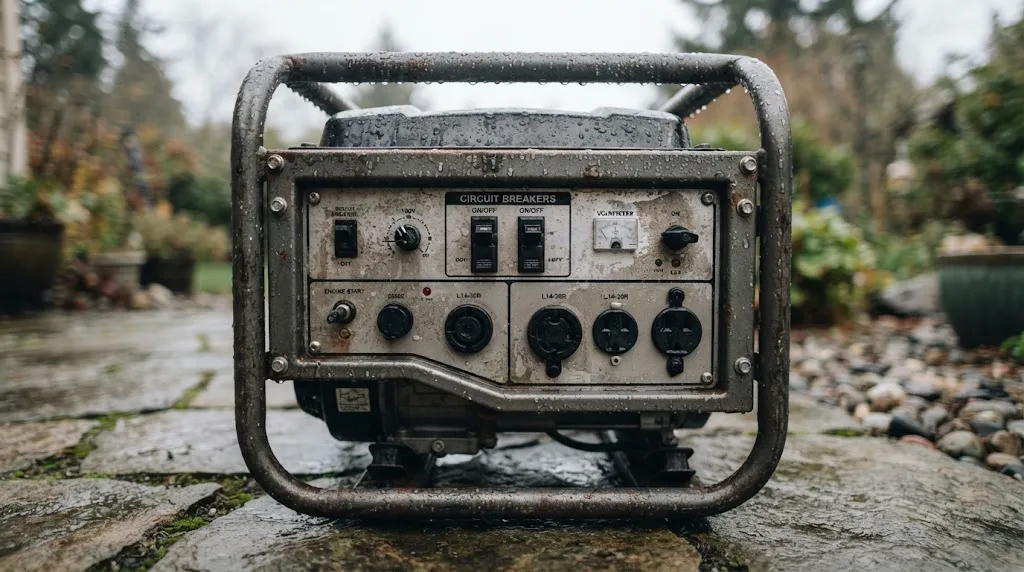
Exposing a portable generator to the elements without proper defense mechanisms triggers several progressive mechanical issues:
- Moisture and Rust: Rain, morning dew, and snow create ideal conditions for rust to form on the steel frame, fuel tank, and crucial engine components.
- Electrical Shorting: Water intrusion into the control panel, outlets, and circuit breakers can fry sensitive electronics and create shock hazards.
- Fuel Degradation: Constant temperature swings cause condensation to form inside the fuel tank, contaminating gasoline and clogging carburetors.
- Battery Drain: Electric-start portable units rely on 12V batteries that lose charge rapidly in sub-freezing weather, leaving you stranded during a blackout.
Essential Steps to Prepare Your Generator for Outdoor Storage
If you plan to keep your portable generator outside through rainstorms, summer heat, and winter snow, you need to establish a protective routine. Follow these steps to safeguard the unit:
- Elevate the Base: Never place the generator directly on wet grass, dirt, or pooling water. Set it on a raised concrete pad, composite platform, or heavy-duty pallets to ensure proper drainage underneath.
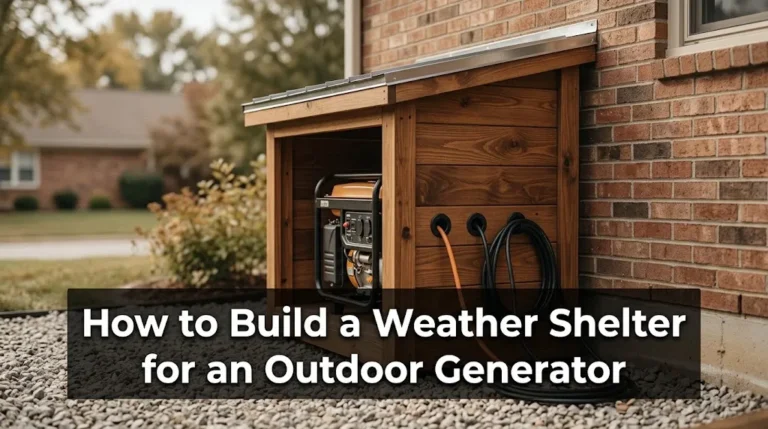
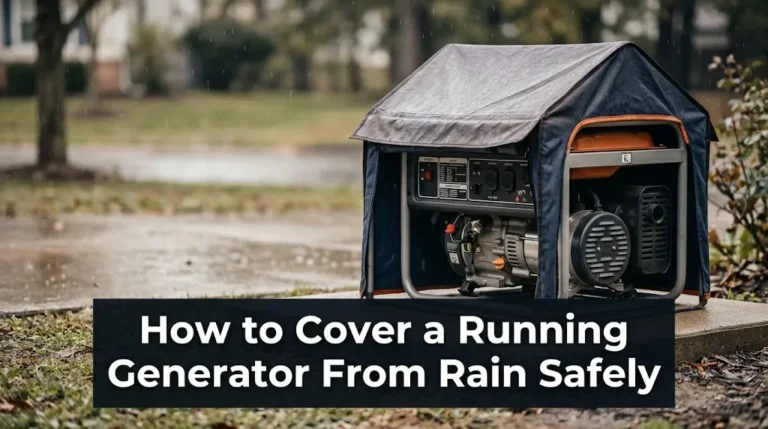
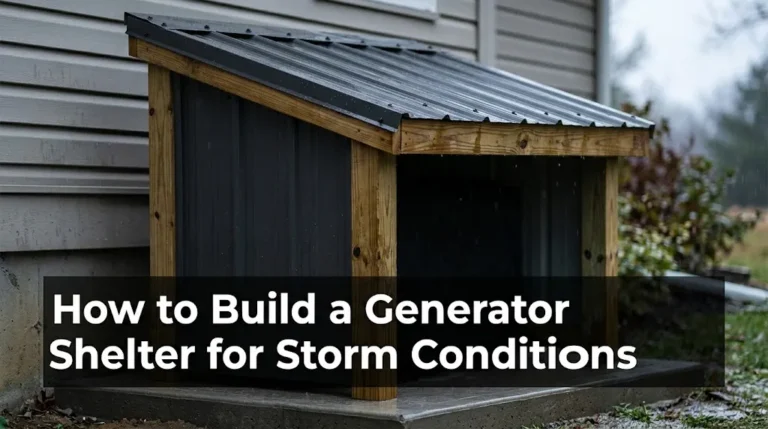
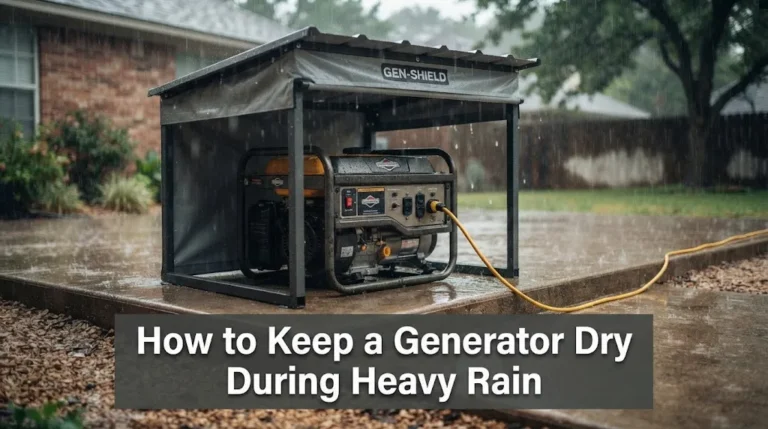
- Invest in a Weatherproof Enclosure or Tent: Use a specialized generator tent or a hard-shell outdoor enclosure. These shelters allow adequate airflow while blocking precipitation and can often remain on the unit even while it is running.
- Stabilize the Fuel: If the generator sits unused for weeks, add a high-quality fuel stabilizer to the gas tank and run the engine for a few minutes so treated fuel reaches the carburetor. Alternatively, run the carburetor completely dry to prevent sticky varnish buildup.
- Protect the Battery: In freezing climates, disconnect the electric-start battery and store it indoors on a trickle charger, or install a specialized battery warmer blanket.
Tip
Always check on your outdoor generator at least once a month during off-seasons. Start it up for 15 to 20 minutes under a light load to burn off any built-up internal condensation and keep the mechanical parts lubricated.
How Seasonal Weather Changes Impact Outdoor Storage
Different seasons present unique challenges for units left outdoors. Understanding these shifts helps prevent unexpected equipment failure when an emergency strikes.
During the spring and summer, high humidity and torrential downpours are the main threats. Ensure your storage cover is breathable to prevent trapped moisture from sweating against the metal frame. In autumn and winter, freezing temperatures demand winter-grade synthetic engine oil (such as 5W-30) so the engine can turn over smoothly during a cold start. Thick, sluggish standard oil can prevent a portable generator from firing up when you need emergency power most.
Security Considerations for Outdoor Placement

Leaving a portable generator outside year-round also makes it visible to potential thieves. Because portable generators are expensive and easily resold, security is a major factor.
Anchor your generator to a permanent structure—such as a concrete foundation, heavy structural post, or steel anchor drilled into your patio—using a heavy-duty security chain and hardened padlock. Whenever possible, position the unit out of direct sight from the street, behind a locked fence, or inside a secure, louvered generator shed that permits airflow while deterring theft.
Relevant Product
Weather-Resistant Generator Cover and Enclosure Tent
Protects your portable generator from heavy rain, snow, and UV rays while allowing safe ventilation during operation.
As an Amazon Associate, we earn from qualifying purchases.
Frequently Asked Questions
Can I run my portable generator while it is covered outside?
You can only run a portable generator inside a specially designed “run-1-tent” or running cover made of fire-retardant, breathable fabric. Never run a generator under a standard vinyl storage tarp or inside a completely closed box, as this causes lethal carbon monoxide accumulation and severe engine overheating.
Will morning dew cause rust if my generator is outside?
Yes. Continuous exposure to high humidity, fog, and daily dew cycles will steadily corrode bare metal parts and electrical contacts. Using a breathable, water-repellent cover prevents moisture from lingering on vulnerable surfaces.
How do I protect my generator’s fuel system during long-term outdoor storage?
Always drain the fuel tank and carburetor if the generator will sit unused for more than a month, or treat the gasoline with a stabilizer. Old fuel degrades, turns gummy, and blocks the tiny jets inside the carburetor, preventing future starts.
Is it safe to leave a generator outside in freezing sub-zero temperatures?
Yes, provided you use winter-grade engine oil and protect the starter battery from deep discharge. Extreme cold itself does not ruin a generator, but moisture combined with freeze-thaw cycles can crack hoses and brittle plastic seals.
How can I prevent someone from stealing my outdoor generator?
Secure the unit with a heavy-duty security chain threaded through its steel frame and locked tightly to a permanent anchor point like a concrete slab or structural wall. Concealing it behind a privacy fence also helps deter opportunistic theft.
Do standby generators handle outdoor weather better than portable ones?
Yes. Standby generators come equipped with weather-proof, rust-resistant steel enclosures built permanently into the housing, allowing them to withstand year-round elements without extra covers. Portable models require aftermarket shelters to achieve similar durability.
Conclusion
Storing a portable generator outside year-round is entirely feasible if you take proactive steps to guard against moisture, freezing temperatures, and security threats. By placing the machine on an elevated surface, utilizing a breathable weather-resistant enclosure, and maintaining proper fuel and oil care, you ensure your equipment stays reliable. Protecting your investment guarantees that when an unexpected power outage strikes, your generator will fire up safely and efficiently.

Hi, I’m Michael Turner. I own a generator workshop in the United States and founded HomeGeneratorBlog to share practical, hands-on guidance about generator installation, maintenance, troubleshooting, safety, and backup power solutions. My goal is to help homeowners make smarter, more confident decisions through clear and reliable information